Manual S Equipment Selection for Fort Myers Homes
An air conditioner can be new, efficient, and still leave your home cool but clammy. In Southwest Florida, Manual S equipment selection helps prevent that mismatch by pairing HVAC equipment with your home's real cooling needs.
This process comes after a Manual J load calculation. It considers heat, humidity, airflow, ductwork, and how a particular system performs in Fort Myers conditions. A home-specific review matters because square footage alone can't determine the right equipment.
How Manual S Equipment Selection Follows Manual J
Manual S is the equipment-selection step that follows Manual J. Manual J estimates how much sensible heat and moisture your home gains under design conditions. Manual S then uses that information to select an air conditioner or heat pump that can meet the calculated load.
Manual J measures the home's demand first
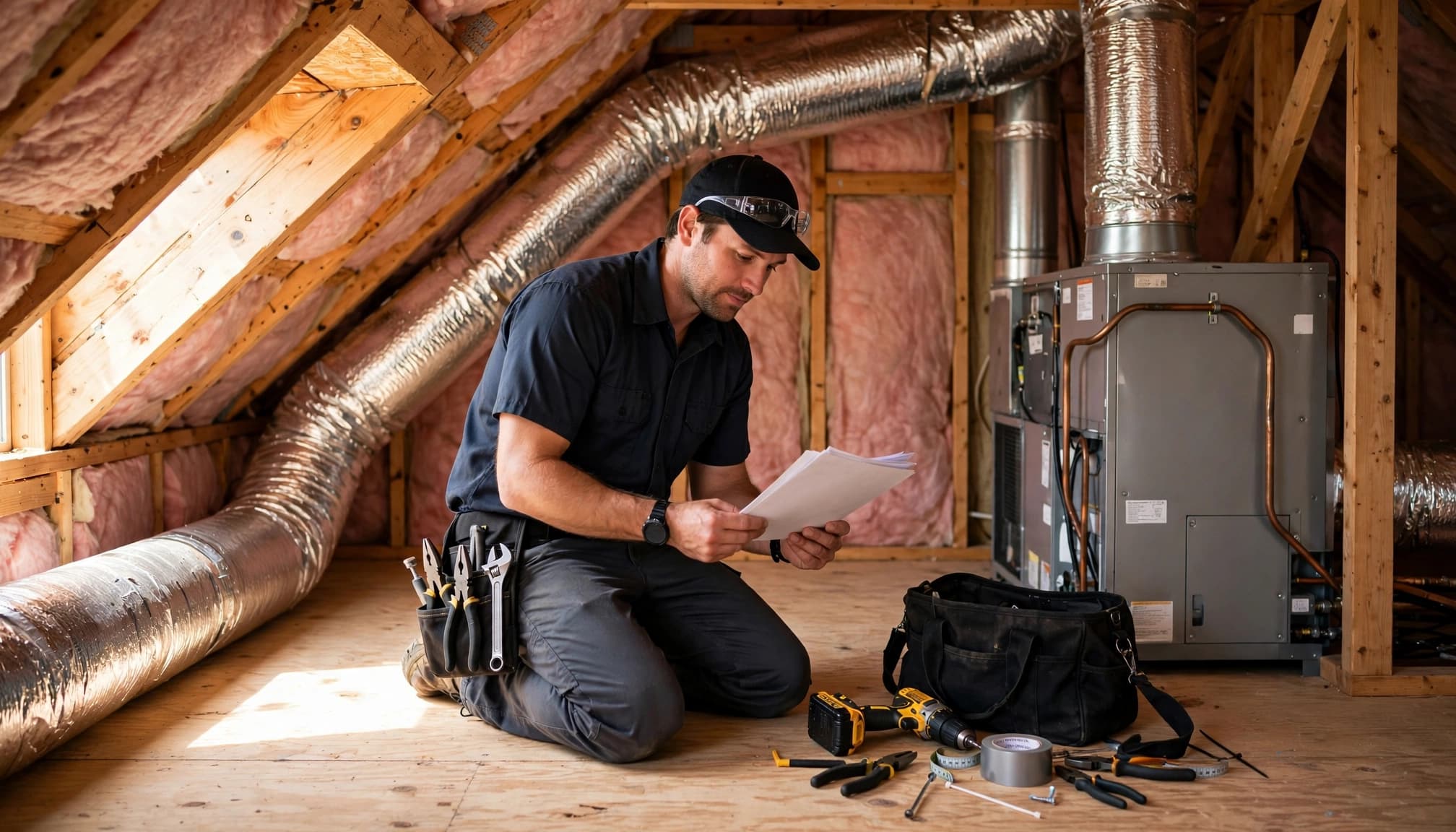
A qualified technician gathers details about the house before recommending a system. That includes the home's layout, window size and direction, insulation, ceiling height, occupancy, and local climate conditions.
For example, a west-facing living room with large windows may need more afternoon cooling than a shaded room of the same size. An older Fort Myers home may also have different insulation and air-leakage levels than a newer build.
Manual J separates two forms of cooling demand:
- Sensible load is the heat that raises indoor temperature.
- Latent load is moisture that makes indoor air feel sticky.
- Total load combines both needs for a clearer equipment decision.
Manual S compares actual equipment performance
Once the load is known, Manual S equipment selection compares it with manufacturer performance data. A system's nameplate size, such as 3 tons, doesn't tell the full story. Capacity can change with outdoor temperature, indoor humidity, airflow, and the combination of indoor and outdoor components.
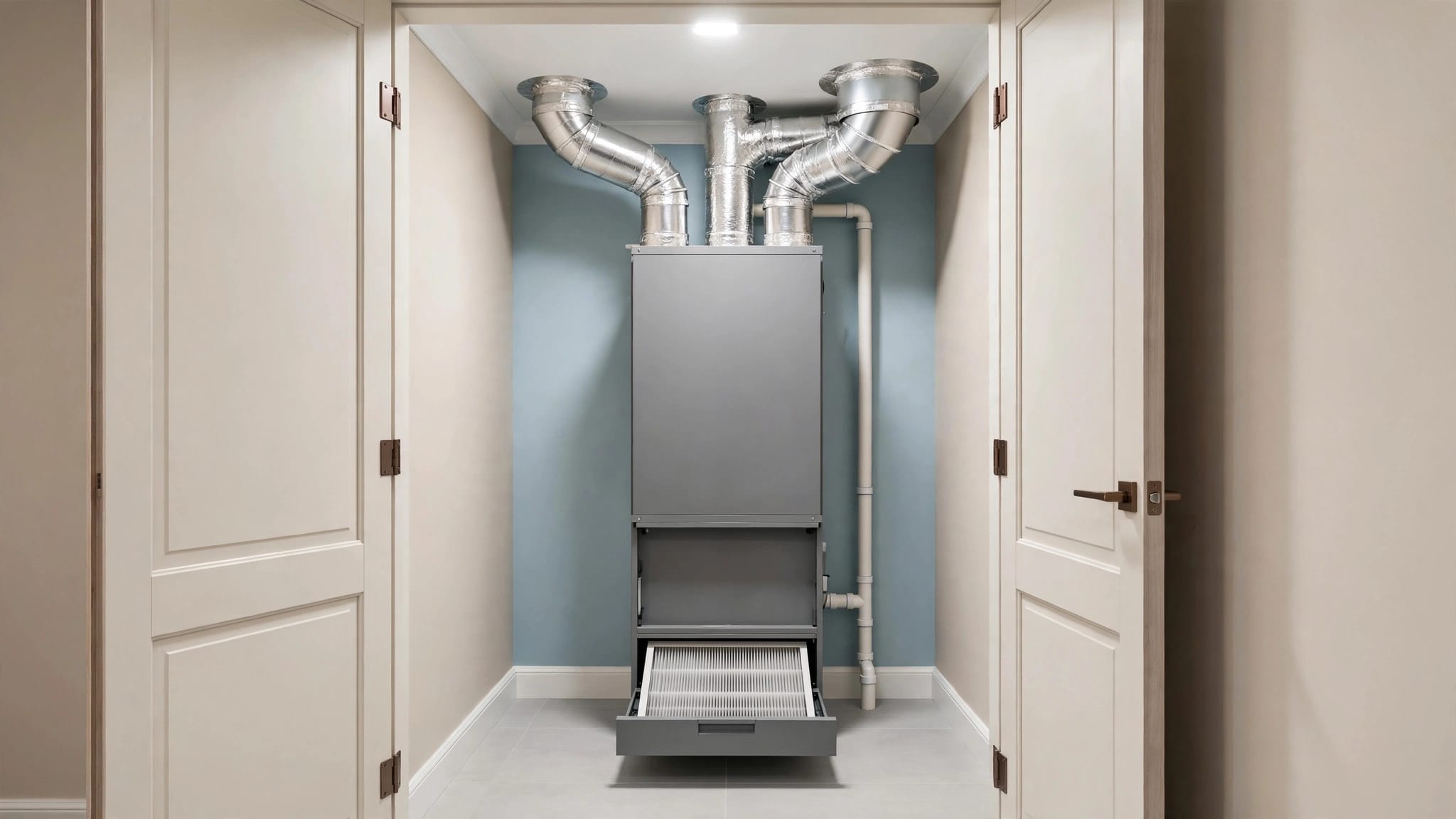
The technician should select a matched condenser, indoor coil, air handler or furnace, and blower setup. Matching these pieces protects performance, efficiency, and warranty coverage. It also helps the system deliver the cooling and moisture removal the home needs.
A system that reaches the thermostat setting quickly can still feel uncomfortable if it shuts off before removing enough moisture.
Fort Myers Heat and Humidity Change the Equation
Fort Myers homes face a long cooling season, high outdoor moisture, and frequent afternoon storms. Therefore, equipment selection must account for comfort beyond the number displayed on the thermostat.
Humidity control depends on run time
An oversized AC often cools the air too fast. Then it cycles off before the indoor coil has enough time to remove moisture. Rooms may feel cold, damp, or uneven, especially after rain.
A system selected for the home's calculated load tends to run longer and more steadily. That gives the coil more time to pull water vapor from the air. Variable-speed equipment can help in some homes because it can operate at lower output for longer periods.
However, a variable-speed system isn't automatically the right answer. The home's load, duct condition, budget, and expected length of ownership should guide the choice. Learn more about variable-speed AC systems in Fort Myers before deciding whether the added features fit your home.
Efficiency ratings need local context
SEER2 ratings compare equipment efficiency under standardized testing. Higher ratings can reduce electricity use, but they don't correct an oversized unit, leaky ducts, or poor airflow.
Manual S equipment selection weighs efficiency alongside available capacity at Florida operating conditions. A slightly lower-rated system that fits the home and ducts may provide better everyday comfort than a high-efficiency system selected by guesswork.
Ductwork Has to Support the Selected System
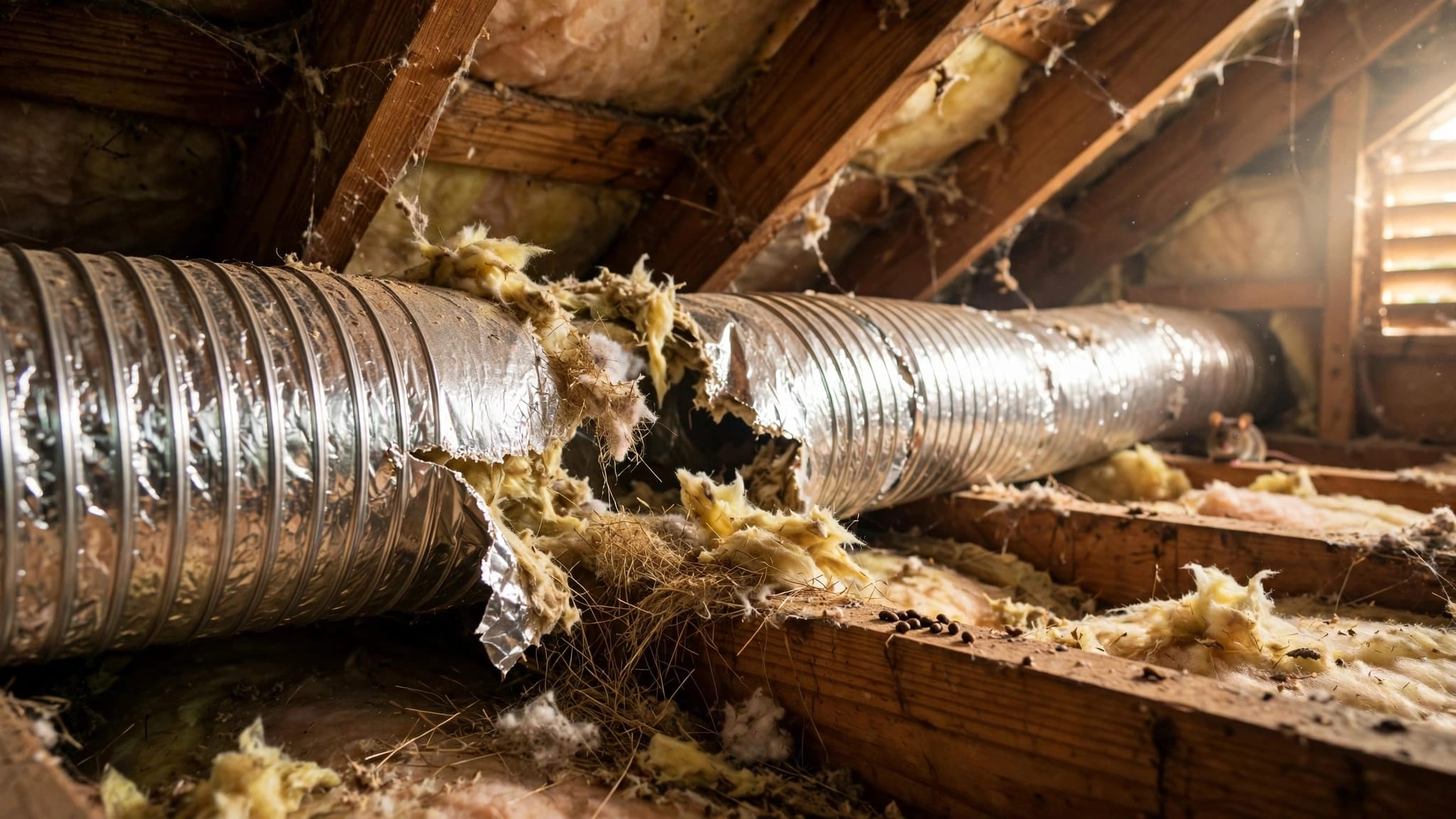
Your AC equipment moves conditioned air, but the ducts determine where it goes. A well-chosen outdoor unit can't fix a return duct that is too small or supply ducts leaking hot attic air.
Airflow affects capacity and comfort
During an equipment review, the technician should inspect accessible ductwork, return-air paths, filter setup, registers, and the condensate drain. Restricted airflow can cause temperature differences between rooms, coil problems, and reduced moisture removal.
Duct sizing is usually addressed through Manual D principles. In an existing home, a contractor may recommend duct repairs or return-air changes instead of treating the equipment replacement as a stand-alone job.
Matched components protect performance data
Manufacturer data applies to approved equipment combinations, not random parts installed together. The outdoor unit, indoor coil, blower, refrigerant line set, and controls all affect delivered capacity.
Ask whether the proposal identifies the complete matched system. Also ask whether the current drain line, electrical connection, and ductwork can support the new equipment. Those details are part of quality HVAC installation in Southwest Florida, not optional add-ons.
What to Ask Before Approving a New System
A clear proposal should show more than a brand name and a tonnage. You should understand how the contractor arrived at the recommendation and what work the price includes.
Ask these practical questions during your appointment:
- Was a Manual J load calculation completed for my home?
- Which manufacturer performance data supports this equipment match?
- How will the system manage humidity during humid weather?
- Does the quote include duct repairs, return-air changes, drains, permits, and startup testing?
- Are the indoor and outdoor components an approved matched combination?
When you compare Fort Myers AC replacement quotes, compare the scope of work as carefully as the equipment price. A lower quote may omit duct corrections or drainage work that affects comfort later.
For a home-specific recommendation, Schedule an Estimate with an HVAC technician who can inspect the home, review the ducts, and explain the proposed equipment in plain language.
A Better Fit Starts With a Real Calculation
Manual S equipment selection turns a Manual J load calculation into an HVAC recommendation that fits the home. In Fort Myers, that means looking closely at moisture removal, airflow, ductwork, and manufacturer performance data.
A qualified HVAC professional can evaluate those details before you commit to a new system. Comfort in Southwest Florida depends on more than equipment size.
Recent Posts