Mini-Split vs Central Air for Garage Conversions
Garage conversions can look simple on paper, but comfort is where many projects fall apart. A room that feels fine in the morning can turn sticky by afternoon, or stay cold near the floor and hot near the ceiling.
When you turn a garage into a bedroom, office, gym, or studio, you are conditioning a space that was never built like the rest of the house. That is why mini-split vs central air is more than a price comparison. It comes down to insulation, air sealing, electrical capacity, layout, and how you plan to use the room.
What a garage conversion needs from HVAC
A garage is usually a tougher space to condition than a typical bedroom. It may have a concrete slab, thinner walls, more air leaks, and a big door opening that once let heat pour in. Even after the conversion, the shell can still behave like an unfinished room.
That matters because HVAC equipment can only do so much. If the walls, ceiling, and openings leak air, the system has to work harder and the room still feels uneven. In Southwest Florida, humidity makes that problem worse. Warm, damp air sneaks in fast, and the room can feel muggy even when the thermostat says the temperature is fine.
Ceiling height also changes the game. A garage with high ceilings can trap warm air above head level. Long, narrow layouts can create hot and cold spots. Good HVAC planning starts with the room shape, not the unit label.
Why mini-splits fit most single-room conversions
For a single garage conversion, mini-splits are often the cleanest answer. They do not need ductwork, so you avoid major demo work and air loss through long runs. The indoor unit mounts high on the wall, which helps in rooms with limited floor space or awkward layouts.
That makes them a smart match for a bedroom, home office, workout room, or art studio. They also give you zone control. You cool or heat the converted garage without forcing the whole house system to cover one extra room.
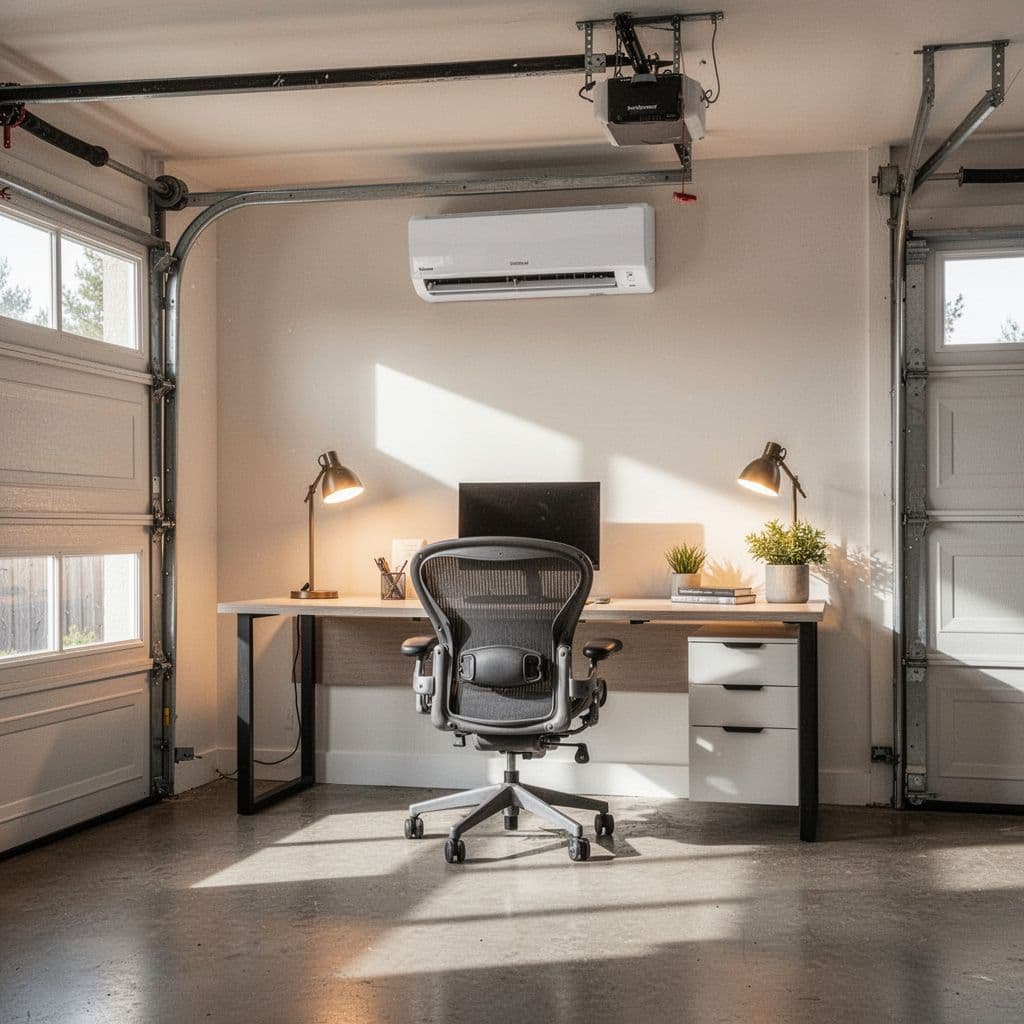
Mini-splits also tend to fit the room's shape better. If the conversion has a vaulted ceiling, a long wall, or a tricky furniture layout, the indoor head can still push air where it is needed. That gives you more control than a single central supply register in a corner.
A mini-split usually makes the most sense when:
- The garage is now one main room, not part of a full-home remodel.
- You want independent control from the rest of the house.
- The space needs quiet operation for sleep or work.
- The layout makes duct runs hard or expensive.
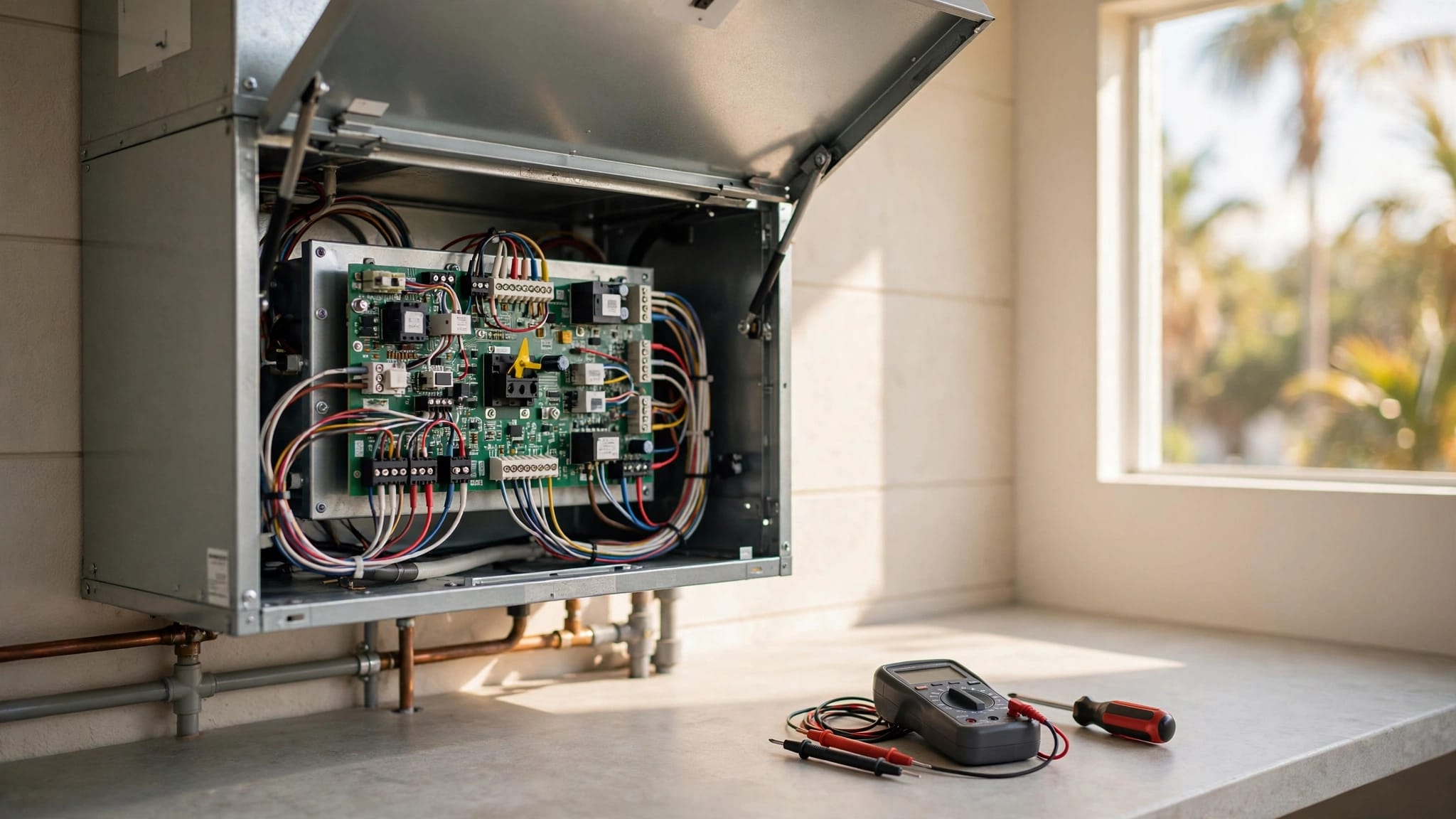
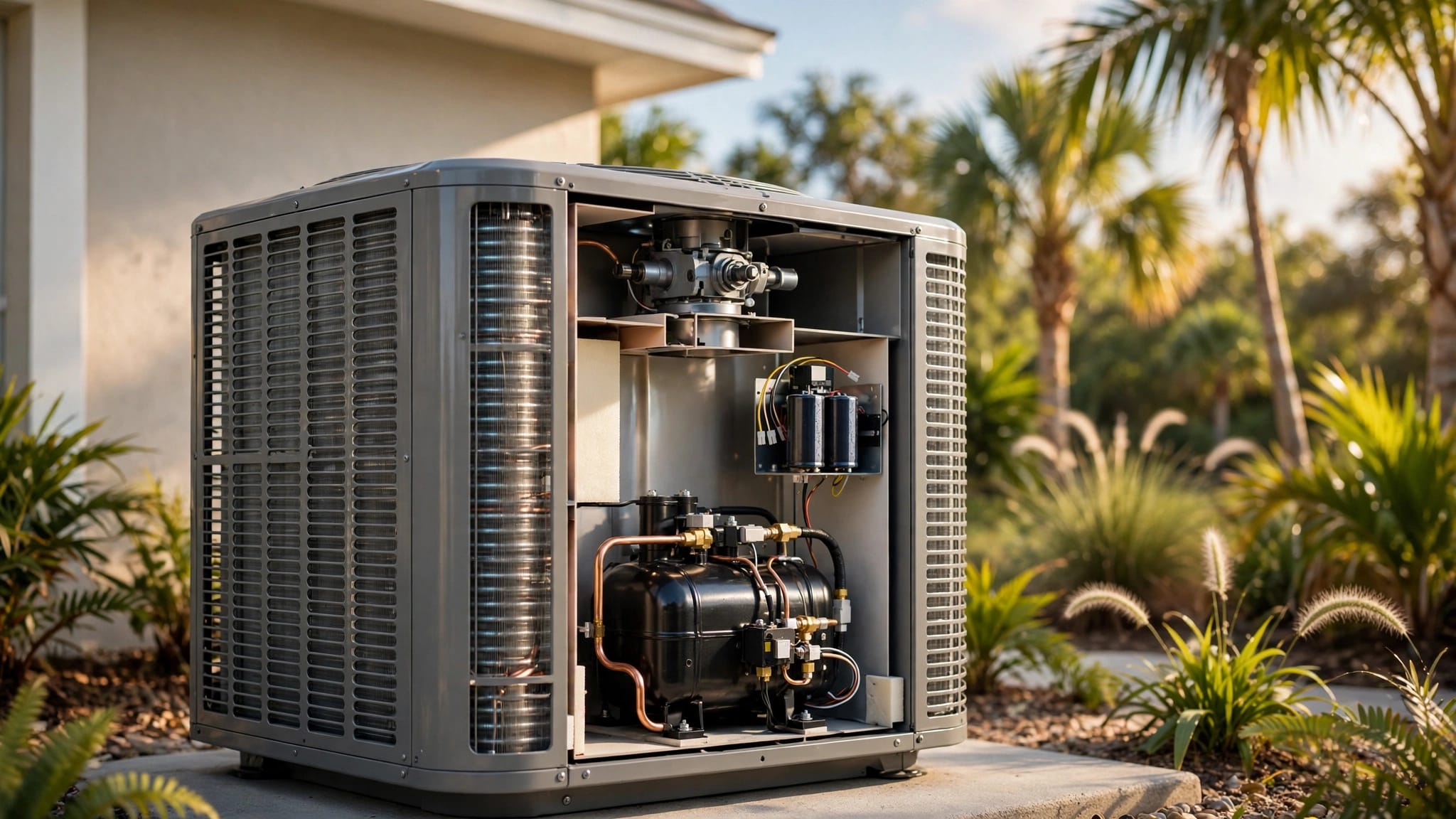
There is still planning involved. The outdoor unit needs a proper place, and the indoor unit needs a dedicated drain path for condensate. The electrical panel also needs enough room for the added load. Even so, the installation is often simpler than rebuilding ducts for one room.
When central air makes sense
Central air can be the right answer when the home already has ductwork with real capacity to spare. If the existing system is sized well and the garage conversion connects naturally to the rest of the house, extending ducts may be practical. That is especially true during a larger remodel where walls are already open.
In those cases, the room can blend into the home instead of feeling separate. Supply registers can match the rest of the house, and the thermostat strategy stays simple. If the garage is becoming a bedroom that should feel like part of the main living area, that can matter.
Central air also makes sense when you are already planning broader HVAC work. If the old system is near the end of its life, a full replacement can be a better time to rethink the garage space. Professional HVAC installation and replacement gives you a chance to check airflow, duct size, return placement, and equipment capacity together.
The catch is cost and disruption. Adding ducts to a converted garage can mean opening ceilings, rerouting returns, and sealing every connection carefully. If the duct system is already tight, adding one more room may throw off comfort in the rest of the house.
Mini-split vs central air side by side
A quick comparison makes the tradeoffs easier to see.
| Factor | Mini-split | Central air |
|---|---|---|
| Best fit | Single-room conversions | Garage space tied into a larger home system |
| Installation | Less invasive, no ducts needed | More involved if ducts must be added or changed |
| Comfort control | Independent zone control | Shared with the rest of the house |
| Humidity handling | Strong when sized correctly | Strong when ducts are sealed and airflow is balanced |
| Ceiling and layout impact | Works well in odd shapes and high ceilings | Depends on register and return placement |
| Electrical needs | Usually needs a dedicated circuit | May need larger system changes or panel checks |
The table points to a simple truth. If the garage is becoming a stand-alone room, mini-split usually wins. If the home already has duct capacity and the conversion is part of a larger HVAC plan, central air can still be a smart choice.
The costs that actually change the answer
Sticker price does not tell the whole story. The real cost depends on what the room needs before any equipment goes in. Insulation, air sealing, and electrical work can move the price more than the brand name on the unit.
A mini-split can look affordable at first, but that changes if the panel needs an upgrade or the run to the outdoor unit is long. Central air may seem familiar, but adding ducts, returns, and drywall repair can add up fast. When you're comparing HVAC installation costs, ask what is included and what is not. The quote should cover duct changes, electrical work, drain lines, and any repairs needed after installation.
The cheapest bid can be the most expensive one later. If the contractor skips air sealing or ignores weak insulation, the system may run longer and still leave the room uncomfortable. That is especially true in a garage conversion, where the shell often needs more attention than the equipment itself.
Comfort in Southwest Florida heat and humidity
Southwest Florida puts garage conversions to the test. Heat is one problem, but humidity is often the bigger one. A room can feel damp and heavy even after it cools down a few degrees.
Mini-splits usually handle that well in a single room because they run steadily and give the space its own control. Central air can also do the job, but only if the ducts are sealed and the airflow is balanced. If the converted garage sits far from the air handler, weak duct design can leave the room behind the rest of the house.
Insulation and air sealing come first. No HVAC system can make a leaky garage feel right for long.
Ceiling height matters here too. Hot air rises, so a tall garage can stay warm up high while the floor feels fine. A ceiling fan can help mix the air, and good supply placement matters even more. If the room will be used as a bedroom, quiet operation also becomes a real comfort issue. Mini-splits usually have the edge there.
Heating matters less in Southwest Florida than cooling, but it still matters. A garage office or bedroom can feel chilly on cool mornings, especially if the room has tile or concrete underfoot. Many mini-splits are heat pumps, so they can handle those cooler stretches without extra equipment.
How to choose the right setup for your garage
A good choice starts with the room, not the equipment brochure.
- Check the shell first. Make sure the walls, ceiling, windows, and old garage door area are insulated and sealed well.
- Look at the duct system honestly. If the house already has enough capacity and the garage connects cleanly, central air may work.
- Review the electrical panel. Mini-splits need a proper circuit, and some homes need electrical updates before either option is possible.
- Match the system to the use. A quiet bedroom or office often fits a mini-split better. A larger remodel tied to the whole home may justify central air.
If you want a quote that reflects the actual room instead of a generic guess, Schedule an Estimate. A site visit can reveal the hidden costs that matter most, like insulation gaps, drain routing, or duct limits.
Conclusion
For most garage conversions, mini-split systems make life easier. They fit single-room layouts well, avoid duct losses, and give you independent control in a space that was never built like the rest of the house.
Central air still has a place when the home already has the right duct capacity and the conversion is part of a larger HVAC plan. The best choice depends on the room shell, the electrical setup, and how you want the space to feel on a hot, humid Southwest Florida day. A comfortable conversion starts with the room itself, then the HVAC choice follows.
Recent Posts