Why Your AC Float Switch Keeps Tripping in Fort Myers
A float switch that keeps tripping is usually doing its job. It's warning you that condensate water isn't draining the way it should, and in Fort Myers that can happen fast.
High humidity, long cooling runs, and warm weather put extra strain on your AC system. If you keep resetting the switch without finding the cause, you can end up with water stains, wet insulation, and a mold problem before long.
What the float switch is trying to protect
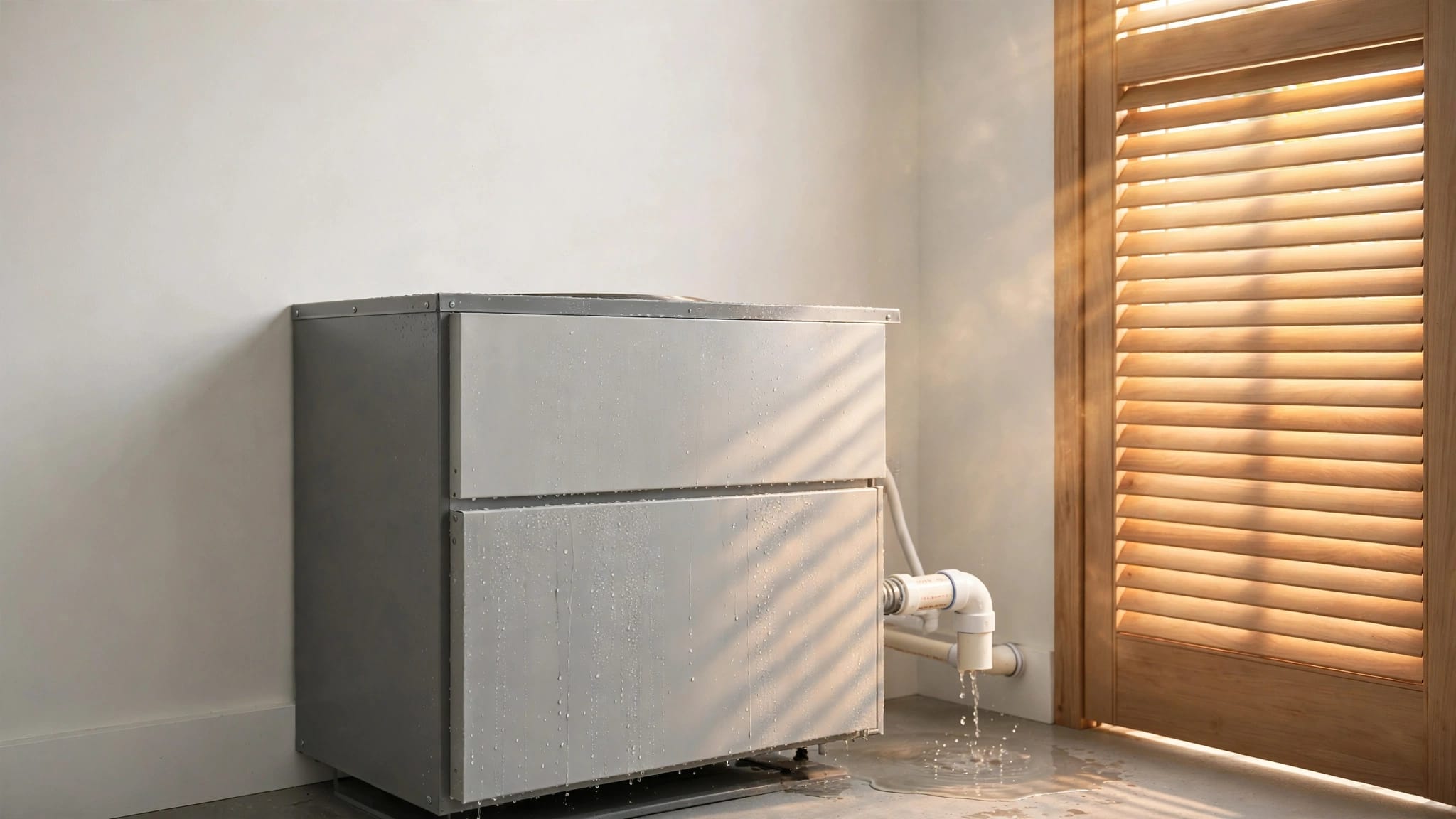
Your AC makes water every time it cools humid air. That water should move through the drain pan and out through the condensate line.
The float switch sits in that path and watches for rising water. If the drain backs up, the switch shuts the system off before the pan overflows. That shutdown feels annoying, but it can save you from far worse damage.
A tripping float switch is a warning light, not the problem itself.
In many Fort Myers homes, the switch is the first sign that something below the surface is wrong. The clog may be small at first. Even so, a little blockage can quickly become a wet ceiling, a damaged closet, or a soaked wall cavity.
Why Fort Myers homes see more float switch trips
Southwest Florida gives your AC more work than homes in drier places. The air stays heavy with moisture for much of the year, so your system pulls more water from the air every day.
That extra water means the drain line has to keep up. When it slows down, algae and sludge build faster in the line. Dust, pet hair, and pollen can add to the mess, especially if the air filter is overdue for a change.
Long cooling cycles also matter. When your AC runs for hours, the drain pan fills more often. If the system sits in a hot attic, closet, or utility room, warm air can feed more condensation and make the problem worse.
A dirty evaporator coil can add to the trouble too. Poor airflow can cause the coil to ice up. When that ice melts, the drain pan gets hit with more water than usual.
Heavy summer storms and frequent humidity swings can make things worse again. In Fort Myers, the drain line is under stress for months at a time, so small issues turn into repeat shutdowns.
Safe checks you can make before calling for help
Start with the simplest step. If the system has shut off because the float switch tripped, leave it off until you know the water is draining again. That helps prevent an overflow.
Then check the air filter. A clogged filter can reduce airflow and contribute to icing or excess moisture. If the filter looks dirty, replace it with the correct size.
Next, look at the area around the indoor unit. Use a flashlight and check for standing water in the drain pan, damp insulation, or stains on the cabinet. If you see water, the system is telling you the drain path is not clear.
You can also look at the condensate line outlet if it's easy to reach. During cooling, a healthy system usually shows some dripping or discharge. If the line looks dry while the AC is running, or it shows signs of buildup, that is a clue.
Keep these checks simple:
- Replace a dirty air filter.
- Look for water in the drain pan or around the air handler.
- Check for visible leaks, rust, or wet spots near the unit.
- Watch the outdoor drain outlet for signs of blockage or no flow.
Do not open electrical panels, remove safety switches, or bypass the float switch. Also skip refrigerant work and drain-line fixes that require tools you don't already use with confidence. If the unit is wet inside, or if you smell mildew, stop there and call for help.
Signs the drain problem is bigger than a simple clog
Sometimes a float switch trip is a one-time event. Other times, it points to a deeper problem that keeps coming back.
The table below shows a few common signs and what they often mean.
| Symptom | What it may point to | Why it matters |
|---|---|---|
| Trips again within days | Sludge buildup, bad slope, or a weak switch | The drain never cleared fully |
| Water in the secondary pan | Overflow has already started | Floors and ceilings are at risk |
| Musty smell near the air handler | Standing water or mold growth | Air quality can suffer |
| Ice on the indoor coil | Airflow trouble or another system issue | Melt water can overload the drain |
| Gurgling in the drain line | Partial blockage or air pocket | A full clog may be close |
When more than one sign shows up, the issue is usually bigger than a quick reset. A reliable HVAC repair and inspection can trace the problem without guesswork. That matters because a drain line, drain pan, coil, or float switch can all cause the same shutdown.
If the same outage keeps coming back, the rest of the system may need attention too. A technician may find a loose drain connection, a cracked pan, or a line that slopes the wrong way.
How to keep the drain line clear in humid weather
The best way to avoid repeated AC float switch tripping is to stay ahead of buildup. Fort Myers humidity makes that job harder, so routine care pays off.
Filter changes help more than many homeowners realize. A clean filter supports better airflow, which helps the coil stay dry and reduces strain on the drain system. In homes with pets, construction dust, or lots of cooking grease, filters clog faster.
Regular maintenance matters as well. During a tune-up, a technician can clear drain buildup, inspect the pan, and test the float switch before the next storm season or heat wave. That kind of service is far easier than dealing with ceiling repair or mold cleanup later.
Routine visits through our full range of HVAC services can also catch small problems before they turn into repeat shutdowns. If your AC keeps tripping after you've checked the filter and the pan, it may be time for a closer look.
A few habits can help between visits:
- Replace filters on schedule, especially during heavy summer use.
- Keep storage boxes and clutter away from the air handler.
- Watch for slow drainage after long cooling cycles.
- Pay attention to musty smells, stains, or damp spots.
These steps do not replace service, but they make it easier to spot a problem early. In a humid climate, early is everything.
Conclusion
When your AC float switch keeps tripping in Fort Myers, the switch is protecting your home from water damage. The real issue is usually a drain line clog, excess humidity, poor airflow, or a drain pan problem.
A clean filter and a quick visual check can help you catch the obvious stuff. If the switch trips again, or if you see standing water, stains, or mildew, the problem needs a closer look.
For repeat shutdowns or signs of water around the air handler, Schedule an Estimate before the next overflow starts. In Southwest Florida, a small drain issue can turn into a costly mess fast.
Recent Posts