Rooftop Unit Economizers: When They Help in Fort Myers
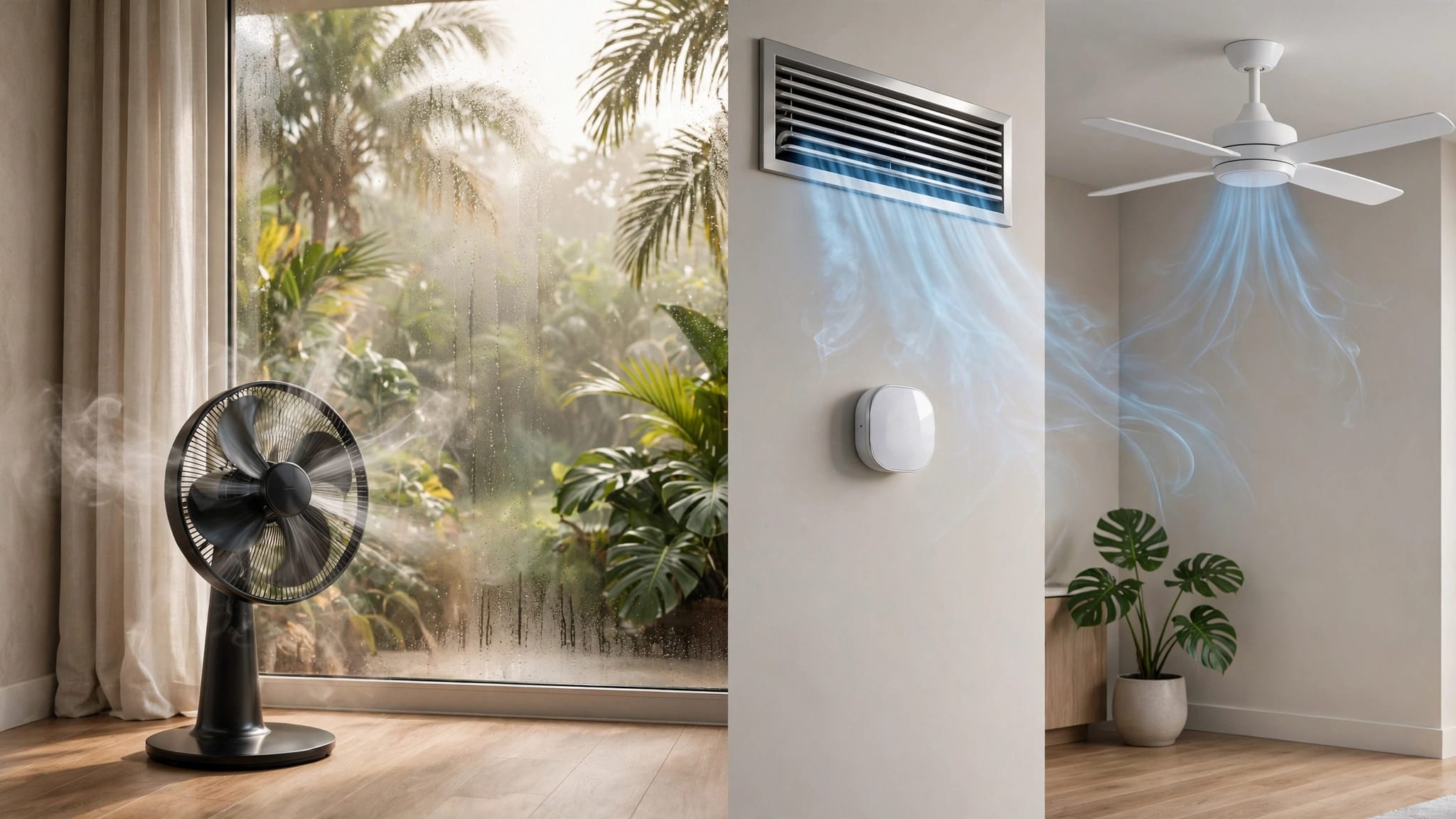
Outdoor air can reduce cooling work, but bringing Florida humidity indoors can create another problem. For Fort Myers businesses, rooftop unit economizers deserve a building-specific assessment , not an automatic promise of lower electric bills.
The decision depends on your equipment, controls, operating schedule, and measured outdoor conditions. A system that admits extra air without checking moisture can add cooling demand instead of reducing it. Start by understanding what the economizer controls and when your building can use that outdoor air.
Key Takeaways for Fort Myers Businesses
- Economizers use outdoor air to meet some cooling demand when measured conditions permit.
- Temperature alone doesn't describe the moisture load entering your building.
- Required ventilation and optional economizer cooling need separate consideration.
- Damper operation, sensor accuracy, and equipment compatibility affect performance.
- Potential savings need a building-specific analysis that includes maintenance and installation costs.
These points matter in Southwest Florida because cooling and moisture removal often happen together. Reducing compressor operation only helps when indoor comfort and humidity remain acceptable.
How Rooftop Unit Economizers Work
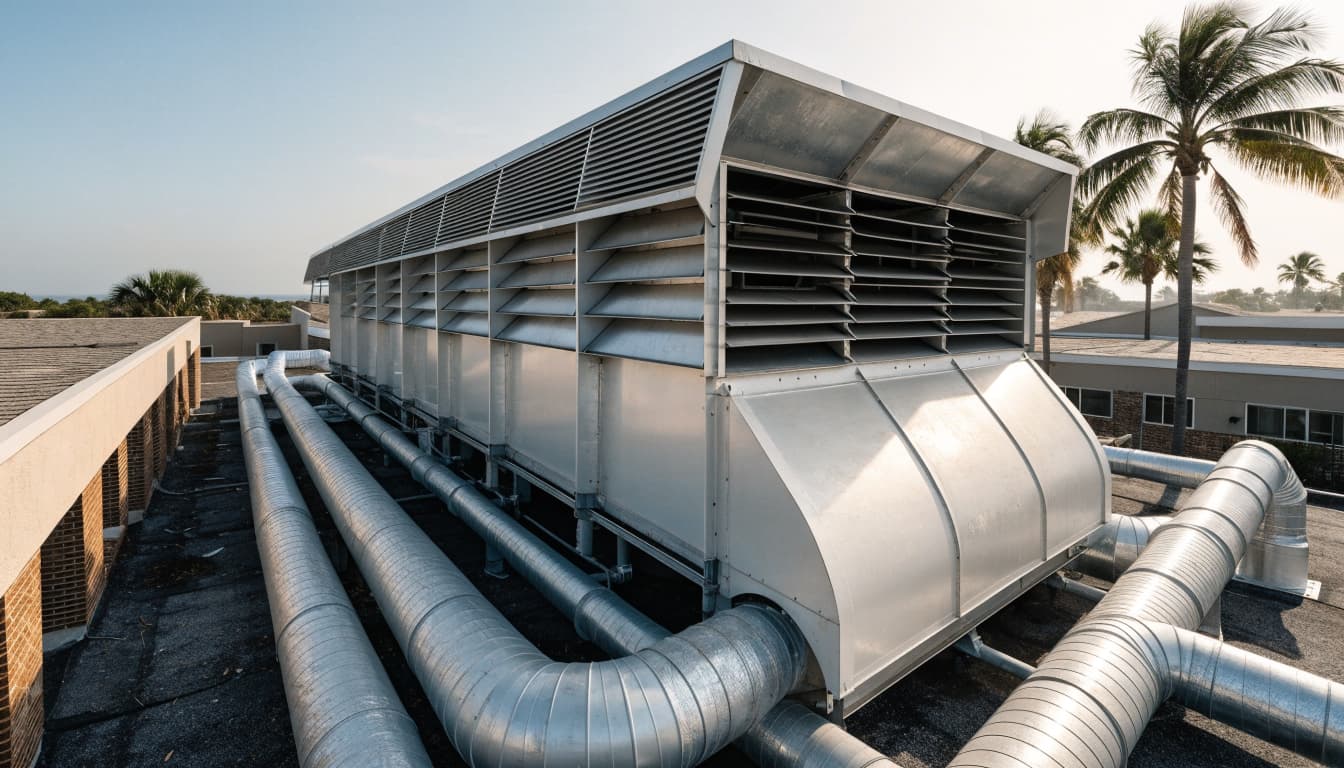
An air-side economizer is an outdoor-air control assembly within, or attached to, a rooftop HVAC unit. Its dampers adjust how much outdoor air mixes with return air.
Outdoor Air Can Meet Part of the Cooling Load
When the controls approve outdoor conditions and the building needs cooling, the economizer opens beyond its ventilation position. That additional air can meet part of the load otherwise handled by mechanical refrigeration.
Some systems coordinate economizer operation with compressor cooling. Others have different operating sequences, so the technician needs the unit's documentation before making adjustments.
The term "free cooling" doesn't mean zero electricity use. Fans still move air, and other equipment may continue running.
Ventilation Is a Separate Job
A rooftop unit may admit outdoor air for ventilation even when economizer cooling isn't appropriate. That ventilation supports occupied spaces and must follow the building's applicable requirements.
Closing off all outdoor air to reduce humidity can create a different indoor-air problem. The controls need to distinguish the required ventilation setting from additional airflow intended for cooling.
Conditions That Determine Whether Economizers Help
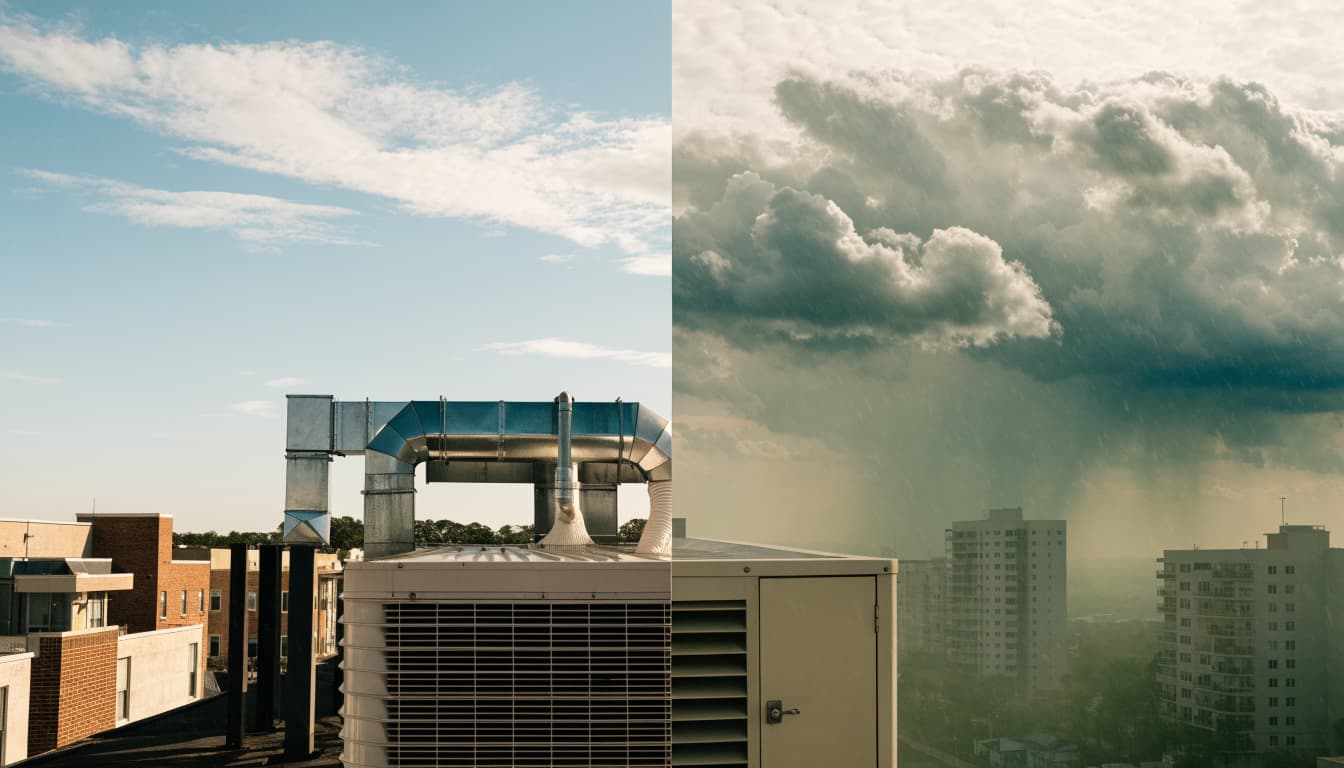
Fort Myers' hot, humid climate makes outdoor-air suitability a question of both temperature and moisture. A cooler temperature reading alone isn't enough to establish a useful cooling opportunity.
When Outdoor Air May Be Useful
The opportunity exists when measured outdoor conditions can help satisfy an actual cooling demand without creating an unacceptable moisture load. Your building also needs to be operating during those conditions.
A technician should compare weather data with occupancy and equipment schedules. Useful outdoor conditions during hours when the system is off don't automatically translate into savings.
No season or time of day guarantees economizer performance for a particular Fort Myers property.
When Additional Air Can Work Against You
Outdoor air that adds excessive heat or moisture increases the conditioning work required inside. Bringing it in beyond ventilation needs can offset any reduction in compressor operation.
The economizer should therefore remain at its appropriate ventilation position when additional outdoor air isn't suitable. Actual operating limits require equipment documentation and a site-specific review.
Persistent humidity complaints or unexplained runtime increases deserve investigation before you consider adding more outdoor-air cooling.
Humidity and Ventilation Need Separate Attention
Indoor temperature can look acceptable while moisture remains a problem. That's why an economizer evaluation needs humidity measurements alongside thermostat readings.
Cooling Air Doesn't Always Remove Moisture
An air conditioner removes moisture when water condenses on its cooling coil. If economizer operation reduces refrigeration runtime, the system may also reduce that moisture removal.
Whether this creates a problem depends on the outdoor air, indoor moisture sources, and equipment sequence. Buildings with frequent door openings or substantial outdoor-air requirements need careful review.
A lower indoor temperature doesn't prove an economizer is helping if indoor humidity rises and the system later needs extra dehumidification.
Ask the technician to examine moisture performance during actual operation rather than relying on the thermostat display.
Outdoor Air Changes Building Pressure
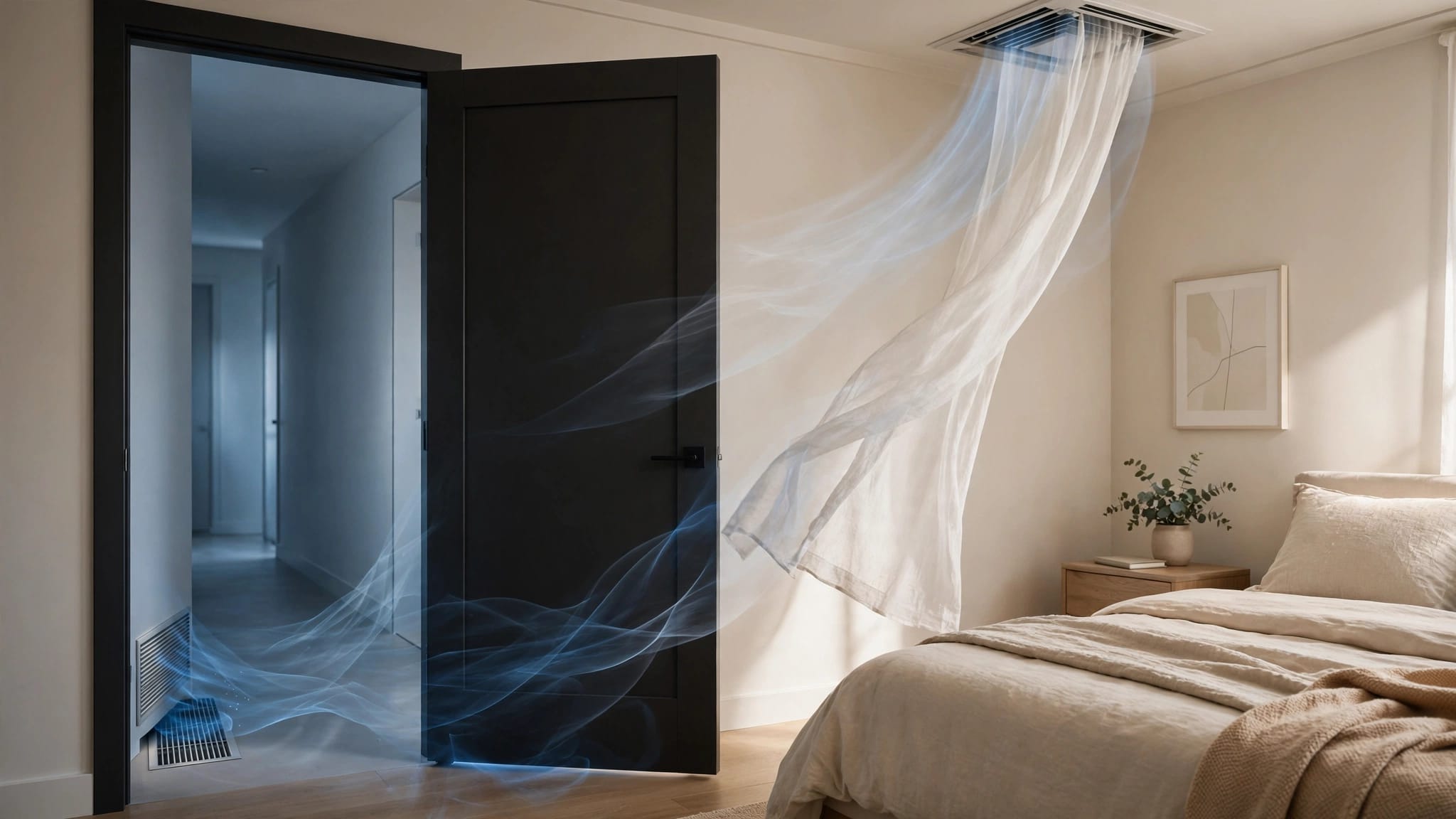
As the economizer brings in more air, the building needs an appropriate relief or exhaust path. Poor coordination can affect pressure and airflow through doors or other openings.
Restaurants also have kitchen exhaust and makeup-air requirements that need separate evaluation. An economizer can't replace that design work.
Meanwhile, occupied ventilation settings should reflect the building's use. Reducing outdoor air below required levels isn't an acceptable energy-saving measure, even if the electric bill decreases.
Which Commercial Buildings Are Worth Evaluating?
The strongest candidates for assessment have compatible rooftop equipment and cooling demand that overlaps with usable outdoor conditions. Building type alone doesn't establish whether an economizer will pay for itself.
Offices, retail spaces, and facilities with substantial internal heat loads may warrant review. However, the technician still needs operating schedules, occupancy information, and measured conditions before recommending a change.
Restaurants, fitness facilities, and businesses with frequent door openings deserve added attention to moisture, exhaust, and ventilation. Those loads can complicate outdoor-air cooling.
Equipment layout matters, too. A compatible rooftop package unit may accept an approved economizer assembly, while another system may require a different approach. Valor's rooftop versus split-system comparison covers equipment and site considerations that affect commercial HVAC choices.
For an older unit, compare retrofit work with the equipment's condition and replacement plans. Spending money on an accessory may be difficult to justify if the underlying unit already needs major repairs.
Controls Must Match the Unit and the Climate
Economizer controls need accurate inputs and a sequence that matches the rooftop unit. A temperature-only control doesn't measure the moisture carried by outdoor air.
Enthalpy controls consider temperature and moisture together. Some systems compare outdoor and return-air conditions, while others use different arrangements. Neither a control label nor an added humidity sensor proves the system is configured correctly.
Ask the technician to verify sensor placement, readings, and compatibility with the manufacturer's controls. The review should also cover damper movement, minimum ventilation settings, and coordination with compressor operation.
Supply-air control matters because excess outdoor airflow can produce uncomfortable conditions even when economizer operation is permitted. Relief or exhaust operation also needs testing.
If your unit already has an economizer, arrange HVAC repair and inspection before assuming it needs replacement. A failed actuator, inaccurate sensor, or incorrect sequence can cause poor performance that a new assembly alone won't solve.
Request a clear explanation of the tested sequence and any recommended changes.
Maintenance Should Include Dampers and Sensors
A rooftop unit can appear to cool normally while its economizer remains stuck in one position. Routine service should check actual movement and control response, not merely confirm that the assembly is present.
Florida rooftop equipment collects sand, pollen, leaves, and construction dust. Coastal salt exposure can also accelerate corrosion on cabinets, fasteners, coils, and electrical components.
For the economizer, technicians should examine accessible dampers, seals, linkages, actuators, and sensors according to the manufacturer's instructions. Damper leakage matters because an apparently closed assembly may still admit unwanted air.
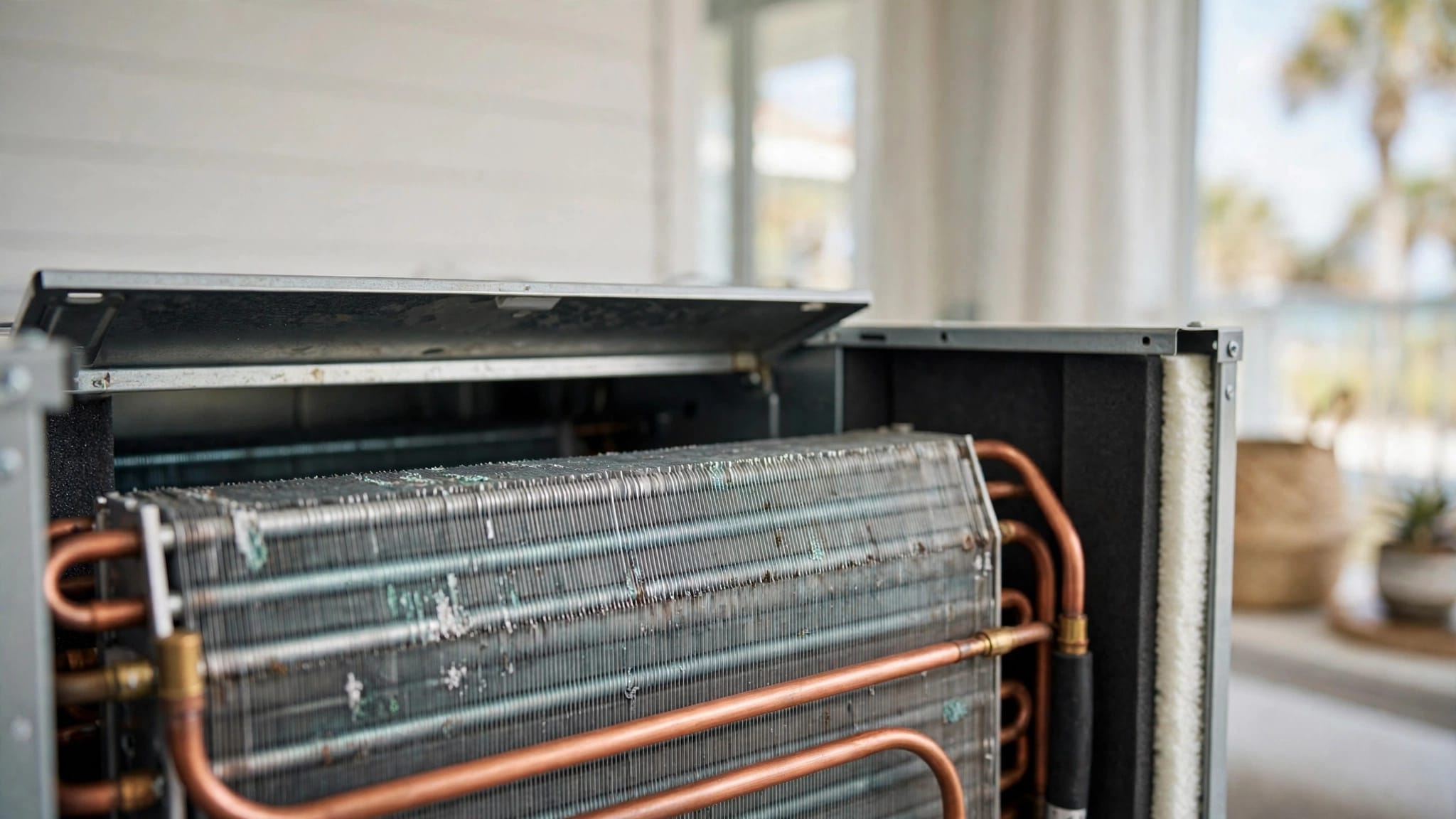
The surrounding unit needs attention as well. Coil condition, airflow, and condensate drainage affect cooling and moisture removal. Professional maintenance may include electrical testing, drain testing, belt inspection, and lubrication where the equipment requires it.
Valor's Florida commercial HVAC maintenance checklist covers broader rooftop-system upkeep.
Keep service records that identify faults and completed repairs. They help distinguish recurring control problems from changes in occupancy, weather, or building operation when performance slips between visits.
How to Evaluate Potential Savings
Start with the existing system's condition and performance. An economizer savings estimate is less useful if the unit has dirty coils, incorrect airflow, or unresolved ventilation problems.
Build an Operating Baseline
Gather utility bills, occupancy schedules, equipment information, and indoor temperature and humidity records. Where available, trend outdoor conditions, compressor operation, and damper position.
Then ask the contractor to evaluate how usable outdoor conditions overlap with your actual cooling demand. Local weather data should support that assessment rather than a general claim about Florida winters.
Whole-building utility bills provide context, but lighting, business hours, and other loads can obscure HVAC changes. More detailed monitoring can improve the comparison.
Compare Costs and Verify Results
Request an itemized proposal covering equipment compatibility, controls, installation, commissioning, and any relief-air modifications. Ongoing maintenance belongs in the financial comparison, too.
Valor's discussion of Fort Myers commercial HVAC maintenance costs identifies factors such as equipment size, system count, access, and service scope.
Ask what assumptions support projected savings and how performance will be checked afterward. Avoid accepting a fixed payback claim without those details.
If you're considering a retrofit or replacement, Schedule an Estimate with Valor Heating & Cooling for an on-site review. The recommendation should account for your roof access, equipment condition, building use, and comfort requirements.
Frequently Asked Questions
Should Every Fort Myers Rooftop Unit Have an Economizer?
No universal recommendation fits every business. Compatibility, ventilation requirements, equipment condition, and operating patterns all matter.
An existing economizer also needs evaluation before anyone recommends removing, replacing, or disabling it. Have the technician review the manufacturer's documentation and applicable requirements, then explain the options for your particular building and unit.
Can an Economizer Make Indoor Humidity Worse?
Yes, additional outdoor air can increase the indoor moisture load when conditions aren't suitable. Reduced refrigeration runtime can also affect moisture removal.
That doesn't mean every economizer causes humidity problems. The assessment needs to examine outdoor-air control, ventilation settings, equipment operation, and indoor moisture sources together rather than treating the damper assembly as the only possible cause.
Make the Decision Around Measured Performance
Rooftop unit economizers can help only when outdoor conditions, building demand, and equipment controls work together. In Fort Myers, moisture management belongs in that decision alongside cooling energy.
Confirm how your existing system operates before investing in changes. A recommendation should protect required ventilation and indoor comfort, with any savings estimate tied to your equipment, building use, and local conditions.
Recent Posts