AC Evaporator Coil Corrosion in Coastal Florida
Discoloration on your AC coil doesn't automatically mean you need a replacement. AC evaporator coil corrosion deserves attention, but surface changes and refrigerant leaks require different responses.
For homeowners in Fort Myers and surrounding coastal communities, the practical approach starts with inspection, appropriate cleaning, and a confirmed diagnosis. Your home's location alone can't establish what damaged an indoor coil.
First, separate what you can see from what an HVAC technician needs to test.
Surface Corrosion Versus Coil Damage
The evaporator coil sits inside your air handler and absorbs heat from indoor air. Its refrigerant passages and thin metal fins have different jobs, so damage to each affects the system differently.
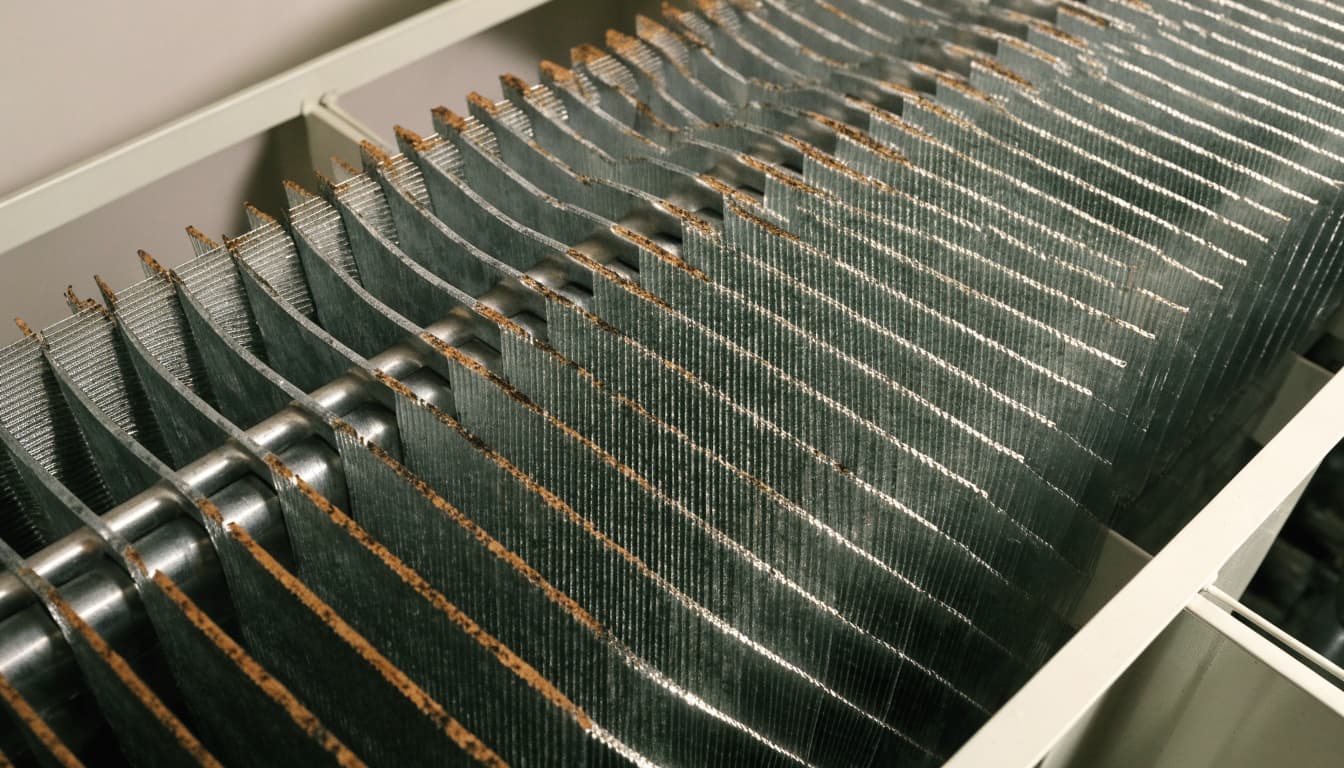
Visible surface changes
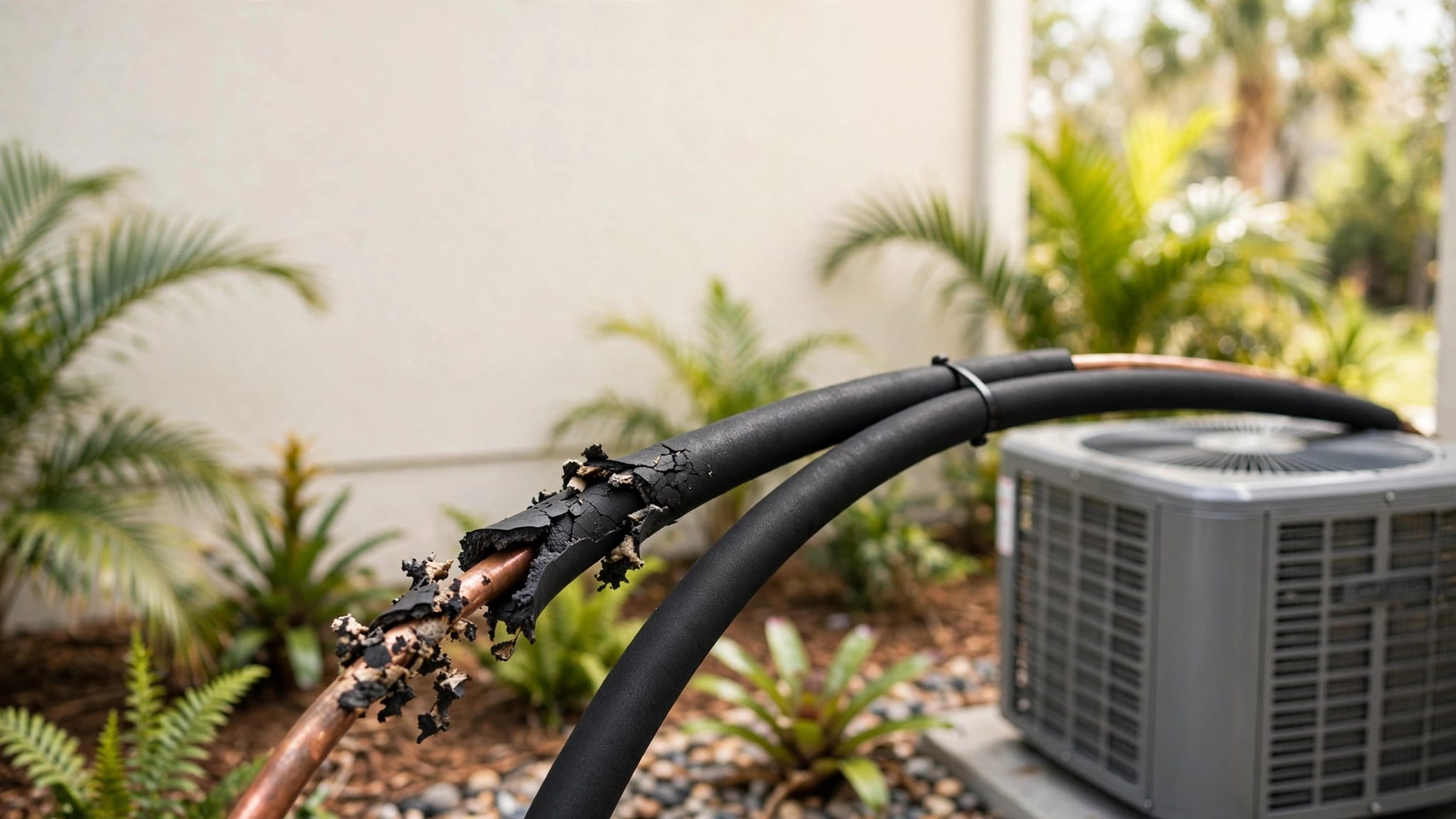
Surface oxidation can appear as discoloration or deposits on exposed metal. However, appearance alone doesn't establish how far deterioration extends or whether refrigerant is escaping.
The fins help transfer heat. Buildup, deterioration, or damaged fins can interfere with performance even when the refrigerant circuit remains sealed.
Also, rust on a nearby cabinet panel isn't proof of a leaking evaporator coil. A technician should identify the affected component before recommending treatment.
Damage that can release refrigerant
A refrigerant leak requires a breach in a refrigerant-containing passage or connection. Corrosion that penetrates that metal can create a leak, but a visual inspection may not reveal a small opening.
A coil can look weathered without leaking. Conversely, a leak can exist without dramatic visible damage.
That distinction matters financially. Cleaning may address buildup on a sound coil, while a confirmed leak requires a separate repair or replacement decision. Neither discoloration nor poor cooling alone justifies replacing the coil.
Coastal Florida: Establish the Cause Before Treating It
A home near the Gulf gives your technician useful context, but it doesn't identify the cause of indoor coil deterioration. The diagnosis needs to account for the equipment's condition and service history.
Indoor and outdoor coils have different exposure
Your outdoor condenser and indoor evaporator occupy different environments. Evidence of weathering on the outdoor unit doesn't establish why the indoor coil has changed.
In Fort Myers, Lee County, and nearby coastal communities, ask the technician to distinguish observations about each component. A recommendation for outdoor equipment shouldn't automatically become a treatment recommendation for the evaporator.
If someone attributes indoor damage to salt based only on your address, ask what inspection findings support that conclusion.
Give the technician the equipment's history
Share previous repair records, cleaning invoices, and any documentation of coil treatments. Also mention water intrusion, renovations, or changes around the air handler.
These details help guide the assessment, but none proves a corrosion mechanism by itself. For example, knowing which cleaner was previously applied helps a technician review whether that product matched the equipment's instructions.
Ask for photos and a plain-language explanation of the findings. The recommendation should identify the affected metal, the extent of damage, and whether testing confirmed a leak.
Warning Signs That Deserve an Inspection
Coil trouble often becomes noticeable through changes in comfort rather than visible metal damage. Pay attention when your AC behaves differently under similar weather conditions.
Symptoms worth reporting include:
- Your system runs longer but struggles to reach the thermostat setting.
- Indoor air feels more humid despite regular cooling.
- Ice appears on accessible refrigerant lines or the indoor coil.
- Cooling weakens, or electricity use rises without an obvious explanation.
However, these symptoms don't confirm AC evaporator coil corrosion or a refrigerant leak. A clogged filter, restricted airflow, and other faults can produce overlapping signs.
Valor's explanation of AC refrigerant leak warning signs covers why testing matters before correcting the refrigerant charge.
If the system freezes, stop cooling operation and arrange service. Don't scrape the ice, open the refrigerant circuit, or keep running the AC in hopes that it will recover.
Record when the problem started and whether it follows any recent service. That information can help narrow the diagnosis.
What a Professional Diagnosis Should Include
A useful inspection connects the condition of the coil with the system's actual performance. It should also rule out other problems before assigning the symptoms to corrosion.
Check airflow, drainage, and coil condition
The technician should examine the filter, blower, evaporator coil, and condensate drain. These components affect cooling and moisture removal, so checking only the coil can miss another fault.
An inspection should distinguish dirt buildup, damaged fins, surface deterioration, and concerns involving refrigerant passages. The technician should also check nearby components rather than assuming every deposit belongs to the coil.
Valor offers HVAC repair and inspection for systems that cool poorly, stop working, or show signs of wear.
Test before recommending a refrigerant repair
When a leak is suspected, a qualified technician should use an appropriate leak-detection method. Operating measurements help assess the system, but poor cooling alone doesn't locate a leak.
Ask whether the technician found a leak and where it is. Also ask how the test results support the proposed repair.
A corroded-looking coil and a confirmed leaking coil are different findings. Ask which one the technician documented before approving replacement.
Homeowners shouldn't handle refrigerant or attempt to seal refrigerant passages. Leave that work to qualified HVAC professionals.
Make Routine Inspections Part of Coastal Home Care
Preventive maintenance gives a technician opportunities to spot buildup, drainage problems, and changes in coil condition before comfort suffers. It also creates a service record for future diagnosis.
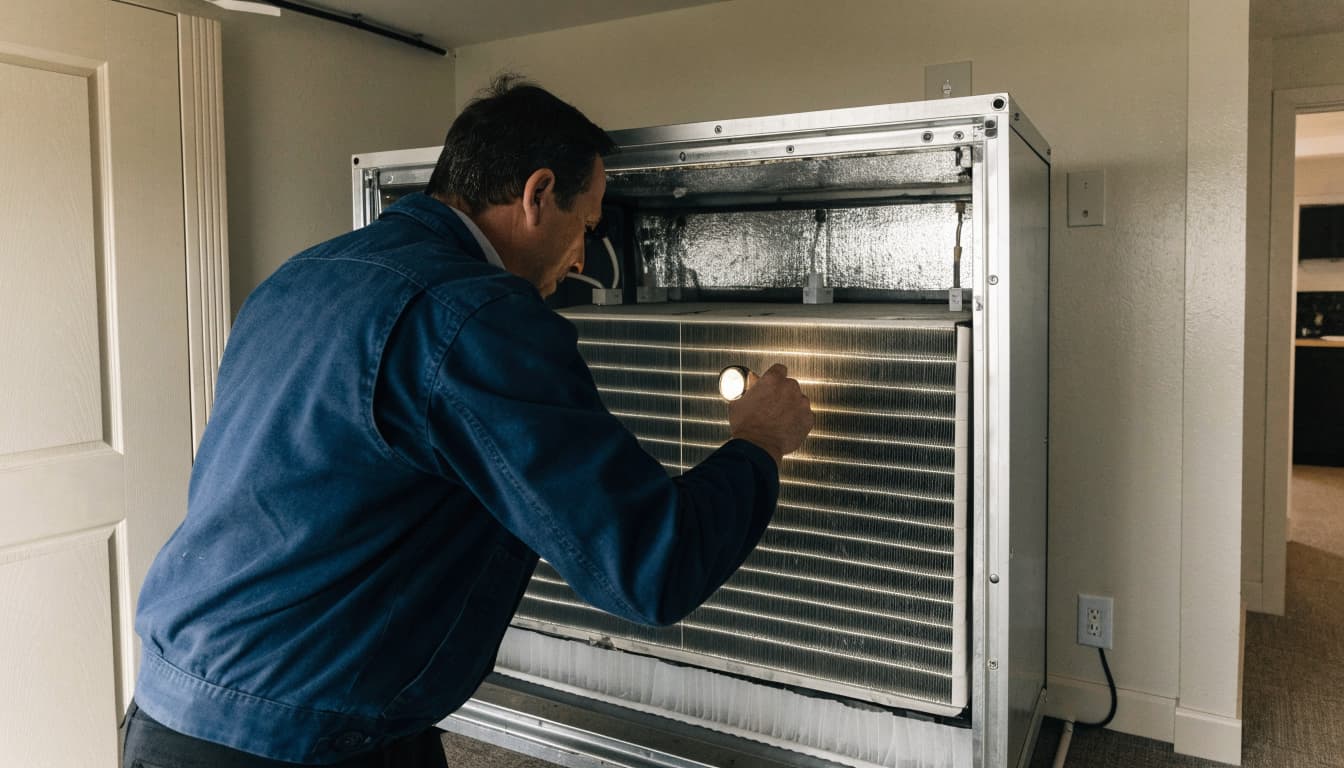
Ask for a maintenance plan based on your equipment's instructions, operating demands, and observed condition. Don't assume every coastal home needs the same service schedule.
A proper visit should address both indoor and outdoor equipment. Valor's description of what an AC tune-up includes covers coil checks, filters, blower components, drainage, and electrical connections.
During service, ask whether the evaporator needs cleaning and whether its condition has changed since the previous visit. Photos can make that comparison easier.
Also, clarify what the appointment includes. A routine check isn't automatically a detailed leak investigation or a complete coil cleaning.
Maintenance can't guarantee that corrosion will never occur. Its practical value is identifying problems earlier and keeping airflow and drainage issues from going unnoticed.
Appropriate Coil Cleaning and Treatment
Cleaning needs to match the coil's materials and the manufacturer's instructions. A product suitable for another HVAC component isn't automatically suitable for your indoor evaporator.
Let a professional choose the cleaning procedure
A qualified HVAC technician should assess the buildup and select an appropriate cleaner and method. Product instructions may specify dilution, rinsing requirements, and material compatibility.
The technician also needs to protect nearby electrical components and confirm that the condensate system can drain properly during the work.
Don't spray household cleaners, bleach, or harsh chemicals into the air handler. Avoid pressure-washing or aggressively brushing delicate fins. Those approaches can damage components rather than restore performance.
If you're unsure whether the coil needs cleaning, arrange an inspection instead of opening the cabinet to experiment.
Evaluate treatment claims carefully
Ask what any proposed coil treatment is intended to address and whether the equipment manufacturer permits it. Request the product name and written compatibility information before approving an application.
A treatment recommendation should follow an inspection. It shouldn't rest solely on the fact that your home is near the coast.
Cleaning doesn't repair a confirmed refrigerant leak , and removing deposits doesn't restore metal that has already deteriorated. If the coil has structural damage, the technician should explain the repair options separately from cleaning.
Avoid paying for a treatment described as a guaranteed cure for future corrosion.
Safe Prevention Steps You Can Take at Home
Your role is to support normal operation and notice changes early. You don't need access to the coil or refrigerant circuit to provide useful care.
Use these steps between professional visits:
- Check the filter according to the equipment's instructions, and replace it when needed with the specified size and suitable type.
- Keep return grilles and supply vents unobstructed so furniture and stored items don't restrict airflow.
- Leave clear access around the air handler, and report water, unusual deposits, or recurring ice.
- Keep maintenance records and tell your technician about changes in cooling performance or previous coil work.
These tasks support airflow and help you recognize problems. They don't establish whether corrosion is present or replace professional coil care.
Valor's guidance on safe homeowner AC maintenance separates routine care from problems that require service.
For a seasonal Southwest Florida home, keep service records accessible even when you're away. That helps the person arranging repairs explain the equipment's history.
Cleaning, Repair, or Replacement: Compare the Findings
The right decision depends on what the inspection confirms. Ask the technician to separate the condition of the coil from unrelated system problems.
If dirt is restricting performance and the coil remains sound, appropriate cleaning may be enough. Visible deterioration without a confirmed leak calls for an assessment of its extent, not an automatic replacement order.
If testing confirms a leak, ask whether repair is practical and whether the damage affects one location or a broader area. Extensive deterioration may change the recommendation.
When replacement is proposed, request an itemized written estimate. It should identify the coil, labor, necessary refrigerant work, and applicable warranty coverage.
Valor's explanation of evaporator coil replacement cost factors covers why quotes differ. Coil compatibility, access, and the work required matter when comparing estimates.
Also, consider the condition of the rest of the system before approving a major repair. A replacement coil and a complete system replacement are separate choices.
Don't accept repeated refrigerant refills as a substitute for locating a leak. A sealed system shouldn't need routine replenishment, and adding refrigerant doesn't correct the opening that allowed it to escape.
Protect Your Coil With a Confirmed Diagnosis
Visible corrosion deserves attention, but confirmed damage should guide the repair decision. Routine inspections and appropriate professional cleaning help you address problems without unnecessary treatment.
If your Southwest Florida AC is cooling poorly or showing coil deterioration, Schedule an Estimate with an HVAC technician from Valor Heating & Cooling.
Start with documented findings, then choose the cleaning, repair, or replacement your equipment needs.
Recent Posts