Why Bedroom Doors Change AC Airflow and Room Pressure
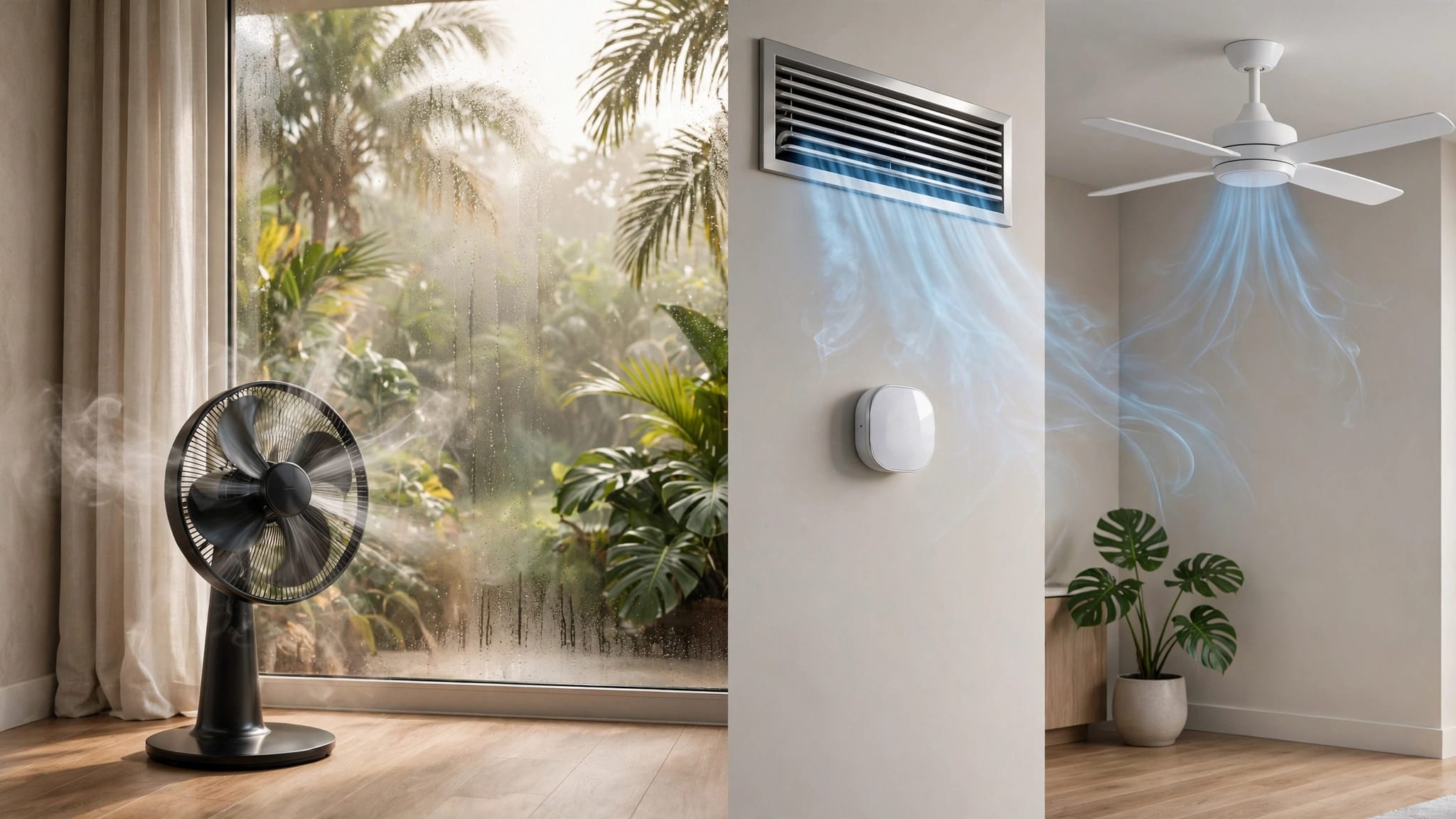
Your bedroom can feel warm at night even when the hallway thermostat says the house is cool. In homes with a central return vent, bedroom door airflow can help explain that difference.
Closing the door may interrupt the air's path back to the AC system, creating a pressure imbalance . However, duct leaks, blocked vents, and other problems can produce similar symptoms.
Start with how air enters and leaves the room before deciding whether the door needs an airflow solution.
Key Takeaways
- A closed bedroom door may restrict return airflow when the main return grille is outside the room.
- Warm bedrooms and whistling door gaps are clues, but they don't prove the door is the only problem.
- The right repair depends on measured airflow, room pressure, and the condition of the ductwork.
How Air Moves Through Your Bedroom
Your AC needs a complete circulation path. The supply vent delivers cooled air, while the return system pulls indoor air back to the air handler for cooling and dehumidification.
Supply vents deliver air to the room
The grille in your bedroom ceiling or wall usually connects to a supply duct. During cooling, the blower pushes conditioned air through that duct into the room.
Air delivery depends on the duct's size, condition, and connection to the system. A crushed flex duct or loose connection can limit airflow even when the door stays open.
Meanwhile, furniture or closed register louvers can obstruct air at the vent. That's why a room-level problem deserves more than a thermostat adjustment. Turning the temperature down doesn't repair an obstructed air path.
Return paths complete the circulation loop
Some bedrooms have a dedicated return grille. Others rely on a hallway return, with air traveling through the open doorway or another designed passage.
For the second layout, closing the door changes the available return path. The system still supplies air, but that air has fewer ways to leave.
Good residential ductwork design accounts for both supply delivery and return airflow. A bedroom supply vent alone doesn't tell you whether the room has a complete circulation path.
How Bedroom Door Airflow Affects Room Pressure

The door's effect depends on the room's return arrangement. A bedroom with an adequate dedicated return can behave differently from one that depends on a hallway grille.
Pressure can rise inside the bedroom
When supply air enters faster than it can leave, the room can develop positive pressure relative to the hallway. Air then pushes through available openings around the door or through other leakage paths.
That pressure difference can affect the amount of supply air entering the room. Meanwhile, the area containing the central return can become negatively pressurized relative to the bedroom.
These changes vary with blower operation, duct layout, and available openings. A closed door doesn't automatically create a serious problem, and temperature alone can't establish the pressure difference.
The gap beneath the door may be insufficient
A visible gap doesn't prove that the bedroom has enough return airflow. Its effectiveness depends on the available opening and the amount of air the room receives.
Carpet, rugs, or a door sweep can reduce that passage. Air moving through a restricted opening may also whistle.
A door gap can pass air and still be too restrictive for the room's supply airflow.
Don't assume trimming the door will solve the problem. A technician should evaluate the return path before recommending changes to the door or wall.
Why This Matters in Southwest Florida
In Fort Myers and surrounding Lee County communities, cooling problems often include a moisture complaint. A bedroom may feel sticky or uncomfortable even while the rest of the house feels acceptable.
Pressure differences can push indoor air out through leaks or draw outdoor air into negatively pressurized areas. In Southwest Florida, that incoming air can add heat and moisture to the home's cooling load.
However, the door isn't the only possible source. Return duct leaks can pull hot, humid attic air into the system. Supply leaks can waste conditioned air before it reaches the bedroom.
These are among the causes of weak AC airflow that deserve attention when one room struggles.
Watch for a pattern rather than one uncomfortable evening. A room that repeatedly changes when its door closes gives the technician useful information.
A stuffy room also doesn't automatically mean low refrigerant. Window exposure, insulation, duct restrictions, and equipment condition all affect comfort. The diagnosis should separate those causes instead of treating every warm bedroom as an AC equipment failure.
Safe Checks Before You Schedule Service
You can collect useful information without opening equipment panels or entering the attic. Keep the thermostat setting steady so adjustments don't confuse your comparison.
- Check visible obstructions. Keep supply registers open and move furniture, curtains, or rugs away from supply and return grilles.
- Compare door positions. During normal cooling, notice whether comfort or vent noise changes with the bedroom door open versus closed.
- Review the filter. Check its condition and follow the equipment manufacturer's replacement guidance.
These observations help narrow the problem, but they don't measure pressure or establish how much air the room needs.
Also, note when discomfort occurs. Afternoon sun, overnight occupancy, and the positions of other bedroom doors can change the conditions your technician needs to evaluate.
For additional safe homeowner AC maintenance, stay with accessible cleaning and visual checks. Leave electrical components, refrigerant lines, and sealed equipment to a professional.
Avoid closing other rooms' supply vents to force more air into the bedroom. That can affect system balance and airflow.
If the door-open comparison makes little difference, tell the technician. That result helps direct attention toward other causes rather than an unnecessary door modification.
How an HVAC Technician Finds the Cause
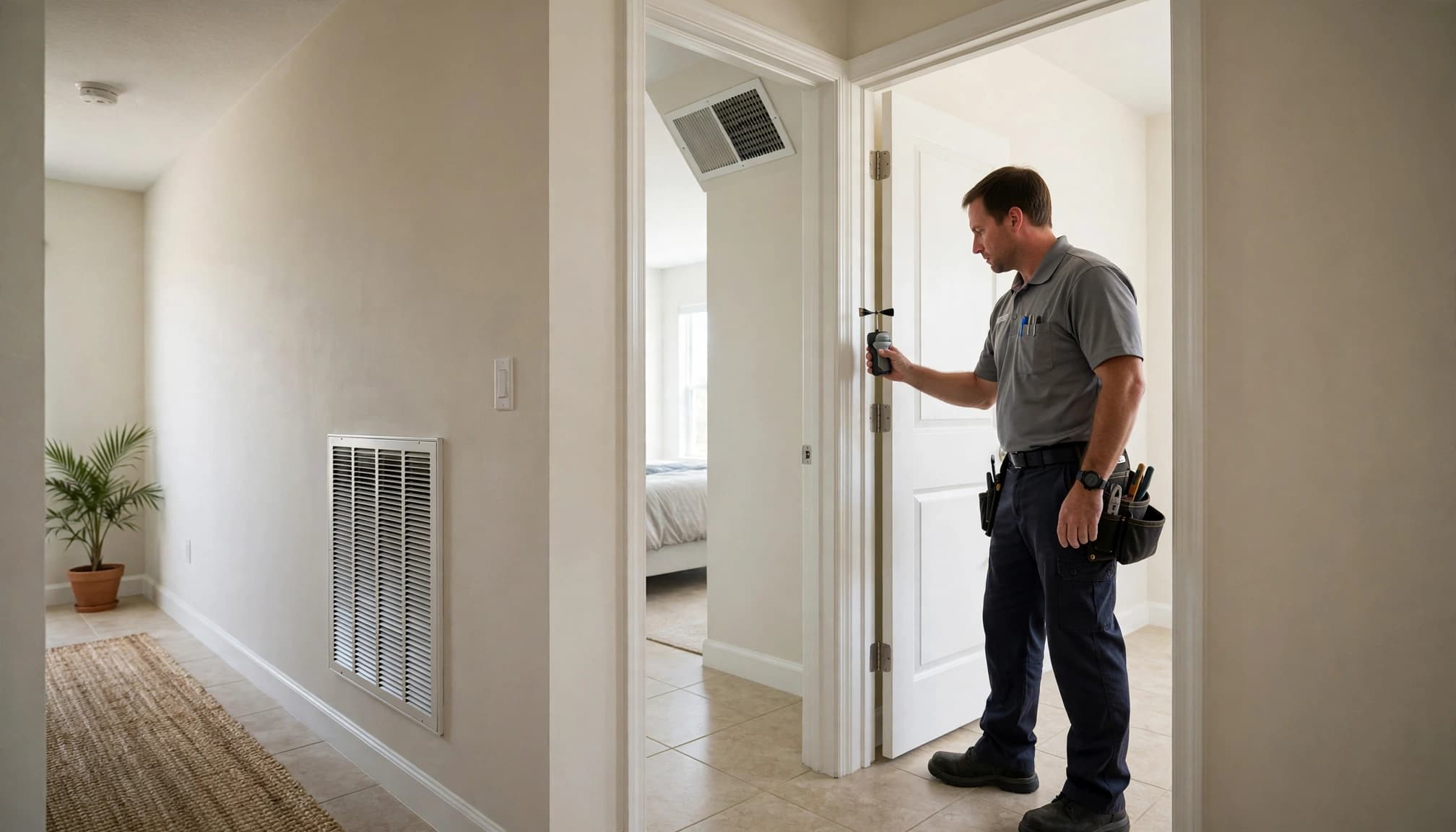
A useful inspection tests the room under the conditions that create the complaint. If you sleep with the bedroom door closed, that position belongs in the evaluation.
Compare airflow and pressure with the door closed
A technician can measure supply airflow and compare the bedroom's pressure with the hallway while the blower operates. Repeating the checks with the door open helps show whether the doorway changes system performance.
Airflow measurements describe how much air reaches the room. Pressure measurements show whether air has difficulty leaving it.
Professional HVAC air balancing connects these readings to the equipment, ductwork, and room layout. That gives the technician a basis for recommendations beyond how strong the air feels against a hand.
Check for competing equipment and duct problems
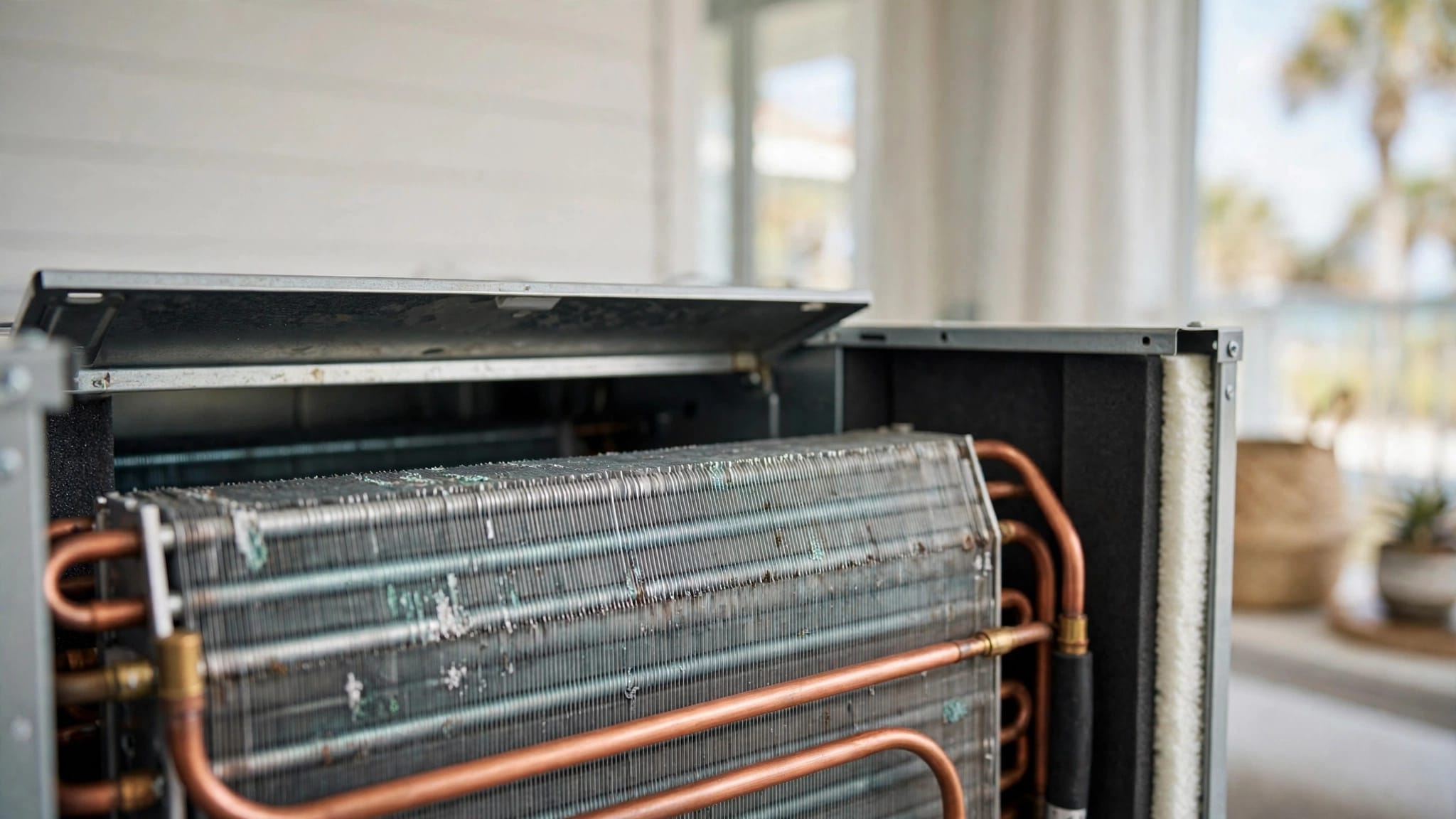
The technician should also inspect the filter, blower operation, and accessible duct connections. A dirty coil, damaged duct, or restriction may need attention before balancing can work.
When leakage is suspected, duct leakage testing in Fort Myers can help evaluate whether air escapes through the duct system.
A door-related pressure issue and a duct defect can exist together. Therefore, improving the return path may address only part of the complaint. Ask which measurements support each proposed repair.
Ways to Improve Airflow With the Door Closed
You shouldn't have to give up bedroom privacy to maintain comfortable cooling. The practical goal is an adequate return path while the door remains in its normal position.
Add or improve the return-air passage
Depending on the home's layout, a contractor may recommend a transfer grille, a jump duct, or a dedicated return duct.
A transfer grille allows air to pass between spaces through a designed opening. A jump duct connects the bedroom and another space through ductwork, often above the ceiling.
A dedicated return provides a direct route into the return system. However, each option needs appropriate sizing and placement.
Sound transmission, privacy, available space, and installation access also affect the choice. The best fit comes from the room's measured needs and the building layout.
Repair restrictions before changing equipment
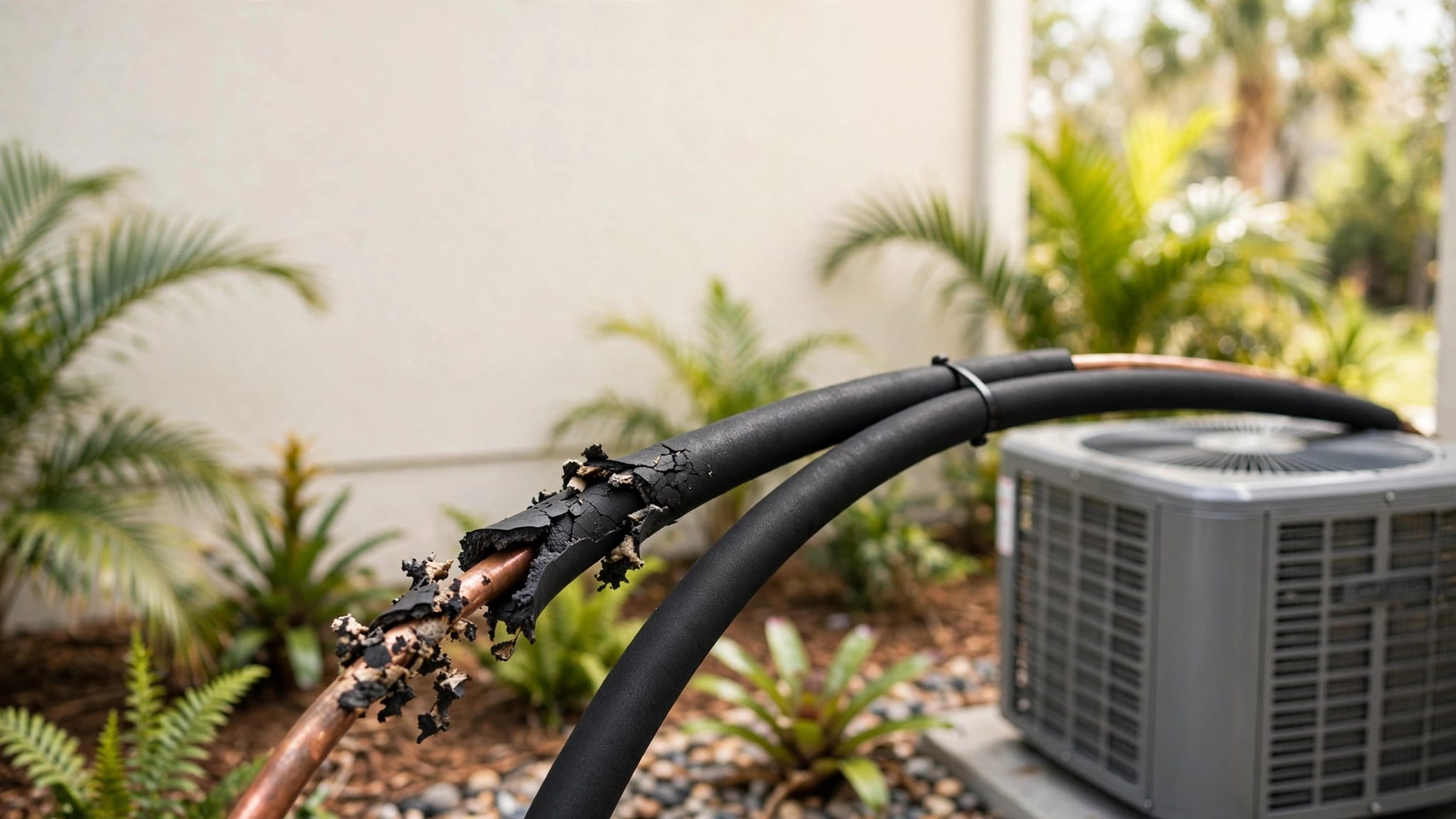
If a damaged supply duct limits delivery, adding a return passage won't repair that damage. Likewise, correcting a return path won't clean a dirty coil or seal leaking ducts.
The repair plan should address confirmed defects first. Afterward, the technician can recheck airflow and pressure with the bedroom door closed.
Installing a larger AC system doesn't correct a missing return path. Before approving equipment replacement for a warm bedroom, ask whether the inspection identified an equipment problem or an air-distribution problem.
Costs vary with access, duct routing, and the repair scope. Request a written explanation of the work rather than comparing estimates by price alone.
Frequently Asked Questions
Should I leave my bedroom door open for better cooling?
An open door may improve circulation if the room depends on a hallway return. However, needing to leave it open suggests the closed-door return path deserves evaluation.
Use the open-door comparison as a diagnostic clue. A properly planned correction should account for how you normally use the room.
Does closing the door stop the AC supply vent?
The supply vent can continue delivering air with the door closed. The concern is whether that air can leave the room easily enough to complete the circulation loop.
In some layouts, restricted return airflow changes room pressure and affects supply delivery. A bedroom with an adequate return path may experience little change.
Is a warm bedroom always an airflow problem?
No. Sun exposure, insulation, duct leakage, and equipment faults can also affect temperature.
If opening the door consistently improves comfort, share that observation with your technician. It supports checking the return path, but it doesn't rule out other problems or prove that a door modification is necessary.
Restore Comfort With a Complete Air Path
A bedroom door can affect cooling when it interrupts the air's route back to the return system. The useful next step is measured diagnosis , followed by a repair that matches the actual restriction.
For a bedroom that feels warmer or stickier with the door closed, Schedule an Estimate with Valor Heating & Cooling. A complete airflow evaluation can help you keep the door closed without guessing at the repair.
Recent Posts