What 2025 Refrigerant Changes Mean for Fort Myers Homeowners
The 2025 refrigerant changes did not make every old air conditioner obsolete. They did change what goes into new systems, and that affects repair choices, replacement quotes, and long-term service plans for Fort Myers homes.
If your AC is still running, you probably do not need to panic. If it is older, leaking, or struggling in the Florida heat, the new refrigerant rules can shape what makes sense next. The details matter most when you start comparing repair costs with a new installation.
What changed with the 2025 refrigerant rule
The big shift is simple. New residential HVAC systems sold and manufactured under the 2025 rule must use refrigerants with a lower climate impact, not R-410A. In this category, the main options are R-454B and R-32, both in the A2L class. That means they are mildly flammable and need equipment built for them.
A quick comparison helps.
| Refrigerant | What homeowners should know |
|---|---|
| R-410A | Common in older systems. Existing units can keep running and be serviced. |
| R-454B | One of the main refrigerants in new systems. Needs equipment designed for it. |
| R-32 | Another common new option. Also A2L, so new installs follow added safety rules. |
The important part is this: the rule changes what gets installed next, not what already sits on your pad or in your attic. Your current system does not become illegal just because the marketplace moved on. A working unit can still cool your home until it wears out or needs a repair that no longer makes sense.
The reason the industry moved is simple too. GWP, short for global warming potential, measures how much a refrigerant affects the climate. The new rules push manufacturers toward lower-GWP options, so the next generation of equipment is built differently from the systems many Fort Myers homes already use.
A working R-410A system is still legal and serviceable. The main change is in new equipment, not the one already cooling your house.
Why the shift matters more in Southwest Florida
Southwest Florida homes lean hard on air conditioning. When a system fails here, the timing matters more than the calendar. A small repair in March can feel manageable. The same problem in July can turn into an urgent decision.
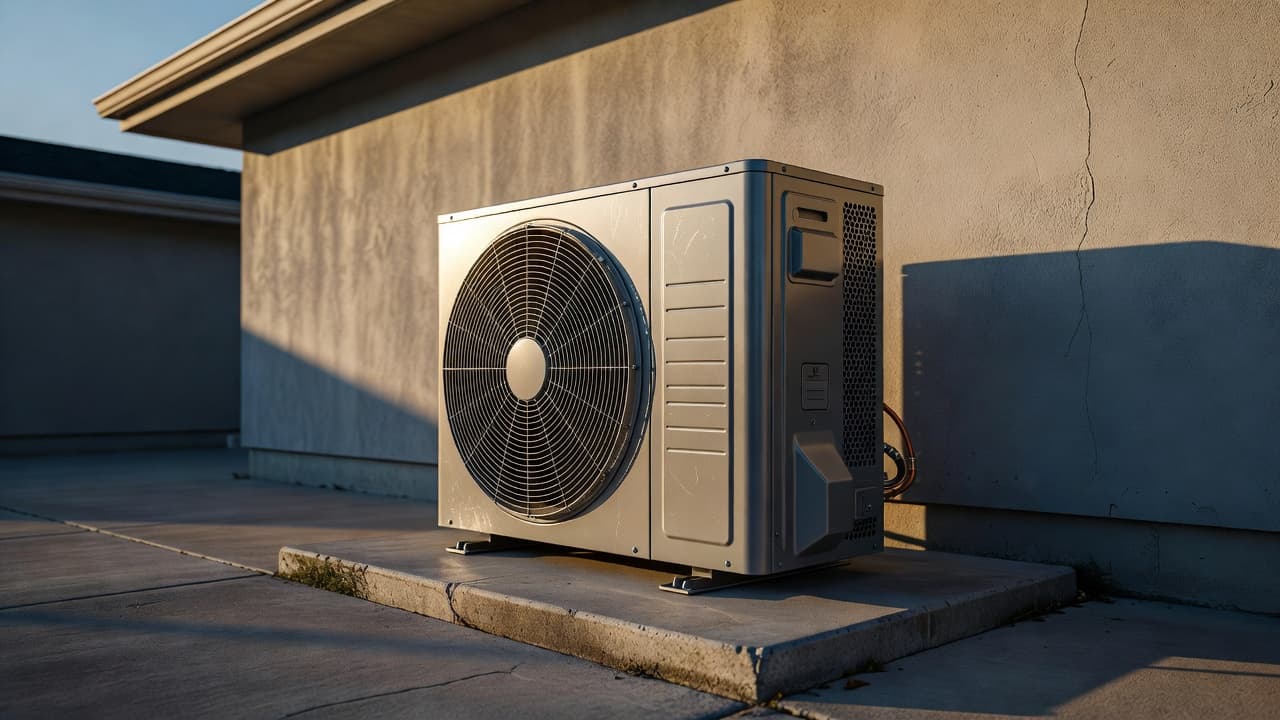
That shift shows up most when a system is nearing retirement. New systems may cost more up front because manufacturers redesigned the equipment and contractors need the right training and tools. That does not mean the new systems are bad. It means the industry had to build around a different refrigerant.
For Fort Myers homeowners, the real question is timing. If your current unit is still dependable, there is no rush. If it is already nearing the end of its life, the new refrigerant market can change the price and the options on the table. Planning earlier gives you more control, and it helps you avoid the pressure that comes with a no-cool call on the hottest week of the year.
Repair, replace, or wait
A refrigerant rule does not force a replacement. It does, however, change how you think about a major repair. If your system still cools well and the issue is small, repair usually makes sense. If the system is older and the fix is large, a replacement quote deserves a closer look.
A professional HVAC repair and inspection can help you sort out the difference. A good technician should tell you what failed, what it will cost to fix, and how long that fix is likely to last.
That matters because a major repair on an older R-410A system does not reset the clock. If the compressor, coil, or refrigerant circuit is already worn out, you may spend more now and still face another breakdown soon.
Here are the situations that usually deserve a replacement comparison:
- The system has needed repeated repairs in the last few seasons.
- The home still has hot spots after routine service.
- The repair quote is close to the value of the system.
- The unit is aging and starting to lose cooling power.
If that list sounds familiar, compare both paths before you decide. If you are already seeing repeated leaks, weak airflow, uneven cooling, or rising electric bills, it may be time to move forward with a replacement estimate. If that is where you are, Schedule an Estimate before the next stretch of heavy heat makes the decision harder.
What a new installation now involves
New refrigerant rules affect installation as much as equipment choice. The new systems are built for A2L refrigerants, so installers must follow different handling steps and safety practices. That includes using approved parts, checking the system carefully, and making sure the refrigerant charge is correct.
It also means you should expect a clearer conversation during the estimate. Ask which refrigerant the system uses, what safety features are built in, and how the warranty works. A clean installation matters as much as the brand name on the outdoor unit.
If you want to compare your options side by side, you can explore our full range of HVAC services and see how installation, repair, and maintenance fit together. That helps when you are weighing a simple fix against a full system swap.
The job is not only about putting in a new box. It is about choosing equipment that matches your home, your budget, and the new refrigerant standard. It also means matching the system to your ductwork and airflow needs, because even a newer unit can underperform if the setup is off.
Comfort, efficiency, and service over time
A new refrigerant does not automatically mean lower bills. Efficiency still depends on the full system, the ductwork, the size of the unit, and the quality of the install. A well-sized system that is set up correctly can cool better and hold humidity in check. A poor install can waste that advantage fast.
That is why homeowners should pay attention to long-term serviceability. You want a system that local technicians can support for years, with parts, training, and tools that are already in place. In Fort Myers, where AC runs hard for much of the year, service support matters almost as much as the sticker price.
Regular maintenance still matters too. Tune-ups help spot leaks, dirty coils, weak capacitors, and airflow problems before they turn into major repairs. For new refrigerant systems, that kind of upkeep keeps the equipment working the way it should.
If you are comparing models, ask about more than refrigerant. Ask about humidity control, sound level, and warranty coverage. A system that fits your home well usually feels better day after day than one chosen only because it looks good on paper.
Conclusion
The 2025 refrigerant changes are important, but they are not a reason to panic. Existing R-410A systems can keep running, and homeowners do not need to replace a working unit just because the rules changed.
What did change is the way you should think about your next repair or replacement. If your system is aging, unreliable, or expensive to fix, the new refrigerant market affects pricing, installation, and how long that new equipment will stay supported. The smartest move is to compare your options before the old system gives you no choice.
FAQ
Are existing R-410A systems illegal now?
No. Working R-410A systems are still legal to use and service. The rule change mainly affects new equipment sold and manufactured under the 2025 standard.
Do I have to replace my current AC?
No, not unless it has failed or needs a repair that no longer makes financial sense. If your system still cools your home well, you can keep using it.
Are the new refrigerants safe?
Yes, when they are installed and serviced correctly. R-454B and R-32 are mildly flammable, so they need equipment and handling designed for that class. That is why trained installation matters so much.
Will a new system use less energy?
It can, but the refrigerant alone does not decide that. The system size, ductwork, installation quality, and maintenance all play a big part in how much energy your AC uses.
Recent Posts