What Happens During an AC Diagnostic Visit?
When your air conditioner blows warm air, leaks water, or shuts off without warning, guessing rarely fixes the problem. An AC diagnostic visit gives a qualified HVAC technician the time and tools to identify the cause before anyone recommends a repair.
The appointment may end with a repair plan rather than a completed repair. Understanding each step helps you prepare, ask better questions, and avoid unsafe electrical or refrigerant work inside your home.
Key Takeaways
- An AC diagnostic visit identifies the source of a cooling problem, but it may not include the repair.
- The technician reviews your symptoms, inspects indoor and outdoor components, and tests system performance.
- Electrical, refrigerant, airflow, drainage, and thermostat problems can create similar symptoms.
- Ask about the diagnostic fee, repair cost, parts, warranties, and whether the fee applies to approved work.
- Turn off a malfunctioning system if you smell burning, see smoke, or notice serious electrical damage.
What to Expect During an AC Diagnostic Visit
The appointment usually begins with a conversation about what you have noticed. The technician may ask when the problem started, whether the system works at certain times, and whether you have seen water, ice, unusual sounds, or rising energy bills.
Share any details you have, even if they seem minor. A rattling sound during startup can point to a different issue than a constant hum. Warm air from one room may suggest an airflow problem, while warm air from every vent may involve the outdoor unit, compressor, refrigerant charge, or controls.
Next, the technician checks the thermostat and confirms the system's basic operating sequence. They may adjust the setting, inspect the display, verify the mode, and see whether the indoor blower and outdoor equipment respond correctly.
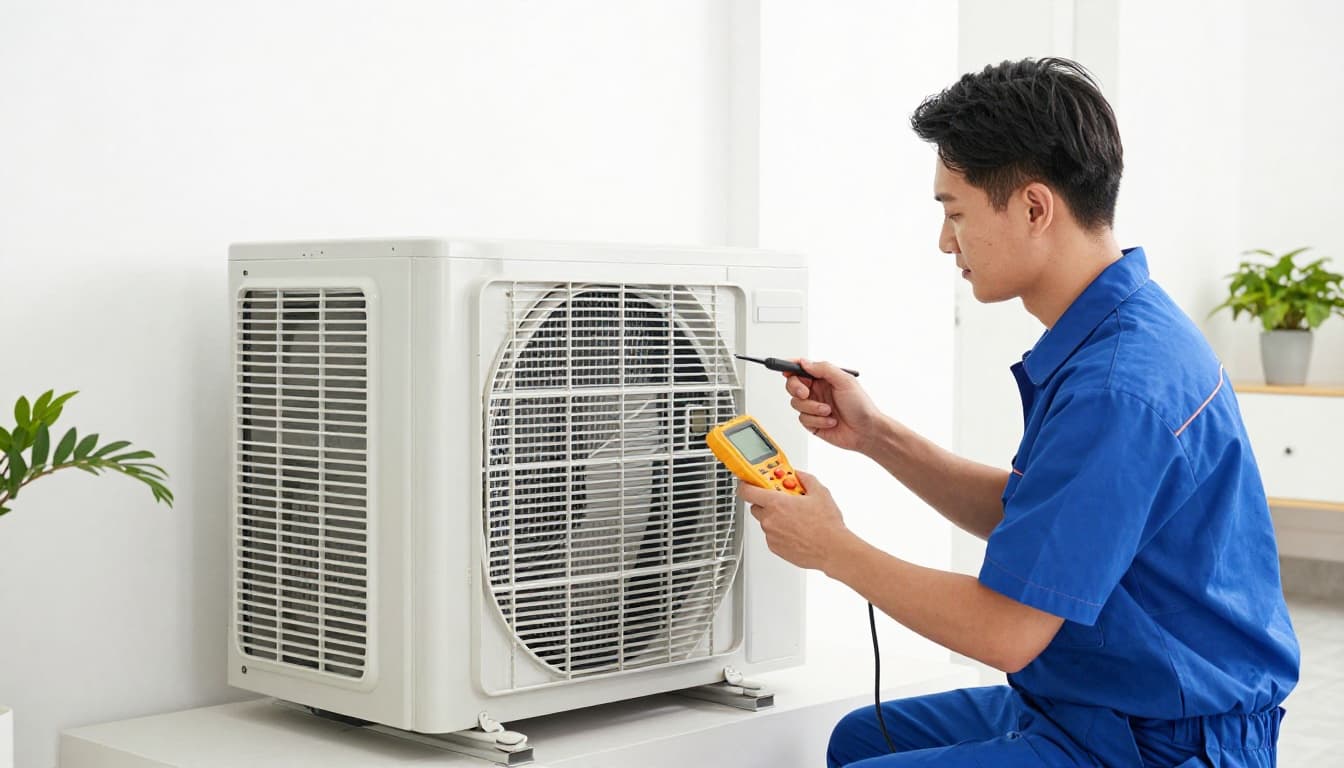
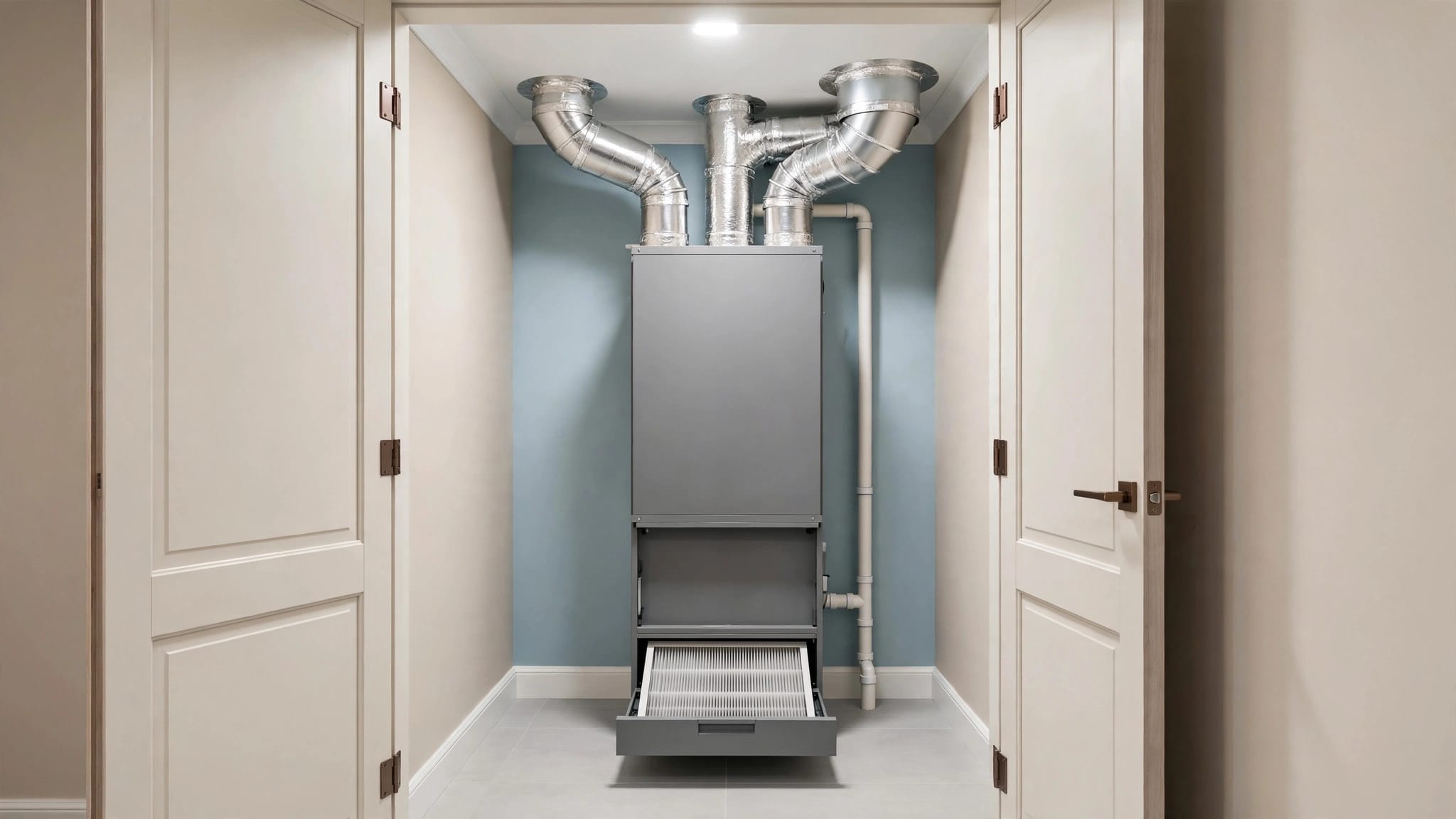
The inspection then moves through the air handler, duct connections, electrical components, condensate drain, outdoor condenser, and refrigerant circuit. The goal is to collect evidence instead of replacing parts based on a symptom alone.
A professional should explain what they find in plain language. You should also receive a clear separation between the diagnostic charge and any proposed repair. Finding the fault and correcting it are often two different parts of the service call.
For homeowners in Fort Myers, Cape Coral, and nearby Lee County communities, the heat and humidity can make a failed system urgent. If you need help with a cooling failure, you can review Valor Heating & Cooling's HVAC system diagnostics service before booking an appointment.
How a Technician Tests the Air Conditioning System
A diagnostic visit is more than listening for a strange sound or looking for an obvious leak. The technician compares measured conditions with the system's expected operation.
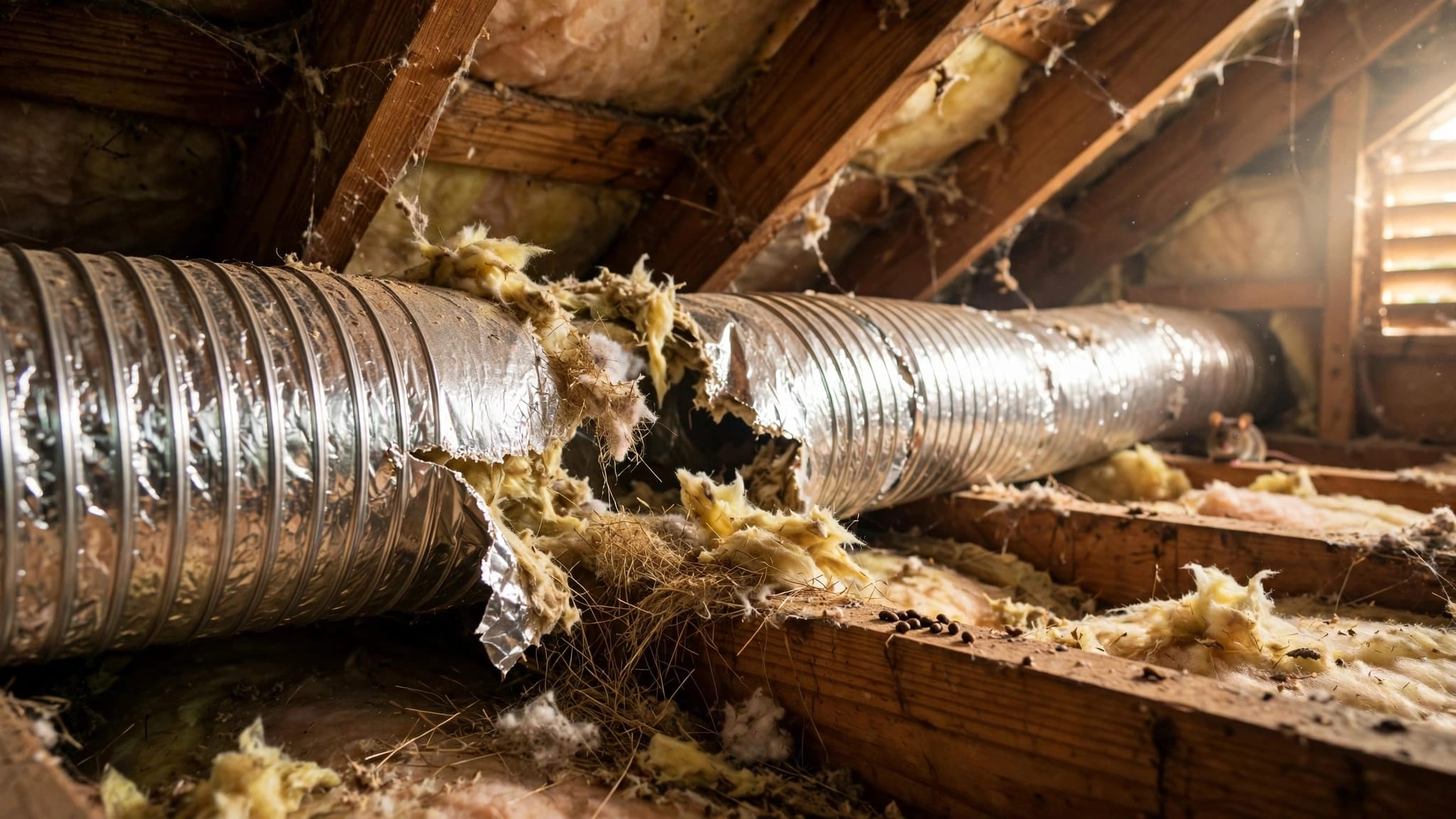
First, they evaluate airflow. A clogged filter, dirty evaporator coil, closed supply register, crushed duct, or failing blower motor can reduce the amount of air moving through the home. Poor airflow can also cause the evaporator coil to freeze, which may lead to water around the indoor unit after the ice melts.
The technician may measure temperature at the return and supply sides of the system. This helps show whether the equipment is removing heat effectively. The reading does not identify every problem by itself, but it gives the technician useful information when combined with pressure, electrical, and airflow tests.
Electrical testing is another major part of the visit. The technician can inspect wiring, terminals, capacitors, contactors, disconnects, breakers, and control boards. A weak capacitor may cause a motor to struggle or prevent the outdoor unit from starting. Loose wiring or a damaged contactor can create an intermittent problem.
Refrigerant testing requires proper gauges and safe handling. Low refrigerant can result from a leak, not normal system operation. A responsible technician should look for the source rather than repeatedly adding refrigerant without addressing the cause. Refrigerant recovery, charging, and leak-related work require the right equipment and an EPA Section 608-certified professional.
Drainage also matters in Southwest Florida. Air conditioners remove moisture as they cool indoor air. That water should flow through the condensate line and drain safely. Algae, debris, or a blocked drain can trigger a float switch, shut down the system, or cause water damage near the air handler.
Common Problems an AC Diagnostic Can Reveal
Several faults can produce the same complaint, such as "the AC is running but the house is still warm." Testing separates those possibilities.
A dirty filter is one of the simplest causes. It restricts airflow and forces the system to work harder. However, replacing the filter alone won't solve the problem if the blower, coil, ductwork, or refrigerant circuit is also affected.
Thermostat issues can cause short cycling, no cooling, or inconsistent room temperatures. The problem may involve incorrect settings, a weak battery, a faulty sensor, damaged wiring, or poor thermostat placement. A technician checks the control signal rather than assuming the thermostat needs replacement.
Outdoor equipment can fail because of a bad capacitor, contactor, fan motor, compressor, electrical connection, or control issue. In coastal areas, salt air and moisture can speed corrosion on exposed outdoor components. Regular maintenance can help identify deterioration before it causes a complete shutdown.
A frozen indoor coil often points to restricted airflow or an incorrect refrigerant charge. Running the system while the coil is frozen can worsen the problem. The technician may need to let the ice thaw before completing certain tests.
Water near the air handler usually requires attention to the drain pan, condensate line, float switch, or pump. A clogged drain can appear to be a major AC failure because the safety switch turns the system off. Clearing the blockage may restore operation, but the technician should still check why the drainage problem occurred.
Compressor problems deserve careful evaluation because replacement can be expensive. The technician may test voltage, amperage, starting behavior, pressure readings, and signs of overheating. Those results help determine whether a repair is practical or whether replacement should be considered.
What Happens After the Diagnosis?
After testing, the technician should explain the actual cause, the condition of related parts, and the available options. Ask for the diagnosis in writing if the repair involves significant cost or multiple components.
A useful repair explanation should include:
- The failed or damaged part
- The work needed to correct the issue
- Any parts and labor included
- The expected warranty
- The total price before work begins
- Whether additional problems could appear after the repair
Some repairs are straightforward. A failed capacitor, clogged drain, or damaged contactor may take less time than a refrigerant leak search, compressor issue, or duct repair. The time required depends on equipment access, part availability, system age, and the complexity of the fault.
The diagnostic fee may be separate from repair charges. Some companies apply that fee toward approved work, while others charge it for the technician's testing time regardless of the final decision. Ask about the policy when you schedule the appointment.
You don't have to approve a repair immediately unless the situation creates an active safety risk. A trustworthy technician should give you enough information to compare the repair with the system's age, service history, efficiency, and expected remaining life.
If the unit has repeated failures or needs a major component, replacement may make more financial sense. When that happens, request a written estimate that shows equipment efficiency, installation work, warranty coverage, and any changes required for the home's ductwork or electrical service. You can Schedule an Estimate if replacement becomes part of the discussion.
How to Prepare for the Technician's Visit
A little preparation can make the appointment more useful. Keep the thermostat accessible, clear items away from the indoor air handler, and make sure the technician can reach the outdoor condenser. If gates are locked or pets need separation, arrange access before the appointment.
Write down the symptoms and timing. Include details such as:
- The rooms that feel warm
- When the system last cooled normally
- Any breaker trips
- Water or ice around the equipment
- Strange smells or sounds
- Recent filter changes or maintenance
- Previous repairs and error codes
Avoid trying to diagnose the system by opening electrical panels or removing refrigerant lines. Even after the thermostat is off, some components can hold dangerous voltage. Refrigerant can cause cold burns, eye injuries, or other harm when handled incorrectly, and releasing it is not an appropriate do-it-yourself task.
Turn the system off and seek urgent help if you smell burning insulation, see smoke, hear loud electrical buzzing, or find active water damage near electrical equipment. In Southwest Florida, a failed AC can become a serious comfort and health concern during extreme heat. For a complete loss of cooling after normal business hours, 24/7 air conditioner repair may be appropriate.
How Long Does an AC Diagnostic Visit Take?
The length of an AC diagnostic visit depends on the symptom and the equipment. A simple thermostat or drain issue may require less testing than a system with intermittent shutdowns, a suspected refrigerant leak, or multiple performance problems.
A careful technician shouldn't rush through measurements just to offer a quick guess. The visit may include visual inspection, operational testing, electrical checks, airflow measurements, refrigerant diagnostics, and a review of the findings with you.
The final price also varies by company, system type, time of day, and location. Emergency appointments may have different charges than scheduled daytime visits. Before the technician arrives, confirm the diagnostic fee, payment terms, and whether the fee applies to repair work.
You can also ask whether the technician is qualified to handle your system and refrigerant type. NATE credentials and EPA Section 608 certification are useful qualifications to look for, especially when the visit may involve electrical components or refrigerant.
A strong service visit leaves you with answers, even if you decide to postpone the repair. You should know what failed, what could happen if you wait, and which option fits the condition of your equipment.
Conclusion
An AC diagnostic visit follows a practical process: the technician listens to your symptoms, tests the system, checks safety-related components, and identifies the source of the failure. The visit may end with a repair recommendation rather than immediate repairs, so confirm pricing and scope before approving additional work.
Warm air, water, ice, and unusual noises can come from several different faults. A qualified HVAC professional can separate those causes safely and help you choose between repair and replacement based on evidence, not guesswork.
Recent Posts