
What Is a Building Automation System for Commercial HVAC?
A building automation system controls and monitors HVAC equipment across a commercial property. It uses sensors, controllers, and programmed settings to manage cooling, heating, and ventilation.
For Southwest Florida businesses, that can mean better control over comfort and indoor humidity . The value depends on the equipment, building layout, and how the controls are set up. Here's how the system works in practice.
How a Building Automation System Works
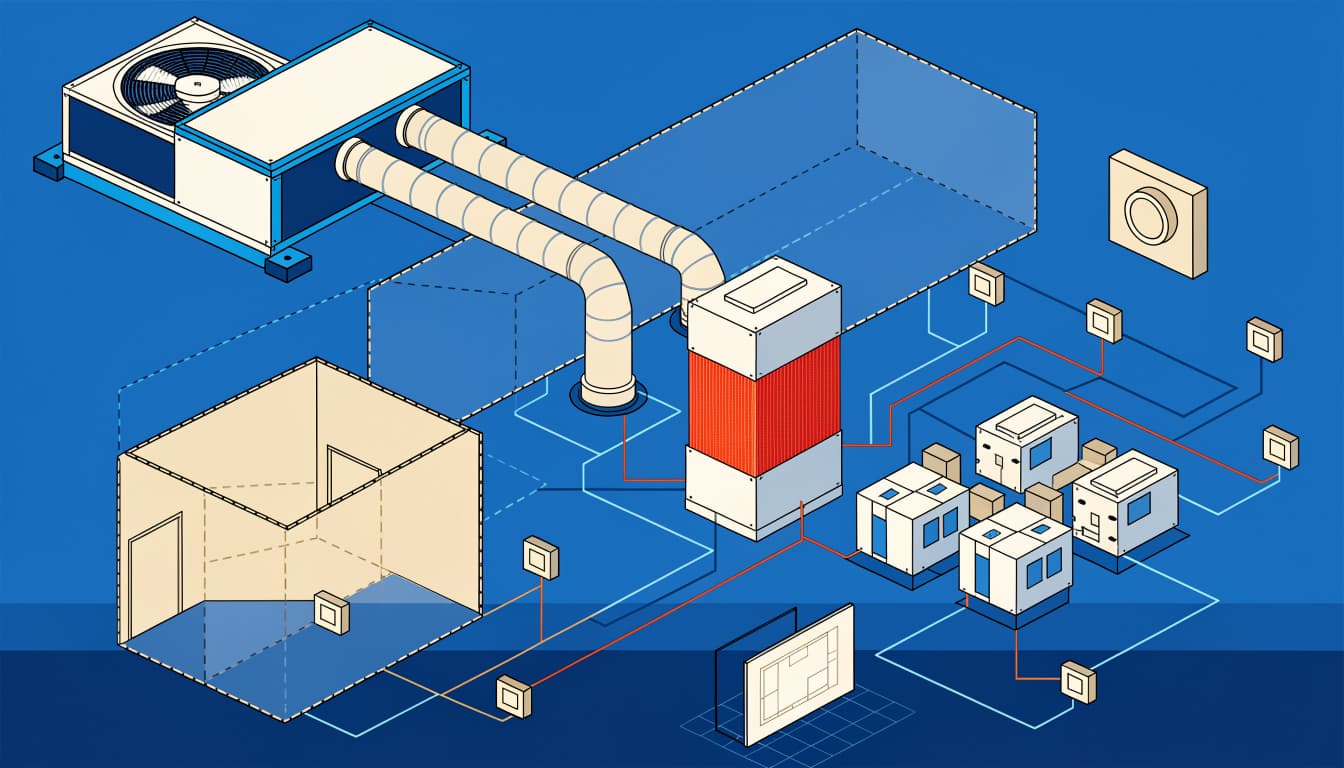
A building automation system, often called a BAS, connects HVAC equipment to controls that follow a programmed operating sequence. The system gathers readings, compares them with settings, and sends commands to equipment.
Sensors and Controllers
Sensors measure conditions such as room temperature, humidity, or duct temperature. A controller uses those readings along with setpoints and schedules to decide what should happen next.
Sensor placement matters. A temperature sensor beside an exterior door or supply vent may not reflect conditions in the rest of the room. If its reading is misleading, the controller may run equipment at the wrong time.
Equipment and Operator Interface
The controller can send commands to devices such as fans, dampers, valves, and cooling equipment. For example, it may start a fan when a zone needs cooling or adjust a damper according to the ventilation sequence.
An operator interface gives facilities staff a place to view readings and adjust permitted settings. The equipment involved depends on the building. Our comparison of rooftop and split HVAC systems explains two common options for small businesses.
How a BAS Differs From a Basic Thermostat
A basic thermostat measures temperature in one location and calls for heating or cooling when needed. It may also let you set a schedule, but its view is generally limited to the equipment and space it controls.
A building automation system can coordinate multiple pieces of equipment and zones. It may use humidity readings, occupancy schedules, and outdoor-air controls alongside temperature settings.
A smart thermostat can also offer scheduling and other advanced functions, so the distinction isn't always about one feature. The bigger difference is the scope of control : a BAS can bring several HVAC functions together for a larger building.
A Simple Example in an Office Building
Consider an office with separate conference rooms and a shared work area. Each area has a temperature sensor, and the building automation system controls the air-handling equipment serving those spaces.
Before employees arrive, the system follows the occupied schedule and starts the equipment according to its programmed sequence. If a conference room gets warmer during a meeting, the controller can respond by adjusting the equipment or zone damper, if the system is designed for that control.
After the office closes, the BAS can follow an unoccupied schedule instead of maintaining the same conditions used during business hours. Ventilation and humidity settings still need to suit the building and its use.
The BAS can only direct equipment within its design. A closed damper, damaged duct, or poorly placed sensor can still leave a room uncomfortable.
Common HVAC Integrations
The connections in a BAS depend on what the building needs and what controls are installed. Many systems coordinate several HVAC functions rather than operating each piece of equipment independently.
Cooling, Heating, and Airflow
A BAS can coordinate air handlers, rooftop units, fans, and dampers. In a building with a central plant, it may also control equipment such as chillers and pumps.
Controls can direct airflow to different zones where the duct system and equipment support it. However, a control setting can't repair an undersized duct or correct a blocked return grille.
Ventilation and Humidity Controls
A BAS may control an outdoor-air damper or use a humidity sensor as part of the HVAC sequence. Some buildings also use carbon dioxide sensors to inform demand-control ventilation.
CO2 readings can help identify ventilation patterns, but they aren't a complete measure of indoor air quality. Our commercial office air quality checklist covers ventilation, filters, and other conditions that deserve attention.
Benefits for Building Operators
A building automation system gives operators a central way to manage connected HVAC equipment. Schedules can match business hours, which helps avoid cooling empty areas as though they're occupied.
Separate zone controls can also address different uses within a building. A busy meeting room may need a different response than an empty office, provided the HVAC system was designed to control those areas separately.
In Southwest Florida, visibility into temperature and humidity can help staff recognize conditions that need attention. That matters during long, humid cooling seasons, when comfortable temperatures alone don't tell the whole story.
Controls Still Need Maintenance
Automation depends on accurate sensors and equipment that responds to commands. A BAS may call for an outdoor-air damper to open, for example, but a stuck linkage can prevent the damper from moving.
Facilities staff can review schedules and look for unexplained overrides. During service, an HVAC technician can compare sensor readings with room conditions and test controls, dampers, and other components.
Persistent humidity, water near equipment, or repeated comfort complaints deserve a closer look. A controls issue is one possibility, but dirty coils, drainage problems, and airflow restrictions can also affect performance. Our commercial HVAC maintenance checklist covers routine equipment care.
Choosing Controls That Fit Your Building
A building automation system gives you a way to coordinate HVAC equipment around your building's needs. Its usefulness comes down to sound equipment, accurate readings, and settings that match how people use the space.
If you're considering HVAC work for your Southwest Florida business, you can Schedule an Estimate with our team. We can discuss the equipment and comfort concerns at your property.
Recent Posts