What SEER2 Ratings Mean for Fort Myers AC Replacement
A high AC rating looks good on paper, but it does not tell the whole story for a Fort Myers home. When your system has to fight heat, humidity, and long cooling seasons, the number on the label matters in a different way.
SEER2 is the rating that now matters for new equipment. It helps you compare efficiency, but it should never be the only thing you look at during an AC replacement.
How SEER2 works in plain English
SEER2 is a seasonal efficiency rating. It shows how much cooling an air conditioner can provide over a cooling season compared with the electricity it uses.
The easiest way to read it is simple: a higher number usually means better efficiency. That can matter a lot in Southwest Florida, where your AC works hard for much of the year.
The big change is how the rating is tested. SEER2 uses stricter testing than the old SEER label. The new test accounts for more real-world resistance in the system, including airflow pressure and ductwork.
That matters because a home is not a lab. Air has to move through ducts, around bends, and past filters. The new rating is closer to what your equipment faces after installation.
Here is a quick side-by-side look.
| Rating | What it means | What Fort Myers homeowners should know |
|---|---|---|
| SEER | Older efficiency standard | Used on older equipment labels and older quotes |
| SEER2 | Newer efficiency standard | Used on current replacement equipment |
| Higher number | Better seasonal efficiency | Can lower operating costs over time, depending on the full system |
A unit with a higher SEER2 rating is not automatically the best choice for every house. It is one part of the decision, not the whole thing.
A high SEER2 number helps, but it cannot fix poor sizing, weak ducts, or sloppy installation.
That is why replacement conversations should focus on the whole system, not just the box.
SEER vs. SEER2, what changed for Florida homes
The old SEER label is still easy to find in older research, old equipment documents, and online reviews. However, new equipment made for our region now uses SEER2.
For homeowners in Fort Myers, that means two important things. First, you need to compare new systems using SEER2, not old SEER. Second, a SEER2 number will usually look lower than the old SEER number for a similar unit.
That lower number does not mean the unit is worse. It means the test is stricter.
A 14 SEER2 unit is not the same as a 14 SEER unit. If you compare them as if they are equal, you will get the wrong idea about efficiency.
For the U.S. South, current rules also require new AC equipment to meet minimum SEER2 levels. Since Fort Myers sits right in that hot, humid zone, the rating matters during a replacement conversation.
A better way to think about it is this. SEER was the old road map. SEER2 is the current one.
A homeowner replacing an older system should also look at the rest of the proposal. If one quote includes better airflow work, better duct checks, or proper sizing, that may matter more than a slightly higher number on the label.
If you want a full replacement plan that looks at the system as a whole, heating and cooling services should include more than equipment selection.
Why Fort Myers heat and humidity change the equation
Fort Myers homes deal with more than heat. They also deal with sticky air, long cooling hours, and heavy use. That combination puts a lot of pressure on an AC system.
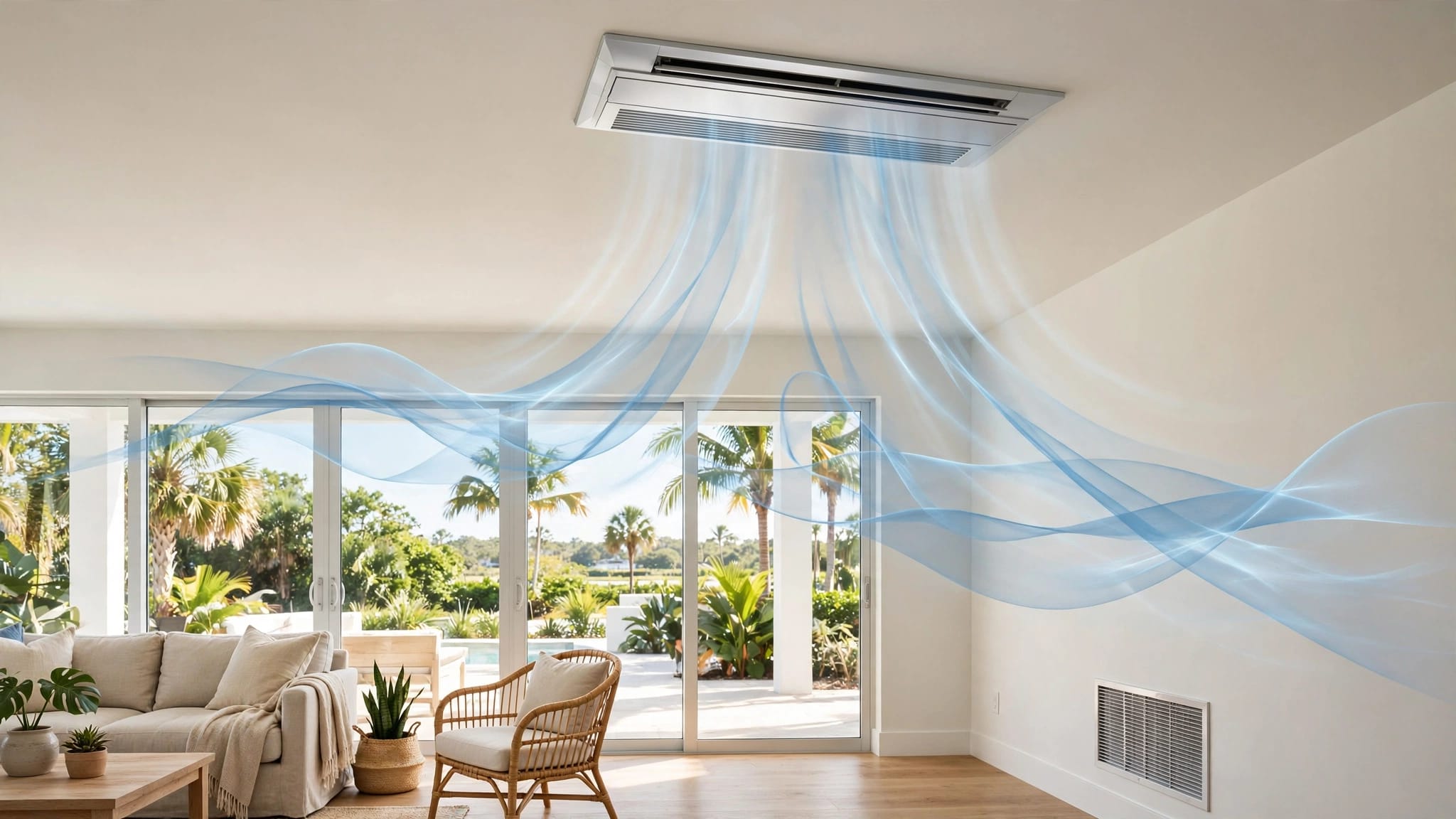
Because of that, a replacement has to do two jobs well. It needs to cool the house, and it needs to manage humidity. A system that cools quickly but shuts off too soon can leave the home feeling clammy.
That is where sizing comes in. An oversized unit can cool the air fast, but it may not run long enough to pull enough moisture out of the house. A properly sized system often gives better comfort because it runs longer and more steadily.
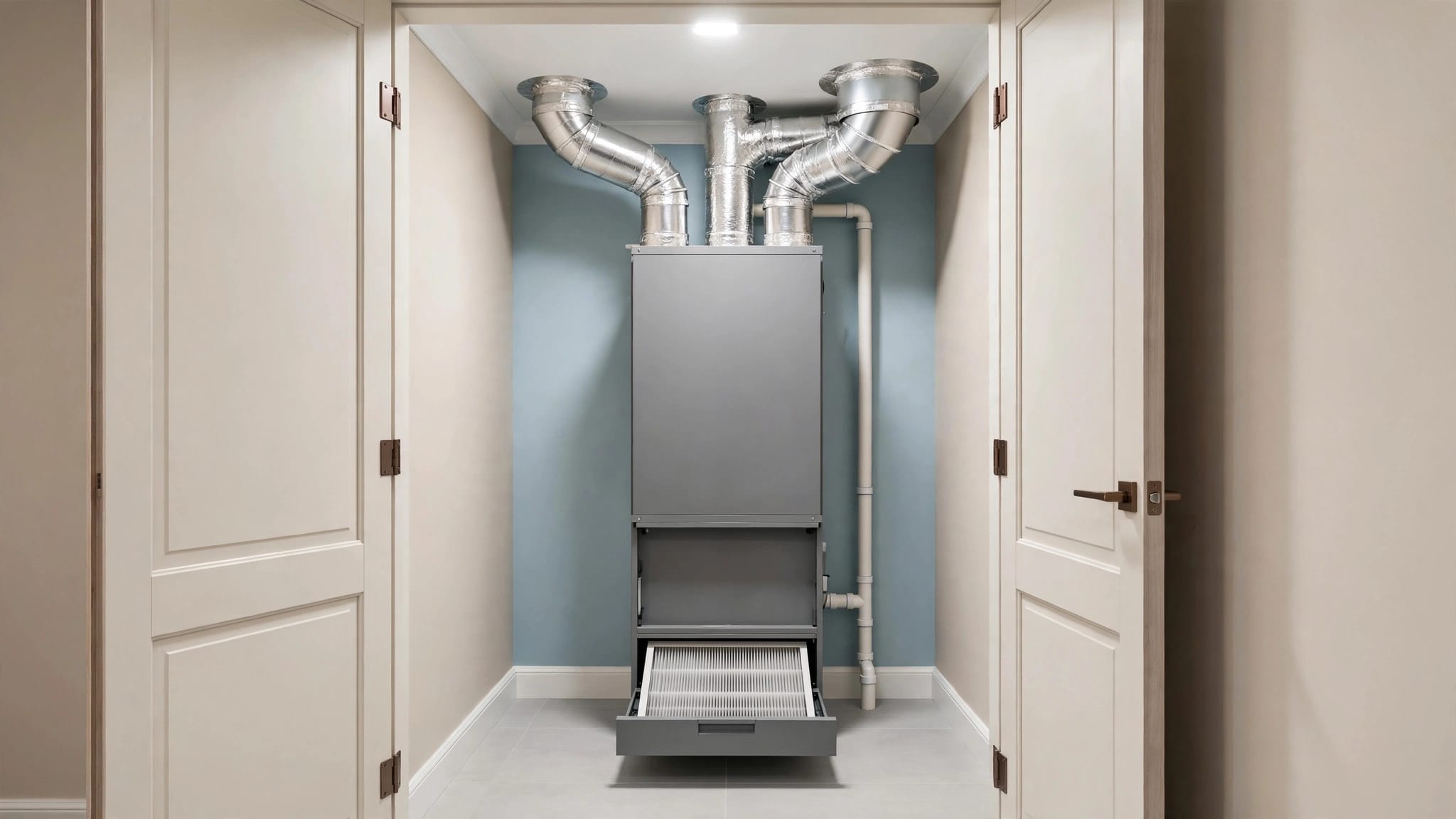
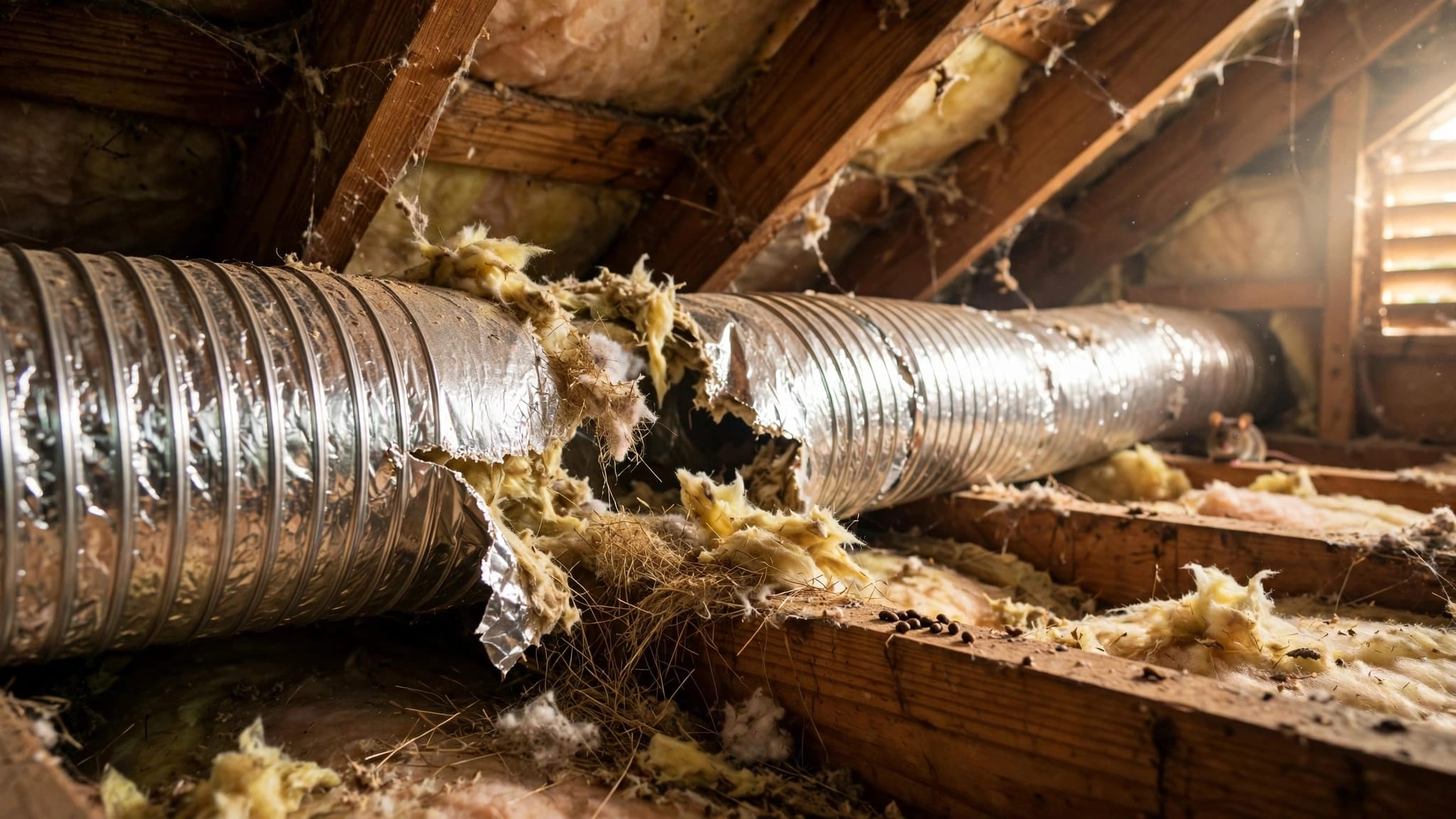
Ductwork matters too. Leaky ducts, poor airflow, and dirty or undersized returns can all limit comfort. Even a strong SEER2 rating cannot make up for air that never reaches the rooms that need it.
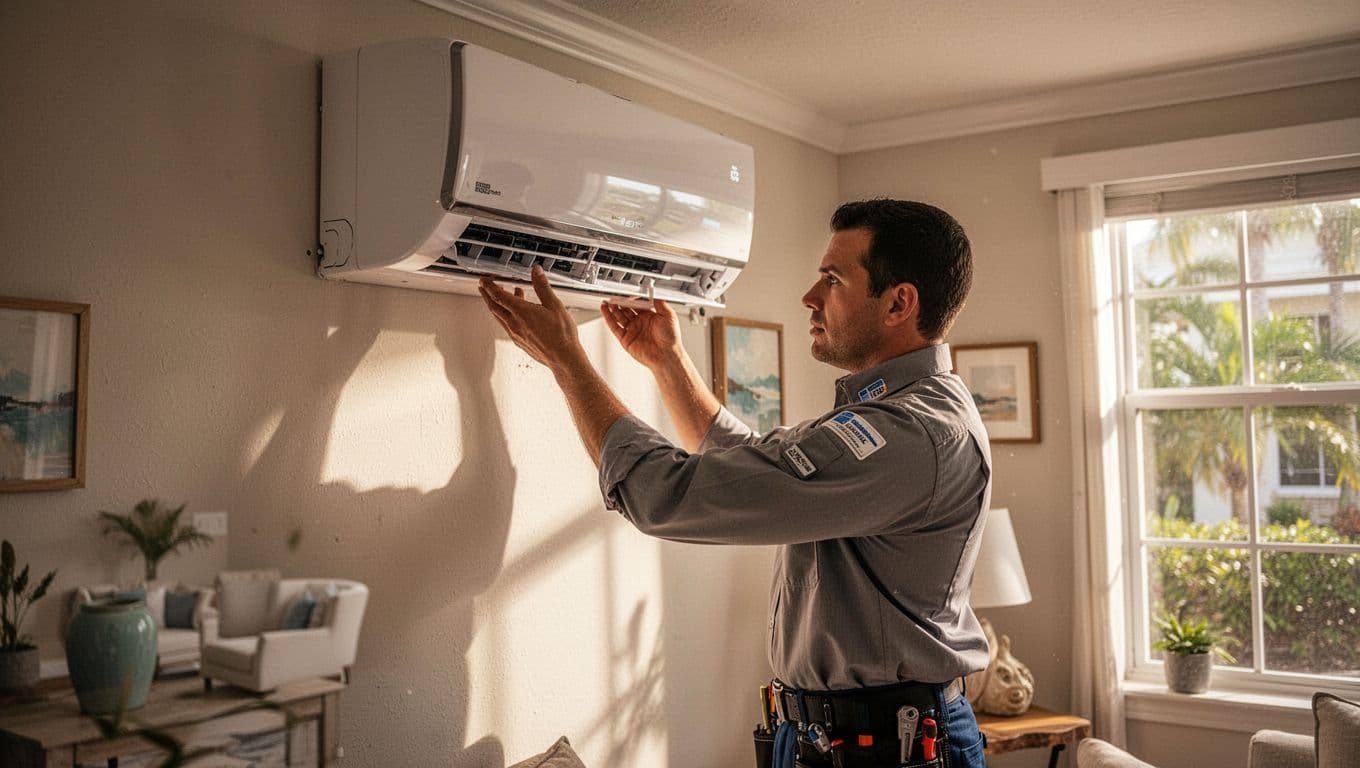
A system that matches the house tends to run more smoothly. That means fewer hot spots, better humidity control, and less strain on the equipment over time.
Fort Myers homeowners should also think about operating cost over the long run. Higher efficiency can help, especially when the system runs often. Still, the real-world result depends on how well the equipment fits your home and how well it is installed.
Picking the right replacement, not just the highest number
A smart replacement starts with the house, not the brochure. The best SEER2 choice is the one that fits your home size, your ductwork, your comfort goals, and your budget.
That is why a good replacement quote should look at several details:
- Home size and layout : A larger or more open home may need a different setup than a compact floor plan.
- Duct condition : If ducts leak air or restrict airflow, comfort drops fast.
- Humidity needs : Fort Myers homes often need longer run times for better moisture control.
- Installation quality : Proper refrigerant charge, airflow setup, and system matching matter every day.
A higher-efficiency unit can make sense, but only if the rest of the system supports it. That is why installation details matter so much during a Fort Myers AC replacement.
A replacement should also be matched to your thermostat habits and daily use. If your family keeps the house cooler during the day, the system may need a different setup than a home that sits empty for long hours.
If your current AC still works but struggles to keep up, a heating and cooling system diagnostic can show whether repair makes more sense than replacement. Sometimes the problem is a failing part, a dirty coil, or an airflow issue. Sometimes the system is simply past the point where repair makes sense.
When you are ready to compare replacement options, Schedule an Estimate so a technician can look at the home, the ductwork, and the equipment together.
When repair, ductwork, or sizing should come first
Not every comfort problem means you need a new unit right away. In some homes, the better first step is fixing what is already there.
If the system cools unevenly, the ducts may be part of the problem. If one room is hot while another is cold, airflow may need attention. If the AC short cycles, the size or setup may be wrong.
That is why a replacement quote should answer a few plain questions before anyone talks about a new SEER2 number.
- Is the old system failing because of age or a repairable issue?
- Do the ducts support the new equipment?
- Will the new system be sized for the home, not just matched to the old unit?
- Will the installer explain how humidity control will work after the swap?
Those questions help you avoid a common mistake. Many people compare equipment models but forget to compare the installation plan. In Fort Myers, that plan often matters just as much.
A careful installer will look at airflow, duct condition, and home comfort patterns before recommending equipment. That approach helps the new system perform the way the rating suggests it should.
Conclusion
SEER2 gives Fort Myers homeowners a better way to compare AC efficiency than the old SEER label. It reflects real-world resistance more closely, which makes it more useful when you are replacing a system that will run through long, humid summers.
Still, the rating is only part of the picture. Sizing, ductwork, humidity control, and installation quality all shape how the new system feels and how much it costs to run.
When you compare quotes, look past the number on the sticker. The right replacement is the one that fits your home, not just the one with the biggest efficiency rating.
Recent Posts