When to Replace AC Refrigerant Line Insulation in Florida
A cracked foam sleeve outside your home can let a cold refrigerant line sweat onto nearby surfaces. In Florida's humidity, damaged AC refrigerant line insulation can allow moisture to reach walls, ceilings, or stored belongings.
Visible deterioration is a reason to arrange replacement. Ice, oily residue, or weak cooling from your air conditioner may signal a system problem. New insulation won't repair a refrigerant leak.
Start by checking the insulation's condition, then separate ordinary wear from symptoms that need an HVAC technician.
Key Takeaways
- Replace insulation that is cracked, crumbling, split at the seams, or missing, and make sure coverage is continuous around bends and joints.
- Florida's humidity, sun, and attic heat can increase condensation risk and wear down exposed insulation; inspect its condition rather than relying on a universal replacement interval.
- The larger suction line usually needs continuous insulation, while the smaller liquid line may not. Heat pumps and other system designs require evaluation against manufacturer instructions.
- Insulation replacement does not repair refrigerant leaks or other system problems. Ice, oily residue, weak cooling, or recurring moisture calls for an HVAC technician's assessment.
Signs AC Refrigerant Line Insulation Needs Replacement
Insulation should cover the cold refrigerant line continuously, with closed seams and protected joints. You don't need to remove it to spot many common problems.
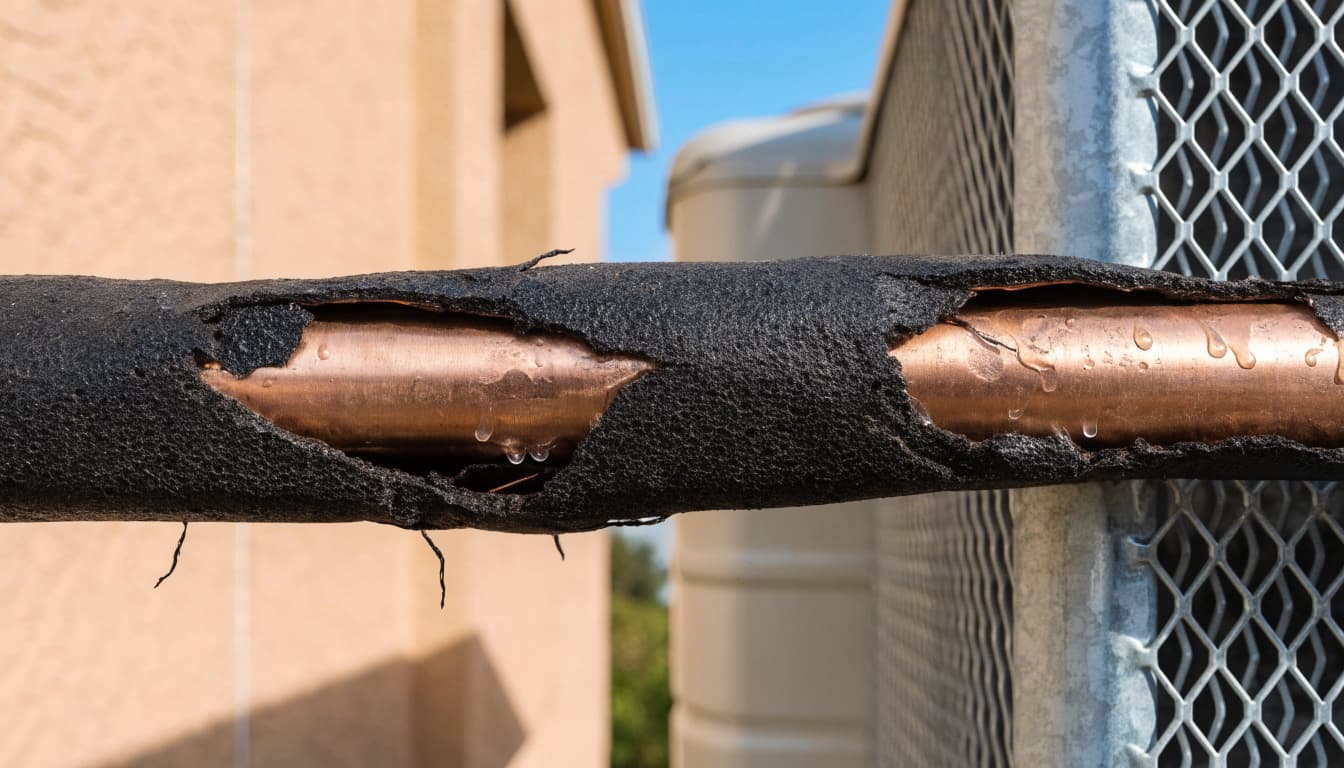
Cracks, open seams, and missing sections
Arrange replacement when insulation splits, crumbles, pulls apart at seams, or leaves a copper pipe exposed. Gaps around bends and wall penetrations can leave the cold line or a copper refrigerant joint vulnerable to humid air.
A faded outer surface alone doesn't establish that the insulation has failed. However, deep cracks, flattened sections, and loose coverage are reasons for an inspection. A sleeve that remains attached can still provide poor protection.
Look without tugging on the copper or disturbing connections. Valor's guidance on safe homeowner AC maintenance explains which checks you can make without handling refrigerant components.
Condensation and water dripping
Moisture beads on exposed copper while an air conditioner runs often mean warm, humid air is contacting a surface below its dew point. That's the temperature at which water vapor condenses.
Dripping around a split seam can point to damaged insulation or a failed seal. Water beneath intact-looking insulation also deserves attention because moisture may have entered through an opening elsewhere.
However, a puddle near the air conditioner can come from a blocked condensate drain or another source. Trace the source rather than assuming every puddle comes from refrigerant piping.
Why Florida Conditions Wear Insulation Down
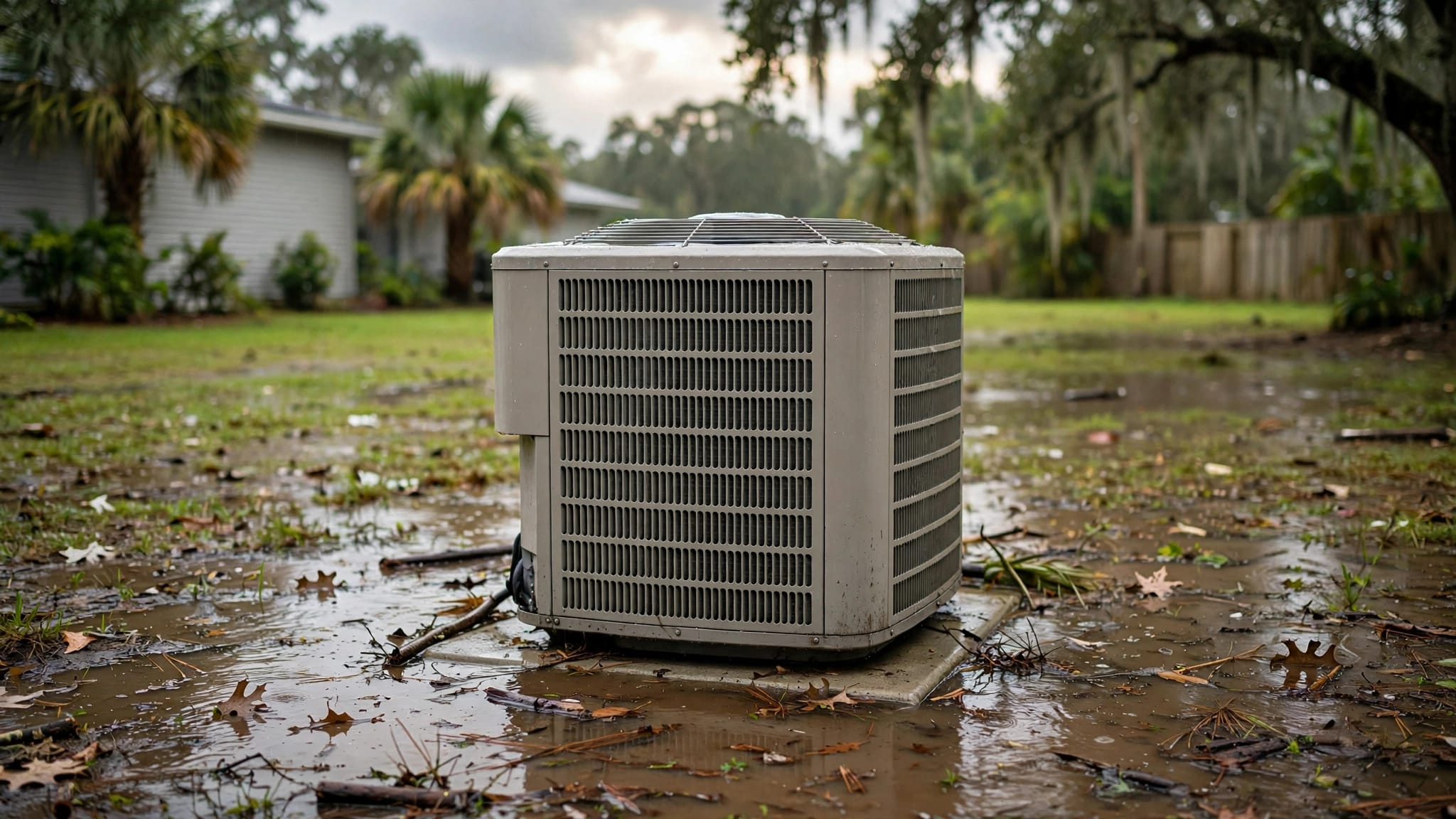
Fort Myers and Lee County systems face long cooling seasons, humid air, and strong sun. Those conditions make it important to inspect exposed air conditioner line insulation during routine service.
Humidity increases condensation risk
High humidity raises the dew point, so cold piping can collect moisture when it’s much colder than the ambient temperature. Even a small opening can let humid air reach the copper.
This matters indoors as well as outdoors. In an attic, repeated dripping can wet nearby building materials or ceiling surfaces. Outdoors, moisture may be easier to notice, but the insulation still needs continuous coverage.
Condensation doesn't establish that refrigerant is escaping. Water forms on the outside of the pipe, while refrigerant circulates inside the sealed system.
Sun exposure and attic heat add stress
Sunlight can damage insulation that lacks suitable outdoor protection. Exposed sections near a condenser may develop a brittle surface, then split or crumble. Ask an HVAC technician to confirm replacement material meets manufacturer requirements for sun and weather exposure. A refrigerant line insulation supplier can help verify product specifications.
Meanwhile, attic heat increases the temperature difference between surrounding air and cold refrigerant piping. Missing insulation lets more heat reach the suction line.
There's no universal replacement interval for every Florida home. Exposure, installation quality, and the insulation's condition matter more than age alone. Include a visual check during regular maintenance and after work near the line set.
Which Refrigerant Lines Need Insulation?
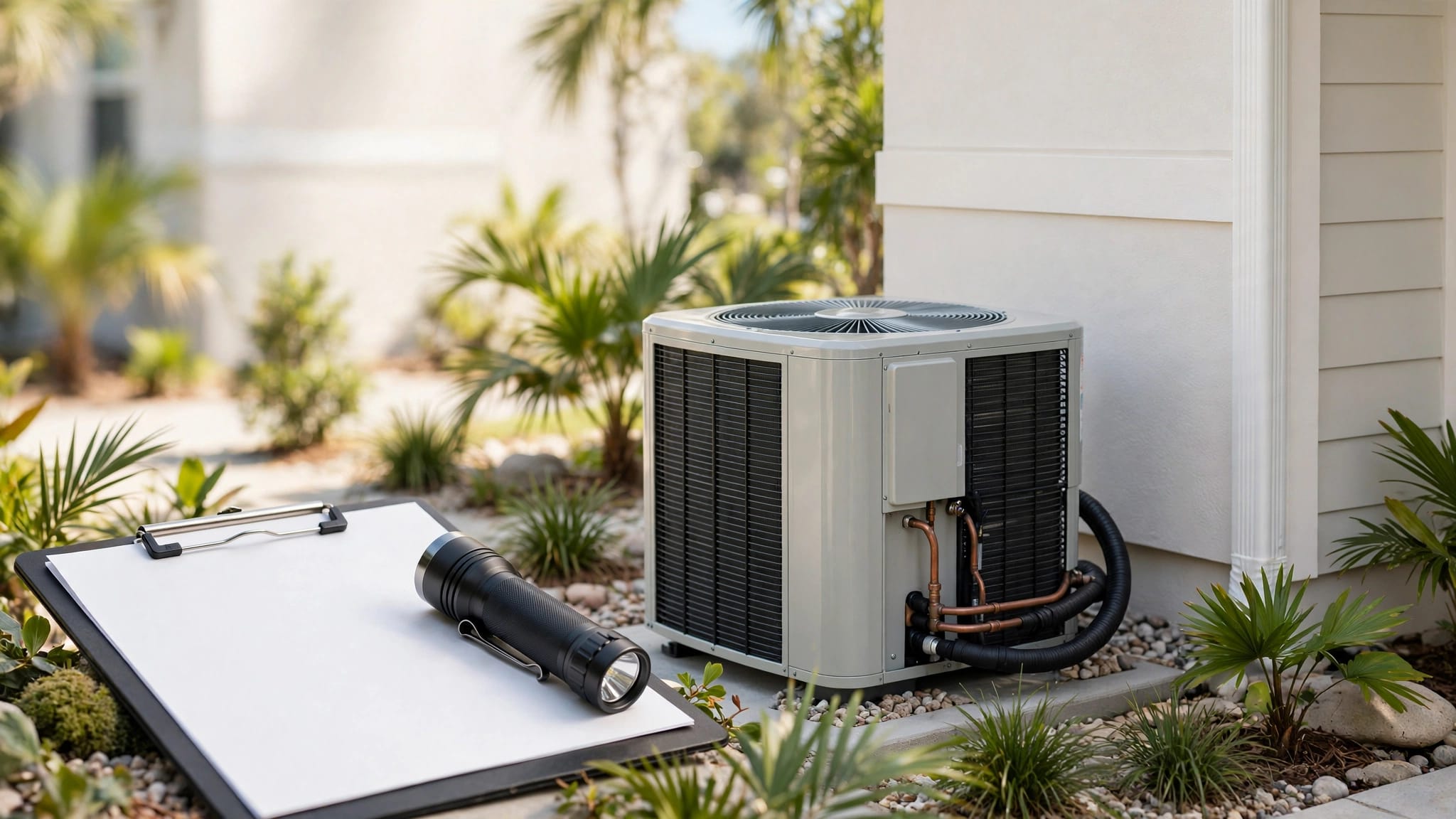
Most conventional split air conditioner systems have a larger insulated suction line and a smaller liquid line. Their different jobs explain why one typically has insulation while the other may remain bare.
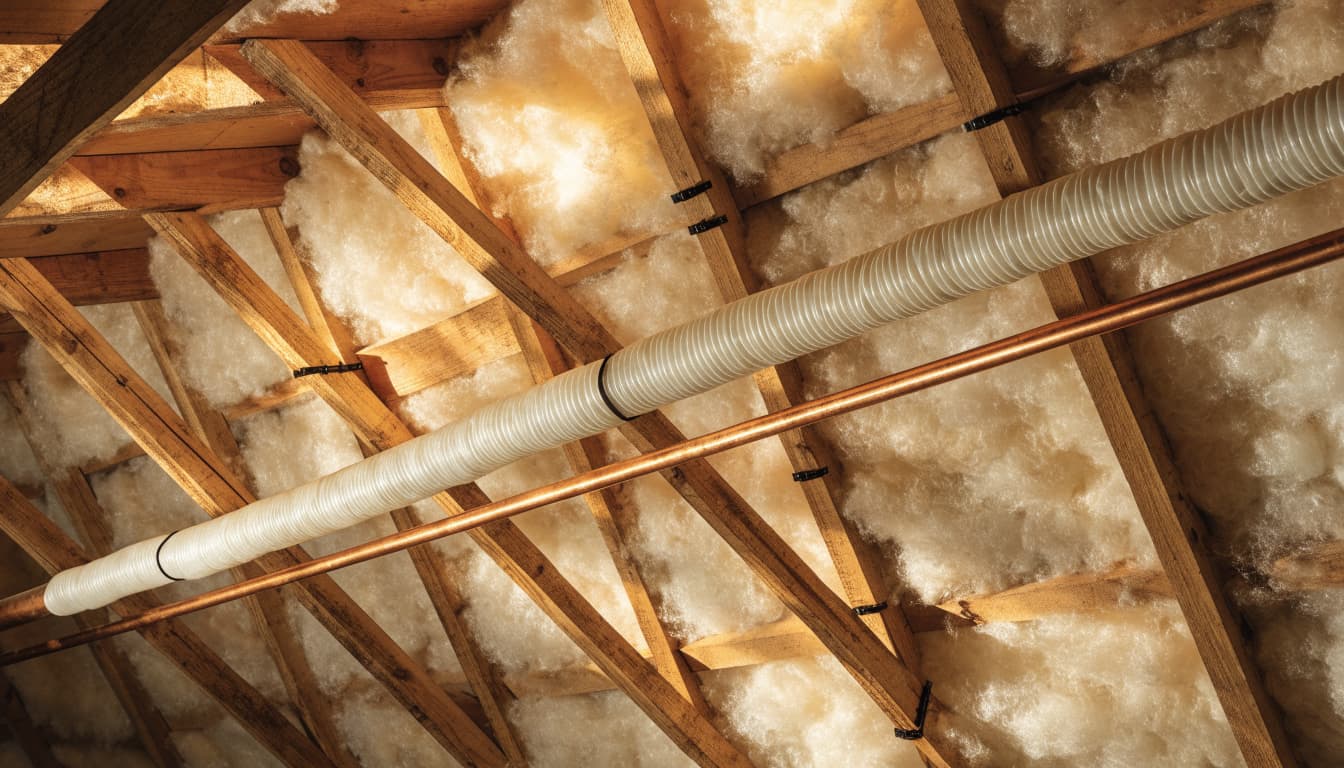
The suction line needs continuous coverage
During cooling, the suction line carries low-pressure refrigerant vapor from the evaporator back toward the compressor. On an air conditioner, its surface can be cold enough to sweat in Florida's humid air.
Insulation limits unwanted heat gain and helps prevent condensation. It should cover the required line set, including bends and joints. Replacing only the most visible damaged section can leave gaps elsewhere.
Manufacturer instructions determine the installation requirements. A technician should check the accessible route rather than assume the short section beside the outdoor unit tells the whole story.
Liquid lines usually don't need full-length insulation
In a conventional cooling system, the smaller liquid line carries high-pressure refrigerant toward the indoor metering device. It generally doesn't need liquid line insulation over the same full length as the larger pipe.
Therefore, a bare smaller pipe isn't automatically an installation defect. Adding insulation to every visible copper line without checking the equipment instructions can create unnecessary work.
However, system design and operating conditions can change the requirements. The liquid line should be evaluated according to the equipment's manufacturer instructions, especially on a heat pump, ductless equipment, or a variable refrigerant flow system. Pipe diameter alone isn't a complete guide.
Hot Attics and Heat Pumps Need Extra Evaluation
For an air conditioner, liquid line insulation can matter in situations a quick exterior inspection won't reveal. The decision depends on the equipment and conditions along the refrigerant piping route.
Long liquid lines can lose subcooling
Subcooled refrigerant is liquid below its boiling temperature at the pressure inside the pipe. That temperature difference provides a margin before vapor forms.
A long liquid line run through a hot attic can add heat to the refrigerant. Pressure loss can also reduce that margin. If refrigerant reaches its bubble point at local pressure, vapor may form before the metering device.
That can affect refrigerant delivery and system performance. There’s no single attic temperature or line length that proves insulation is needed. A technician should assess routing, refrigerant conditions, and manufacturer limits.
Heat pumps change refrigerant routing
A heat pump's four way valve redirects refrigerant for heating or cooling, so insulation decisions must account for both modes.
The larger pipe carrying suction vapor during cooling can carry hot refrigerant during heating. The smaller line doesn't automatically become a suction line when the system reverses.
Some refrigeration systems may also sweat temporarily during off cycle refrigerant movement. If a smaller liquid line repeatedly collects moisture, ask a technician to evaluate system operation and the installation instructions.
A bare liquid line can be normal. Repeated sweating on that line needs a system-specific assessment before insulation is added.
When Insulation Can Be Replaced on Its Own
Damaged AC refrigerant line insulation doesn't always mean the copper piping or equipment needs replacement. A focused repair can be appropriate when the insulation is the only confirmed problem.
Insulation-only work fits uncomplicated deterioration
Standalone replacement makes sense when worn insulation is the only confirmed problem. The copper pipe and copper refrigerant joint should be sound, with normal operation and no evidence of a leak.
This work replaces AC refrigerant line insulation without opening the refrigerant circuit. An intact sealed system doesn't need a refrigerant recharge simply because its insulation needs replacement.
The technician should remove failed material carefully, check the exposed tubing and joints, and restore continuous coverage. Seams, bends, and transitions need attention because gaps can undermine the new covering.
If the damage extends into an attic or wall opening, ask whether the estimate covers those sections too.
Replacement needs proper fit and sealing
Choose insulation solutions that fit the pipe and meet equipment installation requirements. A refrigerant line insulation supplier can help confirm product compatibility. Verify fit and installation requirements against the equipment instructions.
Suitable insulation can limit unwanted heat gain and support thermal efficiency. Replacement alone doesn't guarantee energy savings or improve system efficiency if another problem is present.
Wrapping tape over crumbling insulation doesn't restore the missing insulation thickness or establish that the copper underneath is sound. It can also conceal deterioration that needs inspection.
Homeowners can document visible damage with photos and keep the area accessible. Leave difficult attic work, concealed piping, and anything near electrical equipment to a technician.
Because the copper remains part of a sealed refrigerant system, don't bend it, loosen fittings, or disturb service valves.
When an HVAC Technician Should Inspect the System
When an air conditioner shows other warning signs, insulation replacement alone isn't enough. These symptoms deserve diagnosis before the line gets covered again:
- Ice on the refrigerant line can accompany airflow restrictions or refrigerant problems, so stop cooling operation and arrange service.
- Oily residue around a copper refrigerant joint can indicate a refrigerant leak, although appearance alone doesn't confirm one.
- Weak cooling, hissing, or recurring indoor water damage calls for an inspection beyond the insulation.
Valor's explanation of refrigerant leak warning signs covers symptoms that can overlap with damaged insulation. Replacing insulation never seals a refrigerant leak.
Depending on the symptoms, a technician may evaluate airflow, the evaporator, the condensate drain, the filter drier, refrigerant pressures, and line temperatures. These findings help determine whether the HVAC system needs insulation work, a separate repair, or both.
For unexplained moisture or declining cooling, professional HVAC repair and inspection can identify the cause before new insulation hides the piping.
After replacement, persistent sweating deserves another look. It can reflect incomplete coverage, open seams, unsuitable insulation for the conditions, or an unresolved system issue. Don't assume a second layer will solve it.
What to Check in an Insulation Replacement Estimate
Ask for an estimate that identifies damaged sections and explains replacement requirements for your air conditioner. A low price means little if inaccessible gaps remain untreated.
These details help you compare the scope of work.
| Estimate detail | What to verify |
|---|---|
| Coverage | Which exposed and accessible concealed sections of the air conditioner line set are included |
| Fit and thickness | Compatibility with the pipe and equipment requirements |
| Moisture control | How seams, joints, and penetrations will be sealed |
| Outdoor protection | Suitability for sun and weather exposure |
| Inspection | Whether the copper pipe and copper refrigerant joint are checked before new insulation goes on |
The priority is complete, suitable coverage, with insulation solutions selected for the installation rather than a particular thickness chosen without evaluation.
For commercial refrigeration systems, request product documentation from a refrigerant line insulation supplier. Check the proposed insulation materials’ temperature range, moisture resistance, and applicable project requirements. VRF branch piping and fittings may have manufacturer-specified insulation details that differ from a residential line set.
A refrigerant line insulation supplier can help confirm product suitability, but follow contractor and manufacturer guidance.
Replacement cost depends on access, damage extent, and whether separate repairs are necessary. Ask the contractor to distinguish insulation work from refrigerant-system repairs so you understand what each charge covers.
Frequently Asked Questions
How can I tell if AC refrigerant line insulation needs replacement?
Look for cracks, crumbling, open seams, flattened sections, or exposed copper. Condensation or dripping near a damaged seam can also warrant an inspection.
Should both refrigerant lines be insulated?
The larger suction line in a conventional split air conditioner typically needs continuous insulation, while the smaller liquid line usually does not need full-length coverage. Follow the equipment manufacturer's instructions, especially for heat pumps and other system designs.
Does new insulation fix a refrigerant leak?
No. Insulation covers the outside of the piping and does not seal a leak in the refrigerant system. Oily residue, ice, or weak cooling should be evaluated by an HVAC technician.
How often should AC line insulation be replaced in Florida?
There is no universal replacement interval; exposure, installation quality, and the insulation's condition matter more than age alone. Check exposed insulation during routine maintenance and after work near the line set.
Can I replace AC refrigerant line insulation myself?
You can document visible damage, but avoid bending the copper, loosening fittings, or disturbing service valves. Have a technician handle difficult or concealed sections and inspect the piping before installing new insulation.
Protect the Line Without Overlooking the Cause
Cracked, missing, or poorly sealed insulation deserves replacement, especially around cold piping in Southwest Florida's humid conditions. However, ice, oily residue, and poor cooling call for diagnosis beyond the covering.
If you're unsure whether the damage is limited to insulation, Schedule an Estimate with Valor Heating & Cooling. A proper inspection separates a straightforward insulation repair from a refrigerant or airflow problem.
Recent Posts