AC Financing Questions to Ask Before You Sign
An air conditioner failure in Southwest Florida rarely arrives at a convenient time. Choosing AC financing during a hot week can feel like a race against the clock, but a fast decision can leave you paying for terms you didn't fully understand.
Before you sign an AC financing agreement, ask about the total cost, lender, payment schedule, equipment, and protections if the project changes. Financing terms vary by lender and borrower, so review every written disclosure before signing. Start by confirming that the proposed repair or replacement fits your home and budget.
Is financing the right choice for this AC project?
A payment plan can spread out a large HVAC expense, but it doesn't make an unsuitable project affordable. First, ask what failed, whether repair is practical, and how long the existing system may reasonably last. A low monthly payment won't solve repeated breakdowns or poor humidity control.
In Fort Myers and nearby Lee County, air conditioners often run for long periods during the year. Age, repair history, duct condition, electrical requirements, and indoor comfort all belong in the decision. A bad capacitor or clogged drain line may call for repair, while repeated major failures can justify comparing replacement costs.
Use this Fort Myers AC replacement guide to compare repair and replacement before financing enters the conversation.
Ask the contractor:
- What is the exact problem, and what evidence supports the diagnosis?
- What work is included in the quoted price?
- What could require a change order?
- What future maintenance or repair costs should I expect?
The right financing plan starts with the right project. If the system is undersized, poorly matched, or near the end of its service life, spreading out the payments won't correct those problems.
AC financing questions that reveal the total cost
A monthly payment is only one part of an offer. Ask for the amount financed, annual percentage rate (APR), interest rate, finance charge, number of payments, and total of payments in writing. These figures let you compare offers with different terms.

| Agreement detail | Question to ask | Why it matters |
|---|---|---|
| Amount financed | What exact amount will I borrow? | It shows whether fees, taxes, or add-ons are included. |
| APR and interest rate | Is the rate fixed or variable? | A changing rate can affect future payments. |
| Finance charge | What dollar amount will borrowing add? | This shows the cost of credit over the agreement. |
| Total of payments | How much will I pay altogether? | A lower monthly payment can still cost more over time. |
| Term and schedule | How many payments are required, and when do they begin? | The term affects both cash flow and total cost. |
| Fees | Are there origination, late, annual, or returned-payment fees? | Extra charges can change the actual price. |
The interest rate describes the rate applied to the balance. APR may include certain fees, so ask how both figures were calculated. Also confirm whether the contractor's cash price differs from the financed price.
A longer repayment period may lower the scheduled payment while increasing the total amount paid. Compare offers using the same project price and the same information, rather than choosing based on the smallest monthly number.
What does the promotional period actually mean?
Offers described as no interest, low interest, or deferred interest can follow different rules. Ask whether interest is waived during the promotion, accrues and may be charged later, or begins after a set period. Confirm the exact date when regular terms begin.
A "no-interest" headline doesn't answer the most important question: what happens to unpaid interest or the remaining balance when the promotion ends?
Check whether a missed payment ends the promotion, whether each payment reduces principal, and whether the standard APR applies afterward. A salesperson's explanation should match the lender's written disclosure. If it doesn't, pause before signing.
Questions about the lender, credit, and collateral
The HVAC company may arrange financing through a third-party lender, but the lender controls the credit agreement. Ask for the lender's legal name, contact information, privacy terms, customer service process, and account-servicing details.
You should know who handles billing after the installation. If the lender transfers or sells the account, ask how you will receive notice and where future payments must go. Keep copies of the application, disclosures, agreement, and payment instructions.
Before submitting an AC financing application, ask whether the credit check is soft or hard. A hard inquiry can affect your credit profile, while a soft inquiry generally doesn't have the same effect. Ask whether adding a co-borrower changes the terms and what happens if the requested amount or application is not approved.
Approval isn't guaranteed, and terms can vary based on credit history, income, existing debt, loan amount, and lender policy. Don't authorize multiple credit checks without understanding how each application will be handled.
Also ask whether the loan is unsecured or tied to your home or other collateral. Home equity products may place property at risk if payments aren't made. If the documents mention a lien, security interest, or filing, ask the lender to explain the practical effect in plain language.
Questions about equipment and the installation quote
Your financing agreement should match the contractor's written project quote. Ask for the exact indoor and outdoor model numbers, system capacity, efficiency rating, thermostat, and included accessories. A general description such as "high-efficiency system" isn't enough to confirm what you are buying.
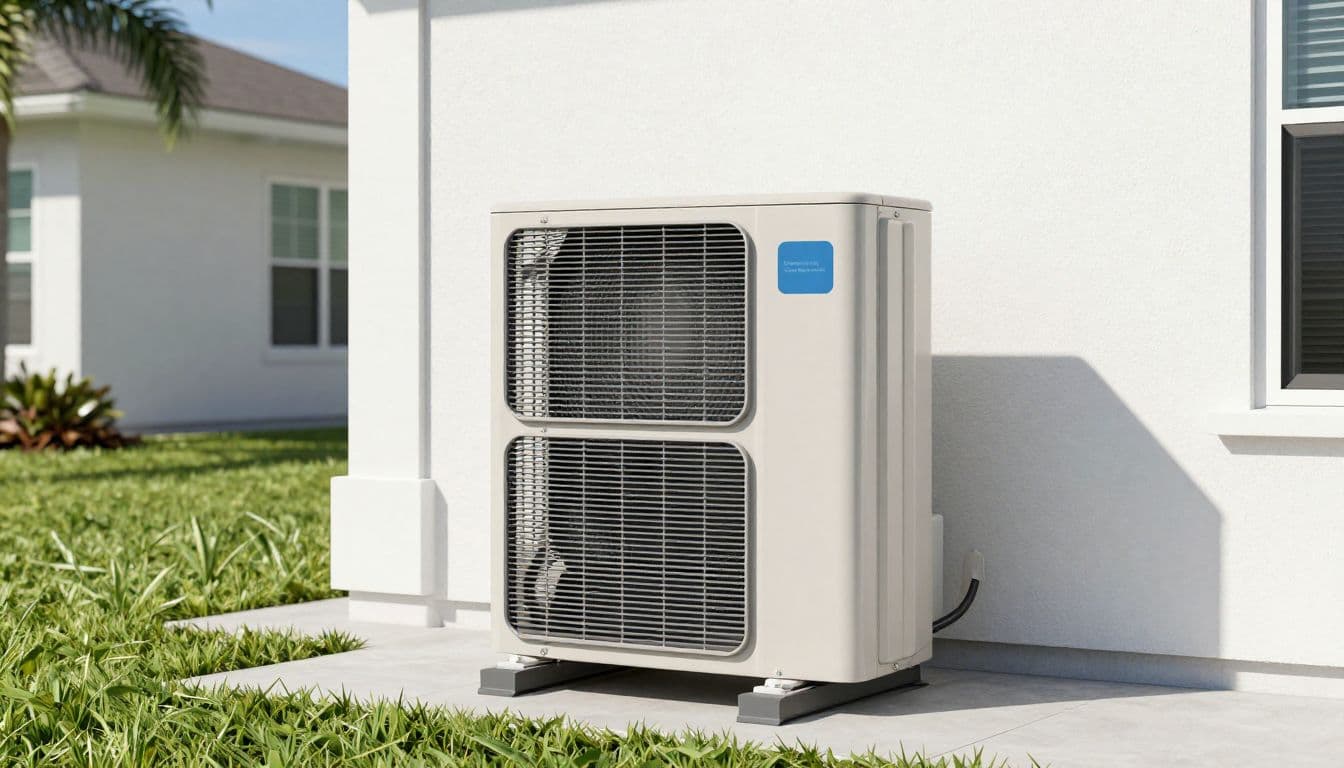
The scope should state whether the price includes removal and disposal of the old equipment, permits, electrical work, disconnects, drain-line repairs, duct modifications, refrigerant work, startup, testing, and cleanup. Ask who pays if an inspection identifies work that wasn't included in the original quote.
You can use this guide on what to look for in an AC replacement quote when comparing proposals. It covers equipment details, labor, ductwork, electrical items, permits, and other costs that can be missed in a short estimate.
In Southwest Florida, humidity control matters as much as the thermostat setting. Ask how the proposed system fits the home's size, insulation, ductwork, and moisture conditions. Efficiency ratings can help compare equipment, but actual energy use depends on the home, system operation, duct condition, weather, and utility rates. No contractor can guarantee a specific reduction in your bill.
Clarify the warranty before you sign. Manufacturer equipment coverage and contractor labor coverage are separate in many agreements. Ask what each warranty covers, how long it lasts, who handles service calls, and whether registration is required.
Financing also doesn't automatically resolve an incomplete or disputed installation. Ask whether the lender pays the contractor all at once or according to project milestones. If the scope changes, get the revised price and revised financing terms in writing before approving the work.
If you need a clear project scope before comparing payment options, you can Schedule an Estimate with a local HVAC technician.
Confirm payment timing and consumer protections
Ask when interest begins and when your first payment is due. The answer may depend on the agreement. Some plans begin billing soon after signing, while others use a stated date connected to delivery, installation, or a promotional period.
Confirm the payment due date, autopay rules, grace period, late fee, returned-payment fee, and consequences of a missed payment. Ask how to request a payoff quote and whether you can make extra payments without a prepayment penalty. If you pay more than the scheduled amount, find out whether the extra money reduces principal.
Read the cancellation and refund terms for both the installation contract and the financing agreement. Ask what happens if the project is canceled, delayed, reduced in scope, or left incomplete. Your rights can depend on the documents, the lender, and applicable law, so don't rely on a verbal promise.
If a problem develops after installation, contact the lender and contractor using the written procedures in your agreements. Don't stop making payments without written guidance, because a payment dispute may not automatically suspend the loan.
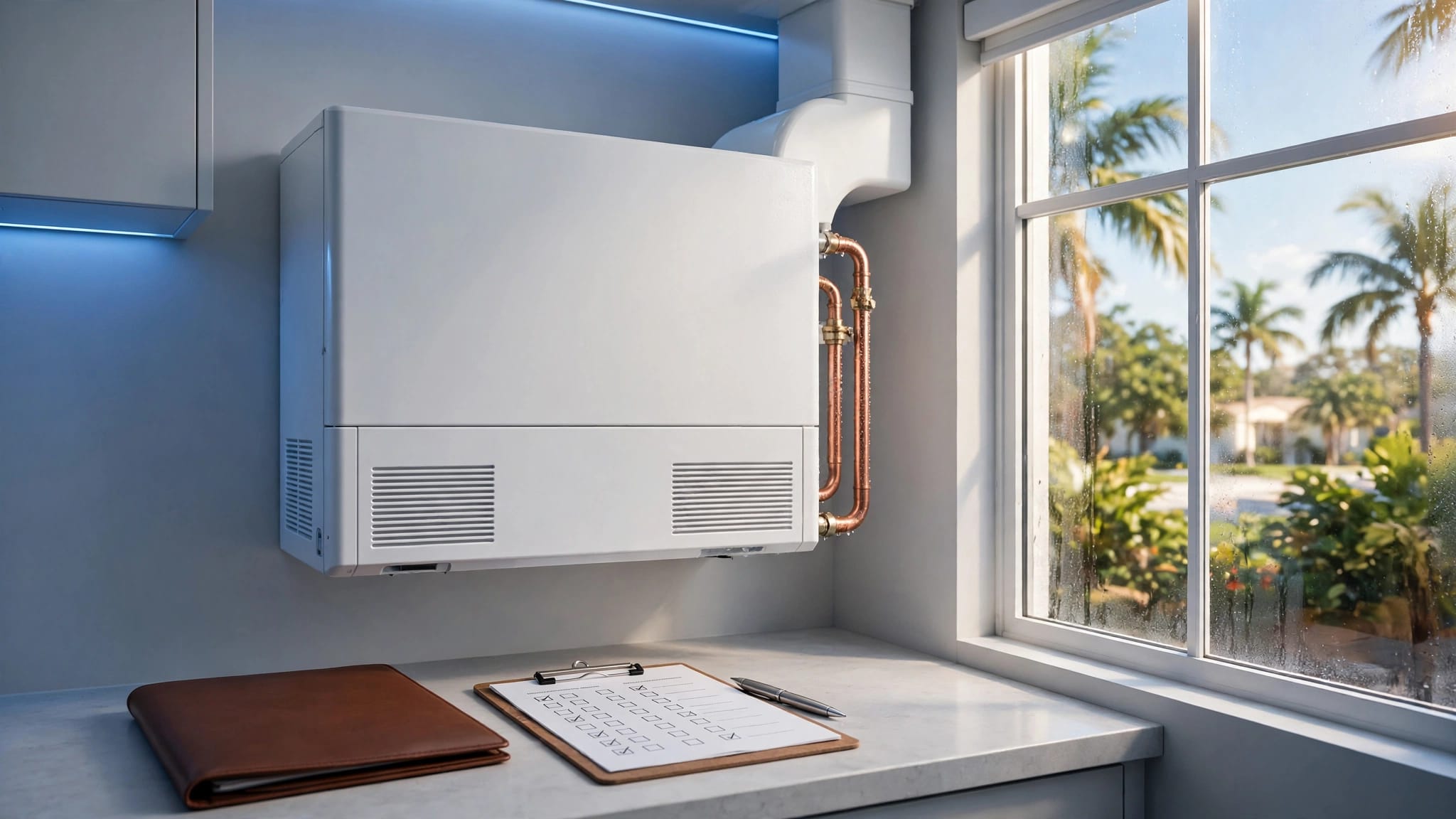
Pre-signing AC financing checklist
Before signing, make sure you can answer each question below:
- Do I have a written diagnosis and a clear reason for repair or replacement?
- Does the quote list the exact equipment, model numbers, capacity, and efficiency rating?
- Does the project price include permits, removal, electrical work, ductwork, drainage, startup, and cleanup where applicable?
- Do I know the amount financed, APR, interest rate, finance charge, total payments, and repayment term?
- Is the rate fixed, and do I understand every promotional condition?
- Do I know the first payment date, due date, late fees, autopay rules, and early-payoff terms?
- Have I confirmed the lender's name, contact information, credit-check type, and account-servicing process?
- Do I understand the equipment warranty, labor warranty, cancellation terms, and change-order process?
- Have I received and reviewed all written disclosures before signing?
Keep the documents together after the agreement is complete. Save the quote, financing contract, warranty information, permits, receipts, and payment records.
Conclusion: Make the monthly payment only one part of the decision
A financing offer deserves the same attention as the air conditioner itself. Look past the monthly payment and confirm the total cost, lender terms, project scope, warranty, payment timing, and protections if something changes.
Because AC financing terms vary by lender and borrower, the written disclosures matter more than a sales explanation. When every number and responsibility is clear, you can sign with a better understanding of both the equipment and the debt.
Recent Posts