Do Radiant Barriers Reduce AC Loads in Florida Homes?
Radiant barriers can reduce air conditioning loads in Florida homes by limiting heat transfer from a sun-heated roof into the attic. The benefit depends on your roof, insulation, ductwork, and how the barrier is installed.
For many Southwest Florida homeowners, the most useful question is whether a barrier addresses the home's largest source of heat gain . A hot attic alone doesn't answer that. Start with how the material works and where your home loses cooling efficiency.
How Radiant Barriers Work
A radiant barrier is typically a reflective material installed in an attic. Aluminum foil is a common example. Its reflective surface limits radiant heat transfer across an adjacent air space.
The roof-to-attic heat path
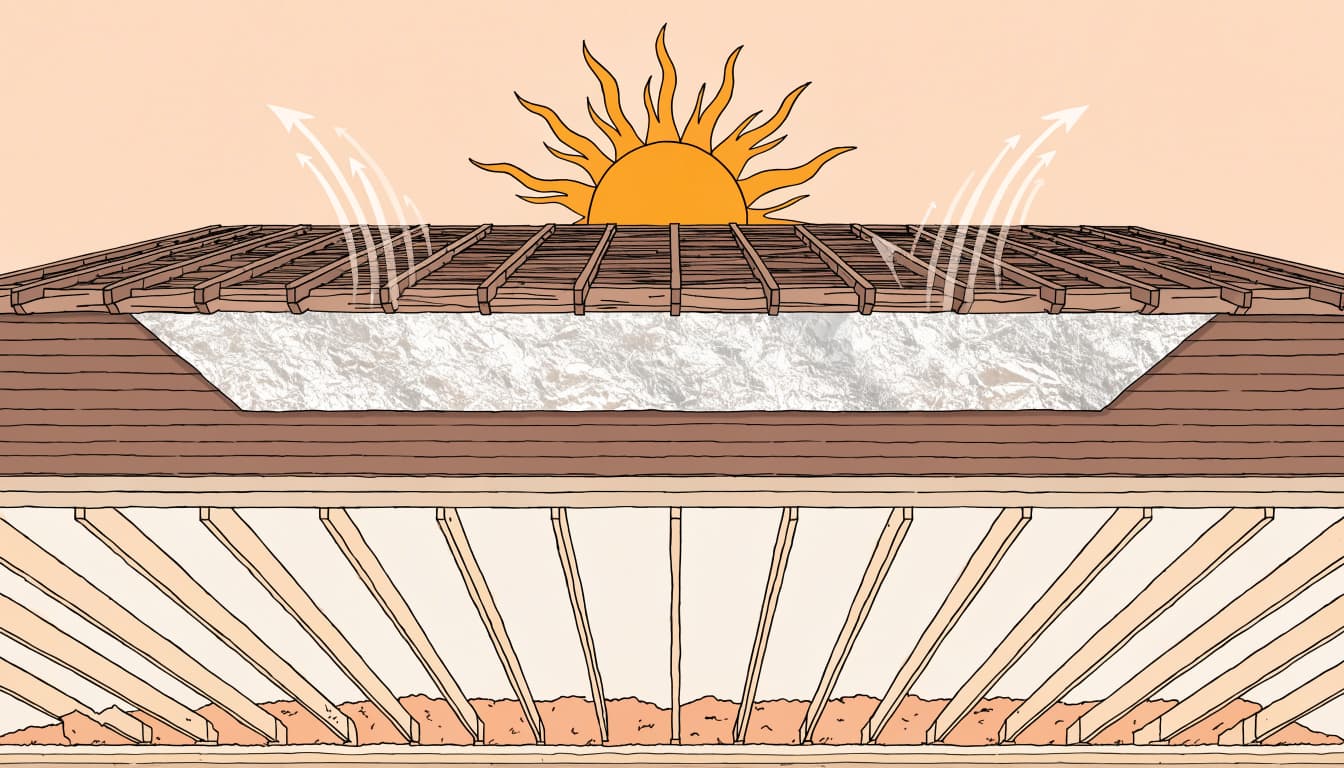
Florida sunshine heats the roof, and that heat moves through the roofing materials to the underside of the roof deck. The hot deck then radiates heat toward cooler surfaces, including attic insulation and ductwork.
A properly placed radiant barrier reduces some of that radiant exchange. As a result, less heat can reach the ceiling and attic equipment during sunny periods. The air conditioner may then need to remove less heat from the home.
Why the air space matters
The reflective surface needs to face an air space to perform its radiant-barrier function. If another material covers that surface, heat can move through direct contact instead.
This distinction matters when comparing installation methods. Foil attached beneath rafters faces the open attic space, while foil sandwiched tightly between building materials doesn't work the same way. The placement and condition of the reflective surface matter as much as the material itself.
When Radiant Barriers Help Florida Homes Most
A radiant barrier is most promising when the roof receives strong sun and the attic sits outside the home's insulated living space. Homes with cooling equipment or ducts in that hot attic may have more potential to benefit than homes with no attic ductwork.
Roof exposure and attic insulation
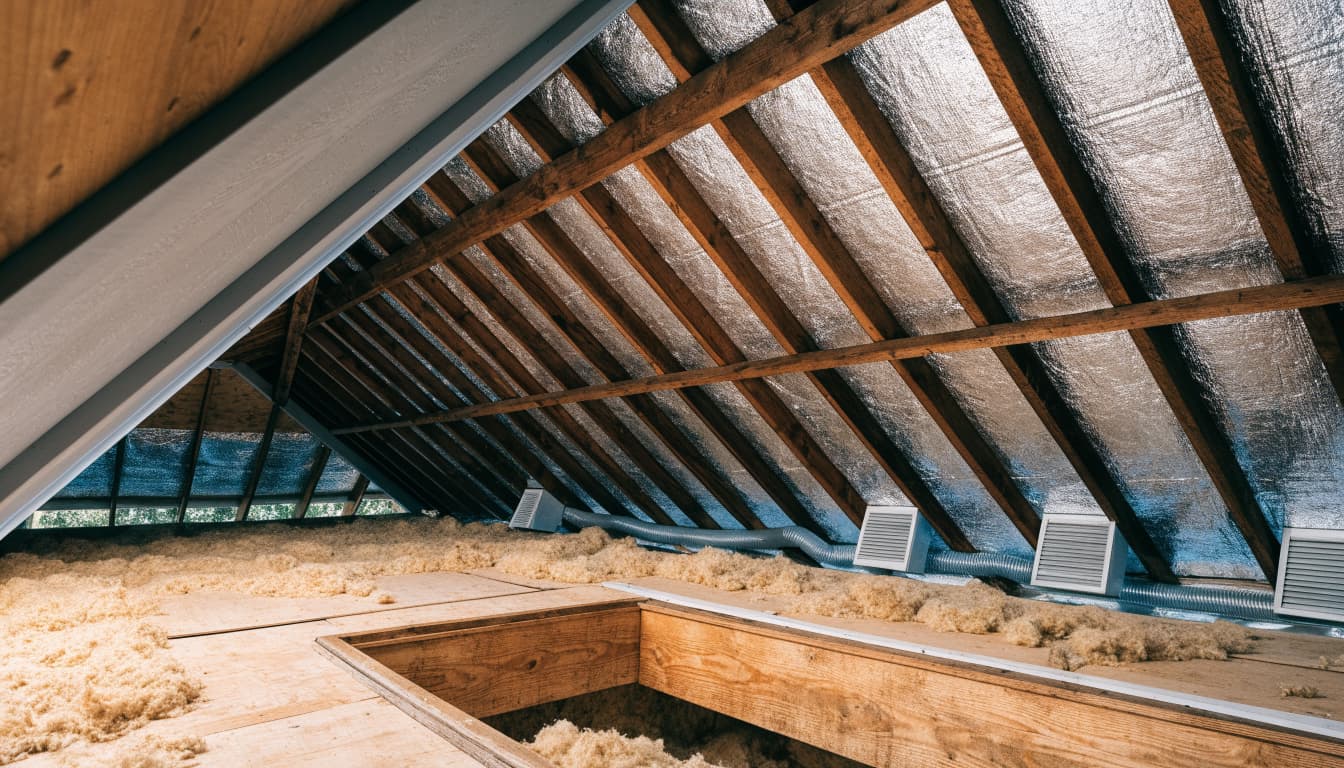
A roof with substantial sun exposure can become a strong source of radiant heat. Shade, roof characteristics, and existing insulation all affect how much of that heat reaches the rooms below.
If ceiling insulation is thin or uneven, more heat can pass into the living space. A barrier may help reduce radiant heat reaching that insulation, but adding insulation and sealing air leaks may address the ceiling's weaknesses more directly.
Ducts and equipment in the attic
Ducts carrying cool air through a hot attic gain heat along their routes. A radiant barrier can reduce heat reaching those ducts, potentially lowering the load on the AC.
However, the duct system still needs sealed connections and intact insulation. A leaking return duct can pull hot, dusty attic air into the system, while a leaking supply duct can waste cooled air. Foil under the roof won't repair either problem.
What to Expect From a Radiant Barrier
The likely benefit is a reduction in heat entering through the attic, especially during sunny weather. That can reduce part of the cooling load your air conditioner handles. It doesn't mean the whole house will feel cooler immediately or that every room will improve equally.
Cooling load and electricity use are related, but they aren't identical. Thermostat settings, occupancy, weather, duct condition, and equipment efficiency also affect the bill. A lower attic temperature by itself doesn't show how much electricity the AC saves.
A radiant barrier also targets heat , not moisture entering through air leaks or household activities. Florida air conditioners must remove both heat and humidity, so a barrier won't correct a system that can't control indoor moisture.
If one bedroom stays hot, look beyond the attic. Sun through its windows, a restricted duct, or inadequate airflow may be a larger part of the problem. The same applies when an AC runs continuously because of a mechanical fault.
Installation Details That Affect Performance
The barrier's location determines what it faces, how much roof area it covers, and whether dust is likely to collect on the reflective surface. A good installation also preserves access to equipment and respects the attic's ventilation and moisture design.
Placement and dust
One common approach attaches the material beneath the roof rafters, with a reflective surface facing the attic air space. Another uses roof decking manufactured with a reflective facing. In both cases, the material limits radiant exchange across the open space.
Foil laid flat over attic floor insulation is more vulnerable to dust accumulation. Dust on the upward-facing surface can reduce its reflective performance. Floor placement can also affect how moisture moves through the assembly, so it needs particular care in Florida's humid climate.
Coverage and safe access
A barrier with large gaps or uncovered roof areas has less opportunity to reduce radiant heat transfer. At the same time, installers need to leave appropriate clearances around heat-producing equipment and keep electrical components accessible.
Attics can contain exposed wiring, sharp fasteners, fragile ceiling surfaces, and extreme heat. Professional installation is a safer choice when access is difficult or the work requires moving around electrical or HVAC equipment.
A reflective surface needs an adjacent air space. Covering it with insulation or another material changes how heat moves through that assembly.
Ventilation and Moisture Still Matter
Most vented attics use openings at the eaves and near the roof's upper sections to allow air movement. A radiant barrier should not block those openings or obstruct the air path. Blocking ventilation can interfere with the attic's moisture and heat management.
A vented attic and an unvented, spray-foamed attic are different assemblies. Spray foam installed at the roof deck can move the home's thermal boundary to the roofline, changing conditions around attic ducts. Adding foil to that setup isn't automatically useful, especially if the reflective surface lacks an air space.
Moisture planning matters in both cases. Some foil products limit vapor movement, and an unsuitable installation can make it harder for building materials to dry. The effects of spray foam on HVAC design are worth considering before changing an existing roofline assembly.
A radiant barrier doesn't require a powered attic fan to function. A fan introduces its own electricity use, and a cooler attic doesn't automatically mean a lower AC bill.
Radiant Barrier vs. Attic Insulation
Radiant barriers and attic insulation address different parts of heat transfer. Many homes can use both, but one doesn't replace the other.
| Feature | Radiant barrier | Attic insulation |
|---|---|---|
| Main function | Reduces radiant heat exchange across an air space | Slows heat flow through the insulated assembly |
| Common location | Beneath the roof deck or rafters | Across the attic floor or at the roofline |
| Performance consideration | Reflective surface and air space | Coverage, thickness, and installed R-value |
| Addresses air leaks? | No | Not reliably on its own |
The distinction is useful when deciding what to improve first. If ceiling insulation is missing or uneven, restoring coverage and sealing ceiling leaks may be the better starting point. Gaps around an attic hatch, wiring, plumbing, and suitable recessed-light assemblies can allow air to move between the house and attic.
Air sealing requires materials and methods appropriate to each opening. Heat-producing fixtures and other sensitive locations need special care.
A radiant barrier can then be considered as an additional measure. It may reduce the radiant heat reaching the insulation, but it doesn't give that insulation a higher R-value or stop air moving through gaps.
Other Ways to Reduce Cooling Loads
Attic improvements are only one part of a comfortable home. Before choosing foil, consider whether another problem is adding more heat or keeping cooled air from reaching the rooms.
Repair duct and airflow problems
Damaged duct insulation can allow heat to reach cold supply air. In a humid attic, a torn outer jacket can also allow moisture to contact cold surfaces and contribute to condensation.
Sealing leaks, repairing damaged insulation, and correcting restricted ducts can address those problems directly. A technician can also assess airflow rather than relying on symptoms such as a warm room or extra dust to identify the cause.
Address windows and AC condition
Windows can admit substantial solar heat, particularly in rooms exposed to afternoon sun. Our comparison of window film and solar screens explains two ways to reduce that heat before it reaches the room.
Meanwhile, a dirty filter or a mechanical problem can limit AC performance regardless of attic conditions. Regular service helps identify those issues; our guide to AC maintenance in Southwest Florida covers a practical maintenance schedule.
Is a Radiant Barrier Worthwhile for Your Home?
Start by identifying the attic's existing conditions. A sun-exposed, vented attic with ducts and intact ventilation may be a reasonable candidate. A home with well-insulated ceilings, ducts inside conditioned space, or significant roof shade may have less to gain.
Look at the other work your home needs as well. If ducts leak or insulation has large gaps, those repairs may deserve priority. Compare the proposed barrier installation with other improvements on the basis of the problem each one addresses, not a promised bill reduction.
If you're planning an AC replacement, include any planned attic or duct improvements in the load calculation. A properly sized system should match the house it will cool. A smaller cooling load doesn't automatically mean you need a smaller unit, and oversized equipment can create comfort and humidity problems.
At Valor Heating & Cooling, we can evaluate your system and discuss how duct condition, airflow, and equipment sizing fit into the decision. Schedule an Estimate for a home-specific HVAC assessment.
Choose the Improvement That Addresses the Heat
Radiant barriers can reduce part of the AC load in a sunny Florida attic, particularly when ducts sit beneath a hot roof. Their value depends on the assembly and the condition of the rest of the home.
Start with the largest identifiable problem . Sound insulation, sealed ducts, and a properly operating AC give a radiant barrier a better chance to complement the system rather than distract from a needed repair.
Recent Posts