What AC Commissioning Includes After Installation
A new air conditioner can look finished while important setup work remains. AC commissioning is the post-installation process that confirms the equipment is safe, correctly adjusted, and ready for normal cooling.
In Southwest Florida, high heat, long runtimes, and heavy humidity expose small installation problems quickly. Poor airflow, an incorrect refrigerant charge, a weak electrical connection, or a blocked drain can increase energy bills and shorten equipment life.
The steps vary by split, packaged, heat pump, and variable-speed systems. Manufacturer requirements and local codes also matter, so qualified HVAC professionals should handle safety-critical tests.
What AC commissioning checks after installation
Commissioning starts with a physical review before the technician records performance readings or hands over the system.
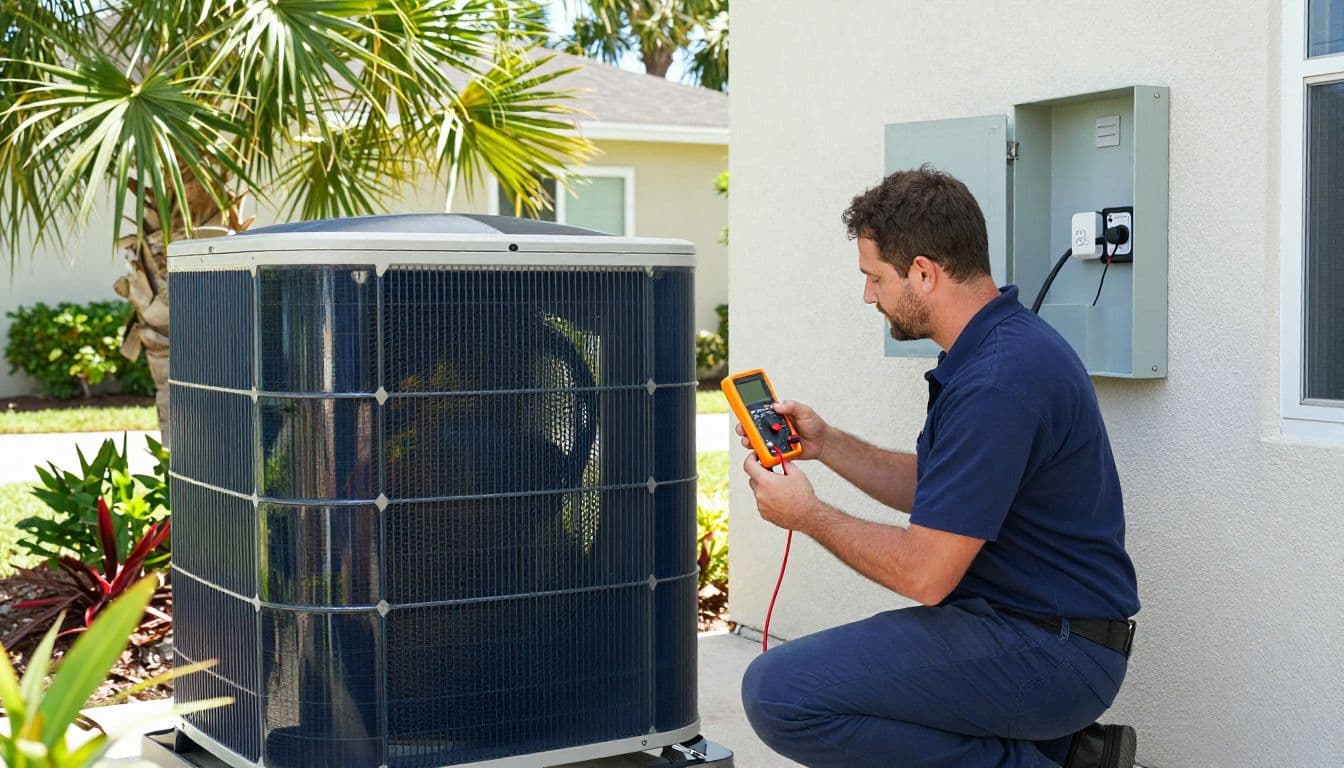
The installation gets a final inspection
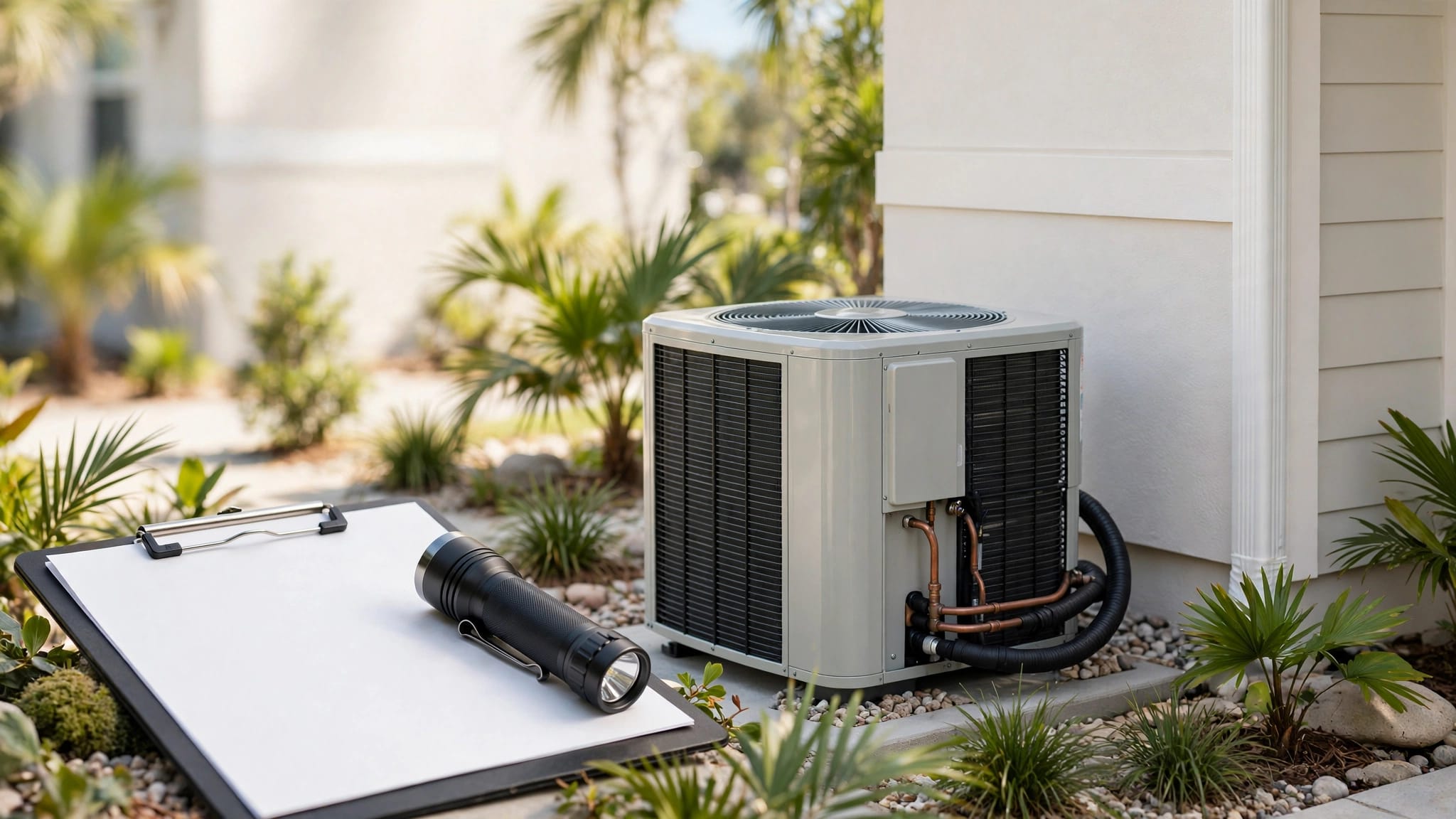
The technician checks that the indoor and outdoor equipment match the approved model and installation plan. The outdoor condenser should sit level, have proper clearance, and allow enough space for air to move across the coil.
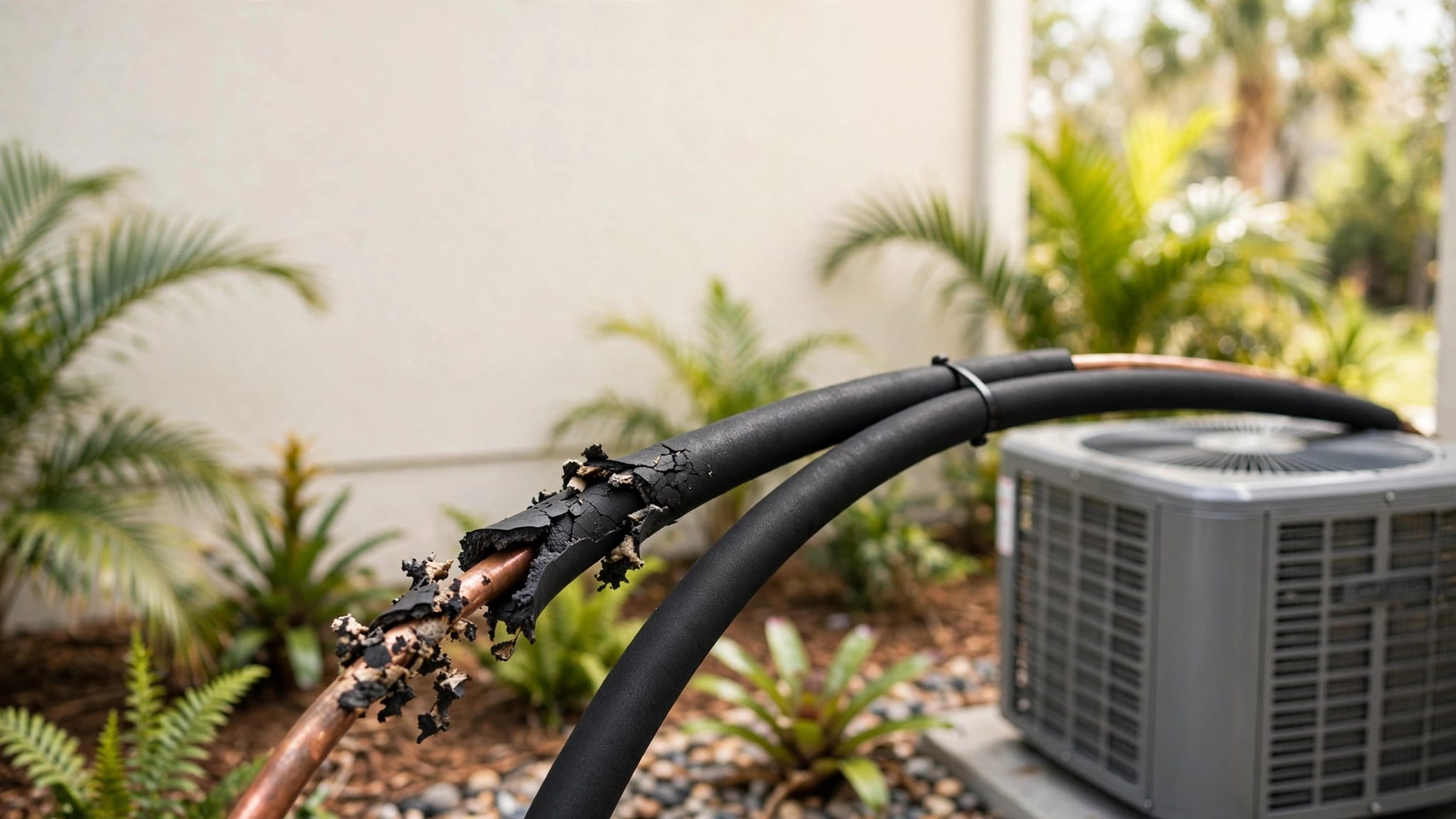
The inspection also covers refrigerant lines, insulation, electrical conduits, disconnects, cabinet panels, filters, duct connections, supply registers, and return-air paths. Correct insulation helps prevent condensation on refrigerant lines. Proper duct connections reduce air loss inside walls, attics, or mechanical spaces.
Drain installation receives close attention in Florida homes and businesses. The technician checks the condensate line, drain pan, trap where required, and float switches. These parts help prevent water damage when moisture leaves the indoor coil.
If you are reviewing an installation proposal, ask whether it includes the post-installation checks listed in this AC installation commissioning checklist.
Electrical and safety checks come next
A complete AC commissioning visit includes electrical testing at the disconnect, equipment, and control circuit. The technician measures voltage, checks operating amperage, and confirms that wiring, breaker size, disconnects, and grounding match the equipment requirements.
On systems that use three-phase power, the technician may also verify phase rotation. Low-voltage controls, fuses, safety switches, and communication wiring receive testing as well.
These checks matter because loose terminals, incorrect voltage, or undersized wiring can cause nuisance trips, compressor damage, overheating, or serious electrical hazards. Never open an electrical panel or adjust refrigerant components yourself.
Performance tests that confirm cooling quality
Once the installation passes its physical review, the technician operates the system long enough for readings to stabilize.
Refrigerant, airflow, and temperature readings
The technician may record return-air and supply-air temperatures, temperature difference, airflow, static pressure, refrigerant pressures, line temperatures, superheat, subcooling, voltage, and amperage. The exact readings depend on the equipment and the manufacturer's charging procedure.
These measurements show whether the system can move enough air and transfer heat properly. Low airflow can result from a restrictive filter, poorly sized ductwork, closed dampers, or an installation problem. An incorrect refrigerant charge can reduce cooling capacity and place extra strain on the compressor.
A temperature difference alone doesn't prove that the system is correctly charged. A useful report connects temperature, airflow, refrigerant, and electrical readings with the outdoor conditions recorded during testing.
Variable-speed and inverter systems may require a manufacturer-specific test mode or charging method. A technician shouldn't apply a fixed target from a different type of air conditioner.
Controls, drainage, and humidity
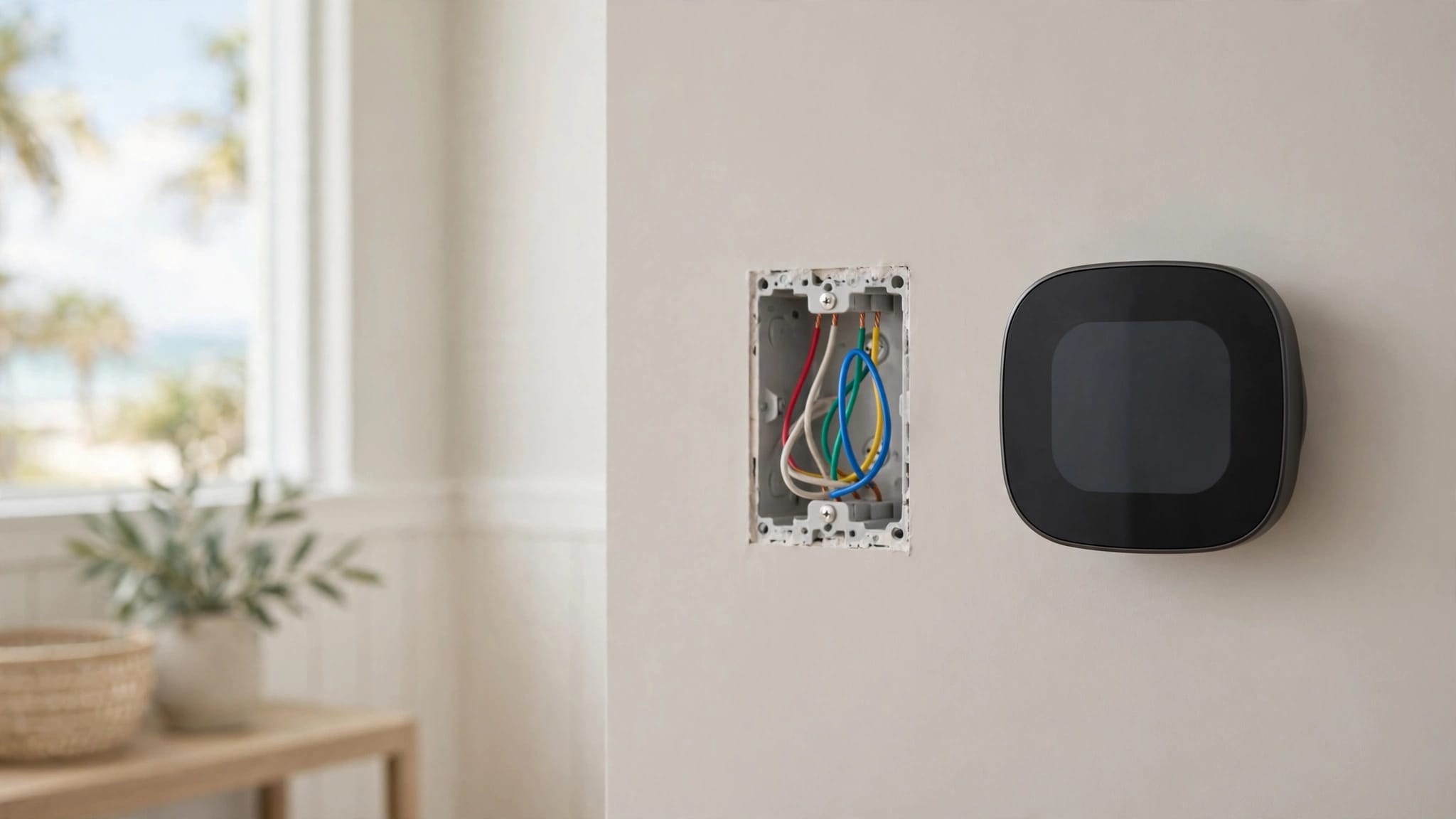
The technician tests the thermostat's cooling call, fan operation, temperature response, and available operating modes. For zoned systems, each zone should respond correctly. Heat pumps also need checks for heating, defrost, and changeover operation.
The condensate drain should move water without backing up. The technician may pour water into the drain pan or use another approved method to confirm that the line and safety switch respond correctly.
Humidity control matters as much as temperature in Fort Myers and Lee County. A system that reaches the thermostat setting but leaves rooms clammy may have airflow, sizing, control, or drainage issues. The startup review should include a conversation about indoor comfort, not only the number on the thermostat.
What commissioning paperwork should include
Customers should receive enough information to understand the equipment and compare future service readings. A clear handoff usually includes:
- The model and serial numbers for the indoor and outdoor units.
- The refrigerant type, filter size, warranty details, and maintenance recommendations.
- Startup readings for temperature, airflow or static pressure when measured, refrigerant, voltage, and amperage.
- Thermostat instructions, outdoor-unit clearance guidance, and condensate drain information.
- Permit or inspection details when local requirements apply.
Homeowners need a useful handoff
Ask the technician to show you the filter location and explain how often to replace it. You should also know where the indoor shutoff switch is located, how to recognize a drain problem, and which noises, smells, or water leaks require a service call.
Keep the commissioning report with your warranty and home records. If another contractor services the system later, those original readings provide a valuable comparison point.
Facility managers need stronger records
For offices, retail spaces, rentals, and multi-unit properties, the report should identify each system and its served area. Record the date, outdoor conditions, operating mode, thermostat setting, readings, equipment identifiers, and any items that need follow-up.
Facility managers should also keep permit records, warranty documents, control settings, and recommendations for future maintenance. Consistent records make it easier to spot declining airflow, rising amp draw, or comfort complaints across multiple visits.
Signs the commissioning may be incomplete
A startup may need follow-up if:
- The technician never runs the system long enough to take stable readings.
- No one checks the thermostat, condensate drain, safety switches, or electrical connections.
- Rooms remain warm, humid, or unevenly cooled after installation.
- The indoor unit drips water, the outdoor unit trips a breaker, or ice forms on a refrigerant line.
- The installer leaves without explaining the filter, controls, warranty, or maintenance schedule.
- You receive no model information or startup documentation.
Some symptoms can have simple causes, such as a dirty filter or incorrect thermostat setting. However, a new system with repeated trips, water leaks, weak airflow, burning odors, or poor cooling deserves professional inspection. HVAC repair and inspection in Fort Myers can help identify whether the issue involves installation, controls, airflow, or equipment failure.
After the handoff, routine HVAC maintenance in Fort Myers helps protect the settings and performance established during commissioning.
Conclusion
AC commissioning is the final quality check that connects installation work with dependable operation. It covers the physical installation, electrical safety, airflow, refrigerant, controls, drainage, humidity, and customer records.
A complete report gives you more than reassurance. It gives you a baseline for warranty support and future service. If you're planning a replacement, Schedule an Estimate and ask which commissioning readings and documents will be included before the work begins.
Recent Posts