How to Protect Your AC During Fort Myers Hurricane Season

Valor HVAC • May 28, 2026

Share this article

Fort Myers storms can turn a healthy AC system into a repair bill fast. Wind, flying debris, salt spray, and floodwater all hit the outdoor condenser first.

A few simple steps before hurricane season can lower the risk. The goal is to keep the unit clear, keep the power safe, and avoid mistakes that trap moisture or damage electrical parts.

Why Fort Myers AC systems need storm prep

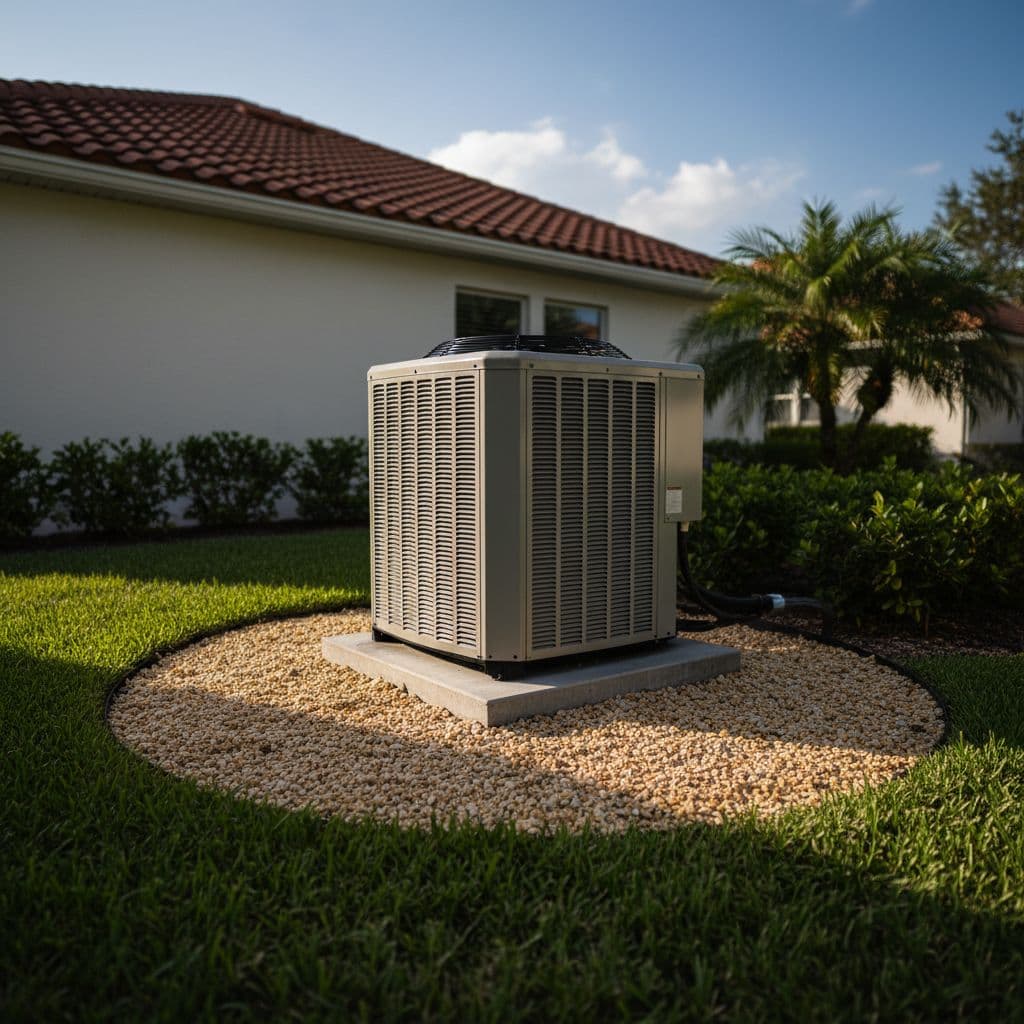
Your outdoor unit sits in the worst spot on the property. It takes the full force of wind-driven rain, airborne branches, and anything else the storm throws around.

That matters more here than in many other places. Southwest Florida gets strong gusts, heavy rain, and salt air that speeds up rust. If you live near the coast, storm surge and standing water can make things worse.

Even a small issue can grow after the storm. A bent fan guard, a flooded control box, or a tripped breaker may look minor at first. Later, it can lead to weak cooling, short cycling, or a unit that won't start at all.

Good AC hurricane prep starts before the first warning. It also starts outside.

Clear the outdoor condenser before the first watch

The space around the condenser should stay open and clean. When the wind picks up, loose yard items can turn into hard projectiles.

Move anything that can blow into the unit. Patio chairs, pool toys, plant pots, hoses, and lightweight decor should all come inside. Trim back tree limbs that hang over the condenser, and cut down branches that could snap nearby.

If mulch, leaves, or palm debris pile up around the base, remove them. The unit needs clear airflow, and storm debris can block drainage around the pad.

Keep the unit uncovered and open

Do not wrap the condenser in plastic while it's running. Do not strap a tarp over it in a way that seals in humidity. Those shortcuts can trap moisture and create more damage after the storm passes.

If you want to shield the area from flying yard debris, focus on the space around the unit, not the cabinet itself. A clear pad, trimmed plants, and secure outdoor furniture do more good than any tight cover.

The safest habit is simple. Leave the equipment open, keep the area tidy, and let it breathe.

Shut off power the safe way

When a hurricane watch turns serious, the AC should go off before the storm reaches you. Water and electricity are a bad mix, and the outdoor condenser is not the place to gamble.

Follow this order:

  1. Set the thermostat to off.
  2. Turn off the AC breaker at the electrical panel.
  3. If water starts rising near the unit, leave the system off until it has been checked.

If you do not know which breaker controls the system, stop there. Do not guess, and do not open electrical covers yourself. That is the time to call a licensed HVAC technician or electrician.

If floodwater reaches the condenser or the breaker panel, keep the power off until the system is inspected.

Storm surge risk is real in Fort Myers, especially in low-lying areas. If your yard tends to hold water, shut the system down early. Waiting until water is at the pad gives you less time and more risk.

Book a pre-season inspection if your system is due

A pre-season check can catch the weak spots before storm season puts them to the test. Loose wiring, clogged drains, worn contactors, and tired parts all make a system more likely to fail when the power blinks or the humidity spikes.

This is also the best time to ask for help if the unit already sounds rough. Rattling, poor airflow, breaker trips, and delayed starts are warning signs. They do not fix themselves in hurricane season.

If your system needs attention, Schedule an Estimate before the next storm watch. A technician can look over the equipment, spot trouble, and help you decide what needs attention now and what can wait.

A service visit before peak storm season is cheaper than a rushed repair after the weather turns. It also gives you one less thing to worry about when the forecast starts changing by the hour.

Flooding, salt air, and wind-driven rain need different responses

Not every storm problem looks the same. Wind can bend metal. Rain can get into cabinets. Floodwater can reach wiring and motors. Salt air leaves a film that speeds up corrosion.

The right response depends on what the unit faced. This quick guide helps:

Storm condition Safe response
Debris hit the condenser Leave power off and inspect the cabinet for visible damage
Water rose near the pad Keep the breaker off until a technician checks the unit
Floodwater touched the base Do not restart the system
Breaker trips after the outage Do not keep resetting it
Salt spray coated the area Plan for an inspection before normal use

The takeaway is simple. If the storm touched the equipment, treat it as compromised until someone qualified checks it.

Do not hose down electrical parts yourself. Do not open the cabinet if the area is wet. Do not try to dry the unit with fans, towels, or a household vacuum. Those moves can spread moisture to places you cannot see.

Salt air also deserves respect here in Southwest Florida. Even if the storm never floods the yard, salty moisture can speed up rust on screws, coils, and cabinet panels. That is one reason regular maintenance matters long before hurricane season.

Bring the system back online with caution

After the storm passes, wait until the area is safe and dry before you think about turning the AC back on. Start with a quick visual check from the outside.

Look for bent fan blades, loose panels, shifted pads, or branches caught in the cabinet. If the unit sits in standing water, leave it off. If you see scorch marks, smell burning, or hear grinding noises, stop there.

Check the breaker panel too, but only if the area is dry and safe to approach. If the breaker tripped, do not keep flipping it back on. Repeated trips usually mean the system needs help.

Once the unit looks sound, restore power and listen closely. The fan should start cleanly, and the system should cool without strange sounds. If it short cycles, blows warm air, or shuts down again, call for service.

If your AC won't restart after a storm, or if it shows flood damage, use 24/7 emergency HVAC support. Fast help matters when the house is hot, humid, and full of storm leftovers.

A clean filter can also help after the storm. Dust, drywall debris, and fine dirt often move through the house during repairs and cleanups. A clogged filter can make an already stressed system work harder.

Conclusion

Hurricanes put Fort Myers AC systems under pressure from every angle. The outdoor condenser faces wind, rain, debris, flooding, and salt air , so early prep pays off.

Keep the area clear, shut the power off safely, and stay away from DIY electrical work. If floodwater touches the unit or the breaker trips after the storm, leave it off until a pro checks it.

A little AC hurricane prep now can spare you a hot, costly surprise later.

Recent Posts

By Valor HVAC May 30, 2026
Storms can knock an AC offline without destroying it. A lightning strike, power outage, or flooded yard can leave the system silent even when the rest of the house seems fine. The tricky part is that the problem may be simple, like a thermostat setting, or serious, like surge...
By Valor HVAC May 29, 2026
If your AC fan stays on after the house reaches the set temperature, that isn't always a problem. A short post-cycle run can help clear extra cool air from the coil and smooth out the room temperature. But if the AC fan keeps running for a long time, or never seems to stop, so...
By Valor HVAC May 27, 2026
A Fort Myers electric bill can climb fast once summer heat settles in. Your AC runs longer, works harder, and fights sticky indoor air all day. That jump can feel sudden because the weather changes before your habits do. The good news is that most of the cost drivers are easy...
By Valor HVAC May 26, 2026
Low airflow can make a Fort Myers home feel sticky even when the AC is running nonstop. The thermostat may say the house is cooling, but weak air from the vents tells a different story. In Southwest Florida, that problem shows up fast. Heat, humidity, dust, and seasonal debris...
By Valor HVAC May 25, 2026
A blank thermostat can turn a normal day into a frustrating one fast. One minute the house feels fine, then the screen goes dark or the buttons stop working. Most of the time, the cause is simple. Sometimes the problem starts at the thermostat, and sometimes it comes from the...
By Valor HVAC May 24, 2026
A musty AC smell can show up fast in Fort Myers homes, especially after a rainy stretch. In a humid climate, your system moves a lot of moisture, and that moisture can leave behind a stale odor if something is off. Sometimes the smell fades after the system runs for a bit. Oth...
By Valor HVAC May 23, 2026
Most air conditioners in Southwest Florida last about 10 to 15 years . With solid maintenance and a good installation, some systems make it to 15 to 20 years, but coastal air, heavy use, and skipped service can shorten that window fast. If your unit is already near the 10-year...
By Valor HVAC May 22, 2026
A rattling AC noise can start as a small annoyance, then turn into a bigger repair if you ignore it. Buzzing is just as important, because it often points to a loose part or an electrical issue. In Southwest Florida, air conditioners work hard for months at a time. Heat, humid...
By Valor HVAC May 21, 2026
One bedroom stays sticky while the rest of the house feels fine. In Fort Myers, that usually has a clear cause, and it often shows up in the same few rooms. Strong sun, attic heat, humidity, and weak airflow can all turn a comfortable house into one with hot rooms in Fort Myer...
By Valor HVAC May 20, 2026
An AC that sweats a little is normal. An AC leaking water onto the floor, dripping through the ceiling, or shutting off over and over is not. In Fort Myers, that problem shows up more often than many homeowners expect. Hot afternoons, high humidity, and long cooling cycles put...
Show More