How to Protect Your AC During a Home Renovation
Renovation dust can reach an air conditioner long before the room looks dirty. The right precautions help protect AC renovation zones and the equipment that cools your home, especially when drywall, tile, or cabinets create fine airborne particles.
Southwest Florida homes depend on air conditioning for much of the year. Dust that enters the system can restrict airflow, coat sensitive components, spread through ductwork, and create repair issues after the project ends. A safe plan starts before demolition and continues until the last cleanup is complete.
How to Protect AC Renovation Zones Before Work Starts
A good plan starts before contractors bring tools, materials, and demolition debris into the home. Walk through the property and identify every part of the HVAC system, including the indoor air handler, return grilles, supply vents, thermostat, outdoor condenser, and any exposed ductwork.
Share that information with the renovation crew. Workers may protect floors and furniture but overlook an air return or place drywall beside the condenser. Clear instructions reduce those risks.
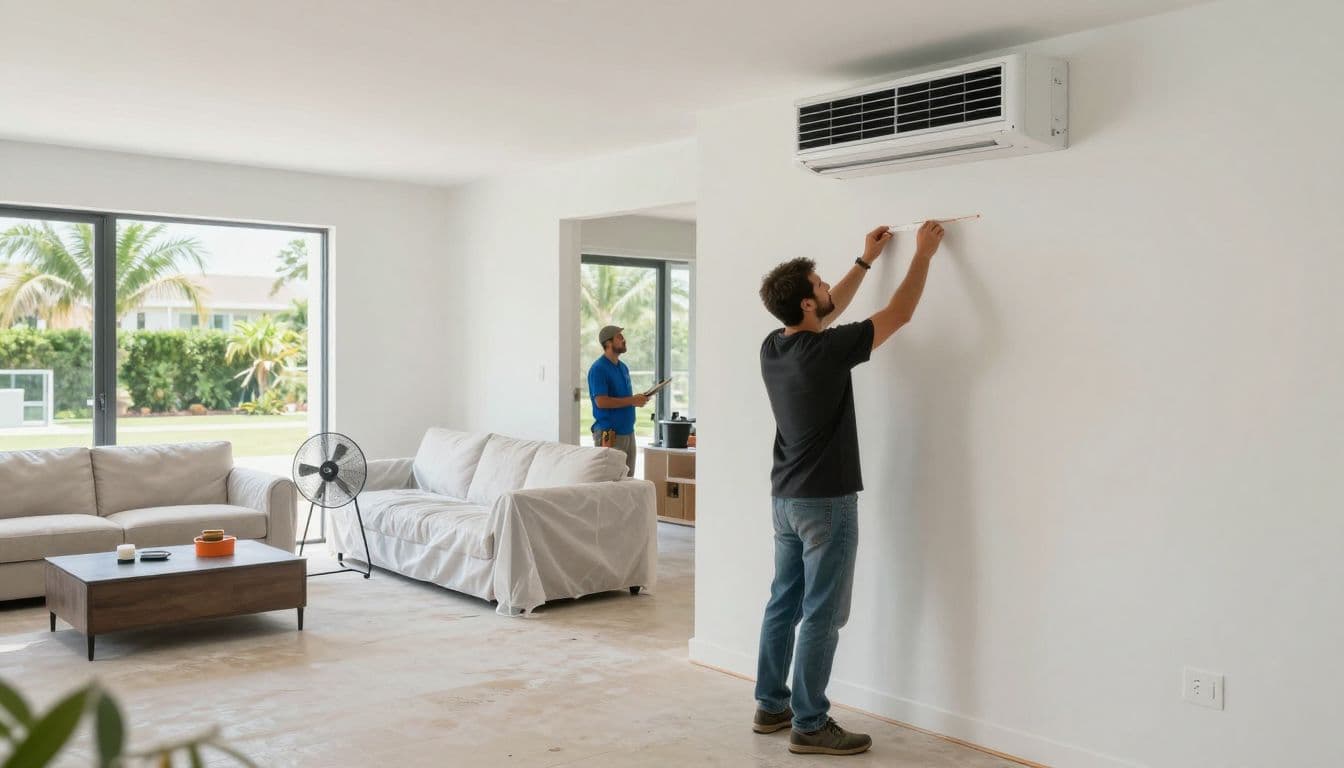
Tell the contractor where the HVAC equipment is
Point out the indoor air handler and explain which rooms contain return and supply vents. If the air handler sits in a closet, garage, attic, or utility room near the work area, keep construction materials and loose debris away from its access panel.
Ask the contractor to use a floor-to-ceiling dust barrier around the renovation zone. A temporary plastic wall, zippered entry, or closed door can reduce the amount of dust that travels through the home. The barrier should isolate the work area, not wrap tightly around operating HVAC equipment.
If renovation work affects a duct, vent, or air handler closet, discuss the plan before the work begins. Duct openings should never remain exposed while workers sand, cut, or remove building materials.
Set a shutdown plan before demolition
Decide when the AC will be turned off each day. The thermostat should remain off during demolition, drywall sanding, concrete cutting, tile grinding, and other tasks that produce heavy dust.
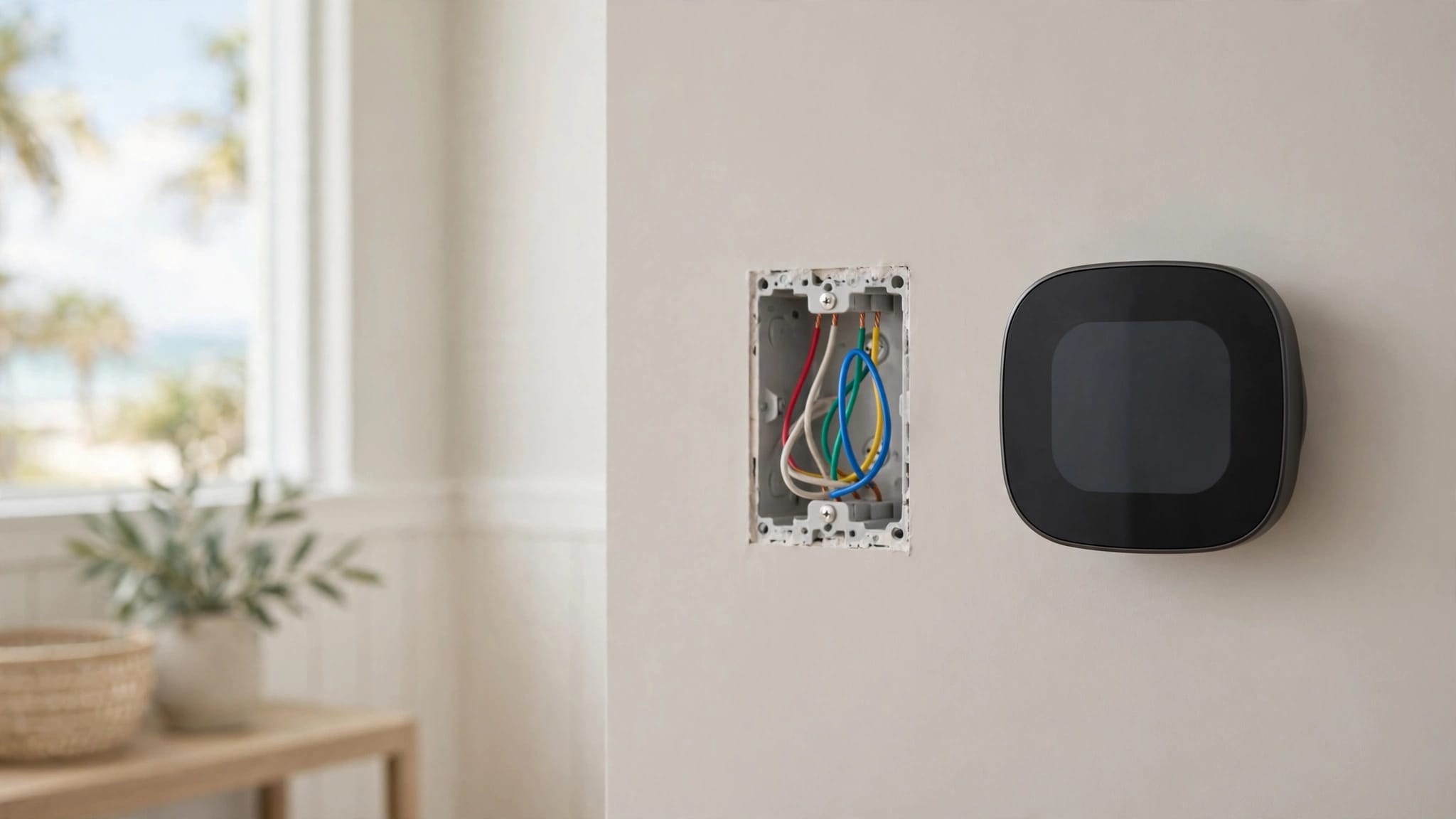
If workers need access near electrical components, let a qualified HVAC professional handle any equipment shutdown beyond the thermostat. Homeowners shouldn't open electrical panels, disconnect wiring, or remove access covers.
Also plan for occupied rooms, pets, and Florida heat. If the house needs temporary cooling, ask the contractor or HVAC company about a safe arrangement. Running the central system through a cloud of construction dust can create more trouble than a short period without cooling.
Turn Off the AC for the Dustiest Work
Fine particles are small enough to pass through gaps around grilles and equipment panels. Once inside, they can collect on the filter, blower assembly, evaporator coil, and other parts that depend on clean airflow.
Turning off the system limits how much contaminated air moves through the home. It also keeps the blower from pulling dust out of the renovation area and distributing it into finished rooms.
Pause cooling during demolition and sanding
Keep the AC off while workers remove drywall, cut tile, sand joint compound, grind concrete, or cut wood indoors. These tasks create far more airborne dust than ordinary painting or installation work.
The system should stay off until the work area has been cleaned with suitable construction methods. Sweeping dry dust can send particles back into the air, so the crew should follow its normal dust-control process before restarting the system.
If work lasts several days, replace or inspect the filter before the next cooling cycle. A filter that looks clean before construction can load quickly once sanding and demolition begin.
Protect AC renovation areas by controlling dust at the source, not by sealing a running system under plastic.
Don't use airtight covers on operating equipment
Never drape plastic, tarps, or other airtight material over a running air handler or outdoor condenser. These covers can block airflow and trap heat, which can cause the equipment to overheat or operate under excessive strain.
A cover also doesn't stop dust from entering through openings in the system. It may hide the equipment while creating a separate safety problem.
Use dust barriers around the work zone instead. If equipment itself needs temporary protection, turn the system off first and have the contractor use a loose, removable covering that won't contact moving parts or block required access. Remove every cover before anyone turns the AC back on.
Keep the Outdoor Condenser Clear and Uncovered
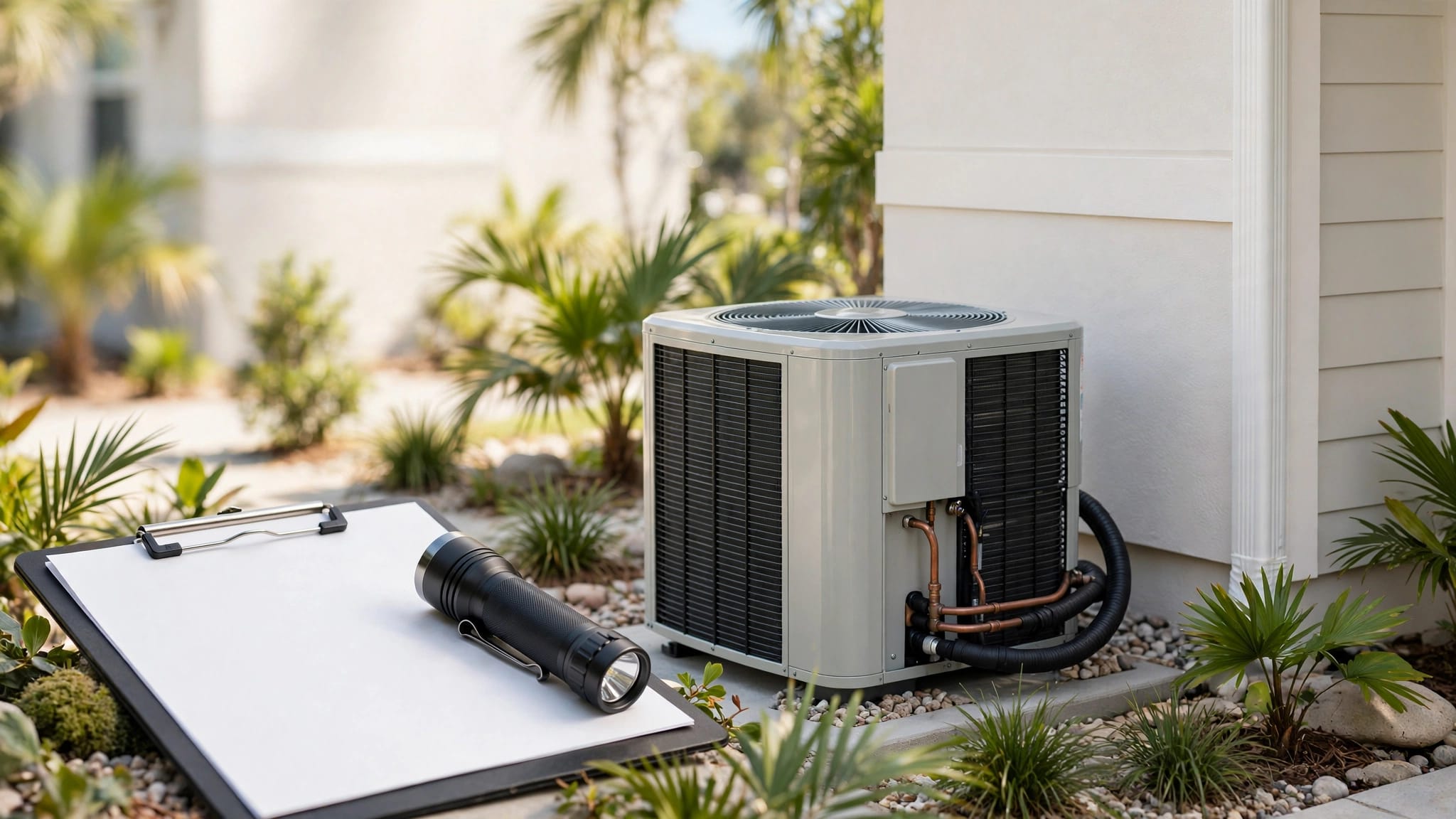
The outdoor condenser needs open space to release heat. During a renovation, contractors may place plywood, ladders, bags of cement, boxes, or scrap materials beside the unit. Dust and debris can also collect on the outdoor coil.
A blocked condenser can't exchange heat properly. The system may run longer, cool less effectively, or shut down under stress.
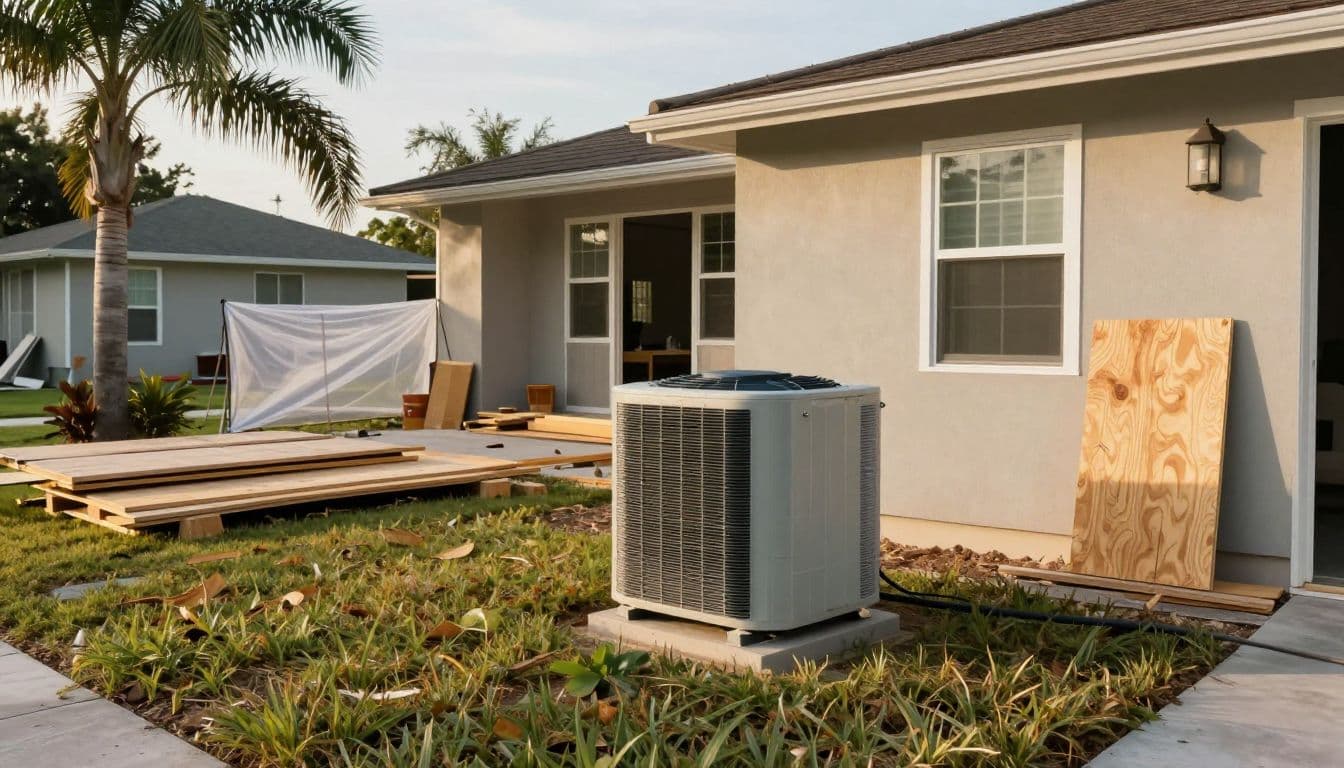
Create a clean perimeter around the condenser
Keep construction materials away from the condenser and preserve the clearances required by the unit's manufacturer. Don't lean boards against it or stack supplies above it.
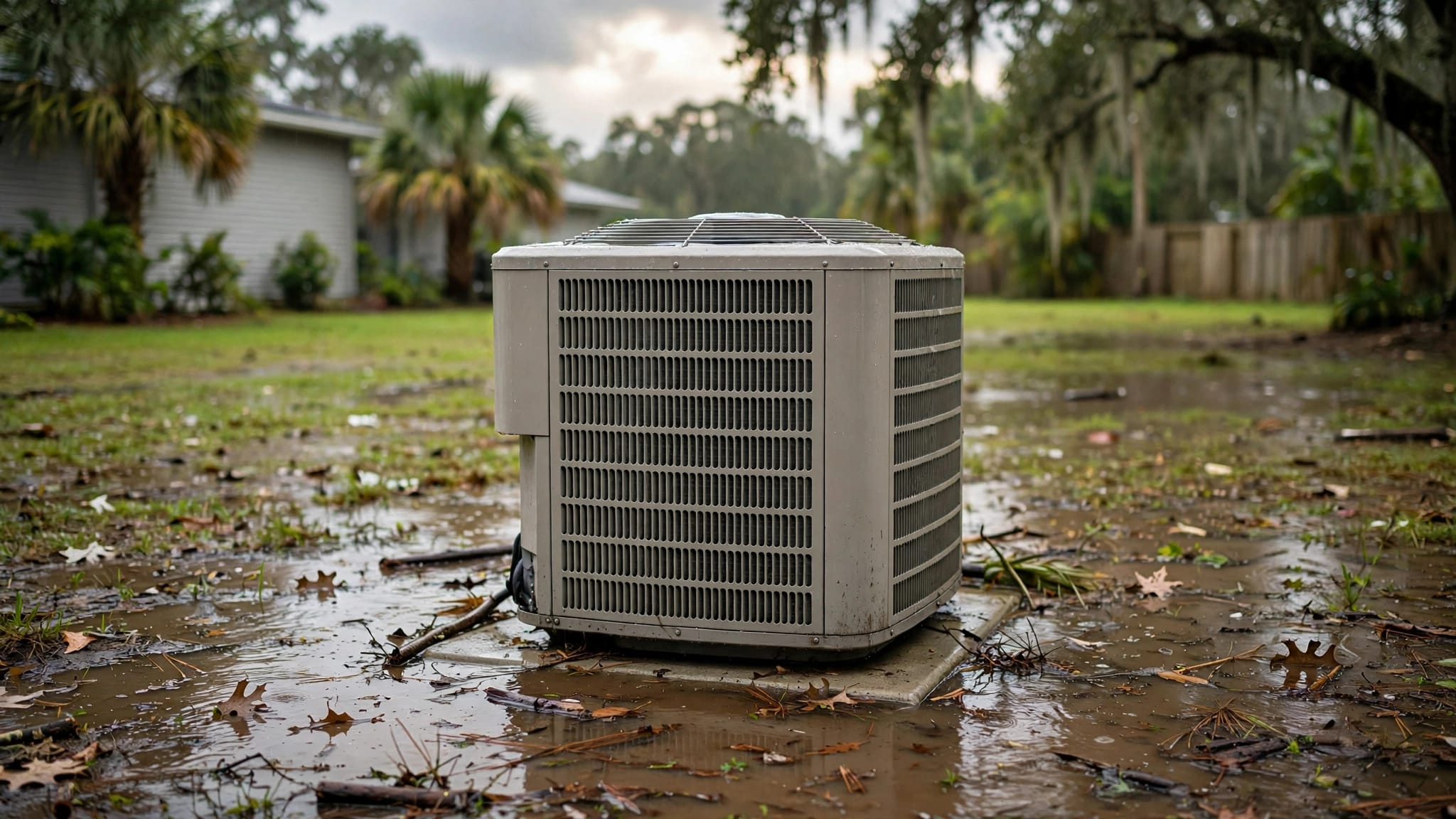
Protect the ground around the unit as well. Loose insulation, sawdust, drywall pieces, leaves, and plastic can get pulled toward the coil or fan. The renovation crew should remove debris near the condenser at the end of each workday.
If the project includes stucco, pressure washing, painting, or cutting near the unit, ask the contractor how the condenser will be shielded while it remains accessible. Water, overspray, and heavy dust can damage components or coat the coil.
Use barriers without blocking airflow
A temporary barrier can separate the condenser from the work area, but it shouldn't form a tight box around the unit. The fan needs unrestricted intake and discharge space while the system operates.
Don't place a tarp directly over the condenser while it's running. Don't tape plastic across the coil or cover the top where hot air leaves the unit. When the system is off, any temporary protection should be loose, removable, and taken away before operation resumes.
The same protect AC renovation principle applies outside: stop debris before it reaches the equipment, then leave the equipment open to move air.
Protect Vents, Returns, and Ductwork
Supply vents and return grilles connect the renovation area to the rest of the home. A return grille is especially important because it pulls room air back toward the air handler. If it sits near sanding or demolition, it can draw dust into the system quickly.
Covering vents can help, but only when done at the right time and in the right way.
Cover openings in active work areas
With the AC turned off, temporarily cover supply vents and return grilles inside the renovation zone. Use clean, removable material that won't leave adhesive or damage painted surfaces. The contractor should remove the covers after the dusty task ends and before the system restarts.
Don't stuff rags, paper, or loose cloth into ducts. Those materials can break apart, restrict airflow, or remain inside the system.
If workers remove a grille or disconnect a duct, the opening needs a secure temporary seal. Ask the contractor to protect exposed duct edges from dust and debris instead of leaving them open overnight.
Keep finished areas free of construction debris
Protect vents in finished rooms from nearby dust, but don't pile furniture, boxes, flooring, or tools over them. Supply vents need room to distribute cooled air, while return grilles need a clear path to pull air back.
Vacuum or wipe the area around grilles after construction. Avoid pushing dust into the opening or using sprays inside the duct. A clean surface around a vent reduces the amount of loose material that can enter when the system starts again.
Homes with pets, high humidity, or frequent AC use may need closer filter attention during a renovation. Fort Myers homeowners can review guidance on how often to replace an AC filter, then check the filter again after the work ends.
Restart Carefully After Construction Dust Settles
Restarting the AC should be part of the final cleanup, not an automatic step after the workers leave. Remove temporary vent covers, check the filter, clear debris around the condenser, and confirm that no plastic or tape remains near moving parts.
Then run the system briefly while listening and watching for changes. New rattling, weak airflow, unusual odors, icing, water around the indoor unit, or unusually long cooling cycles can point to a problem.
Replace the filter before the first cooling cycle
A fresh filter is a sensible first step after dusty work. Construction dust can load a filter quickly, even when the filter was replaced shortly before the renovation began.
Don't install a filter with a higher MERV rating unless the HVAC system can handle it. A filter that restricts airflow may create another problem. If the system has trouble moving air after the renovation, a technician can check whether the filter, blower, coil, or ductwork is responsible.
Avoid opening the air handler to brush or vacuum internal parts. Blower assemblies and coils can be damaged by improper cleaning, and electrical components can remain hazardous even when the thermostat is off. Safe AC maintenance tips for Fort Myers homeowners can help you separate basic homeowner tasks from work that requires a professional.
Request an inspection if dust entered the system
Call an HVAC professional if dust reached the air handler, blower compartment, evaporator coil, return duct, or supply ductwork. The same applies if contractors cut into a duct, left an opening uncovered, or removed insulation around the system.
A technician can inspect the equipment and airflow without guessing. Depending on what they find, the service may include filter replacement, coil or blower cleaning, duct repairs, or further testing. Dust inside the system can continue circulating after the visible renovation mess is gone.
Schedule an inspection promptly if the AC stops cooling, trips a safety switch, produces a burning smell, or leaks water. For homes in Fort Myers and Lee County, professional HVAC inspections can identify renovation-related problems before they become a larger repair. If you're planning work and want the system checked first, you can Schedule an Estimate with a Valor Heating & Cooling technician.
Conclusion
Renovation dust can reach an AC before the room appears dirty. Turn the system off during heavy dust-producing work, isolate the work area, keep vents and returns clear, and leave the outdoor condenser open to airflow.
The simplest way to protect AC renovation areas is to prevent dust from entering the system in the first place. If dust did get inside the equipment or ductwork, arrange an inspection before regular cooling resumes.
Recent Posts