Manual J Load Calculation for Fort Myers Homes Explained

Valor HVAC • September 4, 2026

Share this article

An air conditioner can cool a Fort Myers home quickly and still leave it feeling damp, uneven, or expensive to run. A Manual J load calculation helps prevent that problem by matching the system to the home instead of relying on a rough square-footage estimate.

Florida's long cooling season puts unusual pressure on equipment selection. The right size depends on how your home gains heat and holds moisture, not the tonnage of the unit being replaced.

What Is a Manual J Load Calculation?

A Manual J load calculation is an engineering-based method for estimating a home's heating and cooling needs. ACCA, the Air Conditioning Contractors of America, publishes Manual J as a residential load-calculation standard.

The result is a design load measured in BTUs per hour. It tells the HVAC professional how much sensible cooling is needed to lower air temperature and how much latent cooling is needed to remove moisture.

The home details behind the number

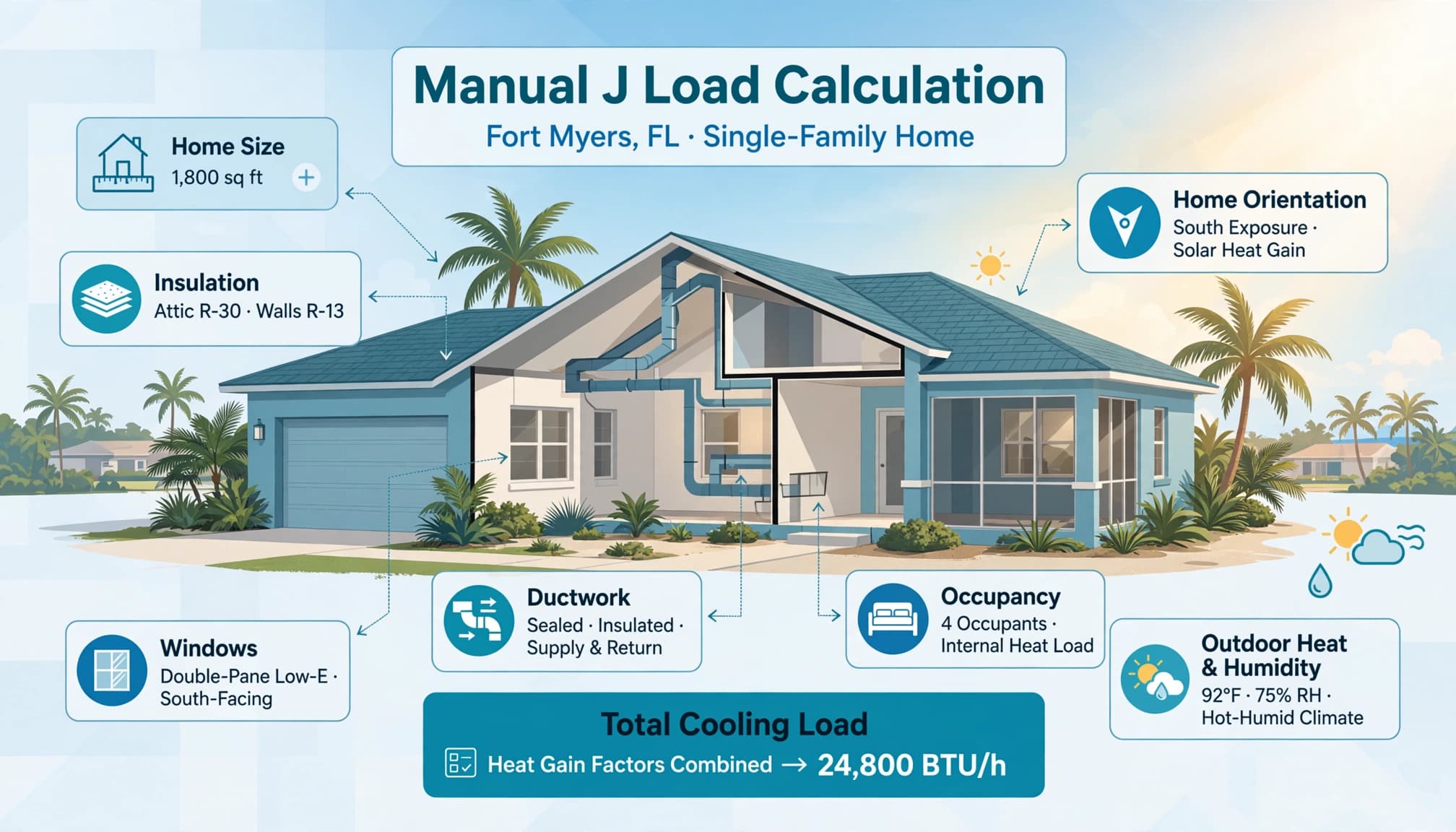
Square footage is only one input. Two 2,000-square-foot homes can need different equipment because their construction and daily conditions differ.

A qualified HVAC professional reviews details such as:

  • Floor plan, ceiling heights, room layout, and conditioned space
  • Insulation in walls, ceilings, and floors
  • Window size, glass type, shading, and direction of exposure
  • Air leakage around doors, windows, and penetrations
  • Number of occupants and heat from appliances
  • Duct location, insulation, and condition

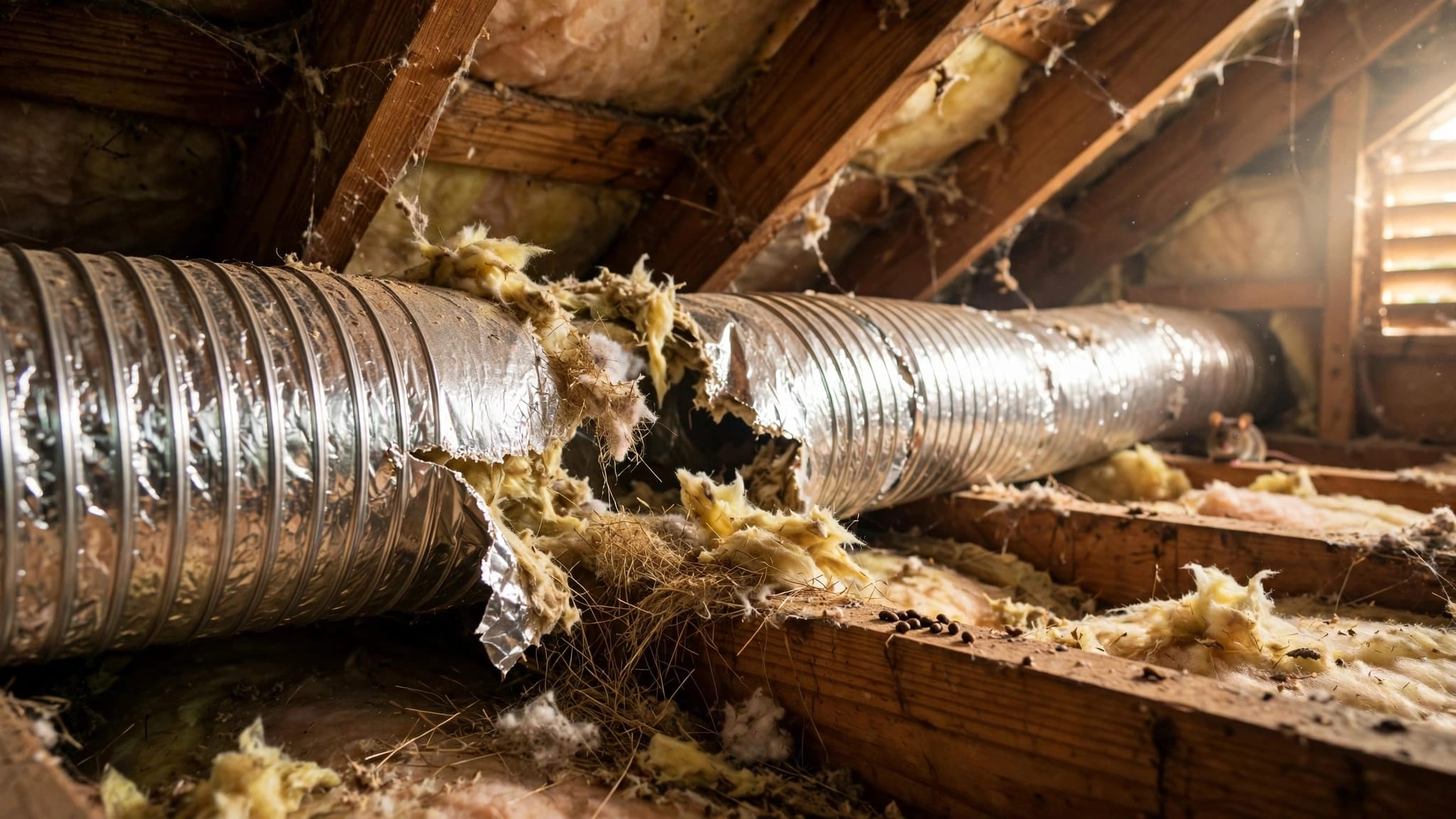
A west-facing wall with broad afternoon sun can add far more heat than a shaded wall. Likewise, leaky ducts in a hot attic can change the capacity and airflow a system needs.

Why Fort Myers Humidity Changes AC Sizing

Fort Myers homes need more than cold air. They need steady moisture removal during hot, humid weather.

Manual J calculations separate sensible and latent loads. That distinction matters because your thermostat responds mainly to temperature, while humidity can remain high after the air reaches the set point.

Oversized air conditioners can leave a home clammy

Many homeowners assume a larger system brings better comfort. In Southwest Florida, an oversized unit often cools the thermostat area too fast, then shuts off before it removes enough moisture.

That stop-and-start pattern is called short cycling. It can cause:

  • Sticky indoor air, even when the thermostat setting looks right
  • Uneven temperatures between rooms
  • Higher energy use from frequent starts
  • More wear on components, including the compressor

In humid weather, longer properly sized cooling cycles often remove more moisture than short blasts from an oversized system.

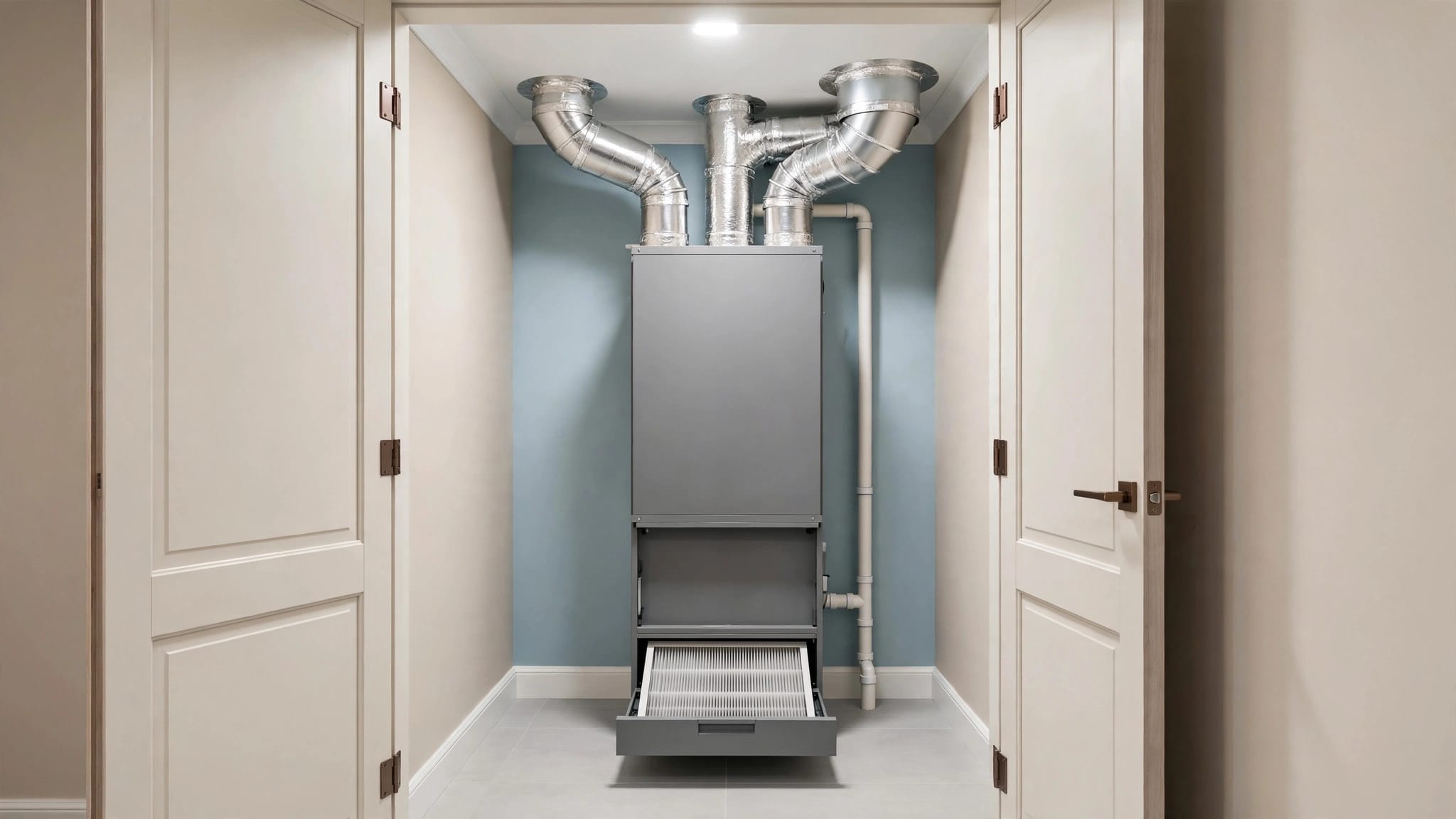
A right-sized system also needs proper airflow, ductwork, refrigerant charge, and drainage. Equipment size is only one part of comfort, but it sets the foundation for the rest of the installation.

A Manual J Load Calculation Matters for Replacements

Replacing an old AC with the same tonnage can repeat an old sizing mistake. Homes change over time, and so do their cooling demands.

New windows, attic insulation, a roof replacement, added bedrooms, enclosed lanais, duct repairs, and changes in household size can all affect the current load. An older unit may also have been oversized from day one.

Existing homes need a current assessment

For an existing home, the technician should measure and inspect what is there now. That includes the layout, insulation where accessible, windows, return-air paths, and duct condition.

The Florida Building Code recognizes ACCA Manual J as a method for determining residential heating and cooling design loads. Equipment selection then should match those calculated loads through ACCA Manual S or another approved method.

Local permit requirements can also apply to a replacement. Review Lee County AC replacement permit requirements before work begins, especially if the project includes an air handler, electrical changes, or duct modifications.

A home with hot back bedrooms or a weak second-floor return may need duct corrections as well as new equipment. For that reason, a ductwork inspection before AC replacement can prevent a new system from inheriting old airflow problems.

What to Expect From a Qualified HVAC Professional

A proper Manual J load calculation starts with a home visit or detailed construction information. A contractor can't produce a dependable result from a phone call, a past utility bill, or square footage alone.

Ask to see the assumptions used for the project. The report should account for Fort Myers design conditions, indoor temperature settings, window exposure, insulation values, air leakage, occupancy, and ducts.

The calculation should guide equipment selection

The calculation does not select a model by itself. After establishing the home load, the HVAC professional uses manufacturer performance data and Manual S procedures to match equipment capacity at local design conditions.

That conversation should include humidity control, variable-speed options when appropriate, thermostat settings, duct repairs, and condensate drainage. It should also explain why the recommended tonnage fits your house.

When reviewing proposals, ask whether the quote includes a load calculation and how the contractor accounted for the latent load. You can Schedule an Estimate with an HVAC technician to review your home's layout, ducts, and replacement options in person.

The Right AC Size Starts With Your Home

A Manual J load calculation replaces guesswork with measurements that reflect your Fort Myers home. It accounts for the heat, sunlight, insulation, ductwork, and humidity that affect comfort every day.

For a replacement or new installation, insist on a current calculation from a qualified HVAC professional. Proper sizing helps your system cool consistently, control moisture, and avoid needless wear.

Recent Posts

By Valor HVAC September 3, 2026
A Florida AC can run for hours and still leave your home feeling sticky, uneven, or warmer than it should. Checking the AC temperature difference gives you a useful snapshot of how your system is moving heat and moisture. This quick test won't diagnose every problem, but it ca...
By Valor HVAC September 2, 2026
A failed air conditioner can turn a Southwest Florida rental into a dangerous place fast. Yet Florida rental AC responsibilities are not as simple as "the landlord always fixes it" or "the tenant always pays." Florida law sets a baseline, while the lease, the cause of the fail...
By Valor HVAC September 1, 2026
A small crack under your indoor AC unit can become a stained ceiling, wet insulation, or damaged flooring. In Southwest Florida, a condensate drain pan handles a steady flow of moisture for much of the year, so small drainage problems can build quickly. Florida heat and humidi...