HVAC Air Balancing for More Even Fort Myers Comfort
A home can have a working air conditioner and still feel uncomfortable. One bedroom may stay warm, the hallway may feel chilly, and a living room vent may barely move the curtains. HVAC air balancing looks for the airflow problems behind those uneven conditions.
For Fort Myers homeowners, this service can be useful after a remodel, new AC installation, duct repair, or repeated hot and cold spots. It starts with real measurements, then connects those readings to your equipment, ductwork, and room layout.
What HVAC Air Balancing Means in a Home
HVAC air balancing is the process of measuring and adjusting how air moves through a home's heating and cooling system. The goal is to deliver an appropriate share of conditioned air to each room while keeping the system's overall airflow within a healthy operating range.
A technician does not balance a system by opening every register as far as possible. Air has to travel through supply ducts, return pathways, filters, coils, and grilles. A change in one part of that path can affect other rooms.
Supply airflow and return airflow work together
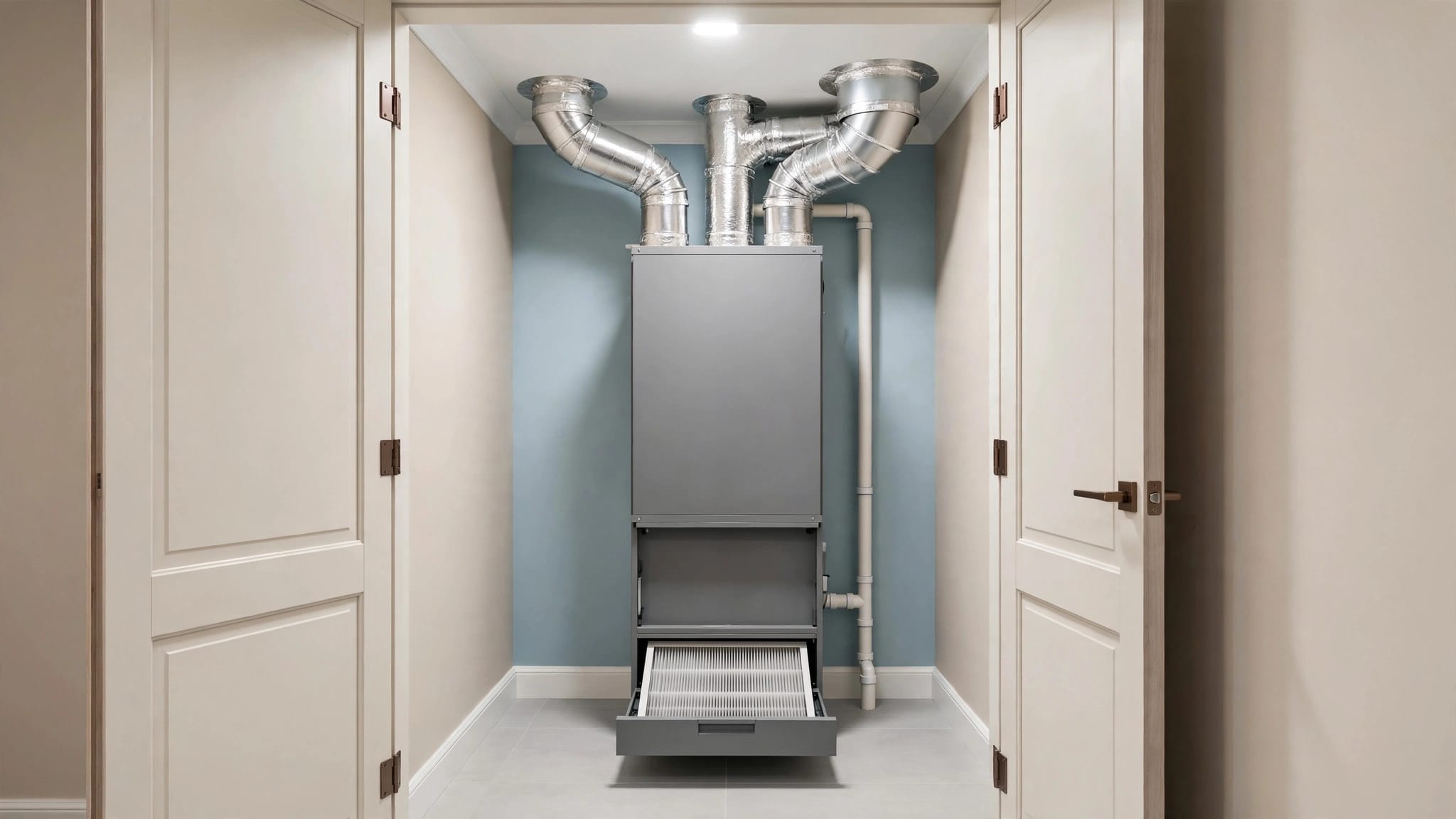
Supply vents deliver cooled or heated air into rooms. Return vents pull household air back to the air handler, where the system filters and conditions it again.
Both sides matter. A bedroom with a supply vent but no good return path may feel stuffy when its door is closed. The room can receive cooled air, yet pressure builds and limits circulation back to the system.
Poor return airflow may also make some supply vents sound louder. For a closer look at this part of the system, review return air vent sizing for Fort Myers homes.
Measurements replace guesswork
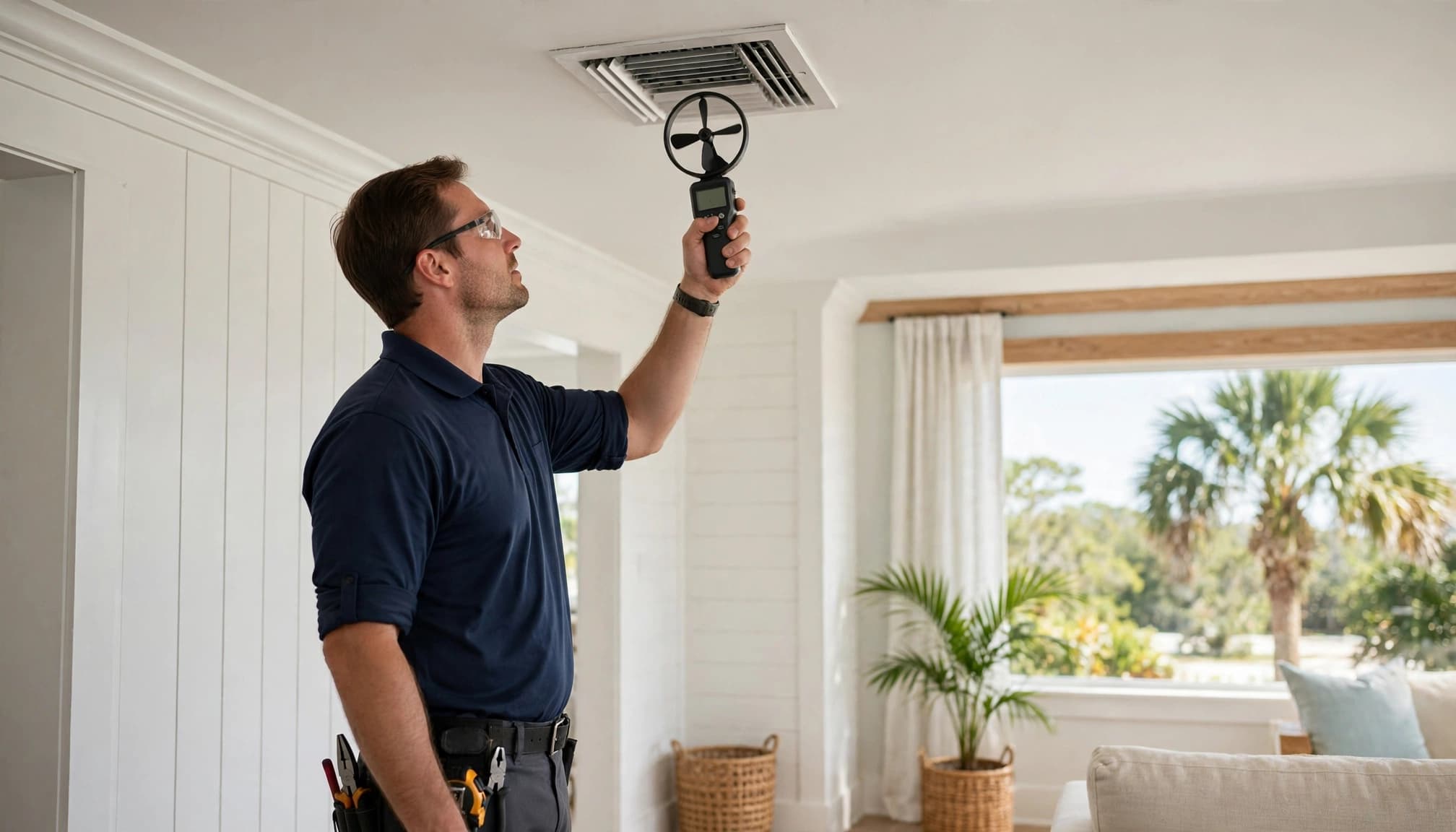
Technicians often use an anemometer, airflow hood, manometer, or digital gauges during an assessment. These tools help measure air speed, airflow volume, and static pressure.
Static pressure describes the resistance air faces as it moves through the system. A clogged filter, restrictive return, undersized duct, dirty coil, or closed damper can raise that resistance. Balancing readings give the technician a clearer starting point than judging comfort by touch alone.
Signs Your Fort Myers Home May Need Balancing
Florida homes run air conditioning for long stretches of the year. That frequent use can make airflow trouble more noticeable, particularly during humid afternoons when the system works hard to hold the thermostat setting.
A single warm room does not always point to a balancing issue. Sun exposure, insulation gaps, window condition, duct leaks, and equipment problems can create similar symptoms. Still, airflow testing helps separate those causes.
Uneven rooms and weak vents
Consider an evaluation when you notice patterns such as:
- An upstairs bedroom stays warmer than the rest of the house.
- A room at the end of a long duct run gets little air from its supply vent.
- Closing a bedroom door makes that room noticeably less comfortable.
- One area cools quickly while another lags behind every day.
- Supply vents whistle, and interior doors move or resist closing when the system runs.
Recurring room-to-room differences deserve more than repeated thermostat adjustments. Why rooms stay hot in Fort Myers homes can help you sort through other common causes.
Changes to the house or system
Balancing is also worth considering after you add a room, finish a garage, alter ceiling heights, or install new windows. Those changes affect how much cooling a space needs.
An AC replacement can also expose ductwork limits. New equipment may have different airflow requirements than the previous unit. If ducts are damaged, poorly insulated, disconnected, or too small, damper adjustments alone may not correct the problem.
What Happens During an HVAC Air Balancing Visit
A professional visit begins with questions about the home. Expect the technician to ask which rooms feel different, when the problem occurs, whether doors are normally open or closed, and if the issue started after a change to the house.
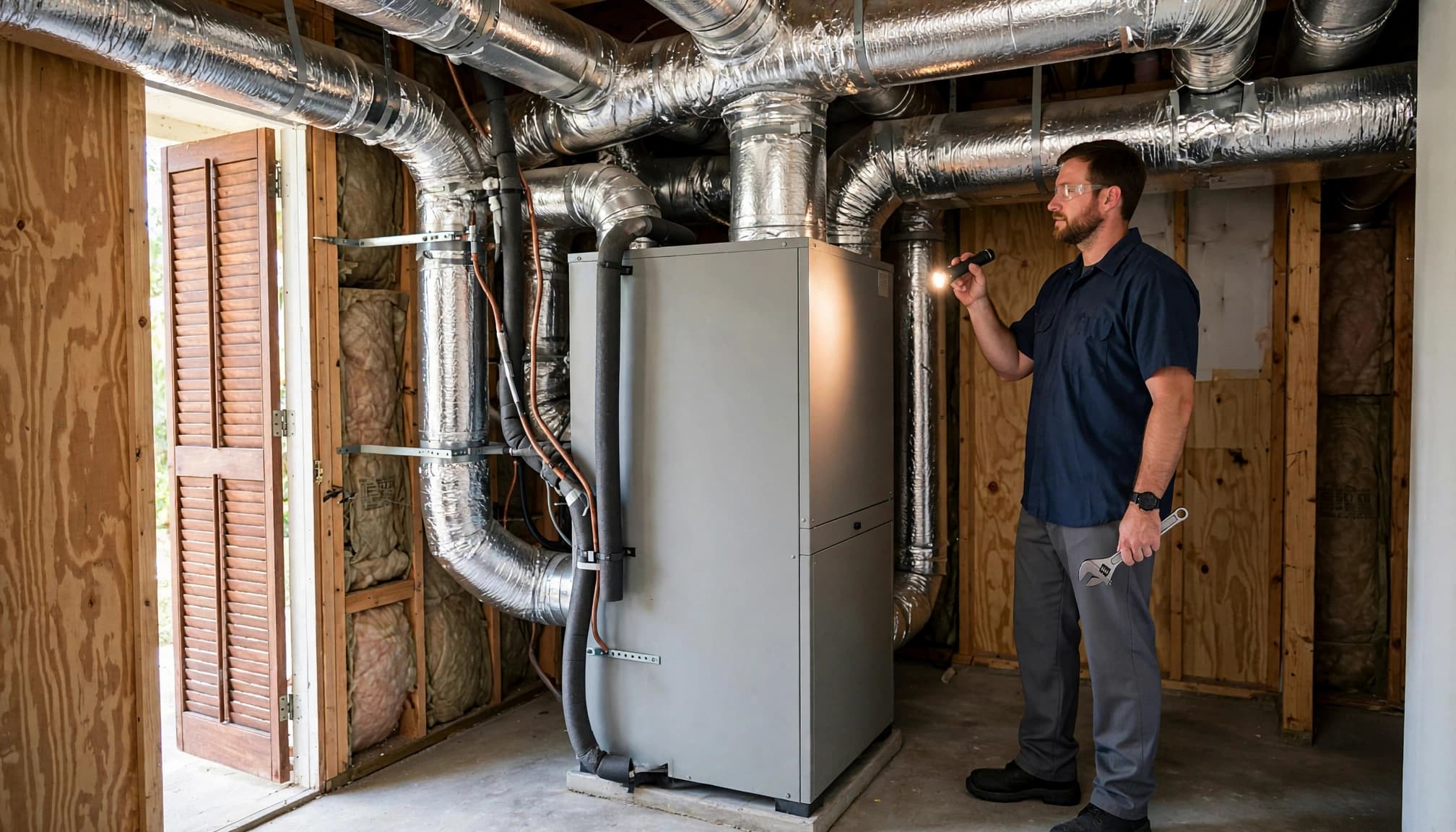
They should also inspect the air handler, thermostat, filter, accessible ductwork, registers, and return grilles. A dirty filter or a blocked return grille can distort readings, so basic issues need attention before detailed adjustments.
Testing the system before changing it
The technician usually runs the system and records readings at selected supply vents and returns. They may check temperature differences, airflow volume, external static pressure, and the blower's operation.
Measurements must be taken with the home in a normal state. Registers should remain open unless the technician directs otherwise, and furniture should not block vents or return grilles. A closed register rarely fixes a warm room. It often adds resistance and pushes air elsewhere.
Inspecting ducts, dampers, and restrictions
Many systems have balancing dampers near branch ducts or at the air handler. These manual devices regulate airflow into individual duct runs. A technician may adjust them in small increments, then recheck the readings.
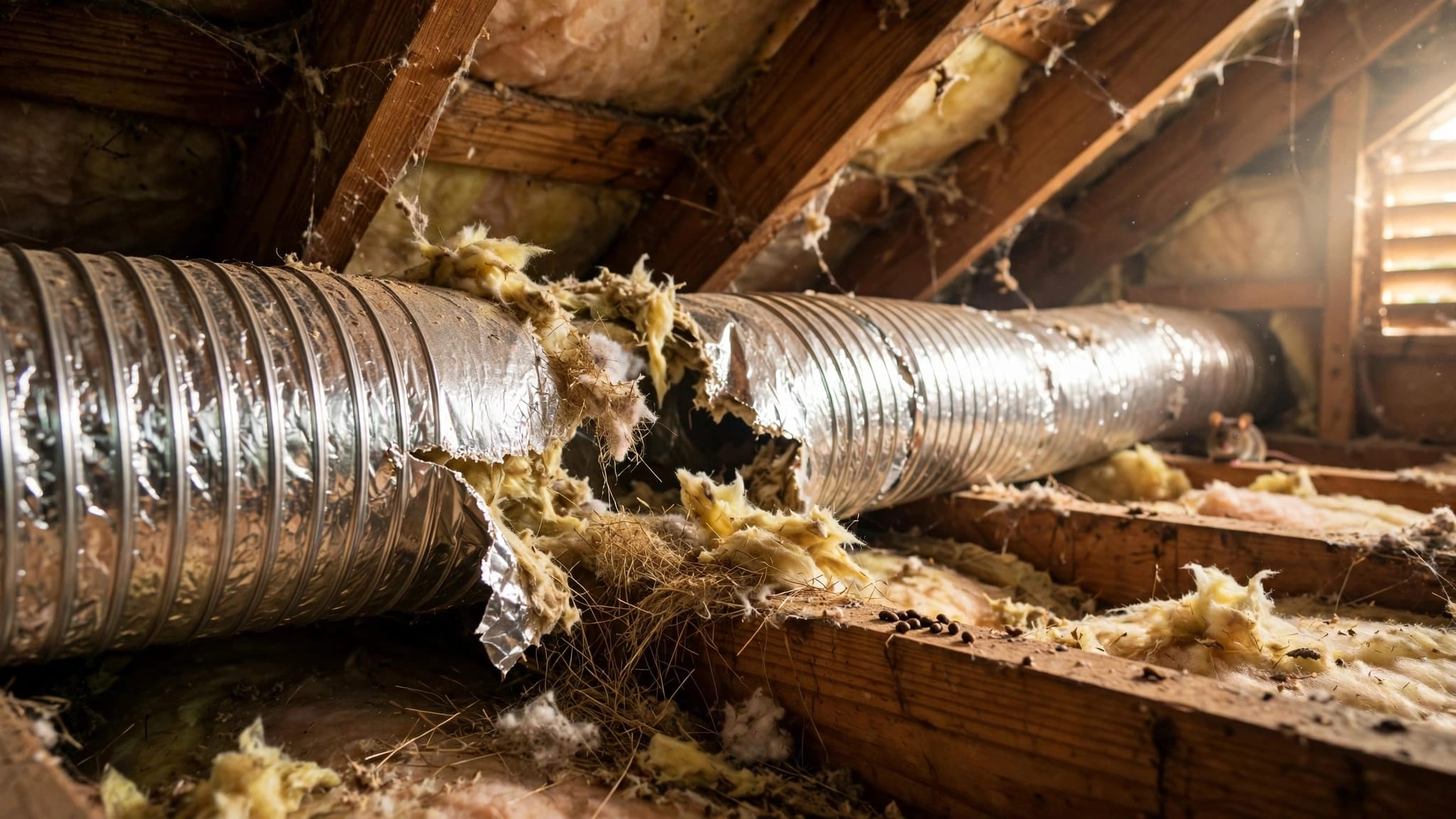
The visit can also uncover crushed flex duct, loose connections, torn insulation, duct leaks, or poorly placed grilles. In some homes, the main concern is a return-air limitation rather than a supply problem.
A room can have a wide-open supply vent and still run warm when the duct, return path, or cooling load limits the air that reaches it.
A thorough visit should end with a plain-language explanation of the readings and recommended next steps.
Adjustments That May Be Part of the Service
Some airflow corrections are simple. Others require repair work or a duct redesign. The right path depends on what the measurements show.
Damper adjustments and register checks
When accessible dampers exist and the duct system is otherwise sound, a technician may fine-tune them to reduce excess airflow in one area and improve delivery in another. They may also confirm that registers are open, clean, and not covered by rugs, furniture, or curtains.
These adjustments take patience. Moving a damper too far can create a new comfort problem in a different room. The technician needs to retest airflow after each change.
Repairs when dampers are not enough
A disconnected duct, duct leak, blocked return, or damaged insulation needs a repair, not a balancing adjustment. Likewise, a room with heavy afternoon sun may need insulation or window-related improvements in addition to HVAC work.
If the air handler has a blower problem, a dirty evaporator coil, refrigerant concern, or electrical fault, those issues should be addressed before final balancing. Fort Myers HVAC repair and inspection can identify equipment problems that affect system performance.
What Homeowners May Notice After Adjustments
When air balancing addresses the actual cause, rooms may feel closer to the thermostat setting. Airflow at weak vents may become more noticeable, and some doors may stop shifting when the system starts.
The change is often more subtle than a blast of cold air. A balanced system aims for steadier circulation without excessive noise or pressure. Fort Myers humidity and outdoor heat still affect how quickly rooms cool, especially during peak summer weather.
Give the system time, then track patterns
After an adjustment, use the home normally for several days. Keep interior doors in their usual positions and note which rooms still feel off at the same time of day.
A basic thermometer can help you document the difference between rooms. Record outdoor conditions too. A room that only warms during late-day sun may need a different fix than one with weak airflow around the clock.
Regular Fort Myers HVAC maintenance also helps keep filters, coils, drains, and blower components from becoming new airflow restrictions.
Questions to Ask Before Scheduling Air Balancing
Clear questions help you understand what the appointment includes and what you may need afterward. Air balancing can be a focused diagnostic service, a set of minor adjustments, or part of a larger duct or equipment repair.
Ask the company:
- Will the technician measure supply airflow, return airflow, and static pressure?
- Are damper adjustments included if the dampers are accessible?
- Will the visit include an inspection of accessible ducts and return pathways?
- What findings would point to duct repair, equipment repair, or a load calculation?
- Will I receive a written explanation of readings and recommended work?
- Is the quoted service limited to testing, or does it include repairs and follow-up adjustments?
Also ask how the technician will protect the home while accessing attic spaces or mechanical closets. Professional work should leave the area clean and should not involve unsupported promises about utility bills or indoor air quality.
If one or more rooms have stayed uncomfortable through normal thermostat changes and filter replacements, Schedule an Estimate with a Valor Heating & Cooling technician. Bring notes about the rooms, times of day, and recent changes to your home.
Air Balancing, Maintenance, and Replacement Are Different Services
Air balancing focuses on airflow distribution and pressure. Maintenance focuses on keeping equipment clean, checked, and operating properly. Repair corrects a failed or worn component. These services often overlap, but they are not interchangeable.
For example, a maintenance visit may find a dirty filter or coil that limits airflow. A repair visit may reveal a weak blower capacitor or damaged duct connection. Balancing comes after the system can move air as intended, then helps determine where that air goes.
When ductwork needs a larger conversation
A home may need duct repair or replacement when the layout cannot support the current system. Common clues include repeated static-pressure concerns, undersized return ducts, badly damaged flex duct, or major additions to the home.
In that situation, a technician may discuss duct repair or replacement guidance. Good ducts do not need replacement because one room feels warm. However, an inspection may show that targeted repair will not solve a larger design issue.
A Better Path to Room-by-Room Comfort
Uneven comfort is frustrating, especially when Fort Myers heat makes every warm bedroom feel bigger. HVAC air balancing replaces vent-by-vent guesswork with measurements of airflow, pressure, duct condition, and return paths.
A technician should explain what they found, make appropriate adjustments, and separate simple fixes from repairs that need more work. That clear process gives you a practical path toward more consistent comfort throughout your home.
Recent Posts