Mini Split Installation Cost in Fort Myers: 2026 Guide
The mini split installation cost in Fort Myers usually falls between $2,300 and $5,500 for a single-zone system. Larger multi-zone projects can cost $5,500 to $14,700, depending on equipment, electrical work, access, and the number of indoor units.
Those are typical 2026 market estimates, not guaranteed quotes. Southwest Florida homes also need careful planning for humidity, salt air, hurricane exposure, permitting, and long cooling seasons. Knowing what the estimate includes will help you compare proposals fairly.
Mini split installation cost in Fort Myers: typical 2026 ranges
A ductless system can cool one bedroom, an addition, a garage, or several rooms without installing new ductwork. The final price depends more on the project scope than on the indoor unit alone.
Single-zone systems cost less to install
A single-zone mini-split has one indoor air handler connected to one outdoor condenser. Typical Fort Myers estimates range from $2,300 to $5,500 installed .
A straightforward installation may include a short line set, nearby electrical access, a simple condensate drain, and an accessible outdoor mounting location. Costs rise when the crew needs to run lines through finished walls, install a new circuit, modify drainage, or mount the condenser above ground.
Nearby Cape Coral and Fort Myers market estimates place the average project near $5,075, with approximately $1,500 to $4,500 per indoor unit or zone. That figure provides useful context, but it isn't an official Fort Myers price.
Multi-zone systems require more equipment and labor
A three-zone installation typically ranges from $5,500 to $14,700 . Each additional indoor head adds equipment, refrigerant piping, drainage considerations, controls, and installation time.
The outdoor condenser must also support the combined capacity of the indoor units. A contractor should perform a load evaluation rather than add up room sizes alone. Oversizing can increase the purchase price and cause short run times, which may leave the home feeling cool but damp.
| Project type | Typical 2026 Fort Myers-area range |
|---|---|
| Single-zone mini-split | $2,300 to $5,500 |
| Three-zone mini-split | $5,500 to $14,700 |
| Per indoor unit, nearby-market estimate | $1,500 to $4,500 |
Use these ranges to identify questions, not to predict a final invoice. A written site-specific estimate is more useful than a low advertised starting price.
What a professional mini-split installation includes
A complete installation involves more than hanging an indoor unit and placing a condenser outside. The contractor should explain the equipment, labor, electrical work, permits, startup, and cleanup in writing.
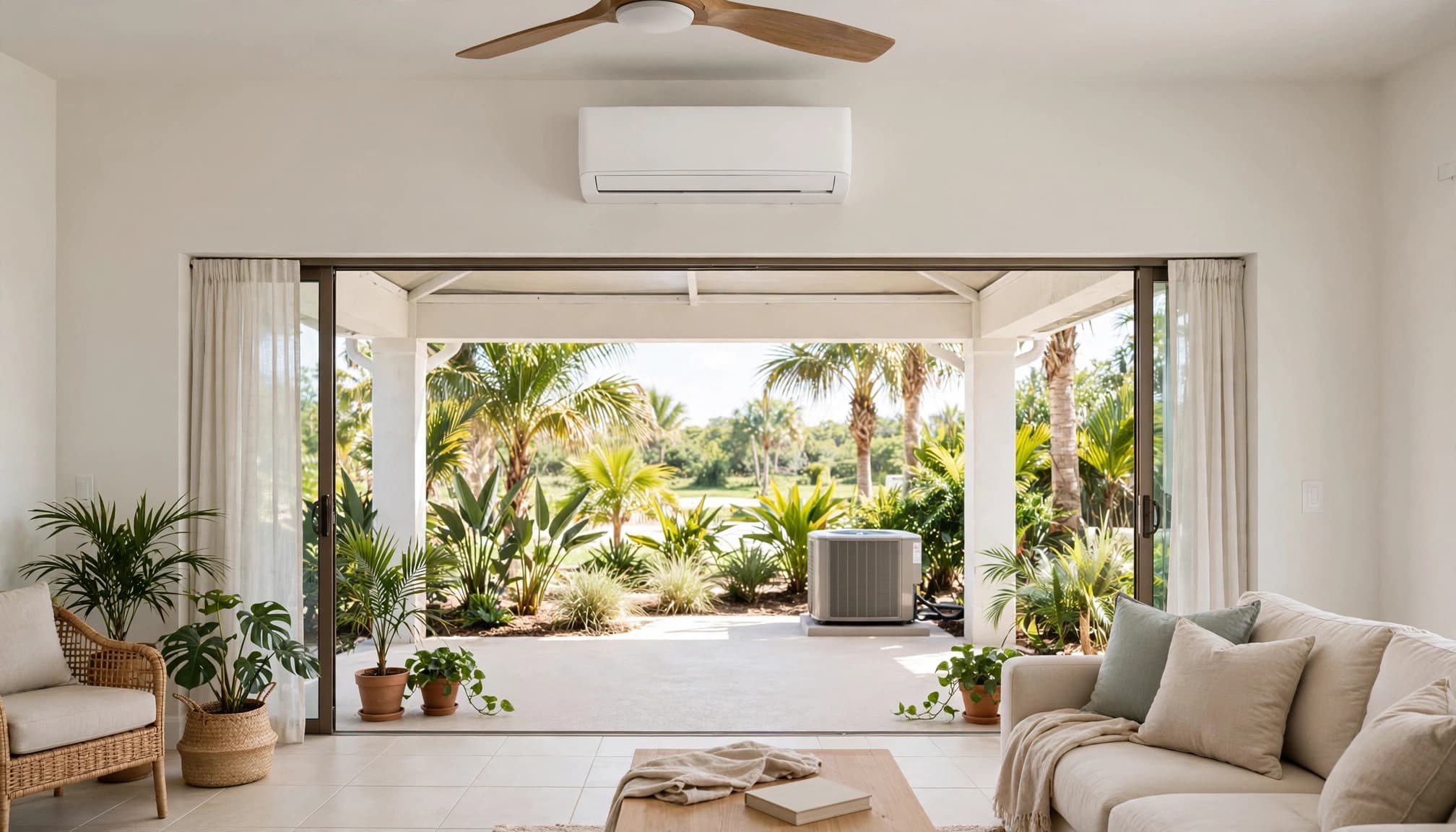
Indoor heads, outdoor condenser, and line set
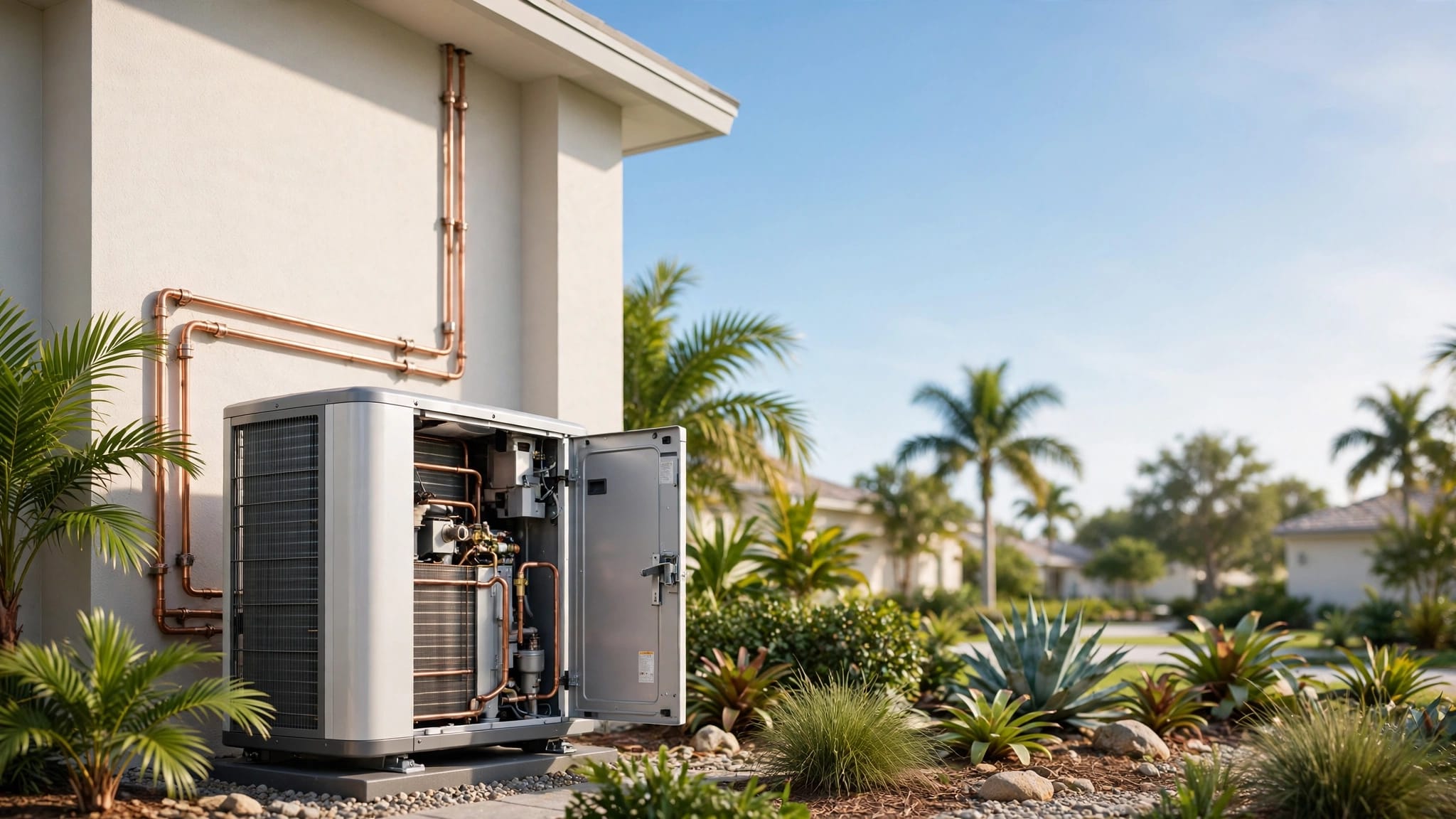
The quote should identify the number and type of indoor units, outdoor condenser model, controls, refrigerant piping, insulation, communication wire, drain components, and mounting hardware.
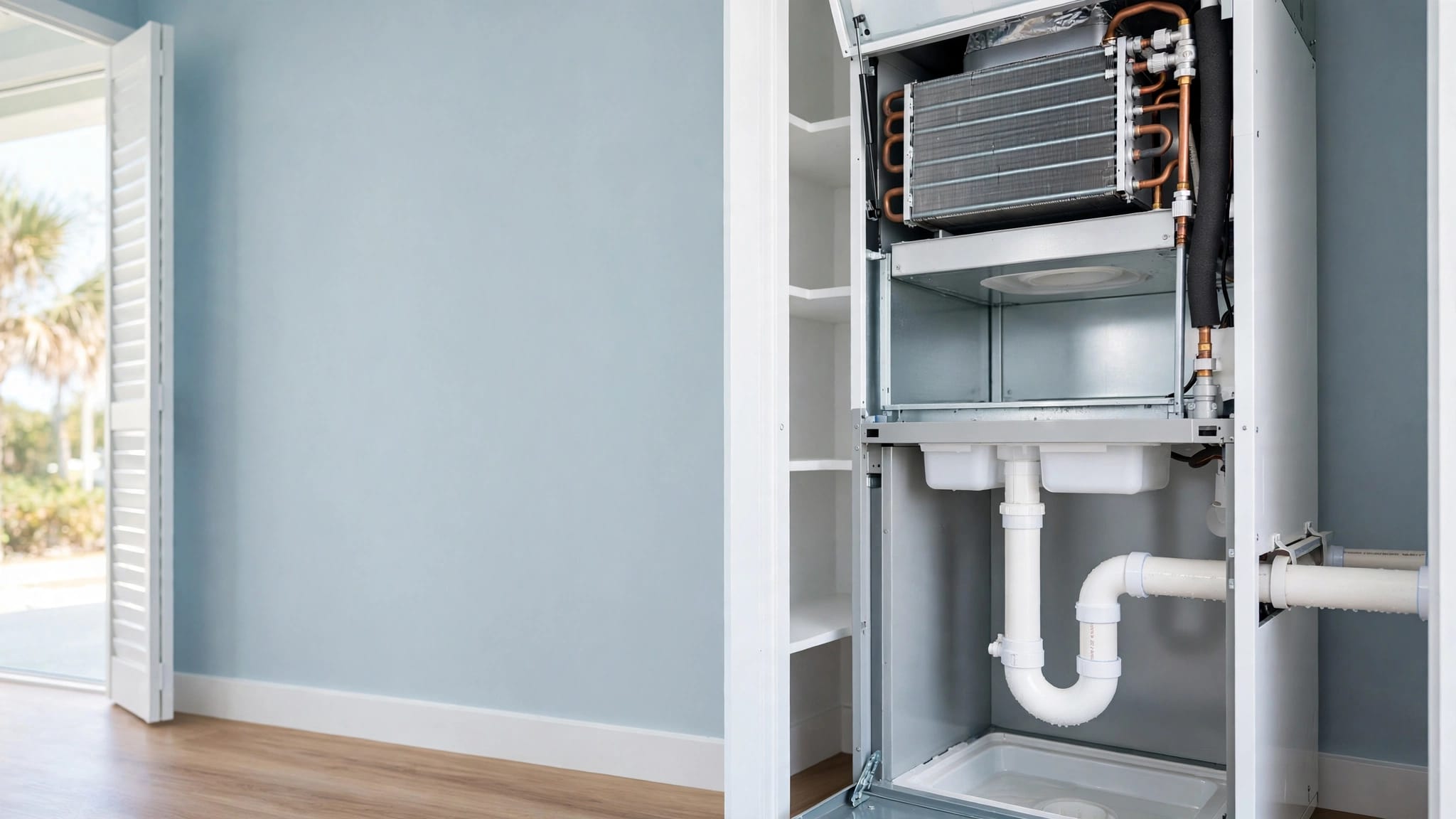
Installers also need to plan where condensate will go. In humid Fort Myers weather, poor drainage can cause water damage, odors, or safety-switch shutdowns. The line set should be protected where it passes through walls, and wall penetrations should be sealed against rain and pests.
Professional HVAC installation and replacement in Fort Myers should also include system matching, startup testing, airflow checks, refrigerant verification, and removal of job debris.
Electrical work and Fort Myers permits
Mini-splits often require electrical work that isn't part of a basic equipment price. The City of Fort Myers mechanical checklist states that a separate electrical trade permit is required for mini-splits and circuit wiring .
Ask who will obtain each permit and whether electrical labor appears as a separate line item. The City of Fort Myers Building Division lists its permit office at 1825 Hendry Street, Suite 101, Fort Myers, Florida 33901, with a listed phone number of (239) 321-7925.
Lee County uses its own mechanical permitting guidance for applicable properties. Permit requirements can vary by jurisdiction and project type, so the contractor should confirm the correct process before work begins.
Factors that raise or lower the price
Two homes can receive different quotes for the same number of zones. The difference often comes from installation conditions, not inflated equipment pricing.
Capacity, efficiency, access, and line-set length
A larger room or poorly insulated space may need a higher-capacity system. However, sizing should account for windows, ceiling height, sun exposure, insulation, occupancy, and the home's layout.
Higher-efficiency equipment often costs more upfront. The best choice depends on expected run time, energy rates, warranty terms, and whether the system matches the home's load. Long line sets, difficult attic or wall access, masonry drilling, and extensive patching can also increase labor.
If your current air conditioner struggles with utility costs or comfort, review understanding SEER2 ratings for AC replacement before selecting equipment.
Gulf air, corrosion resistance, and hurricane protection
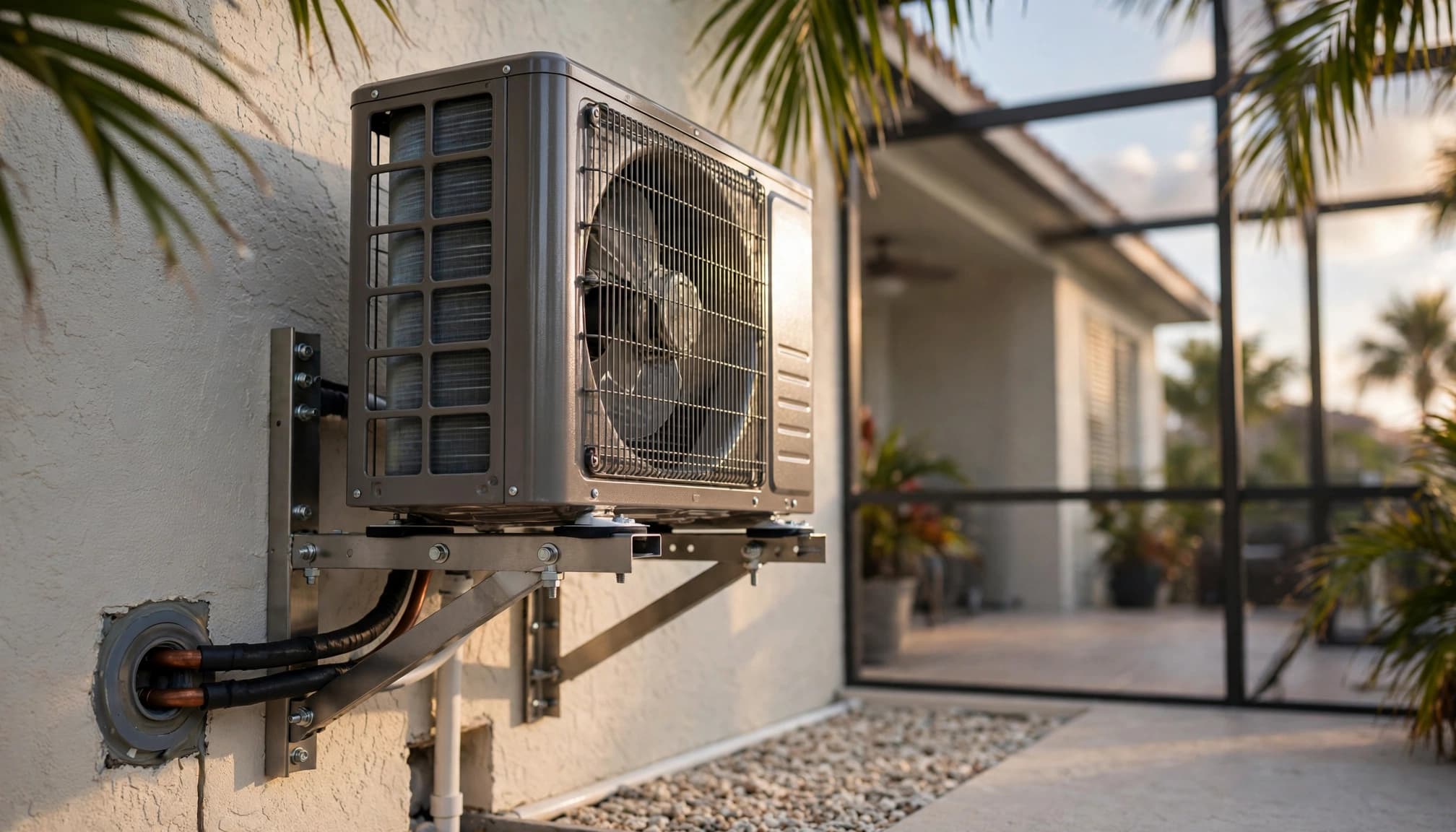
Salt-laden air can accelerate corrosion near the Gulf and coastal areas. Ask whether the proposed condenser has corrosion-resistant components and whether the installation includes suitable fasteners, coatings, or protective placement for your property.
Outdoor equipment also needs secure support. A contractor should anchor the condenser or wall bracket according to applicable local wind-load requirements. Don't accept a vague promise that the unit is "hurricane-ready." Ask how it will be secured, elevated, and protected from standing water.
Humidity control depends on sizing and setup
Mini-splits can support comfortable humidity levels, but equipment selection and operating conditions matter. An oversized system may reach the thermostat setting quickly and shut down before it removes enough moisture.
Ask how the contractor evaluated latent cooling needs, not only room temperature. The proposal should also explain drainage, indoor fan settings, and whether the selected model provides the humidity controls your home requires.
SEER2, HSPF2, and Florida code considerations
SEER2 measures cooling efficiency under updated test conditions. HSPF2 measures heating efficiency for heat-pump systems. Many ductless systems below 65,000 Btu per hour use both ratings.
A higher rating can reduce operating costs, but efficiency alone doesn't make a system a good fit. Incorrect sizing, poor airflow, weak drainage, or an installation with excessive line-set length can reduce real-world performance.
Florida efficiency requirements and code details can change. Current reference materials include SEER2 provisions, but published summaries don't always agree on the exact minimum rating for every equipment category. Have the contractor identify the proposed system's AHRI-rated matched combination and confirm that it meets the current requirements for your project.
The quote should list the indoor and outdoor model numbers, efficiency ratings, refrigerant type, warranty terms, and any required electrical upgrades. Preparing for AC installation in Fort Myers can help you organize these questions before the technician visits.
How to compare Fort Myers mini-split estimates
The lowest price may exclude electrical work, permits, drainage, mounting, or startup testing. Compare the written scope line by line instead of comparing only the equipment total.
Ask for the same details from every contractor
Each proposal should state:
- The number of zones and indoor unit locations.
- Indoor and outdoor model numbers.
- Capacity and SEER2 or HSPF2 ratings.
- Line-set length and whether new piping is included.
- Electrical circuit, disconnect, and permit responsibilities.
- Condensate drainage method and safety protection.
- Outdoor mounting, anchoring, corrosion considerations, and cleanup.
- Labor warranty, equipment warranty, and warranty registration.
A contractor who won't identify the equipment or explain exclusions makes it difficult to compare prices. You can also review this guide to compare AC replacement quotes in Fort Myers, especially when humidity and coastal exposure affect the decision.
Watch for allowances and exclusions
An allowance may mean the final cost changes after the crew opens a wall or checks the electrical panel. Ask which conditions could trigger additional charges and request approval before extra work begins.
Confirm whether the price includes permit fees, inspections, disposal of old equipment, wall repairs, lift equipment, extended line sets, surge protection, and a dedicated electrical circuit. If a quote includes financing, compare the cash price, interest rate, loan term, and total repayment separately.
For a property-specific review, you can Schedule an Estimate with a Fort Myers HVAC technician.
Key takeaways for Fort Myers homeowners
- A single-zone mini-split typically costs $2,300 to $5,500 in 2026 Fort Myers-area estimates.
- A three-zone system commonly falls between $5,500 and $14,700.
- Treat these figures as planning ranges, not guaranteed quotes.
- Confirm electrical work and permits, since mini-splits may require a separate electrical trade permit.
- Ask about humidity control, corrosion resistance, drainage, wind anchoring, and access conditions.
- Compare model numbers and written installation scopes, not equipment totals alone.
- Verify the matched system's current SEER2 and HSPF2 ratings.
FAQ about mini split installation cost in Fort Myers
How much does a single-room mini-split cost in Fort Myers?
A typical single-zone installation ranges from $2,300 to $5,500. The price may be lower for a simple installation with nearby electrical access and a short line set. It may be higher when the project needs a new circuit, difficult wall penetrations, upgraded mounting, drainage work, or corrosion protection.
Is a mini-split cheaper than central air conditioning?
It depends on the project. A single-zone mini-split may cost less than installing a complete central system when you only need one room cooled. A multi-zone project can become expensive as equipment and labor increase. Compare the number of rooms, ductwork requirements, electrical work, efficiency, and long-term operating costs.
Does a mini-split help with Fort Myers humidity?
It can, when properly sized and configured. The system needs enough run time to remove moisture rather than reaching the temperature setting too quickly. Ask about load calculations, indoor fan settings, condensate drainage, and humidity controls before choosing a model.
Does Fort Myers require a permit for a mini-split?
The City of Fort Myers mechanical checklist states that mini-splits and circuit wiring require a separate electrical trade permit. Requirements can vary by location and scope, so your contractor should confirm the applicable permits and arrange inspections when required.
Conclusion
For most Fort Myers homeowners, the right mini-split budget starts with the number of zones and the installation conditions. Single-zone projects often fall between $2,300 and $5,500, while multi-zone systems can reach $14,700 or more when access, electrical work, mounting, and equipment selection add complexity.
A fair estimate should address comfort, humidity, efficiency, permitting, and Florida weather , not only the indoor unit price. When those details appear clearly in writing, you can choose a system that fits your home and avoid surprises after installation.
Recent Posts