What AC Size Your Fort Myers Home Really Needs
The wrong AC size shows up fast in Fort Myers. Rooms feel sticky, bills rise, and the system may short-cycle or run forever.
A quick square-foot estimate can point you in the right direction, but it cannot tell the full story. In Southwest Florida, heat, humidity, sun exposure, insulation, and ductwork all change the answer. The best AC size for your home starts with a real load calculation, not a guess.
Why Fort Myers homes need more than a square-foot rule
Fort Myers homes face a heavier cooling load than homes in milder places. The AC has to remove heat, but it also has to pull moisture out of the air. That matters because a house can feel cold and still feel muggy.
Sun exposure changes the load, too. A home with big west-facing windows, a hot attic, or weak insulation can need more cooling than a similar house in the shade. Ceiling height, air leaks, and the number of people in the home all add to the job.
That is why the same floor plan can need a different AC size in another neighborhood. Two houses can look alike on paper and still cool very differently. In short, square footage gives you a rough starting point, not the final answer.
Rough AC size ranges can point you in the right direction
In cooling terms, one ton means capacity, not weight. Many Fort Myers homes fall into these rough ranges, but the real number can move up or down after a full load calculation.
| Home size | Common rough AC range | What can change it |
|---|---|---|
| Under 1,200 sq ft | 1.5 to 2 tons | Shade, insulation, window type |
| 1,200 to 1,800 sq ft | 2 to 3 tons | Ceiling height, duct loss, sun exposure |
| 1,800 to 2,400 sq ft | 2.5 to 4 tons | Open floor plan, older windows, attic heat |
| 2,400 to 3,000 sq ft | 3.5 to 5 tons | Number of stories, air leakage, humidity load |
These numbers are only a map. They do not replace a proper measurement of your home. A 2,000-square-foot house with good shade and tight ducts may need less cooling than a smaller house with weak insulation and large sun-facing windows.
A ranch home with a hot attic can land in a different range than a two-story home with less roof exposure. That is why a chart can help you start the conversation, but it should not make the final decision.
What a Manual J calculation checks
A Manual J load calculation looks at the home itself. It checks the size and shape of the house, the windows, insulation, attic conditions, ducts, and air leakage. It also accounts for people, appliances, and how much sun the house gets during the day.
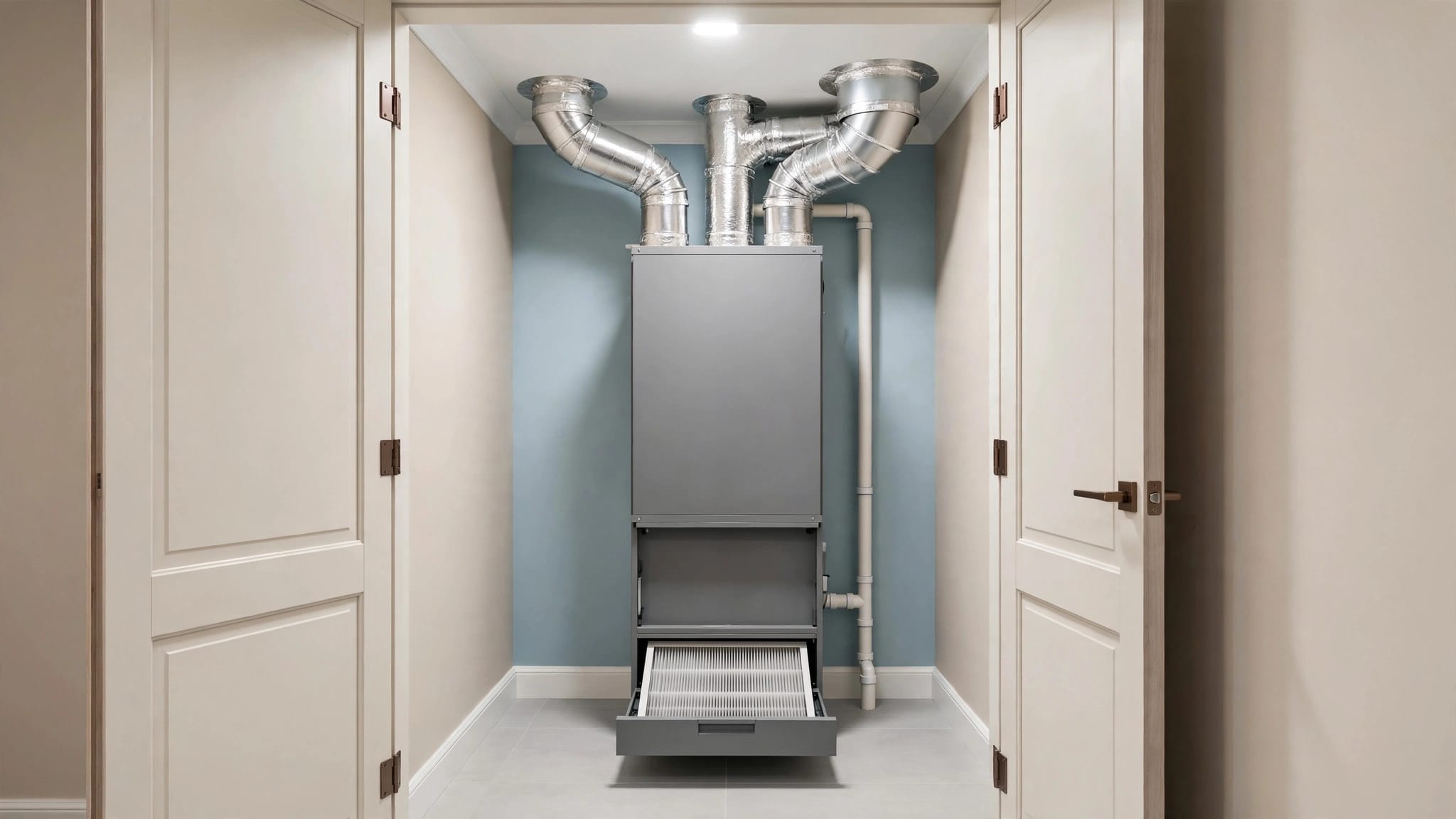
A careful HVAC installation and replacement project should start there. If a contractor copies the old tonnage without checking the home, the same comfort problems can come back.
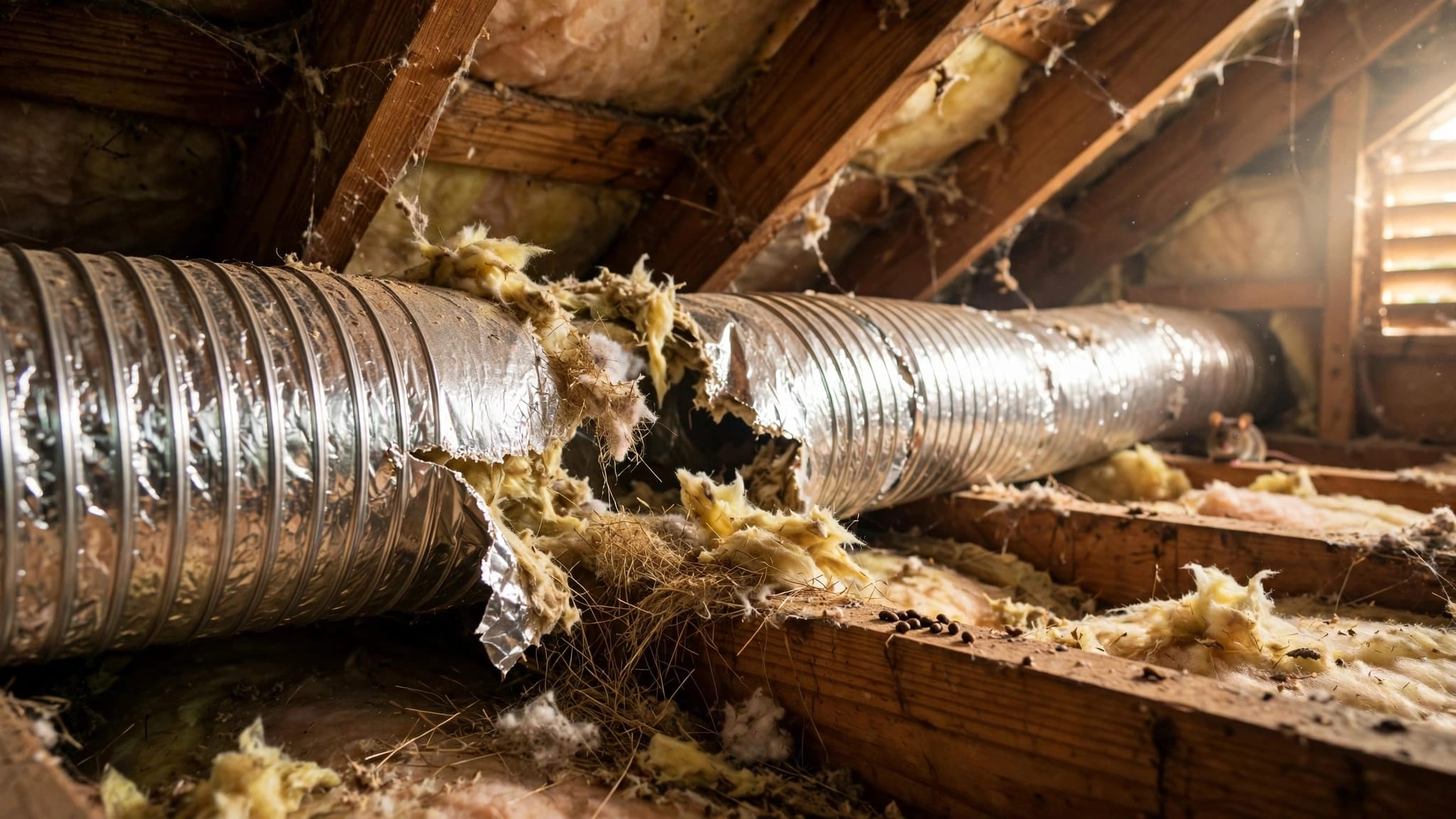
The best sizing also looks at airflow. A system can be the right tonnage and still perform poorly if the ducts leak or the air cannot move well. That is why the equipment, the ducts, and the home all need to be part of the same plan.
A proper calculation matters even more in Southwest Florida. The AC has to do more than lower the temperature. It also has to control humidity so the home feels dry enough to live in.
Common AC sizing mistakes that hurt comfort
Many sizing mistakes start with a simple idea, bigger must be better. A larger system can cool the air fast, so it feels strong at first. Then the trouble shows up in short cycles, damp rooms, and high utility bills.
A bigger AC can cool fast and still leave the house sticky.
Here are a few mistakes Fort Myers homeowners run into often:
- They match the new unit to the old one without checking changes in insulation, windows, or ductwork.
- They size the system for the hottest afternoon and ignore how it handles humidity on normal days.
- They assume faster cooling means better comfort, even when the house needs longer run time to dehumidify.
- They skip airflow problems and attic heat, then blame the equipment for weak performance.
Oversized systems short-cycle. Undersized systems run too long. Both can waste energy, wear out parts early, and leave the house uncomfortable.
Humidity is where the wrong size really shows up. When the system shuts off too soon, it may cool the air before it pulls out enough moisture. When it runs too long without the right support, it may still struggle to keep up on hot afternoons.
Signs your AC may be the wrong size
The house usually gives clues when the size is off. One room may stay warm while the rest of the house feels cold. The thermostat may hit the set point too quickly, then the system shuts down before the air feels dry.
You may also notice long run times, frequent starts, or utility bills that climb without a clear reason. A home that feels muggy after the AC stops is another common sign.
If humidity is the main complaint, why your house feels humid with the AC on explains how system size, airflow, and run time affect moisture. That issue often shows up even when the thermostat looks fine.
When those signs pile up, the problem is often bigger than a simple repair. The equipment may be the wrong size, or it may be fighting the wrong setup.
Conclusion
The right AC size for a Fort Myers home depends on the full load, not a quick square-foot guess. Local heat, humidity, sun exposure, and duct conditions all shape the final answer.
A Manual J calculation gives you the most accurate size for your home. It also helps you avoid the comfort problems that come with oversized or undersized equipment.
If you want a clear answer for your house, Schedule an Estimate. The right size can make your home cooler, drier, and easier to live in through the long Southwest Florida cooling season.
Recent Posts