AC Replacement Cost in Fort Myers: 2026 Pricing Guide
A new air conditioner in Fort Myers can cost several thousand dollars, but the final price depends on more than the equipment sitting outside your home. A standard central AC replacement often falls between $6,000 and $14,500 fully installed in 2026.
Equipment-only prices can look much lower, usually between $2,500 and $7,500 , but that figure doesn't include labor, permits, refrigerant, electrical work, duct modifications, or startup testing. Knowing the difference helps you compare estimates without mistaking a partial price for the project total.
Key Takeaways
- A typical Fort Myers AC replacement costs $6,000 to $14,500 installed , depending on system size and efficiency.
- Equipment-only pricing generally falls between $2,500 and $7,500 .
- Ductwork, electrical changes, difficult access, and high-efficiency equipment can increase the total.
- A proper load calculation matters because an oversized unit can cool poorly and raise humidity.
- Compare written estimates by checking what each contractor includes, not only the headline price.
Typical AC Replacement Prices in Fort Myers
The table below shows realistic planning ranges for a standard residential split-system air conditioner. These figures assume a straightforward replacement with accessible equipment, existing ductwork in usable condition, and no major electrical upgrades.
| System size | Equipment only | Fully installed replacement |
|---|---|---|
| 2-ton system | $2,500-$4,500 | $6,000-$9,000 |
| 3-ton system | $3,000-$5,500 | $6,500-$10,500 |
| 4-ton system | $3,500-$6,500 | $7,500-$12,500 |
| 5-ton system | $4,000-$7,500 | $8,500-$14,500 |
A 2-ton system can often cool a smaller home, while larger homes may need 3, 4, or 5 tons. However, square footage alone shouldn't determine capacity. Insulation, windows, ceiling height, sun exposure, duct condition, and air leakage also affect the cooling load.
Premium variable-speed systems may cost $12,000 to $18,000 or more installed . They usually include advanced indoor air control and quieter operation, but the higher purchase price only makes sense when the home's electrical service, ductwork, and comfort needs support the upgrade.
A contractor should confirm the size with a Manual J load calculation or another recognized sizing method. Bigger isn't automatically better in Southwest Florida. An oversized unit may reach the thermostat setting quickly without running long enough to remove humidity.
A low equipment price isn't a low replacement price until labor, materials, permits, refrigerant, and testing are included.
What a Full AC Installation Estimate Should Include
A complete replacement estimate should describe the entire job in writing. The outdoor condenser and indoor air handler or evaporator coil are only the central pieces.
Most full-installation proposals include removal and disposal of the old equipment, installation labor, basic connections, refrigerant handling, startup, and a workmanship warranty. They should also identify the equipment brand, model numbers, cooling capacity, efficiency rating, and warranty terms.
The proposal may include a new concrete or composite pad, float switches, drain-line work, disconnect replacement, safety controls, and a basic thermostat. Some homes need a new whip, breaker, surge protection, or other electrical changes. Those items shouldn't appear as surprise charges after the equipment arrives.
Ask whether the price includes:
- Local permitting and inspection
- Removal of the old system
- New refrigerant line or flushing of the existing line
- Condensate drain cleaning or replacement
- Outdoor pad and equipment tie-downs
- Thermostat installation
- Electrical disconnects, breakers, or wiring
- Duct transitions or return-air modifications
- System commissioning and airflow testing
- Manufacturer registration and warranty paperwork
A professional replacement also includes checking static pressure, temperature split, refrigerant charge, and airflow. These tests help confirm that the equipment operates close to its design conditions.
For help comparing the work involved, homeowners can review Valor Heating & Cooling's HVAC installation and replacement services when requesting a project estimate.
What Raises the Cost of AC Replacement?
Two homes can receive different prices for similar-sized equipment because the installation conditions aren't the same. Fort Myers homes often have attic air handlers, tight mechanical closets, older ductwork, and equipment exposed to intense heat and coastal moisture.
Ductwork repairs and replacement
Leaking or undersized ducts can waste conditioned air before it reaches the rooms. If the existing system has crushed flex duct, disconnected joints, poor insulation, or an undersized return, the installer may recommend repairs or replacement.
Minor duct adjustments may add $300 to $1,500 . Extensive duct replacement can cost $2,000 to $7,000 or more , depending on access, layout, insulation, and the amount of attic work.
Electrical upgrades
Older homes may need a new disconnect, breaker, wiring, or surge protection. A larger or higher-efficiency unit may also require electrical changes. Basic work can add a few hundred dollars, while service upgrades cost more.
Difficult access
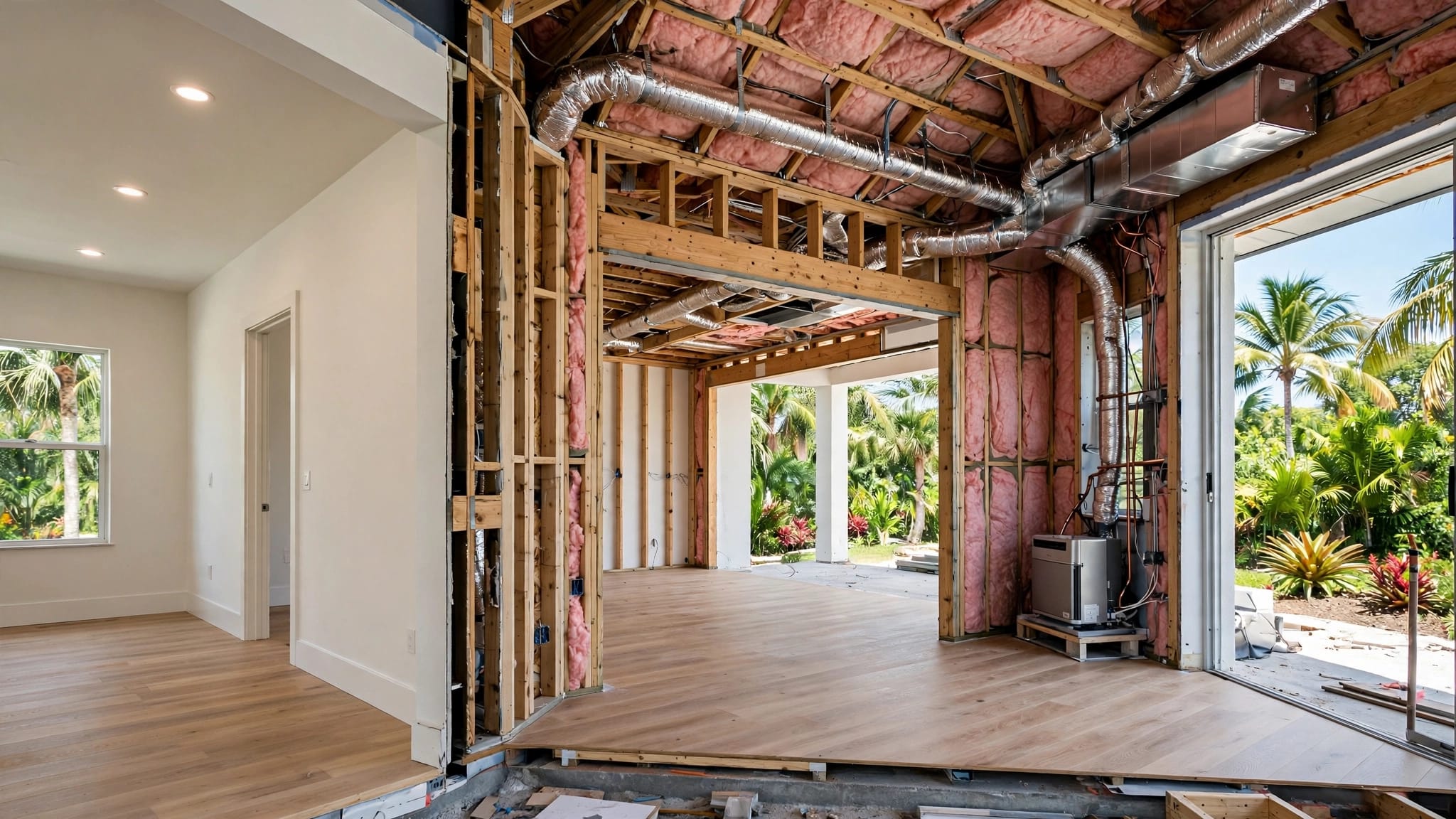
An attic air handler, narrow closet, steep roof, or limited crawl-space access increases labor time. Some Fort Myers homes have air handlers located above garages or in cramped attic platforms. If the old equipment must be cut apart or new equipment requires a custom platform, the estimate will rise.
Efficiency and comfort features
Higher-efficiency equipment usually costs more at purchase. Variable-speed compressors, communicating controls, advanced filtration, and enhanced humidity control can add several thousand dollars.
These features can improve comfort, but homeowners should ask whether the entire system is compatible. A premium outdoor unit paired with poor ductwork won't deliver premium results.
Refrigerant and system compatibility
Many older systems use R-22, which is no longer produced for routine servicing in the United States. A replacement normally uses a current refrigerant system and should include compatible indoor and outdoor components.
Replacing only one side of an older system can create efficiency, warranty, and refrigerant-matching problems. A matched system is usually the safer choice.
Repair or Replace Your Fort Myers AC?
Repairing an air conditioner makes sense when the system is relatively young, the issue is clear, and the repair cost is reasonable. Replacement deserves serious consideration when the unit is around 10 to 15 years old, has repeated failures, or needs a major component.
Fort Myers' long cooling season places heavy demand on AC equipment. A system that runs through much of the year may wear out sooner than one used in a mild climate. Salt air near the Gulf can also accelerate corrosion on outdoor coils and electrical components.
Replacement is often worth comparing when you face:
- A failed compressor
- A leaking indoor or outdoor coil
- Repeated refrigerant leaks
- Frequent capacitor or control-board failures
- High indoor humidity despite long runtimes
- Large increases in electric bills
- Uneven temperatures between rooms
- Repair estimates approaching several thousand dollars
A repair bill doesn't automatically mean you need a new system. The right comparison includes the repair price, the unit's age, its remaining life, efficiency, and the risk of another failure during the next hot season.
A technician should inspect the indoor coil, blower, drain system, ductwork, electrical components, and refrigerant circuit before recommending replacement. That inspection can prevent a rushed decision based on one failed part.
How to Compare AC Replacement Estimates
Start by requesting at least two detailed estimates. Each contractor should evaluate the home rather than quote a size based only on the old equipment's nameplate.
Check whether every proposal lists the same capacity, efficiency, system type, thermostat, warranty, and installation materials. A quote for a basic single-stage system isn't comparable to one for a variable-speed heat pump.
The lowest estimate may leave out items that another company included. Ask direct questions about permits, duct repairs, electrical work, crane or lift charges, disposal, drain protection, and labor warranties.
Also confirm who will perform the installation and whether the company holds the required Florida contractor license. Certifications such as NATE and EPA Section 608 can provide useful information about technician training, but they don't replace a clear scope of work.
Before signing, ask these questions:
- What is the total installed price, including tax, permit, disposal, and startup?
- What size and efficiency rating is being proposed?
- Will you perform a load calculation and verify airflow?
- Does the price include a matched indoor coil and outdoor unit?
- What happens if the existing ductwork or electrical system needs changes?
- Which warranties cover equipment, labor, and refrigerant-related work?
- When will the permit inspection and final commissioning occur?
A reliable contractor should answer these questions without pressure. You should know what you're buying before the installation date arrives.
Ways to Keep the Project Within Budget
You can control some replacement costs without choosing the cheapest equipment. Begin with accurate sizing. Installing a unit that is too large wastes money and can leave the home damp.
Choose efficiency based on how long you plan to stay, your monthly cooling use, and your comfort priorities. A moderately efficient single-stage system may suit a rental property or short-term ownership plan. A variable-speed system may make more sense for a homeowner who values quieter operation and steadier humidity control.
Keep usable ductwork when testing shows it is properly sized and sealed. Replacing ducts that still perform well adds cost without improving comfort. On the other hand, keeping severely damaged ducts can reduce the value of a new system.
Schedule an estimate before the old AC fails during a heat wave. Emergency replacement can limit your equipment choices and create scheduling pressure. Planned work gives you time to compare models, warranty terms, and installation details.
You can Schedule an Estimate with Valor Heating & Cooling to discuss system size, comfort problems, and replacement options for your Fort Myers home.
Conclusion
The AC replacement cost in Fort Myers usually lands between $6,000 and $14,500 installed for a standard residential system in 2026. Equipment alone may cost $2,500 to $7,500, but the complete project also includes labor, permits, materials, testing, and warranty registration.
Your best estimate will match the system to the home, account for duct and electrical conditions, and show every included cost. When the next hot afternoon arrives, a properly sized and correctly installed system does more than lower the thermostat. It keeps the house cool without leaving Fort Myers humidity in the air.
Recent Posts