How Dirty Air Filters Hurt AC Performance in Fort Myers Homes

Valor HVAC • May 14, 2026

Share this article

A dirty air filter can make a healthy AC act tired fast, especially in Fort Myers. When your system runs for long stretches in heat and humidity, even a thin layer of buildup can cut airflow and slow everything down.

That matters more here than in a mild climate. Southwest Florida homes deal with dust, pollen, pet dander, and long cooling seasons, so filters clog sooner and the AC has to work harder to keep up.

If your home feels stuffy, runs longer than usual, or still feels damp, the filter may be part of the problem. The effects show up in a few predictable ways.

Why Fort Myers homes clog filters faster

Fort Myers weather gives an AC little time to rest. Warm months stretch on, the humidity stays high, and many systems run for hours each day.

That long runtime pulls more air through the filter, so dirt builds up faster. Pollen from outdoor plants, dust from roads and construction, and pet hair all add to the load. Humidity makes the mix worse because particles stick together and form thicker buildup.

Seasonal living patterns matter too. Some homes sit quiet for part of the year, then fill up fast when family visits or snowbirds return. More people means more foot traffic, more fabric fibers, more skin cells, and more dust moving through the house.

Even a clean-looking home can send a surprising amount of debris into the filter. Return vents pull air from across the house, so the filter catches whatever floats by. That includes dryer lint, cooking residue, and the fine dust that settles on fans and shelves.

If you want a local schedule that fits this kind of wear, Southwest Florida air conditioning maintenance tips can help you set a realistic pace.

How a dirty filter slows cooling

An AC needs steady airflow to do its job. When the filter clogs, the system has to pull air through a tighter opening, almost like trying to breathe through a cloth mask covered in dust.

The first problem is simple: less air reaches the cooling coil. That means the system cannot move heat out of the house as fast, so it runs longer to reach the thermostat setting. Longer run times can push up energy use and wear parts out sooner.

The second problem is comfort. A clogged filter can leave some rooms warm while others feel fine. It can also reduce dehumidification, which matters a lot in Fort Myers. If the system cannot move enough air across the coil, it may cool the air but leave the home feeling clammy.

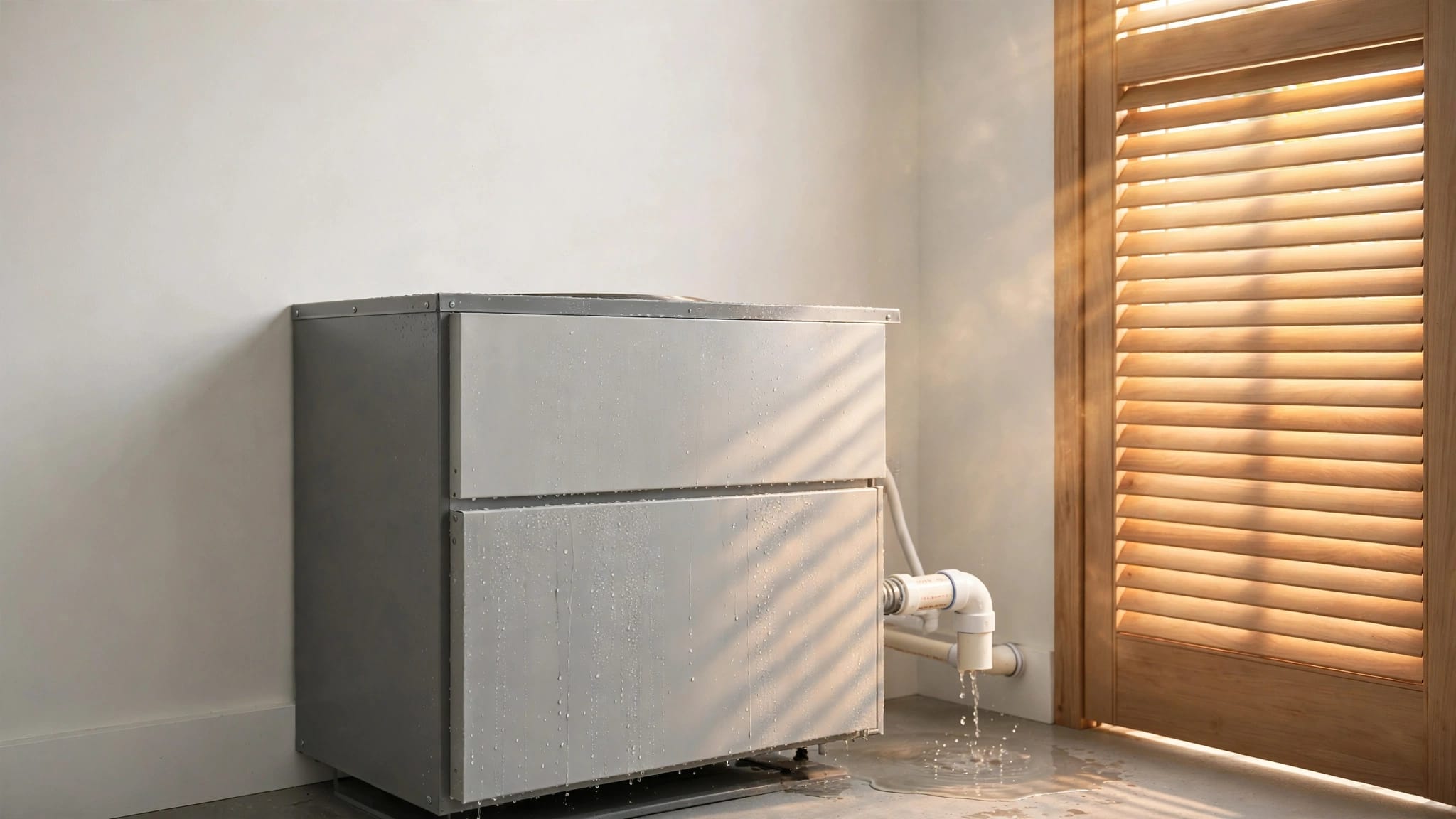
A dirty filter can also create icing on the indoor coil. When airflow drops too far, the coil can get too cold and freeze. Once that happens, the AC may blow weak air, stop cooling, or leak water as the ice melts.

A clogged filter does not just trap dust, it can slow the whole system down.

There is also strain on the blower motor. The fan has to work harder to move air through the blockage, and that extra effort adds stress over time. In plain terms, the AC spends more energy fighting the filter than cooling your house.

Warning signs you can see at home

Most homeowners notice filter trouble before they notice a real breakdown. The clues are usually small at first, then they stack up.

Common signs include:

  • Weak airflow from supply vents, even when the thermostat is set correctly.
  • Rooms that feel sticky or humid after the system runs.
  • Dust that settles faster than usual on furniture and floors.
  • A musty smell when the AC starts.
  • Longer cooling cycles or short, frequent cycles that do not settle the house.
  • Ice on the indoor unit or water near the air handler.

These signs do not always point to the filter alone. A thermostat issue, dirty coil, refrigerant problem, or duct leak can cause similar symptoms. Still, a dirty filter is the easiest place to check first because it is cheap, visible, and easy to replace.

If you have pets, indoor smoking, recent renovations, or a house full of guests, the symptoms can show up faster. The AC may still run, but it will lose the easy, steady feel that tells you it is breathing well.

How often to inspect and replace a filter

There is no one rule that fits every Fort Myers home. Filter size, filter type, pets, allergies, and AC runtime all change the timeline.

This quick guide gives a better starting point than a rigid schedule:

Home situation Inspect the filter Typical replacement range
Light use, no pets, low dust Once a month About every 60 to 90 days
Busy household or indoor pets Once a month About every 30 to 60 days
Allergy concerns or heavy pollen Once a month, sometimes sooner About every 30 days
Seasonal home with periods of vacancy Before long stays and after return Often every 30 to 60 days during active use
Recent renovation or high dust load Every 2 to 4 weeks Replace as soon as it looks dirty

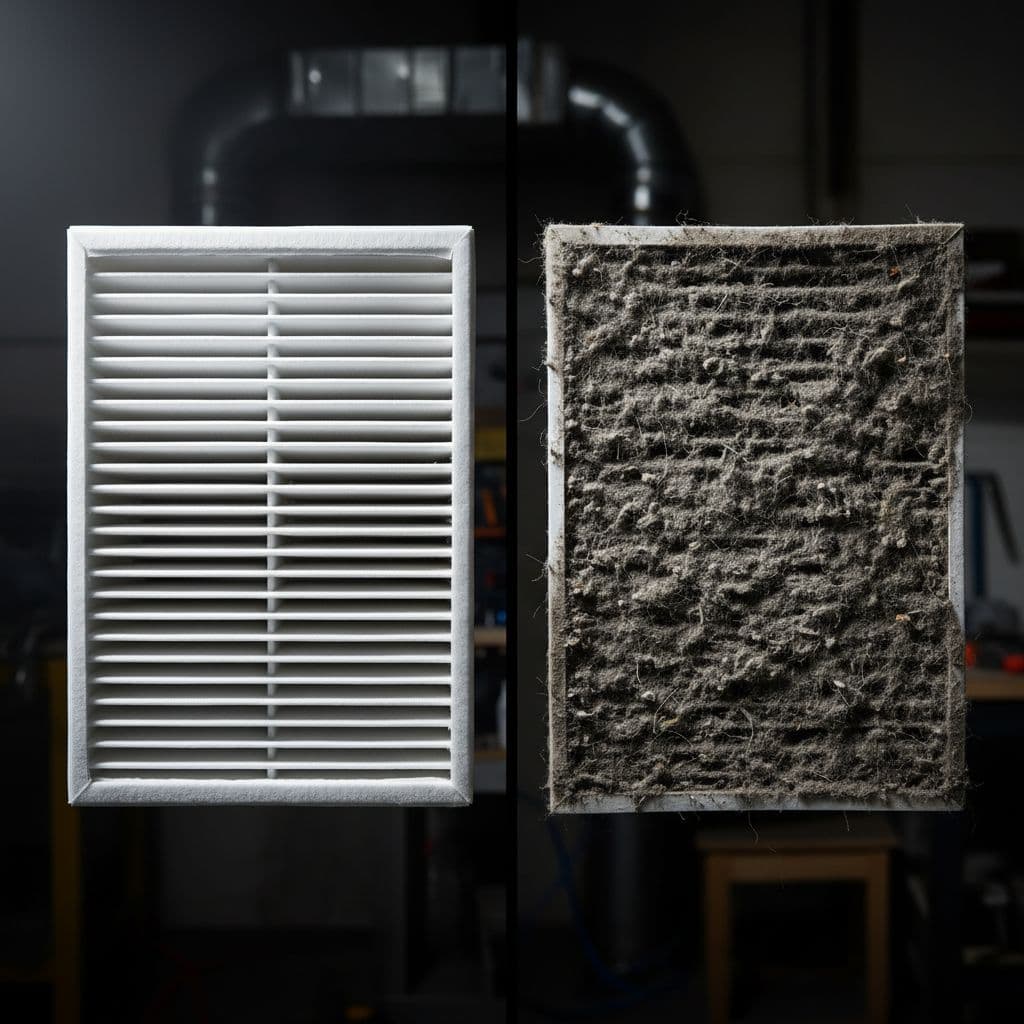
The table is a guide, not a rulebook. A thicker pleated filter can last longer than a thin fiberglass one, but it still needs regular checks. A filter that looks gray, matted, or bent out of shape is ready to go, even if the calendar says otherwise.

The best habit is simple. Look at the filter once a month during the cooling season, then adjust based on what you see. In Fort Myers, that usually works better than guessing.

Simple maintenance habits that protect airflow

A clean filter helps most when the rest of the system stays clean too. Small habits keep the AC from losing airflow between service visits.

  • Mark the filter check on your calendar so it does not slip past you.
  • Keep supply and return vents clear of furniture, rugs, and boxes.
  • Vacuum around return grilles so surface dust does not get pulled right back in.
  • Swap the filter sooner after remodeling, deep cleaning, or heavy pet shedding.
  • Ask for routine upkeep that includes the coil, drain line, and blower area, not just the filter.

That last point matters because a filter fix cannot solve every airflow problem. If a new filter does not bring the air back, the issue may be deeper in the system. In that case, it helps to Schedule an Estimate so a technician can check the blower, coil, and ducts before the problem grows.

For homeowners who want the whole system checked on a regular basis, professional HVAC maintenance in Fort Myers can catch issues long before they turn into a weak-cooling complaint in the middle of summer.

Conclusion

In Fort Myers, dirty air filters are more than a housekeeping issue. They slow airflow, raise run times, reduce comfort, and can leave your home feeling sticky even when the thermostat says the AC is working.

A monthly glance at the filter, plus a replacement schedule based on pets, dust, and heavy runtime, goes a long way. If the filter keeps clogging too fast, the AC is trying to tell you something about the home, the system, or both.

A clean filter is a small part of the system, but it has a big job. In Southwest Florida, that small habit helps your AC keep up when the heat and humidity do not let up.

Recent Posts

By Valor HVAC June 29, 2026
Garage conversions can look simple on paper, but comfort is where many projects fall apart. A room that feels fine in the morning can turn sticky by afternoon, or stay cold near the floor and hot near the ceiling. When you turn a garage into a bedroom, office, gym, or studio,...
By Valor HVAC June 28, 2026
A float switch that keeps tripping is usually doing its job. It's warning you that condensate water isn't draining the way it should, and in Fort Myers that can happen fast. High humidity, long cooling runs, and warm weather put extra strain on your AC system. If you keep rese...
By Valor HVAC June 27, 2026
An air handler does a lot more work in Fort Myers than many homeowners realize. It moves cooled air, pulls moisture out of the home, and keeps the system steady through months of heavy use. If you are weighing air handler replacement Fort Myers options, the biggest clue is oft...
By Valor HVAC June 26, 2026
Your AC works hard in Fort Myers, and the condensate pump helps carry away the water it pulls from the air. When that pump starts to fail, the warning signs often look small at first. A little noise, a damp spot, or a shutdown can turn into a bigger mess fast. Because Southwes...
By Valor HVAC June 25, 2026
When your cooling system starts slipping in Fort Myers, timing matters more than many homeowners expect. A new unit can solve comfort problems, lower energy use, and help with humidity control, but the season you choose can affect stress, cost, and how fast the work gets done....
By Valor HVAC June 24, 2026
When your AC runs but the house still feels warm, the trouble may be outside. A weak condenser fan motor can keep the outdoor unit from getting rid of heat, and that creates problems fast. That matters in Fort Myers. Heat, humidity, salt air, and long cooling seasons put nonst...
By Valor HVAC June 23, 2026
A clogged AC drain line can start as a small drip and turn into water damage fast. In Fort Myers, that problem shows up more often because your system works hard for long stretches, pulling a lot of moisture out of the air. If you keep finding puddles near the air handler, mus...
By Valor HVAC June 22, 2026
Replacing an air conditioner in Lee County usually does require an AC replacement permit . For most full system swaps, the work falls under a mechanical permit, even when the old unit is coming out and the new one goes in the same spot. That can feel like one more step when yo...
By Valor HVAC June 21, 2026
Fort Myers air conditioners work hard for most of the year, so a dirty evaporator coil can show up fast. When that coil gets coated with dust, moisture, and sticky residue, your home may feel warmer, clammy, and harder to cool. The warning signs are easy to miss at first. Weak...
By Valor HVAC June 20, 2026
A struggling Fort Myers AC compressor can turn a normal afternoon into a sweaty, expensive mess fast. When it starts slipping, your whole cooling system feels it. The signs are often small at first. Warm air, strange noises, and higher electric bills can show up before the uni...
Show More