How to Tell If an AC Return Duct Leaks Into the Attic
An AC return duct leak in the attic can pull hot, dusty air into your HVAC system instead of returning indoor air for cooling. You may notice poor comfort, extra dust, or a change in how the system sounds, but none of those clues confirms the cause on its own.
You can look for signs from inside your home without climbing into an unsafe attic. First, it helps to understand how a return leak differs from a supply leak.
Key Takeaways
- A return duct leak can draw attic air into the HVAC system while the blower runs.
- Dust, weak cooling, unusual return sounds, and frequent filter changes are clues, not proof.
- Check accessible vents and filters, but don't enter a hot, cramped, or difficult-to-access attic.
- A professional duct-leakage test can confirm whether the duct system is leaking.
- Duct joints should be sealed with mastic or approved foil tape, not standard cloth duct tape.
How a Return Leak Differs From a Supply Leak
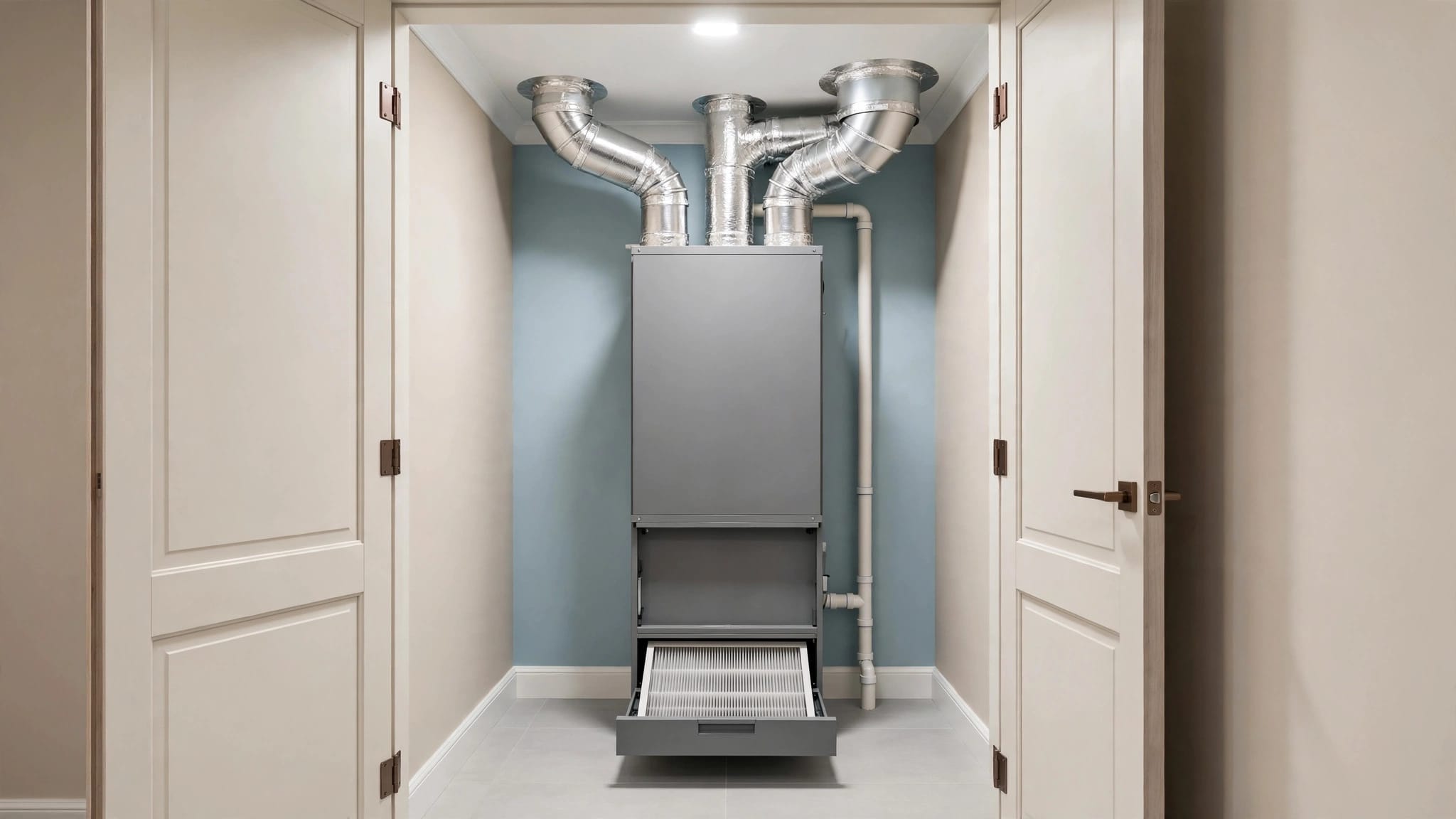
Your AC has two main duct paths. Supply ducts carry cooled air from the equipment to rooms. Return ducts carry indoor air back to the system to be filtered and cooled again.
A return leak pulls air inward
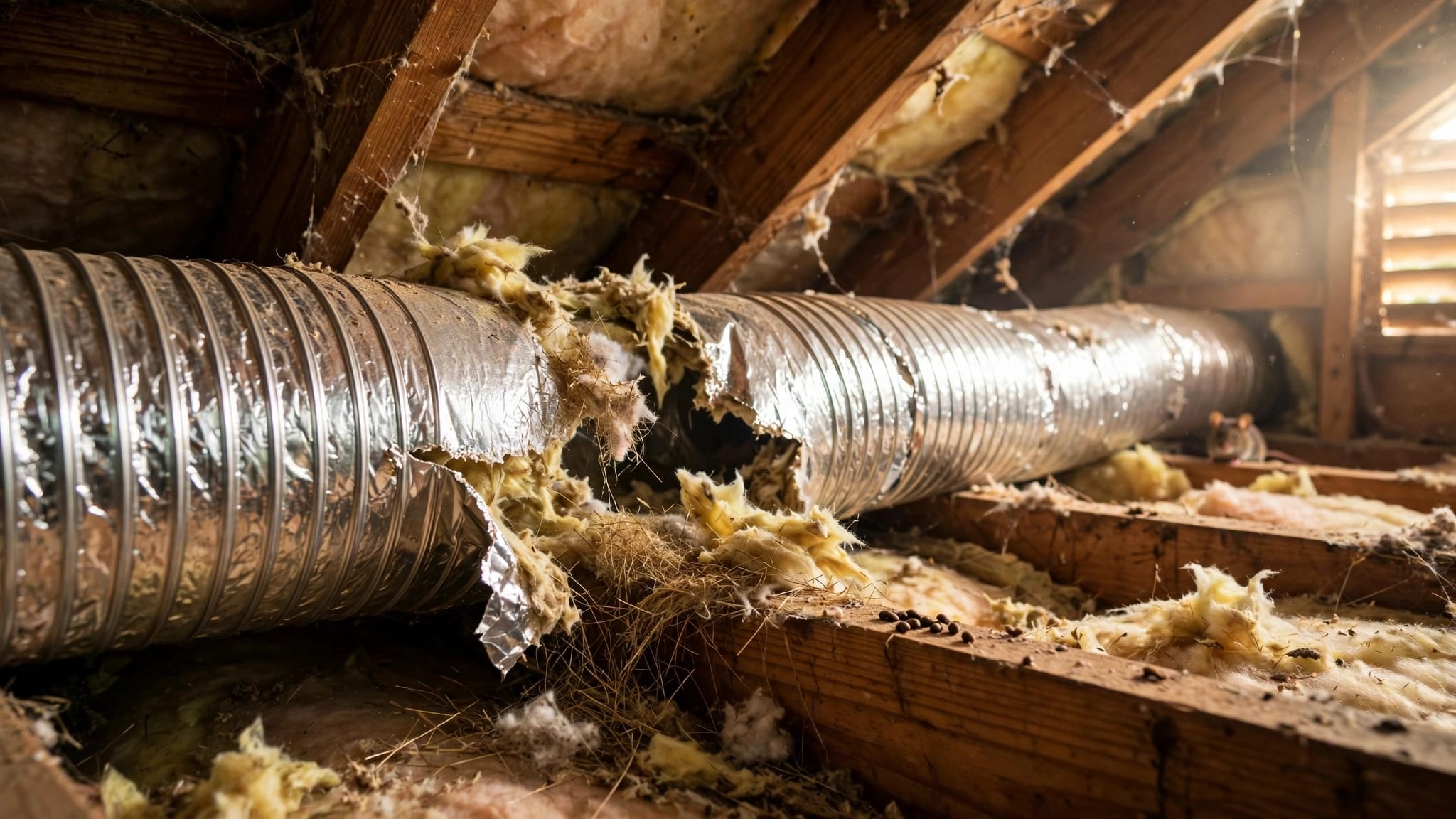
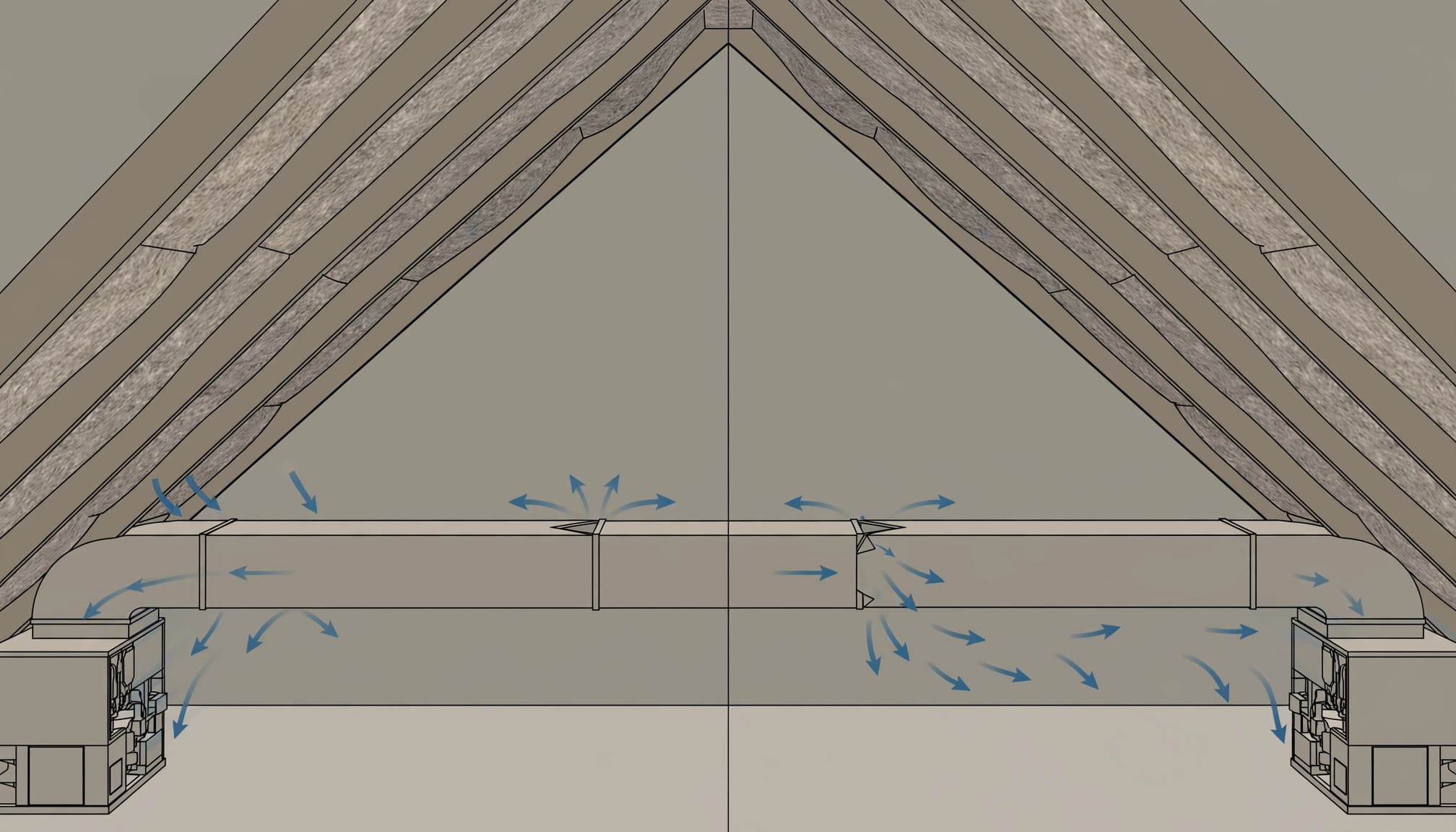
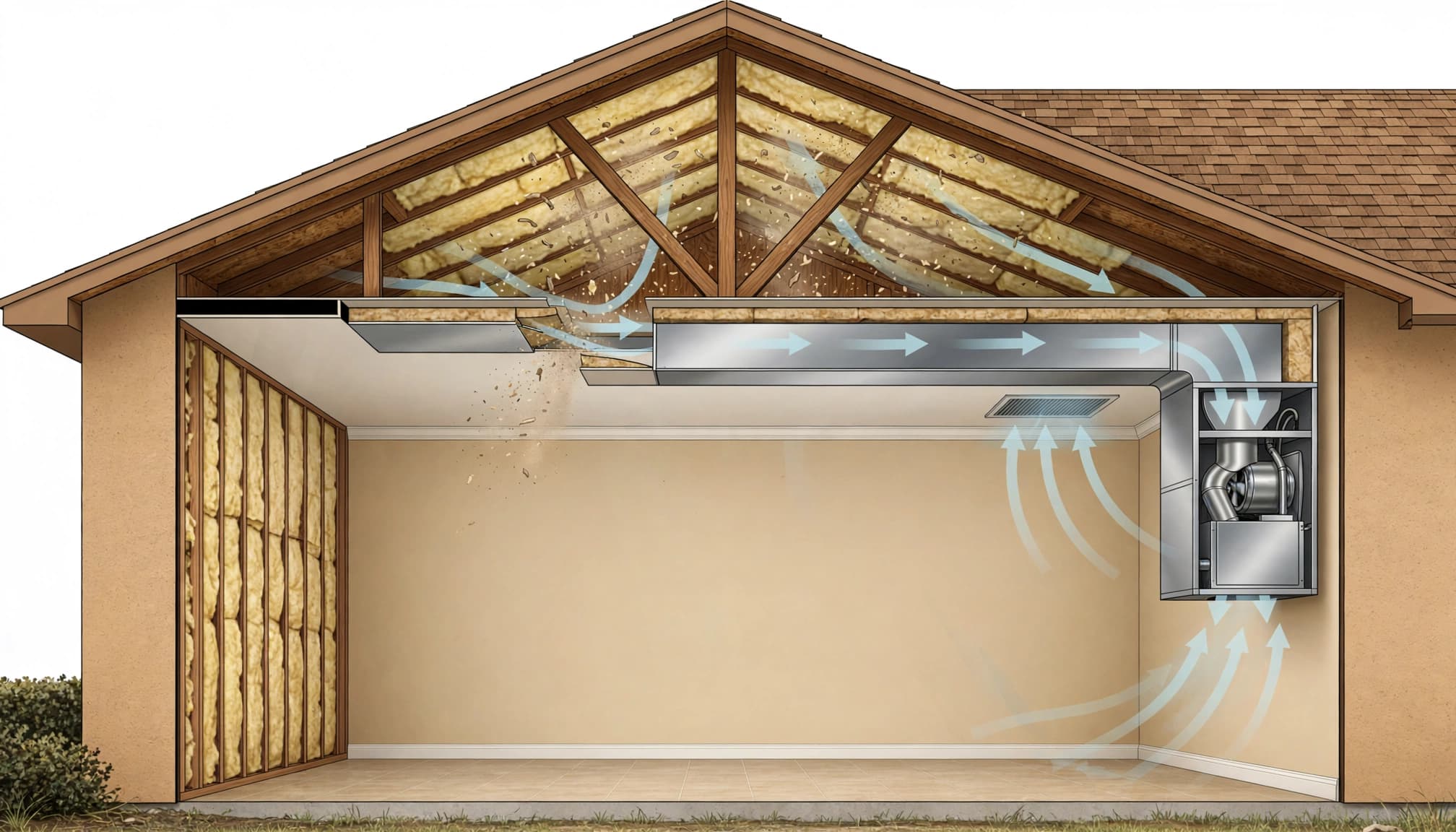
While the blower runs, return ducts operate under negative pressure. If a return duct has a gap in the attic, that pressure can draw surrounding air through the opening and toward the air handler.
Attic air is often much hotter than the air inside the home. It may also carry dust or other particles. A leak can therefore affect comfort and indoor air quality, although symptoms depend on the size and location of the opening.
A supply leak pushes air outward
Supply ducts operate under positive pressure while the system runs. A gap in a supply duct lets conditioned air escape into the attic rather than reach the room it serves.
Both types of leaks can make cooling less effective. The direction of airflow is the key difference: a return leak draws attic air into the system, while a supply leak sends cooled air out into the attic.
Signs of an AC Return Duct Leak in the Attic
A single symptom rarely points to one specific duct problem. Look for a pattern, especially if it began after ductwork was moved, repaired, or disturbed.
Dust, filter changes, and sounds
Dust collecting around return grilles or a filter that gets dirty sooner than usual can deserve attention. A hissing or whistling sound near a return grille may also indicate airflow through an opening or restriction.
These signs don't prove an attic leak. A dirty filter, a loose grille, or another airflow issue can create similar clues. Still, if several changes happen together, the return side is worth inspecting.
Cooling and comfort changes
The AC may run for long periods while the home still feels warm or sticky. Some rooms may feel less comfortable than others, especially when the system can't move enough indoor air through the return path.
A musty smell also calls for a closer look, but it doesn't identify a duct leak by itself. Moisture near ductwork, a drain issue, damaged insulation, or contamination can cause similar odors.
For other clues that warrant an inspection, see how to tell if your AC ducts need sealing.
Safe Checks You Can Make From Inside the Home
You can gather useful information without entering the attic. Keep the checks simple, and stop if you would need to climb, reach over insulation, or handle equipment.
Look at the return grille and filter
With the system off, check whether the return grille is loose, visibly damaged, or blocked by furniture. Make sure the air filter is installed in the correct direction and fits its slot without large gaps around the edges.
When the AC runs, listen near the return grille for a new whistle or hiss. Note which rooms feel uncomfortable and whether the sound changes as the system starts or stops. These observations can help a technician narrow down the issue.
Don't climb into a difficult attic
Attics can be extremely hot, and the ceiling below may not support a person's weight. Insulation can hide joists, wiring, and other hazards. Don't step onto drywall or move insulation to reach ductwork.
If a duct or connection is visible from a safe, stable attic access point, you can note whether it appears separated or damaged without entering. Don't pull, press, or tape a duct from the opening. Leave inaccessible inspection and repair work to an HVAC technician.
Symptoms That Can Have Other Causes
Even a cluster of warning signs doesn't establish that the return duct leaks into the attic. The same comfort problem can come from an airflow restriction, a dirty filter, equipment trouble, or a duct that's damaged or poorly routed.
A musty odor needs a full assessment
A damp smell might be related to moisture near the ductwork, damaged insulation, a clogged condensate drain, or another issue. Covering the odor with fragrance or assuming the return duct is responsible can delay the right repair.
If the odor persists, mention when it occurs and where it's strongest. A technician can inspect the system and surrounding components rather than relying on the smell alone.
Room-to-room differences aren't a diagnosis
A warm bedroom may point to a supply leak, a closed or blocked register, or an airflow-balancing problem. A return leak is one possibility, but the room's supply and return paths both matter.
Likewise, a frequently dirty filter can relate to household dust or an incorrect filter fit. These clues help direct an inspection, but they can't show where air is escaping or entering.
How a Professional Can Confirm a Duct Leak
A professional duct-leakage test can measure whether air is escaping from the duct system. A technician may also check airflow and static pressure, inspect accessible connections, and look for crushed or disconnected sections.
Testing goes beyond a quick visual scan
Some leaks sit behind insulation or in parts of the attic that aren't visible from the access opening. A technician can use testing equipment to find losses that a basic glance won't reveal.
The test results help distinguish duct leakage from other causes of poor cooling. For example, airflow measurements and static pressure can show whether the system has a restriction or another duct problem alongside a leak.
Learn more about professional duct leak testing and inspection and what it can reveal about a home's duct system.
Inspection covers connected parts
A useful inspection looks at the return grille, return duct, plenum, and connections near the air handler, along with accessible duct runs. The technician can assess whether a joint has separated, flexible duct has collapsed, or insulation has been damaged.
That broader view matters because a visible gap may not be the only problem. Duct condition, airflow, and the equipment's operation all affect how well the home cools.
How Return Duct Leaks Are Repaired
The repair depends on the duct material, the location of the leak, and the condition of the surrounding insulation. A technician may seal a sound duct connection or replace a section that's crushed or badly damaged.
Use mastic or approved foil tape
For suitable joints and seams, HVAC mastic or foil tape approved for ductwork can create a proper seal when applied to a clean surface. The material needs to match the duct and the repair location.
Standard cloth duct tape isn't a suitable long-term repair for HVAC duct joints. Heat, dust, and time can weaken its adhesive, allowing the gap to reopen.
Repair the cause, not just the visible gap
If a return duct has pulled apart, the connection may need to be resecured before it's sealed. Damaged insulation may also need attention so the repaired duct remains properly covered in the attic.
A professional can determine whether sealing is enough or whether a damaged section needs replacement. In Southwest Florida, where ductwork may sit in a hot attic, secure connections and intact insulation help the system deliver air as intended.
Frequently Asked Questions
Can I tell from inside the house if the attic return duct is leaking?
You can notice clues such as dust around a return, unusual sounds, or poor cooling, but these don't confirm an attic leak. A professional inspection or duct-leakage test can identify whether the return duct is drawing air through a gap.
Should I seal a duct joint myself?
Only if the joint is safely accessible and you know the right material and repair method. Don't enter a hot or difficult attic to reach it. Mastic or approved foil tape is appropriate for many duct seams, while standard cloth duct tape isn't a durable substitute.
Who should I call if I suspect a leak?
An HVAC technician can inspect the duct system and assess airflow, static pressure, and possible leakage. Valor Heating & Cooling provides HVAC repair and inspection in Fort Myers. If you'd like a technician to assess the system, Schedule an Estimate.
Get a Clear Answer Before Attic Air Affects Comfort
An AC return duct leak can draw hot attic air into the system, but dust, odors, and uneven cooling can have other causes. Pay attention to changes you can safely observe from inside the home, and leave difficult attic access to a professional.
A duct-leakage test and full system inspection can confirm what's happening. Once the source is clear, the right repair can seal the return path or address another cause of poor cooling.
Recent Posts