Why Your AC Filter Bends or Collapses in Fort Myers
A bent AC filter usually means your system is pulling air through the return too forcefully. In Fort Myers, long cooling cycles, humidity, dust, and restrictive filters can turn a small airflow issue into a filter that bows, folds, or collapses.
A slight bend may only need a filter change and closer monitoring. A severely collapsed filter needs prompt attention because it can reduce comfort, increase energy use, and expose the blower and indoor coil to damage. Start by identifying how serious the deformation is, then look for the cause.
Key Takeaways
- A slightly bowed filter may point to elevated air pressure, a dirty filter, or a poor fit.
- A collapsed or torn filter can allow unfiltered air into the blower and indoor coil.
- Common causes include clogged filters, high-resistance filter media, blocked returns, and undersized ductwork.
- Fort Myers homes often need frequent filter checks because air conditioners run for long periods.
- Turn off the system before removing a damaged filter, then schedule service if the problem returns.
What a Bent AC Filter Means
An AC filter should sit flat inside its slot or return grille. Its frame should hold its shape, and the filter media should remain evenly supported across the opening. When the center bows inward, the return side is creating more suction than the filter can comfortably handle.
A little flex doesn't always mean the filter is failing. A thin, pleated filter can show a modest bow during a cooling cycle, especially if the return grille is large. If the frame stays straight and the filter fits securely, the issue may be limited to a dirty filter or normal pressure across the filter.
The concern grows when the filter has crushed pleats, a bent frame, torn media, or gaps around the edges. A severe collapse means air is trying to find an easier route. Instead of passing evenly through the filter, it may pull around the sides or tear through the media.
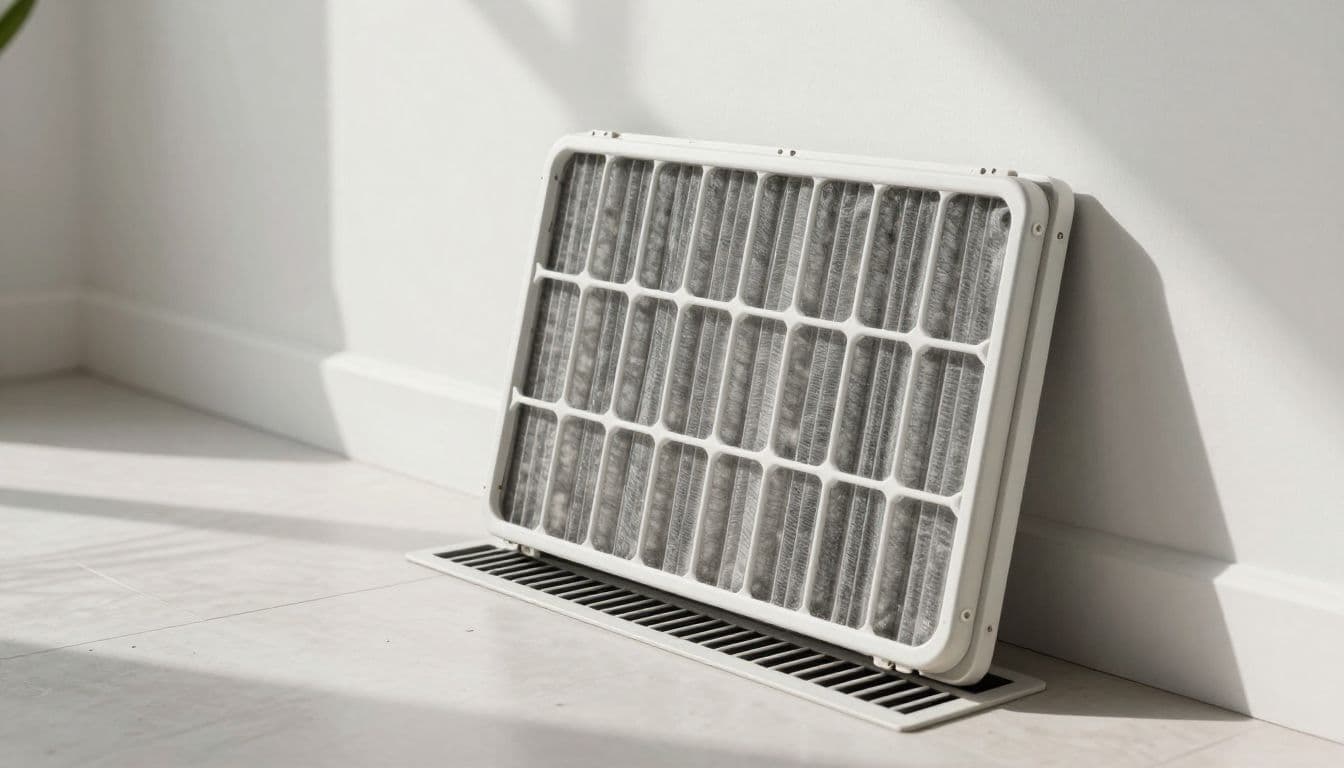
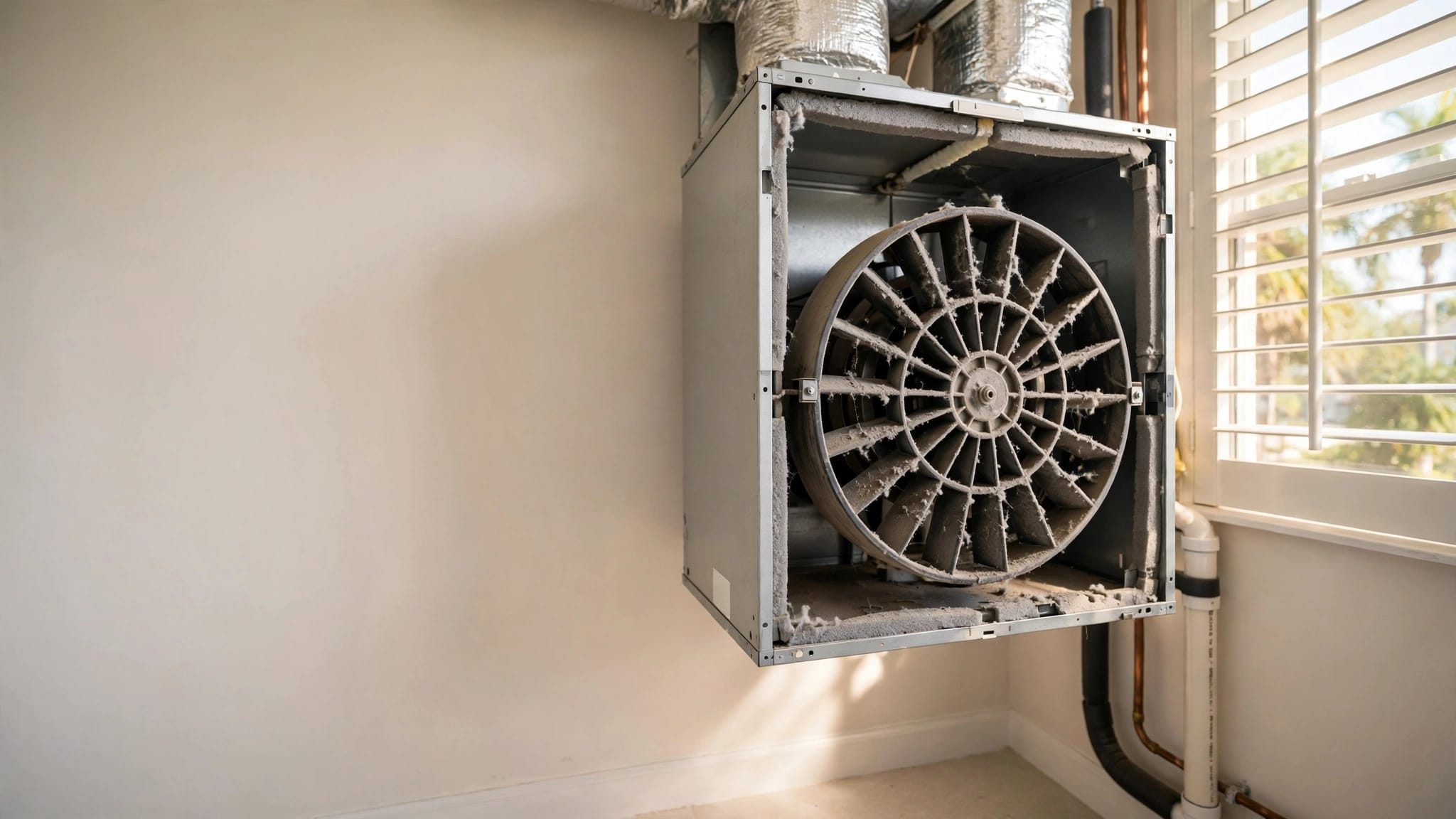
A damaged filter can't protect the system as designed. Dust can reach the blower wheel, indoor coil, and other internal parts. Over time, that buildup can restrict airflow even after you install a new filter.
Check the filter while the system is off. If it's dirty, wet, crushed, or pulled out of position, replace it with the correct size before restarting the AC. If the replacement bends again within a short time, the filter is showing a system-level airflow problem rather than an isolated maintenance issue.
Why AC Filters Collapse in Fort Myers Homes
The most common cause is restricted airflow . A dirty filter creates resistance, so the blower has to pull harder to move air through the return. That pressure can bow the filter and, in severe cases, fold the media inward.
Fort Myers air conditioners often work for long stretches during hot, humid weather. A filter that might last 60 to 90 days in a mild climate can load with dust and pet hair sooner during Florida's long cooling season. Homes near construction, busy roads, or unpaved areas may collect even more airborne debris.
A filter can also collapse when it's too restrictive for the equipment. Filters with higher MERV ratings catch smaller particles, but they also create more resistance. That doesn't make a high-MERV filter wrong for every home. The HVAC system, return duct, blower, and filter cabinet must support the selected rating.
Other common causes include:
- The wrong filter size : A filter that's too small can shift and leave gaps. One that's too large may buckle inside the slot.
- A blocked return grille : Furniture, curtains, storage bins, or rugs can limit the air entering the return.
- An undersized return duct : The blower may pull hard against a return opening that can't supply enough air.
- A dirty indoor coil : Dust buildup on the coil restricts airflow after air passes through the filter.
- A blower problem : Incorrect speed settings, a dirty blower wheel, or a failing motor can change system pressure.
- A wet filter : Moisture can weaken the filter material and cause it to sag or tear.
Humidity alone doesn't normally crush a dry filter. However, a wet filter may point to condensation, a frozen coil, poor drainage, or another AC problem. If you find moisture, don't treat the filter replacement as the complete repair.
You can review how often to change AC filters in Fort Myers for general replacement guidance. Your actual schedule depends on the filter type, home conditions, pets, allergies, and how heavily the system runs.
A Bowed Filter Is Different From a Collapsed Filter
The shape and condition of the filter help determine how quickly you need to respond.
| Filter condition | What you may see | What it may indicate |
|---|---|---|
| Slightly bowed | A small center curve, intact frame, clean edges | Normal pressure, a loading filter, or mild airflow restriction |
| Noticeably bent | Deeper curve, compressed pleats, loose fit | High resistance, wrong size, or blocked return airflow |
| Severely collapsed | Folded media, bent frame, torn pleats, visible gaps | Major pressure problem or a filter that can no longer protect the system |
A slightly bowed filter should still be replaced if it's dirty. After installation, confirm that the arrow on the frame points toward the air handler or blower. The filter should slide fully into place without bending, rattling, or leaving an open edge.
Watch what happens next. If the new filter stays flat, the old filter may have been overloaded. If it bows right away, inspect the return grille and check whether the filter rating matches the equipment. A recurring bend deserves professional testing because the restriction may be inside the ductwork or air handler.
A severely collapsed filter requires faster action. Turn off the thermostat and remove power to the system if you can do so safely. Don't keep running the AC with a torn or displaced filter. The blower can pull loose material into the equipment, while unfiltered air can coat the coil and blower wheel.
Prompt correction also protects comfort. Restricted airflow reduces the amount of conditioned air reaching each room. Some rooms may feel warm while the thermostat continues calling for cooling. The system then runs longer, but longer operation doesn't fix a lack of airflow.
A filter that collapses again after replacement is a warning about pressure and airflow, not a reason to keep buying thicker filters.
Why Prompt Correction Matters for Your AC
A bent filter may look minor, but airflow problems affect several parts of the system at once. When the return side becomes restricted, the blower works against greater resistance. That can increase electrical use and place extra strain on the motor.
Reduced airflow also affects the indoor coil. If too little warm household air passes over the coil, the coil can become colder than intended. In some cases, it may begin to freeze. Ice then blocks airflow even further, which can turn a filter problem into a service call involving the coil, refrigerant circuit, or blower.
Comfort usually changes before equipment damage becomes obvious. The AC may run for long periods, cycle poorly, or struggle to keep bedrooms and distant rooms cool. High indoor humidity can follow when the system can't move enough air or complete normal cooling cycles.
A damaged filter can also let dust settle on the blower wheel and coil. The buildup makes the surfaces less effective and can worsen the original restriction. That's why a new filter may not solve the issue if the system has operated for weeks with a collapsed one.
The problem can raise energy use, too. A system that runs longer to meet the thermostat setting consumes more electricity. Florida's cooling season makes that extra runtime noticeable on monthly utility bills.
For broader maintenance, review the recommended AC maintenance schedule for Florida homes. A technician can measure airflow and static pressure, inspect the blower and coil, check the filter cabinet, and look for return duct restrictions.
What to Check Before Scheduling Service
A few safe observations can help you describe the problem clearly. Turn the system off before touching the filter, and never reach into a moving blower or air handler.
Use this short checklist:
- Confirm the filter's printed size matches the size required by the return grille or air handler.
- Check whether the filter is dirty, damp, torn, crushed, or installed backward.
- Look for gaps around the filter frame after it is seated.
- Make sure return grilles aren't blocked by furniture, rugs, curtains, or storage.
- Check whether supply vents are open and free of obstructions.
- Note how quickly a replacement filter bends after the system restarts.
- Listen for whistling, rattling, or unusual blower sounds.
- Watch for weak airflow, warm rooms, ice on the refrigerant lines, or water near the air handler.
Don't stack filters, force an oversized filter into the cabinet, or replace a collapsing filter with the highest MERV rating available. Those choices can increase resistance and make the problem worse. If you're unsure which filter rating or size belongs in the system, photograph the old filter and the slot before calling for help.
Service is the right next step when the filter collapses repeatedly, the filter slot won't hold it securely, or the system shows signs of freezing or water leakage. A technician should inspect more than the filter. The return duct, blower wheel, indoor coil, filter cabinet, drain system, and blower settings may all affect pressure.
If the system needs equipment changes or you want a technician to evaluate a replacement option, you can Schedule an Estimate with Valor Heating & Cooling. Recurring filter problems should receive a proper diagnosis rather than repeated filter swaps.
You can also review the effects of dirty air filters on AC performance if you're noticing weaker airflow or rising runtime.
Conclusion
A slight bow in an AC filter may reflect dirt, filter resistance, or a minor fit issue. A severely collapsed filter points to stronger suction and can leave the blower and indoor coil exposed to unfiltered air.
Replace a damaged filter with the correct size, keep the return clear, and watch whether the new filter stays flat. If AC filter collapsing continues, prompt service can restore airflow, improve comfort, control unnecessary energy use, and protect the equipment during Fort Myers' long cooling season.
Recent Posts