Why Your Thermostat Goes Blank or Stops Responding
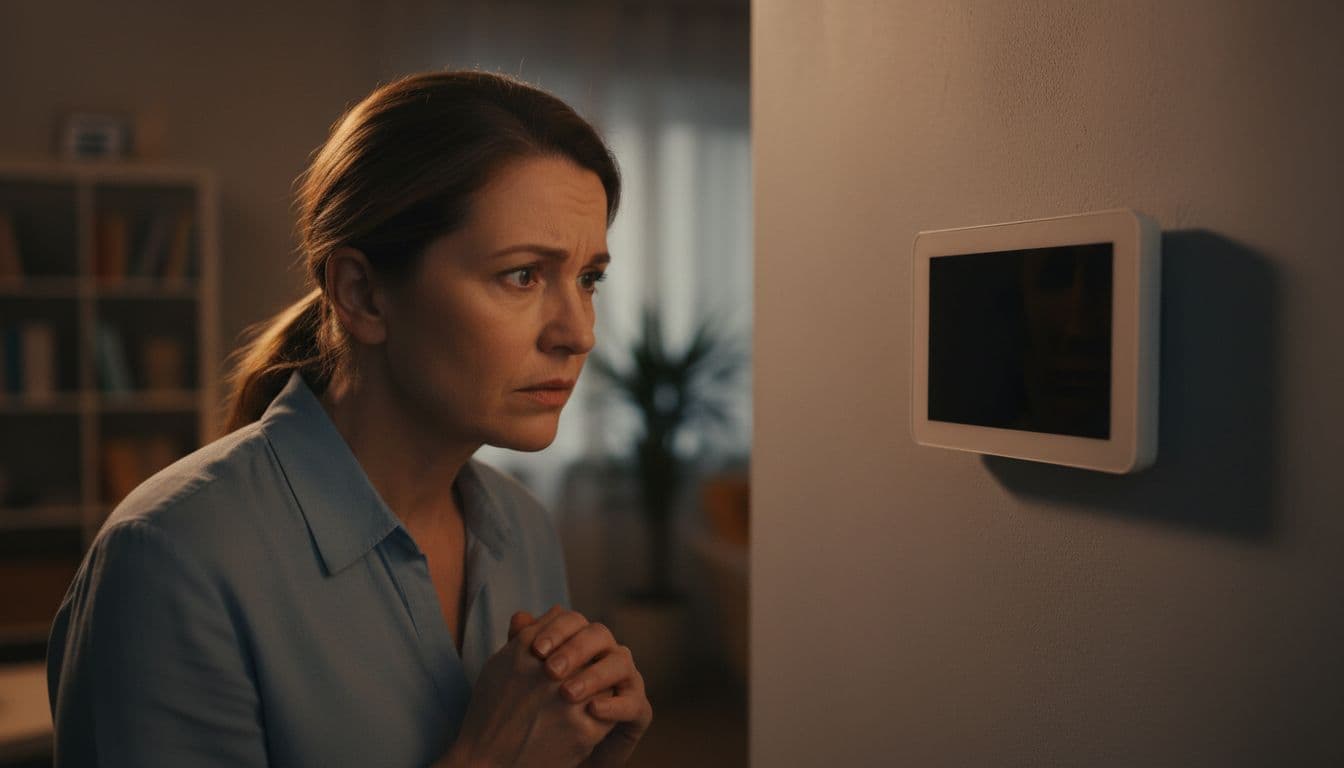
A blank thermostat can turn a normal day into a frustrating one fast. One minute the house feels fine, then the screen goes dark or the buttons stop working.
Most of the time, the cause is simple. Sometimes the problem starts at the thermostat, and sometimes it comes from the air handler, breaker, or wiring behind it. In Southwest Florida, where indoor comfort matters right away, a fast check can save time and worry.
Start with the safe steps first. Then you can decide whether the fix stays at the wall or needs a technician.
Start with the safest checks at the wall
Before you assume the thermostat is dead, rule out the easy stuff. These checks are safe for most homeowners and can solve a blank thermostat problem in minutes.
- Replace the batteries if your thermostat uses them. Fresh batteries can bring the screen back right away, and a weak set can make the display go dark without warning.
- Check the HVAC breaker in the electrical panel. If it tripped, reset it once. If it trips again, stop there and call for help.
- Look for the air handler switch near the indoor unit. It looks like a normal light switch, and it gets bumped off more often than people think.
- Watch for water near the indoor unit. In Florida homes, a clogged drain line or float switch can shut the system down before damage gets worse.
- Give the thermostat a minute after power returns. Some units need a short reset time before the screen lights up again.
Do not remove the thermostat from the wall or touch the wiring if you are unsure. Low-voltage wires can still short out and cause more trouble.
Why the screen goes dark in the first place
A blank screen does not always mean the thermostat failed. Often, another part of the system cut power first to protect itself.
Dead batteries are the easiest fix, especially in older thermostats. If the screen is weak, flickers, or dies after a short time, batteries are the first thing to replace.
A tripped breaker or shutoff switch can cut power to the whole HVAC system. That includes the thermostat on many setups. If the air handler lost power, the thermostat may look broken even when it isn't.
A blown low-voltage fuse often follows a short in the wiring or a power surge. The thermostat loses power, the screen goes blank, and the rest of the system stays quiet.
A condensate safety switch can also shut the unit down. This is common in humid weather when the drain line clogs and water backs up around the indoor equipment.
Loose wiring or a worn thermostat is the last common cause. If the display worked before and now stays dark after new batteries and a power reset, the unit may have an internal fault.
If the thermostat went blank right after a breaker trip, the thermostat may be fine. The real problem may sit at the air handler or safety switch.
Signs the thermostat itself may be failing
Some clues point to a thermostat that needs replacement, not another reset. If you see more than one of these, the unit may be near the end of its life.
- Fresh batteries do nothing. The screen stays blank or comes on for a second, then dies again.
- The display flickers or shows odd lines. That can point to failing internal parts.
- Buttons or touch controls don't respond. If you press the screen and nothing happens, the unit may have failed inside.
- The room temperature reading is way off. A thermostat that reads wrong can send bad signals to the system.
- The unit keeps losing power after a reset. That usually means the problem is deeper than the batteries.
- The thermostat is old and has repeated issues. When the same problem keeps coming back, replacement is often the better fix.
A thermostat can act like a small computer. When the screen, sensors, or internal board fail, it stops talking to the HVAC system correctly.
When to call an HVAC technician
Some problems need tools, not guesswork. If the breaker keeps tripping, the wiring looks damaged, or the thermostat stays dark after you replace the batteries, a technician should take over.
A full professional HVAC repair and inspection can check the transformer, fuse, control board, thermostat wiring, and safety switches without risking more damage. That matters when the cause is hidden inside the air handler or behind the wall.
If the house is heating up fast, 24/7 emergency HVAC support is the safer choice. In Southwest Florida, a small electrical or drain issue can turn into a comfort problem fast.
If you want a direct visit, Schedule an Estimate and explain that the thermostat is blank or not responding. Mention any breaker trips, recent power loss, water near the indoor unit, or unusual smells. That helps the technician come ready.
Do not keep resetting the breaker if it trips again. Also, do not open the electrical panel unless you know exactly what you're looking at. A dark thermostat can be a simple fix, but repeated power issues need a trained eye.
Conclusion
A blank thermostat usually starts with something simple, like batteries, a breaker, or a shutoff switch. If those checks do not bring the screen back, the issue may be in the wiring, safety controls, or the thermostat itself.
The safest path is to stop when the problem moves beyond a basic home check. In a hot Southwest Florida home, quick action keeps a small fault from turning into a bigger comfort problem.
Recent Posts