

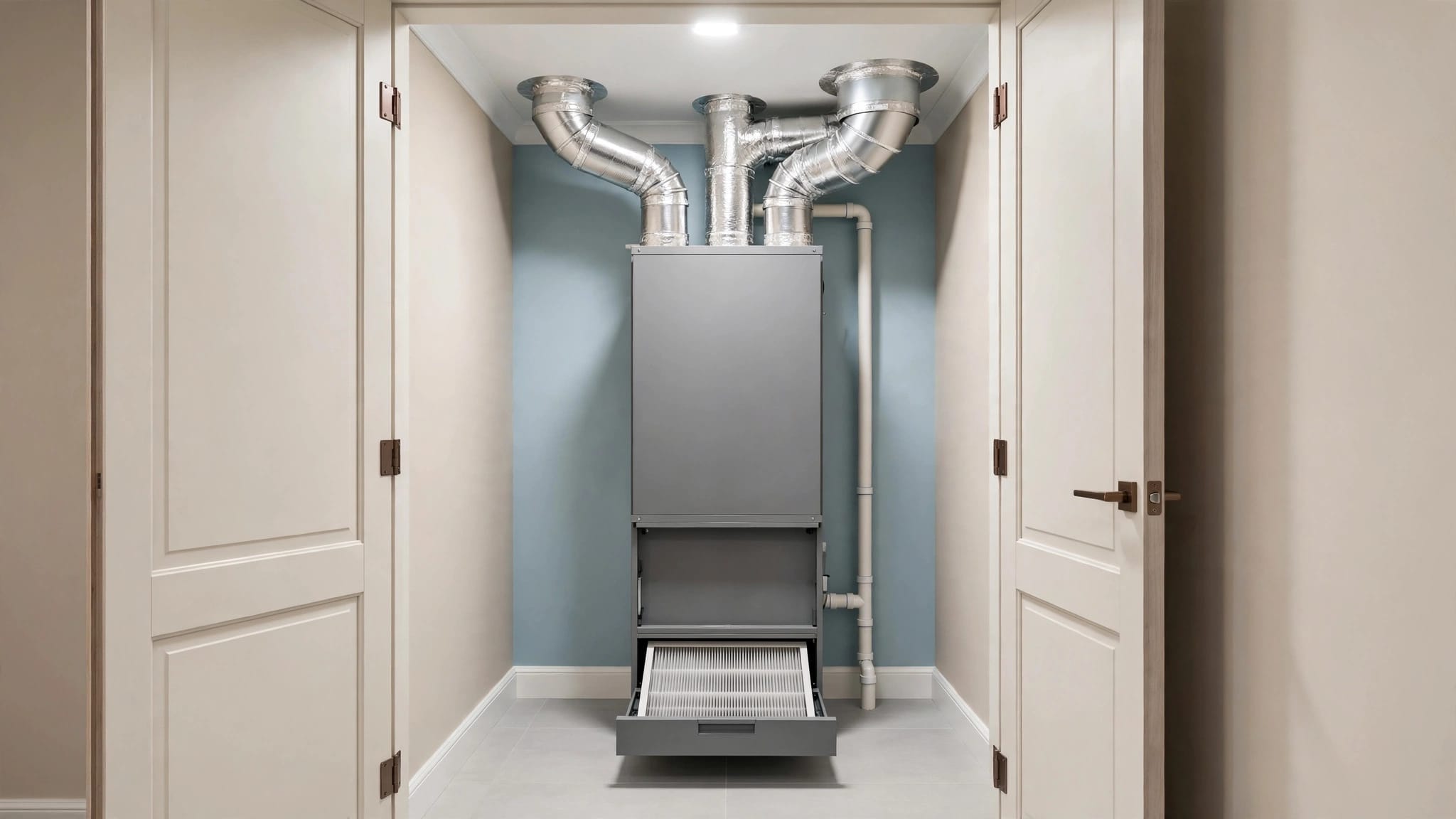
How Much Fresh Air Does a Florida Home Need?

Valor HVAC • October 19, 2026

Share this article

There isn't one fresh-air number that fits every Florida house. The right amount depends on the home's size, how many people live there, how airtight it is, and what ventilation equipment it has.

A good Florida home ventilation plan brings in enough outdoor air to dilute indoor pollutants without adding more humidity than the cooling system can manage. Knowing what the airflow numbers mean is the first step.

What fresh air means in a Florida home

Whole-house ventilation deliberately brings outdoor air inside and exhausts stale indoor air. It helps dilute pollutants from cooking, cleaning products, furnishings, and daily activities. Bathroom fans and kitchen hoods remove air at specific locations, but they don't automatically provide a measured supply of fresh air to the whole house.

In older, leakier homes, outdoor air can enter through gaps in the building shell. Tighter homes have less uncontrolled exchange, so they may need mechanical ventilation. Either way, uncontrolled leakage is not a reliable ventilation plan, especially in Southwest Florida, where outdoor air can carry substantial moisture.

Florida home ventilation: what the code requires

Florida's 2023 Energy Conservation Code connects whole-house mechanical ventilation to a home's tested airtightness. The applicable code edition and requirements depend on the project and local jurisdiction.

The under-3-ACH trigger

Under the 2023 code, a dwelling with an air-leakage rate below 3 air changes per hour must have whole-house mechanical ventilation. The code points to requirements in the Florida Energy Conservation Code and Florida Residential Code.

That figure describes an airtightness test, not a universal fresh-air target. In a blower-door test, air leakage is measured under a set pressure. The result doesn't tell you how much outdoor air a ventilation system supplies during normal operation.

Exhaust fans have a different job

Bathroom exhaust fans remove moisture and odors at the source, and kitchen exhaust can clear cooking pollutants. They don't replace a whole-house ventilation system when one is required. For example, a fan that runs often can pull replacement air through leaks, bringing humid outdoor air into the home without controlling where it enters.

Why one airflow number won't fit every home

Ventilation rates are often described in cubic feet per minute, or CFM. A home's volume and air changes per hour, or ACH, describe different things. CFM measures the volume of air moving each minute; ACH expresses how many times that volume equals the home's air volume over an hour.

Occupants, area, and airtightness all count

A ventilation calculation accounts for the home's floor area and bedroom count, among other factors. More occupants can mean more indoor pollutants and moisture. Meanwhile, a tight building may need planned mechanical ventilation, while a leakier one may exchange more air unintentionally.

Duct layout and ventilation equipment matter, too. A fan's rated capacity doesn't prove it delivers that airflow once connected to ductwork. Proper measurement and commissioning show whether the installed system moves the intended amount of air.

Keep test results separate from operating airflow

The under-3-ACH code trigger is not the same as saying the home needs three air changes of fresh air every hour. It refers to a measured leakage result under test conditions. Operating ventilation is a separate airflow calculation, based on applicable code requirements and the home's specific design.

Fresh air and Florida humidity

In Fort Myers, Cape Coral, and across Lee County, outdoor air can add a significant moisture load. Ventilation still matters, but the system must account for humidity alongside indoor air quality. A home can feel damp even when its thermostat reaches the set temperature.

Match ventilation with moisture removal

An air conditioner removes some moisture as it cools, but it may not run long enough to do so effectively if it's oversized or short-cycling. On mild, humid days, ventilation can also add moisture while the compressor runs less. Depending on the home, a dedicated dehumidifier may help manage the extra load.

For many hot, humid Southwest Florida homes, an energy recovery ventilator (ERV) can reduce moisture transfer along with heat. An HRV transfers heat but not moisture in the same way. The right choice depends on the house and system design. Read more about ERV and HRV systems for Florida homes.

Windows aren't always a source of dry air

Opening windows can raise indoor humidity when outdoor dew point is high, particularly if windows stay open while the AC runs. A comfortable outdoor temperature doesn't necessarily mean the air is dry. For more detail, see how outdoor dew point affects indoor humidity.

A hygrometer can help you track indoor humidity in the rooms where you spend time. Sustained readings above 60% deserve attention, especially alongside musty odors, condensation, or a clammy feeling. Ventilation, air conditioning, and moisture control work together, but they don't do the same job. Learn about whole-home dehumidification in Southwest Florida.

What to include in a home-specific ventilation plan

A qualified HVAC professional can calculate the required airflow for your home's area, occupancy, airtightness, and equipment. The assessment should distinguish required ventilation from exhaust fans and account for Florida's moisture load.

The installed airflow should also be measured. A balanced system brings in and exhausts appropriate amounts of air; a large imbalance can pull humid air through leaks or push conditioned air into building cavities. Filters, grilles, ducts, and exterior hoods also need to remain clear so the system can operate as designed.

For a new build, renovation, or persistent humidity concern, Schedule an Estimate with our team. We can assess ventilation alongside the air conditioner, ductwork, and indoor humidity.

Key Takeaways

  • Fresh-air needs vary with home size, occupancy, airtightness, and equipment.
  • CFM measures airflow, while ACH describes air volume relative to the home's volume.
  • Florida's ventilation requirements depend on the applicable code and the home's test results.
  • Outdoor air adds moisture, so ventilation design should account for humidity control.

Frequently Asked Questions

Does every Florida home need mechanical ventilation?

No single answer applies to every house. The 2023 Florida code requires whole-house mechanical ventilation for dwellings with tested leakage below 3 ACH. Other requirements may apply based on the home's design and the code edition governing the project.

Can an air conditioner provide enough fresh air?

A standard air conditioner mostly recirculates indoor air while cooling it. It doesn't necessarily bring in a measured amount of outdoor air. A separate ventilation system or designed outdoor-air connection may be needed.

Choose airflow for the house, not a rule of thumb

The right fresh-air rate comes from the home's size, occupancy, airtightness, equipment, and applicable code requirements. In Southwest Florida, a sound plan also accounts for outdoor moisture and the home's ability to remove it. Proper calculation and measured airflow help provide fresh air without making humidity harder to control.

Recent Posts

By Valor HVAC • October 23, 2026
An AC air-handler closet needs enough space for the cabinet, required clearances, service access, filter removal, and duct connections. There isn't one universal closet size , because air handler closet clearance depends on the equipment model and installation layout. A unit c...
By Valor HVAC • October 22, 2026
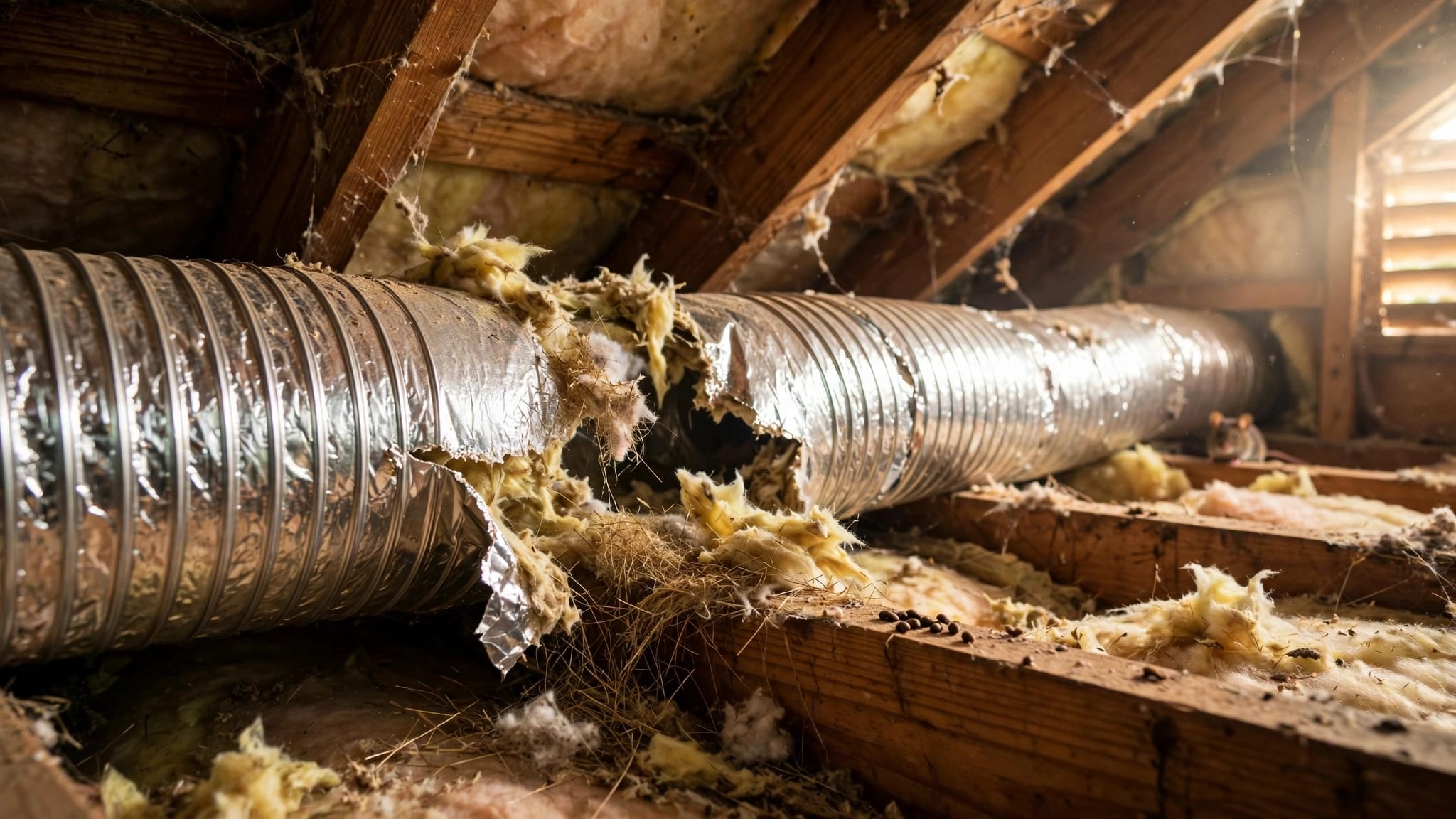
Rodents can chew through flexible ductwork, tear its insulation, and leave droppings or nesting material nearby. In a Southwest Florida home, a damaged duct can waste cooled air and affect comfort, but a smell or warm room alone doesn't confirm the cause. Look for visible dama...
By Valor HVAC • October 21, 2026
A room can feel warm and stuffy even when the thermostat says the house is cool. In many cases, the issue is how conditioned air reaches the room and returns to the system. Manual T HVAC design addresses air distribution, including supply register and return grille selection a...