
Why Some Rooms Stay Hot in Fort Myers Homes

Valor HVAC • May 21, 2026

Share this article

One bedroom stays sticky while the rest of the house feels fine. In Fort Myers, that usually has a clear cause, and it often shows up in the same few rooms.

Strong sun, attic heat, humidity, and weak airflow can all turn a comfortable house into one with hot rooms in Fort Myers homes . The good news is that many clues are easy to spot before your AC works any harder than it should. The first step is understanding where the heat is coming from.

Why One Room Feels Hotter Than the Rest

The sun is often the first suspect. A room with west-facing windows gets hit hard in the afternoon, and that heat can hang around well into the evening. Upstairs rooms also warm up faster because heat rises, so second-floor heat buildup is common in two-story homes.

Room layout matters too. A small bedroom with one supply vent may cool fast, while a large bonus room with high ceilings can hold warm air like a lid was left on it. If the door stays shut, the room may not get enough return air. That makes it harder for cool air to move through the space.

That is why one hot room does not always mean the whole system is failing. Often, the problem is local. Sun exposure, closed doors, poor air return, and upstairs heat all put more load on the same spots.

If the same room feels warmer every afternoon, pay close attention to the windows, the floor level, and how much direct sun it gets. Those patterns tell you a lot.

Fort Myers Sun and Attic Heat Push Rooms Over the Edge

Local weather makes small problems bigger. Fort Myers homes deal with long cooling seasons, strong sunlight, and steady humidity for much of the year. That means the AC runs often, and tiny weak spots show up fast.

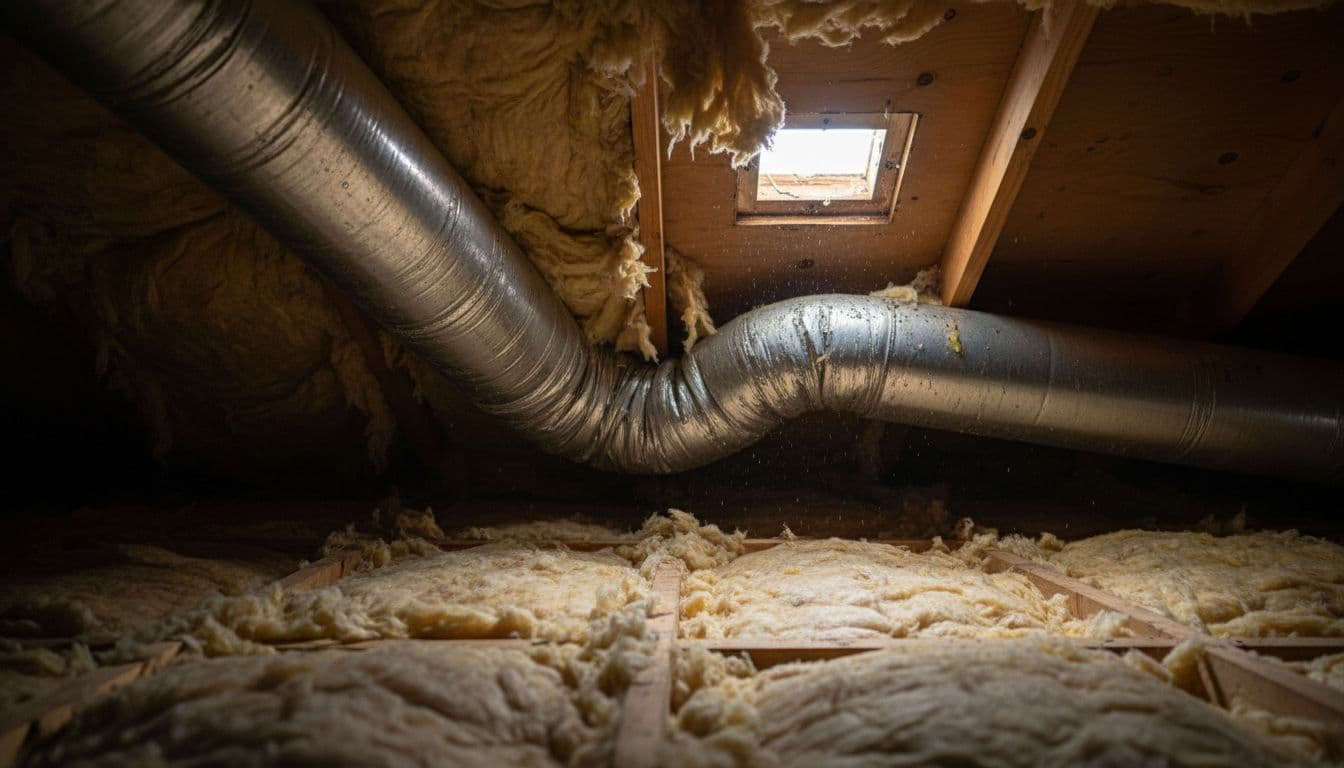
Attic heat is a big one. In the middle of the day, attic spaces can get far hotter than the house itself. If insulation is thin, settled, or uneven, that heat moves into the rooms below. Ducts in the attic can also pick up extra heat before the air reaches the vent.

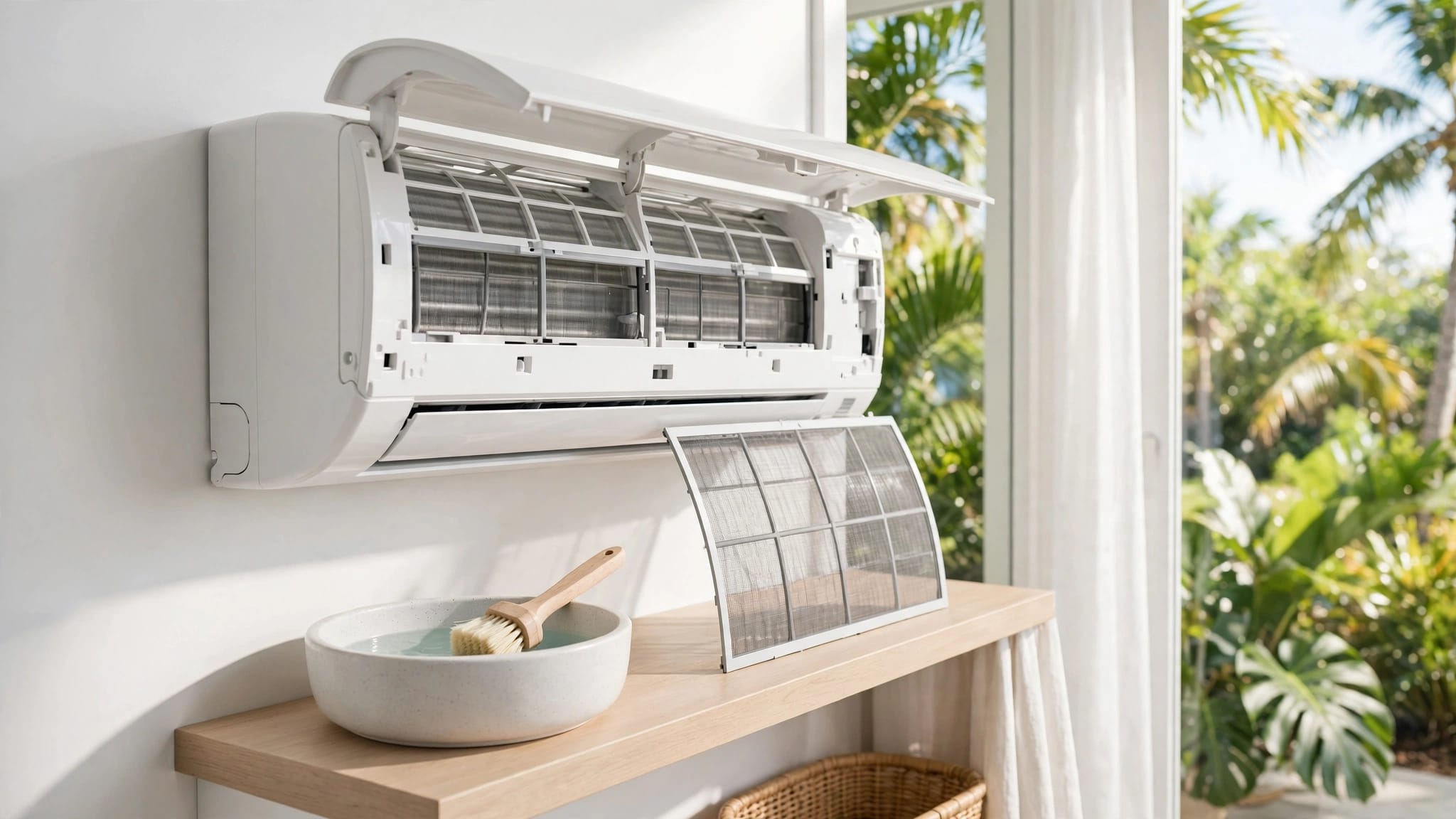
This is where regular maintenance helps. A routine air conditioning tune-up can catch dirty coils, weak airflow, and small efficiency losses before they turn into bigger comfort problems.

Second-floor rooms often feel the strain first. Warm air collects near the ceiling, and the upper level keeps the heat longer. In other words, the thermostat may say the house is cool while one bedroom still feels warm.

Airflow and Duct Issues Create Hot Spots

If the AC is running but one room still lags behind, airflow is often the weak point. Cool air has to reach the room, then warm air has to get back out. If either part of that path is blocked, the room falls behind.

Furniture is a common culprit. A bed, dresser, or curtain that blocks a return grille can slow circulation more than people expect. Closed supply vents can do the same thing, even when they were shut to "push" air somewhere else. That trick often backfires.

Leaky ducts are another quiet problem. Cool air can escape into the attic or wall cavity before it reaches the room that needs it most. A bedroom at the end of a long duct run may get less cooling than the rest of the house. Balancing dampers, duct size, and register placement all matter here.

When one room stays hot every day, the problem is often air delivery, not the thermostat itself.

A bad duct run can make the room feel warm even when the system is working hard. That wastes energy and puts more strain on the blower and compressor.

Humidity Makes Warm Rooms Feel Even Worse

Humidity changes how a room feels fast. A space can be cool enough on paper and still feel muggy if the air stays damp. Fort Myers homeowners know that feeling well.

The AC is supposed to cool the air and pull moisture out of it. However, if the system runs too short, moves too little air, or has a dirty coil, it may not dry the room well. That leaves one space feeling sticky while the rest of the house feels only partly better.

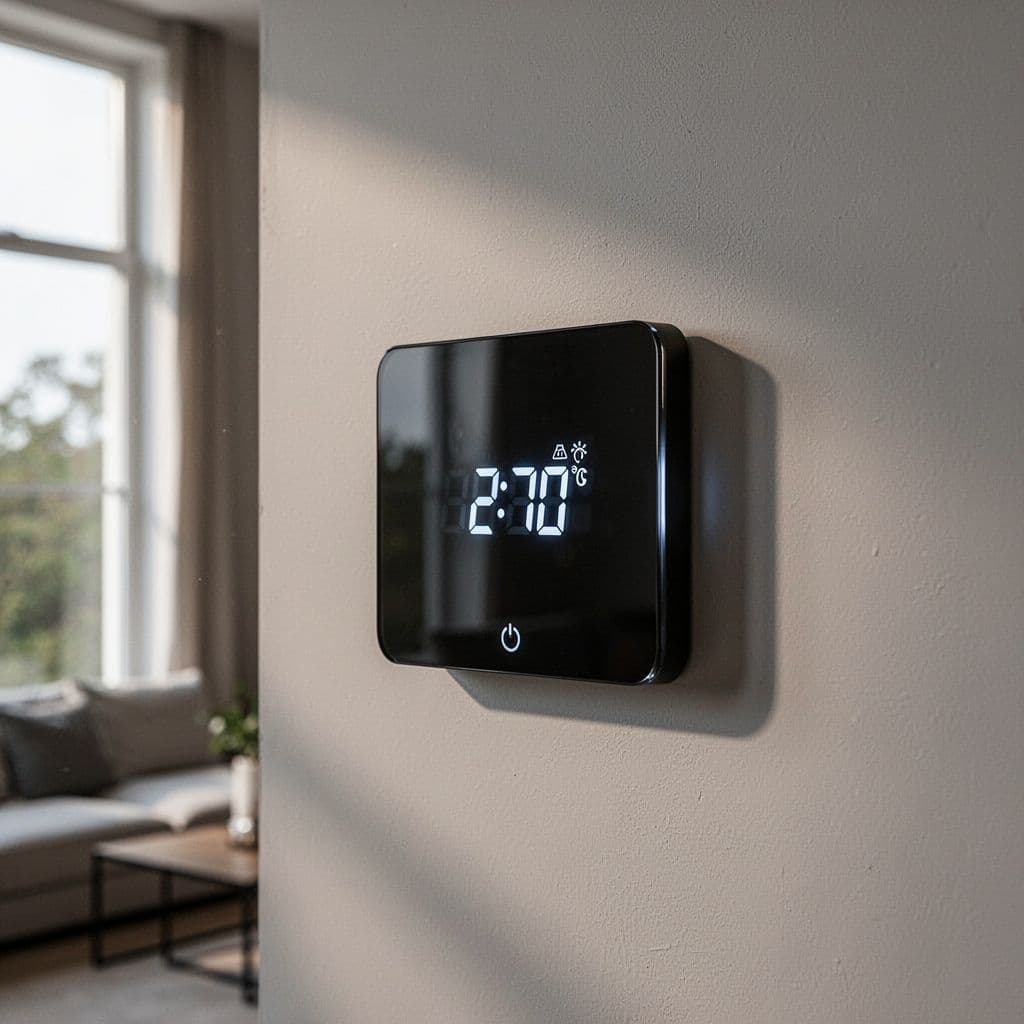
Dirty filters can make this worse. So can a weak fan motor, low refrigerant, or a coil that needs cleaning. Even thermostat placement can create trouble. If the thermostat sits in a cooler hallway or near a return vent, it may shut the system off before the warm room is comfortable.

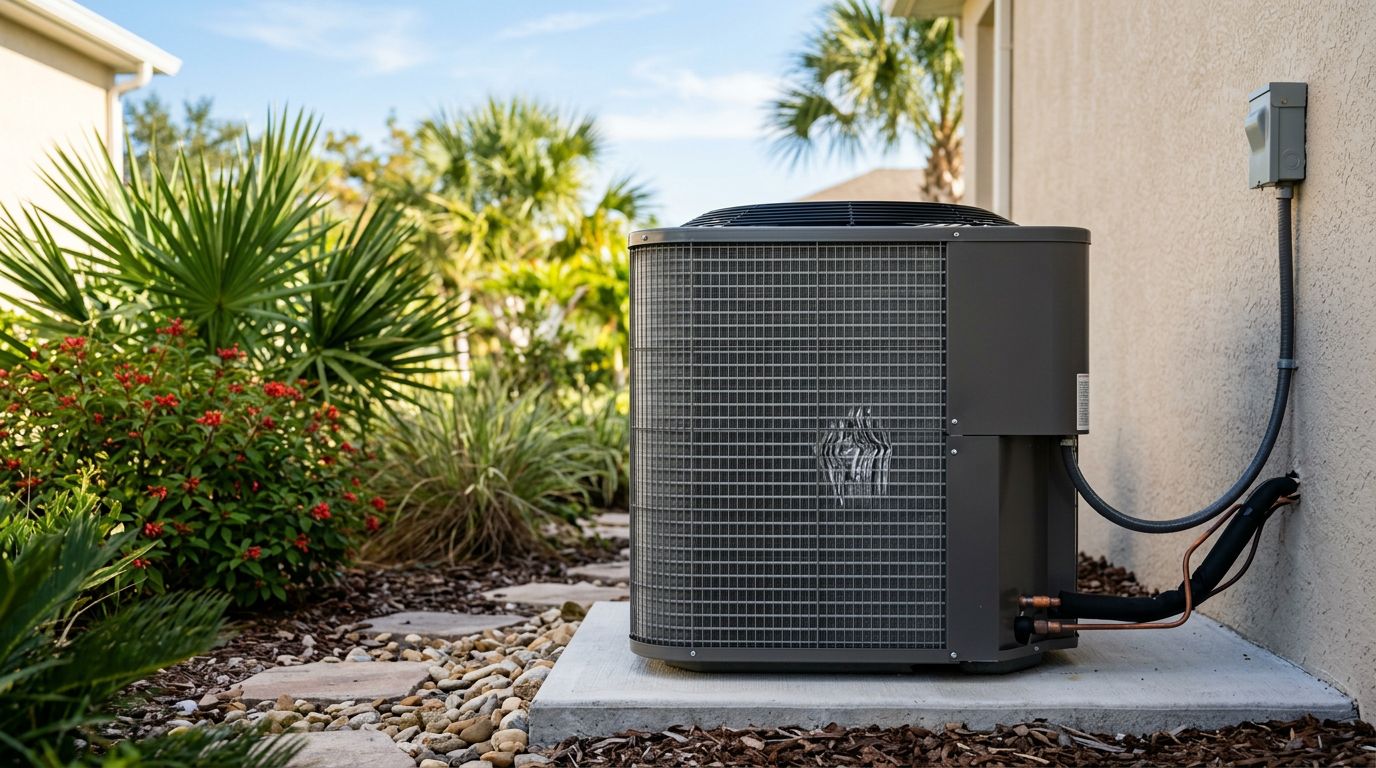
This is where Schedule an Estimate makes sense if the same room keeps lagging behind. A technician can check airflow, test system performance, and see whether the room needs a local fix or a larger repair.

Simple Checks You Can Try First

A few quick checks can rule out easy causes before you call for service. They take little time, and they can point you in the right direction.

  • Check the air filter and replace it if it looks dirty.
  • Make sure supply vents are open and clear of rugs, furniture, or drapes.
  • Keep bedroom doors open when you can, so air can move back toward the return.
  • Close blinds or shades on the sunniest side of the house during the hottest part of the day.
  • Use ceiling fans to move air, but remember they cool people, not rooms.
  • Look for warm air leaks around windows and doors in the hot room.

If one of these steps helps, you have narrowed the cause. If nothing changes, the issue is likely deeper than a simple setting or blocked vent.

When Uneven Temperatures Need a Pro

Some hot spots are normal in Southwest Florida. A room that stays warm every day is different. That pattern often points to duct leaks, weak insulation, poor airflow, or an AC that is not keeping up with the home's load.

Watch for a few clear signs. The room may stay hot every afternoon, even when the rest of the house feels fine. The AC may run longer than it used to. Air from one vent may feel weak. The home may also feel damp after long cooling cycles, and energy bills may creep up without a clear reason.

None of that means the system is done. It does mean the house needs a closer look. A technician can measure airflow, check the ducts, inspect insulation, and see whether the system is performing the way it should.

Small comfort issues often grow into bigger wear if they get ignored. Uneven temperatures make the AC run longer, and that adds stress over time. Fixing the cause early keeps the house more even and the equipment under less strain.

Conclusion

One hot room usually tells a story. In Fort Myers, that story often includes sun, attic heat, humidity, and airflow that never quite reaches the space it should.

A few simple checks can solve the easy cases. When the same room keeps running warm, though, the cause often sits in the ducts, insulation, or AC performance. Finding that weak point early helps protect comfort and keeps the system from working harder than it needs to.

Comfort in Southwest Florida depends on more than cold air. It depends on getting that air to every room, where it belongs.

Recent Posts

By Valor HVAC May 30, 2026
Storms can knock an AC offline without destroying it. A lightning strike, power outage, or flooded yard can leave the system silent even when the rest of the house seems fine. The tricky part is that the problem may be simple, like a thermostat setting, or serious, like surge...
By Valor HVAC May 29, 2026
If your AC fan stays on after the house reaches the set temperature, that isn't always a problem. A short post-cycle run can help clear extra cool air from the coil and smooth out the room temperature. But if the AC fan keeps running for a long time, or never seems to stop, so...
By Valor HVAC May 28, 2026
Fort Myers storms can turn a healthy AC system into a repair bill fast. Wind, flying debris, salt spray, and floodwater all hit the outdoor condenser first. A few simple steps before hurricane season can lower the risk. The goal is to keep the unit clear, keep the power safe,...
By Valor HVAC May 27, 2026
A Fort Myers electric bill can climb fast once summer heat settles in. Your AC runs longer, works harder, and fights sticky indoor air all day. That jump can feel sudden because the weather changes before your habits do. The good news is that most of the cost drivers are easy...
By Valor HVAC May 26, 2026
Low airflow can make a Fort Myers home feel sticky even when the AC is running nonstop. The thermostat may say the house is cooling, but weak air from the vents tells a different story. In Southwest Florida, that problem shows up fast. Heat, humidity, dust, and seasonal debris...
By Valor HVAC May 25, 2026
A blank thermostat can turn a normal day into a frustrating one fast. One minute the house feels fine, then the screen goes dark or the buttons stop working. Most of the time, the cause is simple. Sometimes the problem starts at the thermostat, and sometimes it comes from the...
By Valor HVAC May 24, 2026
A musty AC smell can show up fast in Fort Myers homes, especially after a rainy stretch. In a humid climate, your system moves a lot of moisture, and that moisture can leave behind a stale odor if something is off. Sometimes the smell fades after the system runs for a bit. Oth...
By Valor HVAC May 23, 2026
Most air conditioners in Southwest Florida last about 10 to 15 years . With solid maintenance and a good installation, some systems make it to 15 to 20 years, but coastal air, heavy use, and skipped service can shorten that window fast. If your unit is already near the 10-year...
By Valor HVAC May 22, 2026
A rattling AC noise can start as a small annoyance, then turn into a bigger repair if you ignore it. Buzzing is just as important, because it often points to a loose part or an electrical issue. In Southwest Florida, air conditioners work hard for months at a time. Heat, humid...
By Valor HVAC May 20, 2026
An AC that sweats a little is normal. An AC leaking water onto the floor, dripping through the ceiling, or shutting off over and over is not. In Fort Myers, that problem shows up more often than many homeowners expect. Hot afternoons, high humidity, and long cooling cycles put...
Show More