Weak AC Airflow in Fort Myers: What Usually Causes It

Valor HVAC • May 26, 2026

Share this article

Low airflow can make a Fort Myers home feel sticky even when the AC is running nonstop. The thermostat may say the house is cooling, but weak air from the vents tells a different story.

In Southwest Florida, that problem shows up fast. Heat, humidity, dust, and seasonal debris all push an AC system harder, so a small issue can turn into weak AC airflow before long.

The good news is that some causes are easy to check at home. Others point to a deeper problem that needs a trained technician.

The most common reasons your AC loses airflow

Weak airflow usually starts with a bottleneck. Air can't move in or out the way it should, so the system has to work harder for less comfort.

Here's a simple look at the most common causes:

Cause What you may notice Why airflow drops
Clogged air filter Warm rooms, weak vent flow, more dust The filter blocks air before it reaches the system
Blocked supply or return vents One room feels fine, another feels stuffy Furniture, rugs, or closed vents restrict movement
Dirty evaporator coils Less cool air and longer run times Dirt coats the coil and slows heat transfer
Frozen coils Ice on indoor lines or the unit itself Ice blocks the coil and chokes airflow
Blower motor problems Air feels weak across the whole house The fan may be slow, failing, or not spinning right
Duct leaks Some rooms barely cool Air escapes before it reaches the vents
Thermostat or fan setting issues The system runs, but comfort feels off Wrong settings can hide the real problem
Low refrigerant Weak cooling, ice buildup, or uneven comfort Low refrigerant can cause the coil to freeze and restrict airflow

A dirty filter or closed vent may look minor, yet it can pinch off the whole system. On the other hand, blower trouble, duct leaks, or coil problems can hide behind the same symptom.

Low refrigerant is a good example. It does not always create weak airflow by itself, but it can lead to frozen coils, and that ice blocks air fast.

Why Fort Myers weather makes weak airflow worse

Fort Myers homes deal with a long cooling season. That means the AC runs a lot, and every extra hour gives dust and wear more time to build up.

Humidity adds another layer. Moist air makes the indoor coil work harder, and when that coil gets dirty, airflow can drop even more. A system that should move air smoothly starts to feel like it is breathing through a straw.

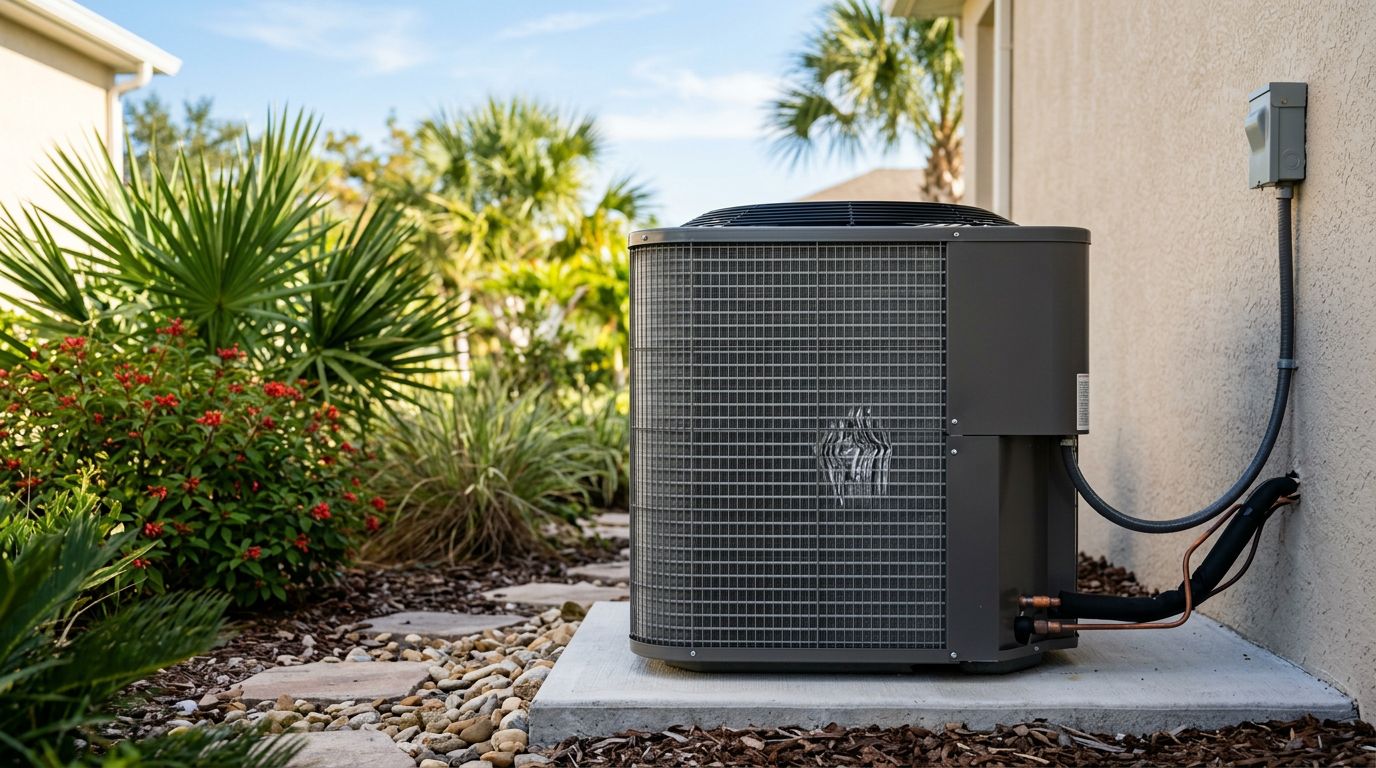
Seasonal debris is part of the problem too. Pollen, grass clippings, palm debris, and fine dust can pile up around the outdoor unit. If the outdoor side can't release heat well, the indoor side often struggles to keep up.

Salt air near the coast can also wear on metal parts over time. That doesn't always cause airflow problems on its own, but it can make existing wear show up sooner.

Regular HVAC maintenance services help catch these issues before they turn into a hot, muggy afternoon with poor cooling and weak vent flow.

Safe checks you can do before calling for help

A few quick checks can tell you whether the problem is simple or more serious. Start with the easy stuff, since those fixes often solve the issue.

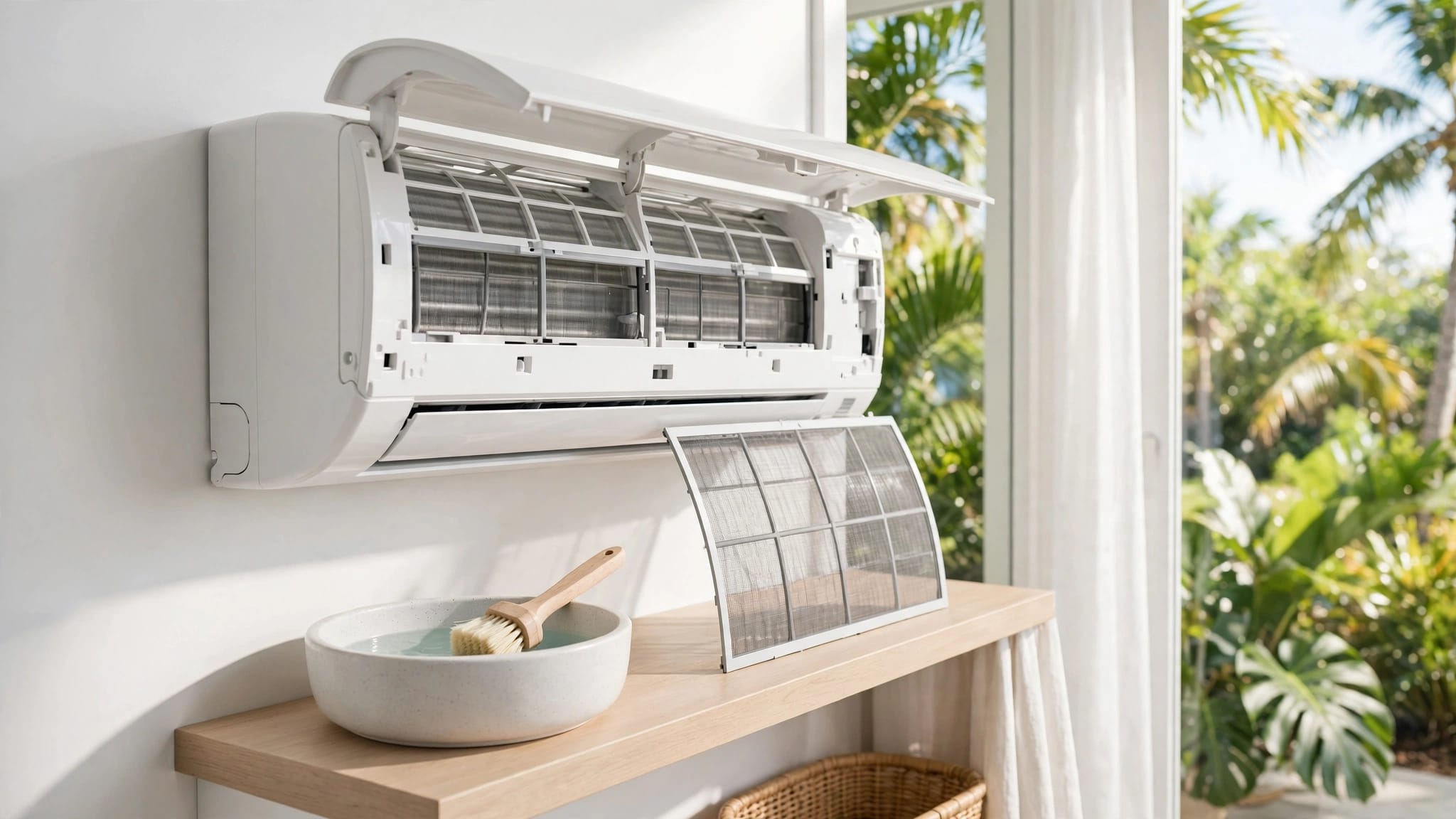
  • Replace the air filter if it looks gray, dusty, or bent. A packed filter is one of the fastest ways to choke airflow.
  • Open every supply vent in the house. If a couch, curtain, or rug blocks a vent, move it out of the way.
  • Check the return grille and clear anything stacked near it. The system needs a clear path to pull air back in.
  • Confirm the thermostat is set to Cool , and make sure the fan setting matches what you want. A wrong mode can make the system feel off.
  • Look for ice on the indoor unit, copper lines, or vents . Ice means you should shut the cooling off and let the fan help thaw it.
  • Check the outdoor unit for leaves, clippings, or trash . Keep at least a little space around it so it can breathe.

If you see ice, stop running the cooling cycle. A frozen system can turn a small problem into a bigger repair.

After those checks, give the system a little time. A dirty filter or blocked vent can cause a fast improvement once it's fixed. If airflow stays weak, the issue is probably inside the equipment or ductwork.

Do not open sealed panels, add refrigerant, or poke around wiring. Those jobs belong to a pro.

When weak airflow points to a larger AC problem

Some airflow issues go beyond simple upkeep. If the filter is clean and the vents are open, the problem may be deeper in the system.

Dirty evaporator coils are a common one. When dust coats the coil, air can't move across it as well, and the AC loses efficiency. Frozen coils can do the same thing, only faster, because the ice blocks airflow until the unit thaws.

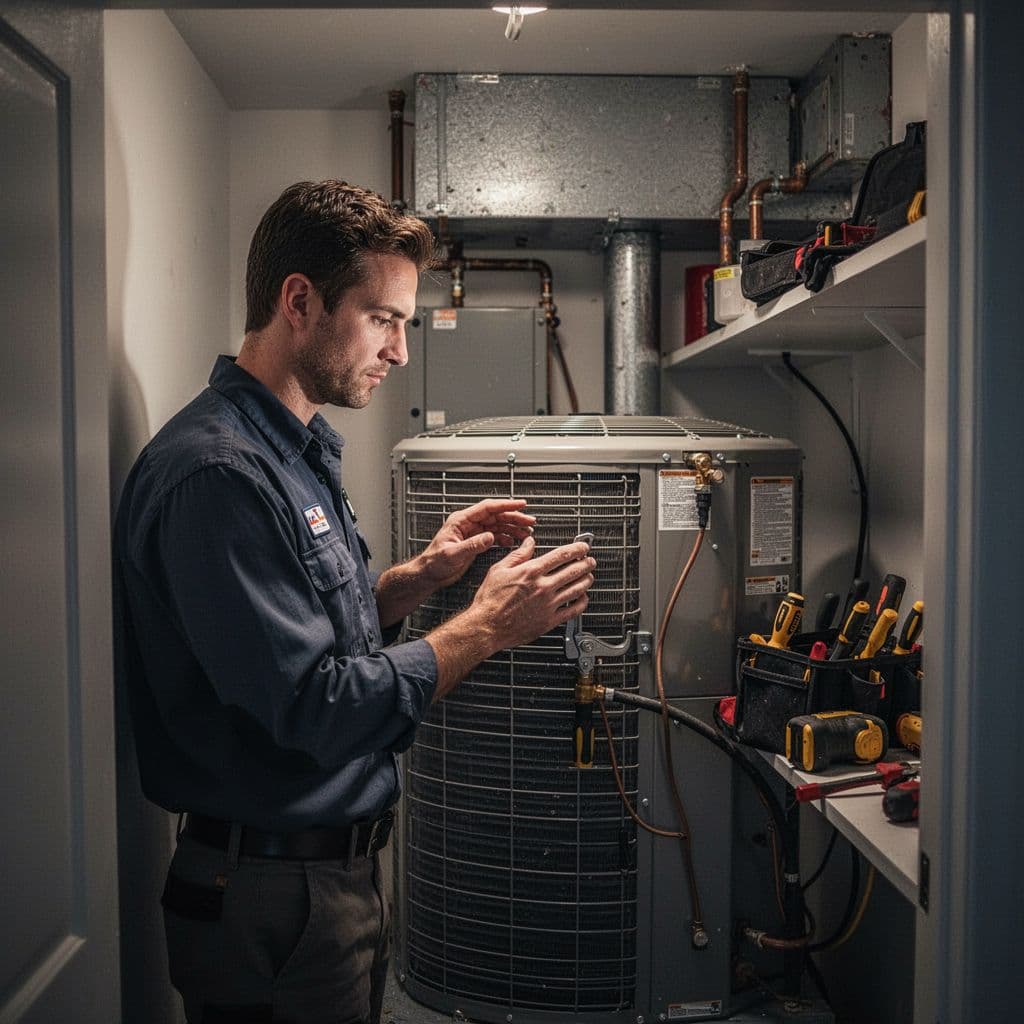
Blower motor problems matter too. If the blower is weak, damaged, or running at the wrong speed, every room can feel under-supplied. That kind of issue needs testing, not guessing.

Duct leaks are another hidden cause. Air can escape into the attic, walls, or crawl spaces before it reaches the rooms you want to cool. You may feel normal airflow near the unit, then notice barely any air farther away.

Low refrigerant also needs a professional diagnosis. It can be linked to a leak, and a leak needs repair before anyone adds more refrigerant. That is why a proper air conditioning diagnostic and inspection is the fastest way to find the real source of the problem.

If the system keeps icing up, rooms stay warm, or the airflow changes from day to day, Schedule an Estimate with a technician. That gives you a clear answer before the heat gets worse.

Keeping airflow strong through the long cooling season

A few habits can keep your system moving air the way it should. They also help lower strain on the equipment, which matters in Fort Myers.

Change the filter on a regular schedule, and check it more often during heavy-use months. In homes with pets, high dust, or lots of AC use, that may mean a new filter sooner than expected.

Keep the return area clear, both inside and outside the home. A return blocked by boxes, furniture, or laundry can starve the system of air.

Give the outdoor unit some breathing room. Trim back plants, clear away debris after storms, and rinse off loose buildup around the cabinet if needed.

Most importantly, book seasonal service before peak heat arrives. A routine visit can clean key parts, spot blower issues, and catch duct problems before airflow drops again. If you want that kind of checkup, routine AC maintenance is worth the time.

Small fixes help, but steady maintenance keeps the problem from coming back every summer.

Conclusion

Weak airflow usually starts with something simple, like a dirty filter, blocked vent, or wrong thermostat setting. In Fort Myers, heat and humidity can turn that small issue into a bigger one fast.

If the easy checks don't help, the cause may be inside the coils, blower, refrigerant line, or ducts. Catching weak AC airflow early keeps your home more comfortable and keeps the system from working harder than it should.

Recent Posts

By Valor HVAC July 14, 2026
A new air conditioner in Fort Myers can cost several thousand dollars, but the final price depends on more than the equipment sitting outside your home. A standard central AC replacement often falls between $6,000 and $14,500 fully installed in 2026. Equipment-only prices can...
By Valor HVAC July 13, 2026
An outdoor air conditioner needs room to breathe, but the exact space depends on the unit, its installation manual, and the layout around it. Too little clearance can restrict airflow, raise operating costs, and make repairs harder. For Southwest Florida homeowners, placement...
By Valor HVAC July 12, 2026
An outdoor air conditioner should sit level on a stable pad. When the condenser starts sinking, tilting, or disappearing into the soil, the problem usually involves the ground beneath it rather than the equipment itself. AC unit sinking can strain refrigerant lines, electrical...
By Valor HVAC July 11, 2026
A straightforward air conditioning replacement in Fort Myers often takes four to eight hours, but larger projects can require a full day or several visits. The exact schedule depends on your home's layout, the system you choose, ductwork condition, electrical requirements, and...
By Valor HVAC July 10, 2026
Replacing a central air conditioner often starts with a simple question: can you keep part of the old system and pair it with a different brand? In most cases, mixing AC brands isn't the best replacement strategy . A properly matched, AHRI-certified indoor and outdoor system u...
By Valor HVAC July 9, 2026
Black dust around AC vents is easy to brush off at first. Then it starts showing up on ceilings, walls, and fresh paint, and the pattern gets hard to ignore. In Fort Myers, this problem often shows up sooner because air conditioners run for long stretches, humidity stays high,...
By Valor HVAC July 8, 2026
Should you upgrade attic insulation before replacing AC? In many Southwest Florida homes, the answer is yes, or at least you should evaluate the attic first. Better insulation and air sealing can lower the cooling load, which keeps a new system from being sized for a house tha...
By Valor HVAC July 7, 2026
Leaving a Florida home empty changes the thermostat question fast. The goal is not to keep the house cold, it's to keep it dry enough to avoid mold, mildew, and that stale smell that shows up after a few hot weeks. For most homes, the right Florida thermostat setting when you'...
By Valor HVAC July 6, 2026
A new AC can still run poorly if the refrigerant lines behind it are the wrong size, damaged, or dirty. Sometimes the old line set can stay, but replacement is often the smarter choice when the copper is old, leaking, contaminated, or not a match for the new equipment. That ma...
By Valor HVAC July 5, 2026
A new AC doesn't always need a new thermostat, but skipping the check can cause trouble fast. If the control and the equipment don't match, you may end up with uneven cooling, short cycling, or a system that never feels quite right. In Southwest Florida, your thermostat gets a...
Show More