Why Your AC Blows Warm Air in Fort Myers

Valor HVAC • May 15, 2026

Share this article

When your AC starts blowing warm air in Fort Myers, the problem can feel urgent fast. That makes sense, because Florida heat doesn't give you much time to wait and see.

Humidity adds another layer. Salt air, heavy summer use, and long run times can all push a cooling system harder than most people expect.

The good news is that some causes are simple and safe to check. Others need a trained HVAC tech before the damage gets worse.

Why Fort Myers weather makes the problem show up fast

Fort Myers puts air conditioners to work almost nonstop for much of the year. In hot, sticky weather, your system has to pull out heat and moisture at the same time. That extra job makes small problems show up sooner.

A weak system might still run, but it won't cool well. You may feel air coming from the vents, yet it feels lukewarm or flat. That often means the unit is moving air, but not removing enough heat.

Salt air can also wear on outdoor parts. Over time, it can speed up corrosion on coils, electrical connections, and metal parts. Add dust, pollen, and yard debris, and the outdoor unit can lose efficiency.

Heavy use matters too. If your AC runs hard every afternoon, wear builds faster. A part that might limp along in a milder climate can fail sooner here.

The most common reasons your AC blows warm air

A warm-air issue usually starts with one of a few common problems. Some are easy to spot. Others need a closer look from a pro.

Thermostat settings and power issues

Sometimes the fix is simpler than homeowners expect. The thermostat may be set to "heat" instead of "cool," or the fan may be on "on" instead of "auto." If the fan runs without cooling, it can feel like the AC is working when it isn't.

Low batteries can also cause odd behavior. A tripped breaker or shutoff switch can leave part of the system without power, even if the indoor fan still runs. That creates a false sense that the whole system is on.

Dirty filters and weak airflow

A clogged filter is a common reason for weak cooling. Air can't move well through a dirty filter, so the system strains and cools less. In Fort Myers, filters often load up faster because AC use is heavy and the air can carry plenty of dust and moisture.

Blocked return vents can do the same thing. Furniture, rugs, or closed doors can cut airflow and make rooms feel warm. When the system can't breathe, it can't cool the house properly.

Frozen coils and refrigerant trouble

If the indoor coil freezes, the AC may blow air that feels warm or only slightly cool. Ice usually points to low airflow, low refrigerant, or another deeper issue.

If you see ice on the indoor unit or copper lines, turn the cooling off. Running it can make the damage worse.

Low refrigerant is not a normal maintenance item. It usually means there is a leak that needs repair. Adding more refrigerant without fixing the leak is like topping off a bucket with a hole in it.

Outdoor unit strain

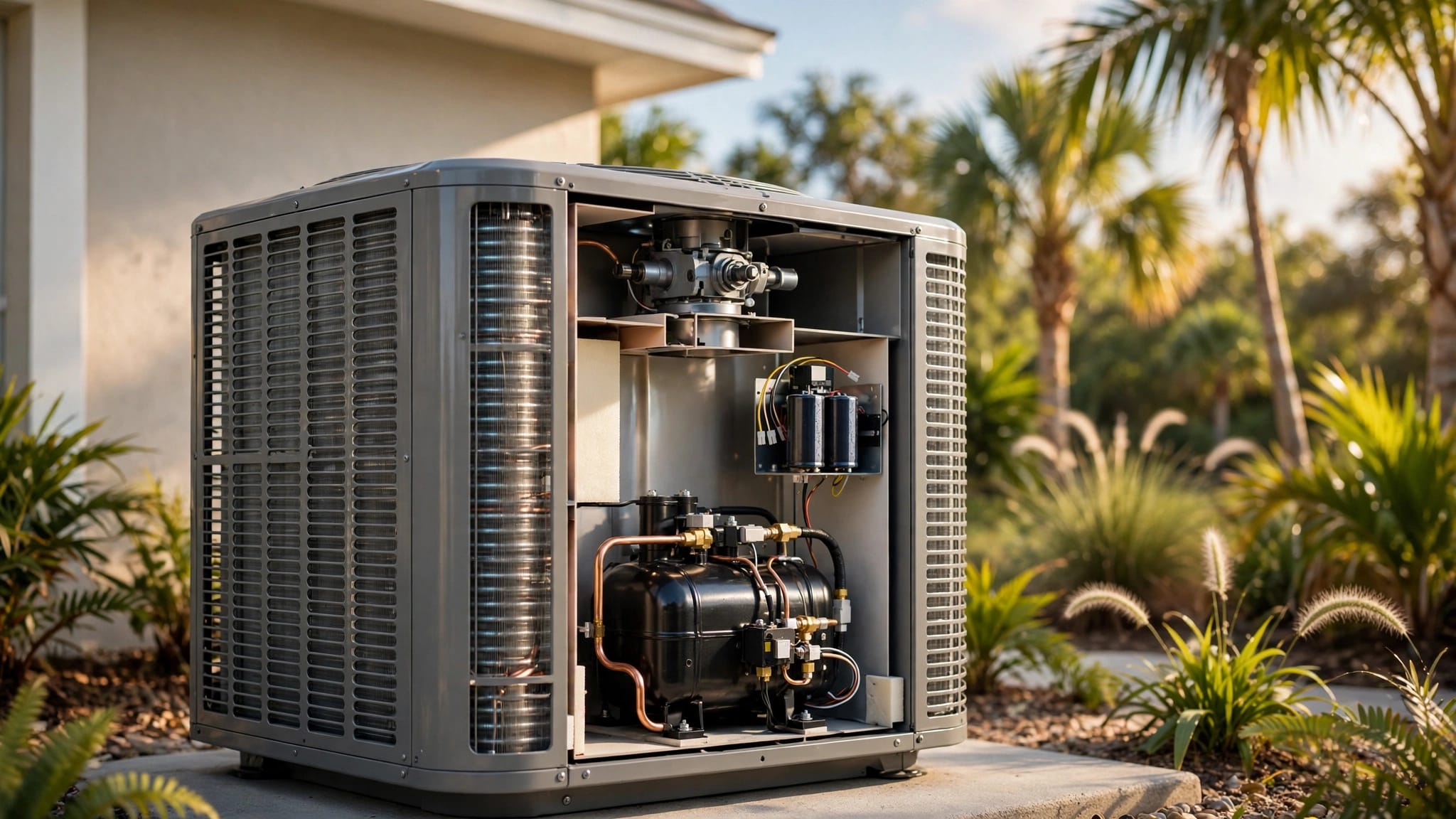
The outdoor unit has to release heat. If it's covered in dirt, leaves, or salt buildup, it can't do that job well. The system may keep running, but the air inside gets less and less cool.

Bent fins, a blocked coil, or a failing fan motor can also reduce performance. In Fort Myers, the outdoor unit often takes a beating from storms, yard debris, and constant sun.

Electrical or control issues

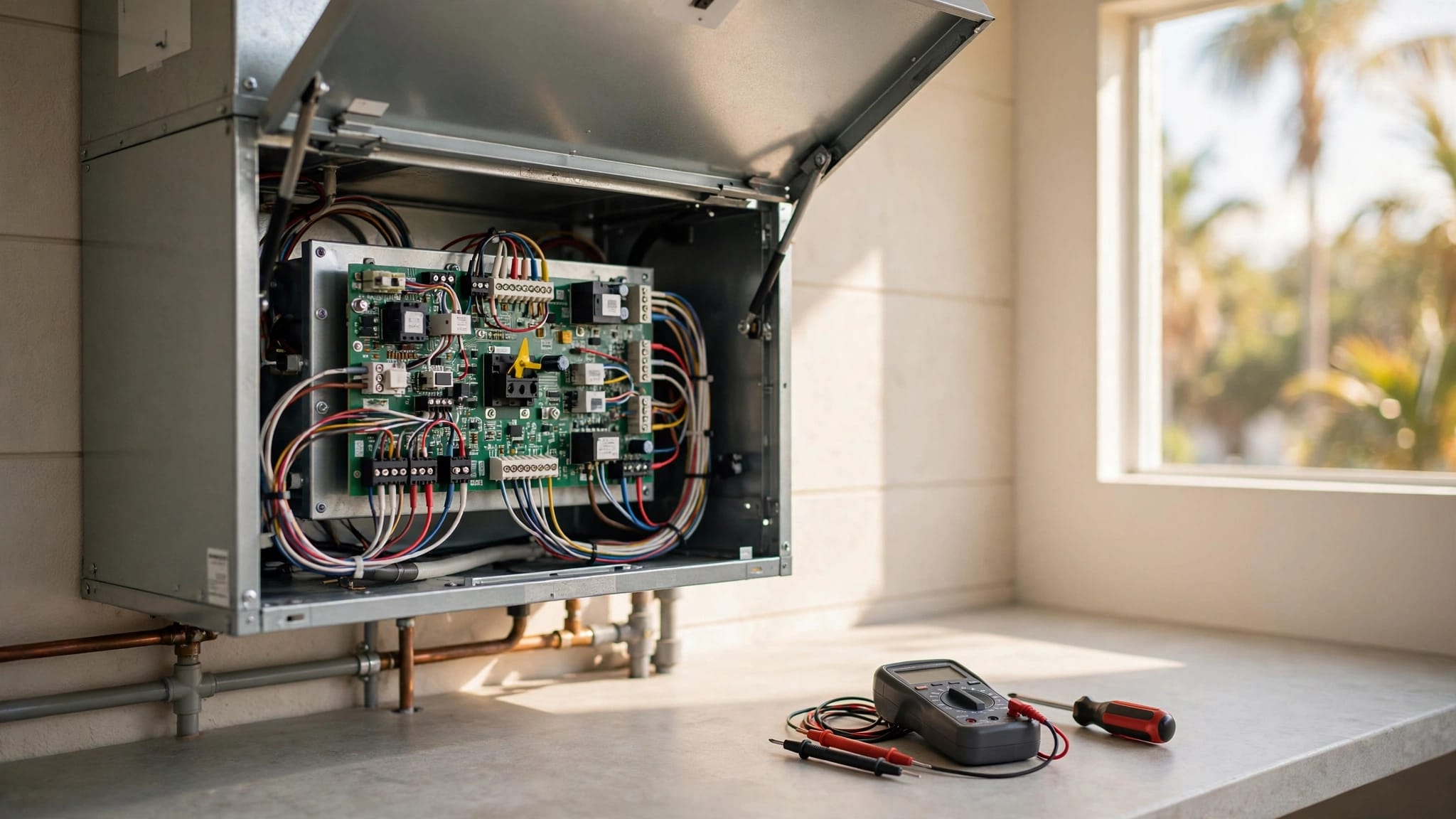
Capacitors, contactors, relays, and other control parts help the system start and run. When one fails, the AC may turn on partly or not at all. Sometimes the indoor blower runs, but the compressor outside never starts.

That can leave you with warm air from the vents and no obvious warning. Electrical problems are one of the reasons a system needs a proper inspection instead of guesswork.

Duct leaks and attic heat

If cooled air leaks into the attic, the house will stay warmer than it should. Leaky ducts are common in older homes, and they waste energy fast.

Attic heat makes the problem worse. Even if the AC is cooling some air, long duct runs can warm it back up before it reaches the room. That is one reason a house can feel uneven from room to room.

Simple troubleshooting you can try safely

Before you call for help, there are a few checks you can do without opening the system.

  • Check the thermostat : Make sure it's set to cool and the temperature is below the room temp.
  • Replace the filter : If it looks dirty or gray, swap it out.
  • Clear vents and returns : Move furniture, boxes, or rugs away from airflow openings.
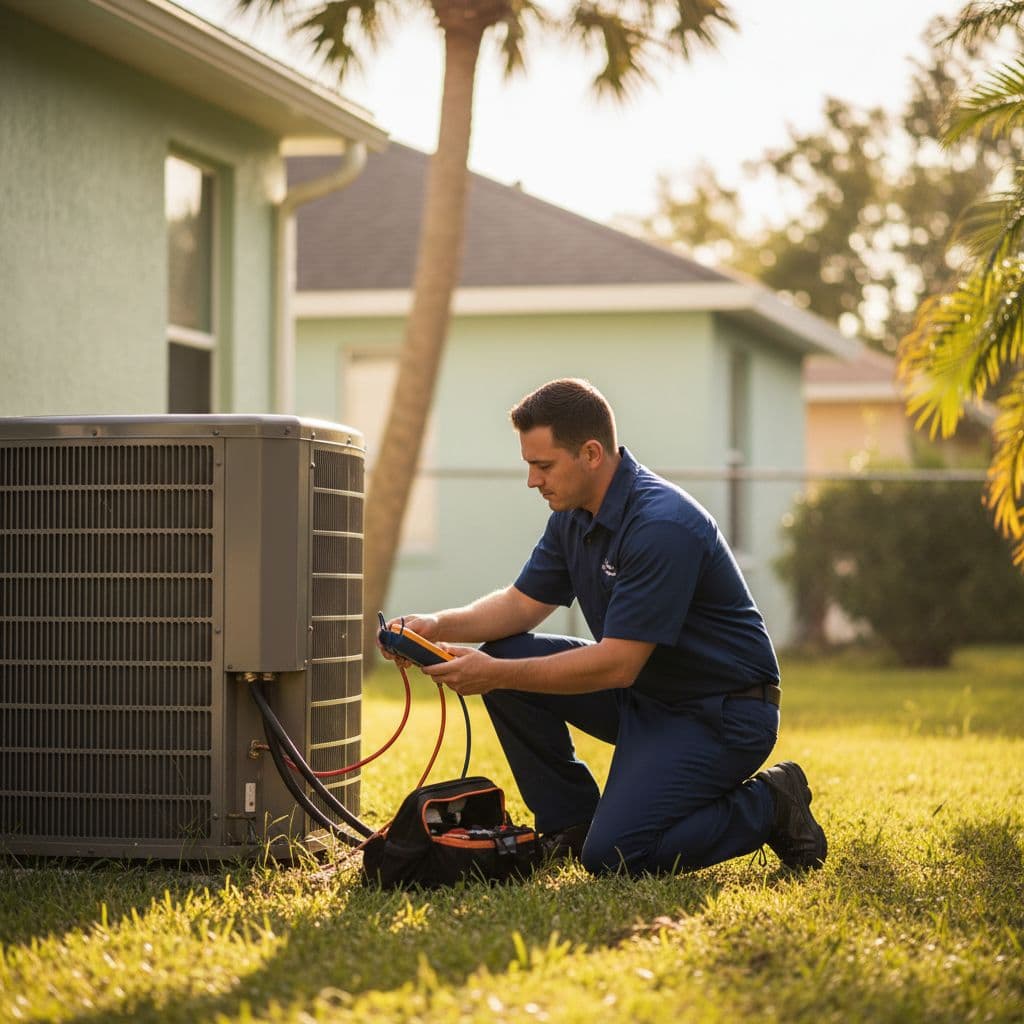
  • Look at the outdoor unit : Remove leaves, grass clippings, and anything crowding the sides.
  • Reset the breaker once : If the system seems dead, a single reset may help after a minor power trip.

If the AC starts cooling again after a filter change or thermostat fix, keep an eye on it for the rest of the day. If the same problem returns, there is likely a deeper issue.

A strong first step is a professional checkup, especially if the unit has been struggling for a while. preventative HVAC system maintenance can catch weak parts before they turn into a hot-house emergency.

When to shut it off and call an HVAC pro

Some signs mean you should stop troubleshooting and call for help. Running the system in the wrong condition can turn a small repair into a bigger one.

Call a tech if you notice any of these:

  • The air stays warm after you replace the filter and confirm the thermostat settings.
  • Ice forms on the indoor unit, refrigerant line, or outside coil.
  • The breaker keeps tripping.
  • You hear buzzing, grinding, or clicking from the outdoor unit.
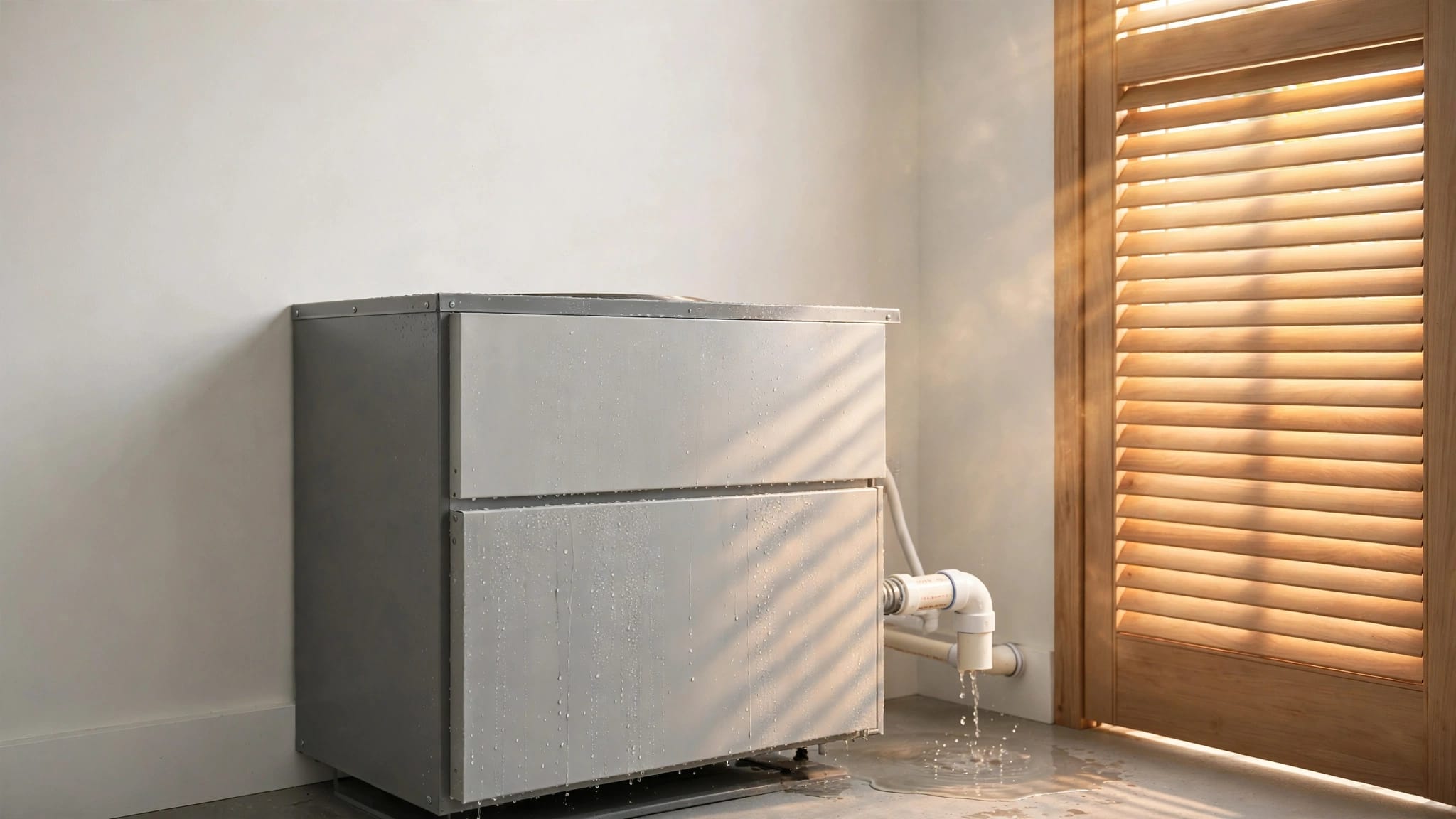
  • Water pools around the air handler.
  • The system short cycles, which means it turns on and off too fast.

Those symptoms point to problems that need testing, not guesswork. A reliable HVAC repair and inspection can find the cause and help you avoid repeat breakdowns.

If you want a technician to look at it soon, you can Schedule an Estimate. That's the right move when the house keeps heating up and the same simple fixes don't hold.

How to keep warm-air problems from coming back

Regular care makes a big difference in Southwest Florida. The more your AC runs, the more often it needs attention.

Start with the filter. Check it monthly during heavy-use periods, and replace it when it looks dirty. A clean filter helps airflow and protects the coil.

Keep the outdoor unit clear, too. Trim back plants, move debris away, and give the unit room to release heat. After windy weather or storms, take a quick look for leaves, sticks, or blown-in trash.

Seasonal service also matters. A good tune-up can spot weak electrical parts, low refrigerant, dirty coils, and worn components before they fail. For many homeowners, preventative HVAC system maintenance is the easiest way to avoid surprise warm-air problems in the middle of a heat wave.

Salt air deserves attention as well. It can speed up wear on outdoor parts, so keeping the system clean and serviced helps it hold up better over time.

Conclusion

When your AC blows warm air in Fort Myers, the cause is often tied to strain, not mystery. Heat, humidity, salt air, and nonstop use all put pressure on the system.

A thermostat check, a clean filter, and a quick look at the outdoor unit can solve some problems. If the air still feels warm, or if you see ice, breaker issues, or odd noises, shut the system off and call for help.

The fastest way to stay ahead of trouble is simple care before peak heat hits. A well-kept system cools better, lasts longer, and gives you fewer surprises on the hottest days.

Recent Posts

By Valor HVAC May 14, 2026
A dirty air filter can make a healthy AC act tired fast, especially in Fort Myers. When your system runs for long stretches in heat and humidity, even a thin layer of buildup can cut airflow and slow everything down. That matters more here than in a mild climate. Southwest Flo...
By Valor HVAC May 13, 2026
When your AC runs for months without much of a break, small issues can build up fast. In Fort Myers, that matters even more because long cooling seasons, high humidity, and salt air all put extra stress on your system. A AC tune-up in Fort Myers is less about a quick look and...
By Valor HVAC May 12, 2026
Ice on your AC in Southwest Florida is a warning sign, and it usually shows up when you need cooling the most. When the indoor coil freezes, the system is dealing with airflow trouble, a dirty part, or a refrigerant issue. The ice is the symptom, not the root problem. Heat, hu...
By Valor HVAC May 11, 2026
When your AC quits in Fort Myers, the house can heat up fast. Add Gulf Coast humidity, and even a short delay feels longer than it should. The good news is that you have a few safe steps to take while you wait for emergency AC repair in Fort Myers . Small actions can protect y...
By Valor HVAC May 10, 2026
If your AC is running but the air still feels sticky, something is off. The system may be cooling the room while missing part of the job, which is pulling moisture out of the air. That problem shows up fast in Southwest Florida. A house can stay at a decent temperature and sti...
By Valor HVAC May 9, 2026
When your AC starts acting up in Fort Myers, the hard part is not spotting the problem. It's deciding whether a repair makes sense or whether the unit is already on borrowed time. That choice gets tougher here than in many places. Long cooling seasons, high humidity, and coast...
By Valor HVAC May 8, 2026
A struggling air conditioner usually gives you warnings before it quits. The trouble is that the earliest AC repair signs often look small, so they get ignored until the house feels sticky and warm. In Southwest Florida, that delay can be costly. Heat and humidity put extra st...
By Valor HVAC May 7, 2026
In Southwest Florida, your AC doesn't get much of a break. For most homes, the right pace is professional maintenance twice per year . That baseline changes when your system works harder than average. Older equipment, coastal homes, rentals, pet-heavy households, and homes wit...