Why Your AC Fan Keeps Running After a Cooling Cycle
If your AC fan stays on after the house reaches the set temperature, that isn't always a problem. A short post-cycle run can help clear extra cool air from the coil and smooth out the room temperature.
But if the AC fan keeps running for a long time, or never seems to stop, something may be off in the thermostat, wiring, or control board. In Southwest Florida, that can mean more humidity, more noise, and a higher power bill. Start with the simple checks first.
When a Fan That Stays On Is Actually Normal
The indoor blower fan often runs a little longer than the cooling cycle. That delay helps pull the last bit of cooled air through the vents and off the evaporator coil.
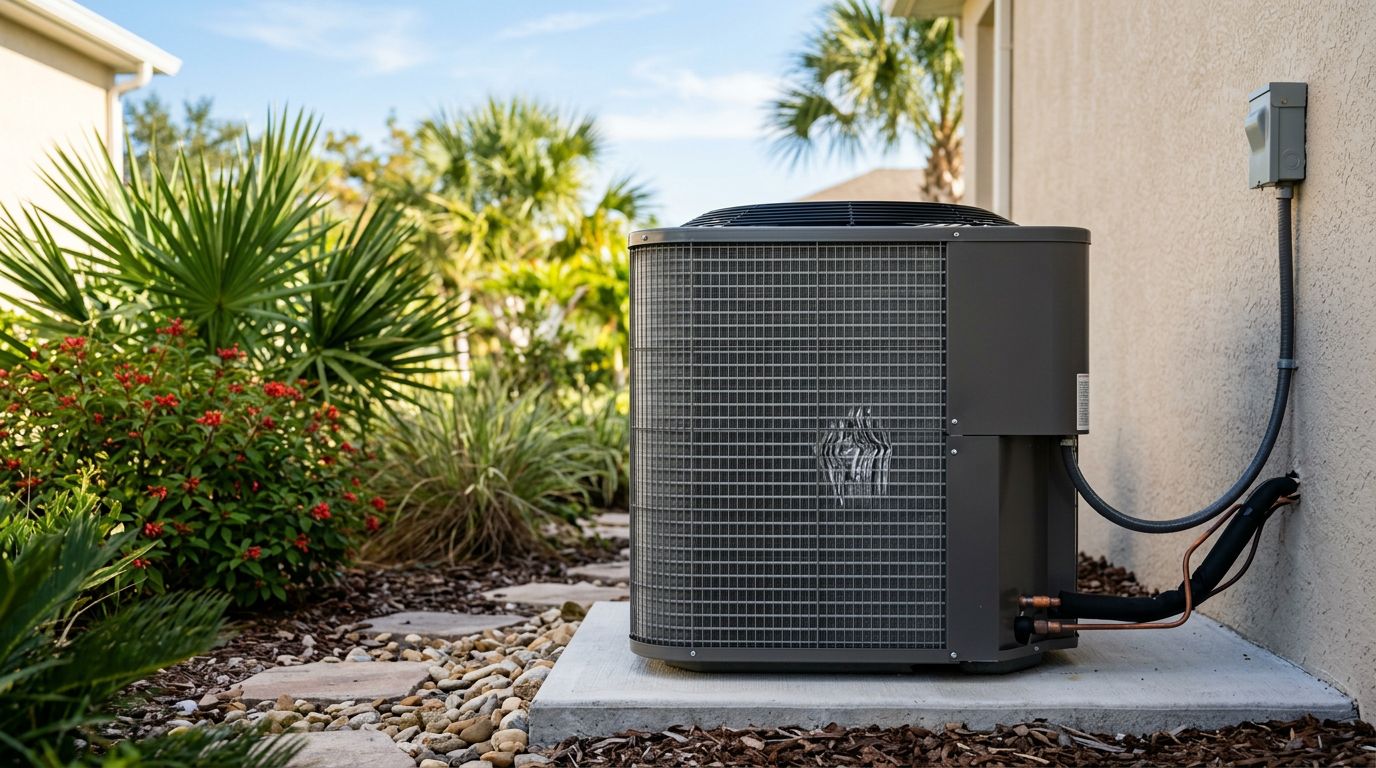
The outdoor condenser fan is different. It sits outside with the compressor, and it usually shuts down when the cooling call ends. If that outdoor fan keeps running, the system is less likely to be doing a normal delay and more likely to have a control issue.
| Fan component | Where it is | What it usually does after cooling ends |
|---|---|---|
| Indoor blower fan | Inside the air handler or furnace cabinet | May run briefly to help finish the cycle |
| Outdoor condenser fan | Inside the outside unit | Usually stops with the compressor |
| Thermostat fan setting | Wall-mounted control | Can keep the indoor fan running if set to "On" |
A short run after cooling is common. A fan that stays on for a long stretch is the part worth checking.
Common Reasons the Indoor Fan Won't Shut Off
The thermostat is the first place to look, because it controls the blower more often than people realize. If the fan setting is on On instead of Auto , the indoor fan will run all the time, even when the compressor stops.
Recent changes matter too. A power outage, battery swap, smart thermostat update, or new schedule can change fan behavior without warning. In other words, the system may be doing exactly what it was told to do.
A few other common causes show up a lot in homes across Lee County:
- Fan set to circulate or on : Some thermostats have a circulate mode that runs the blower on a cycle.
- Humidity control setting : A few systems run the fan longer to help with moisture control, although that can backfire if it runs too much.
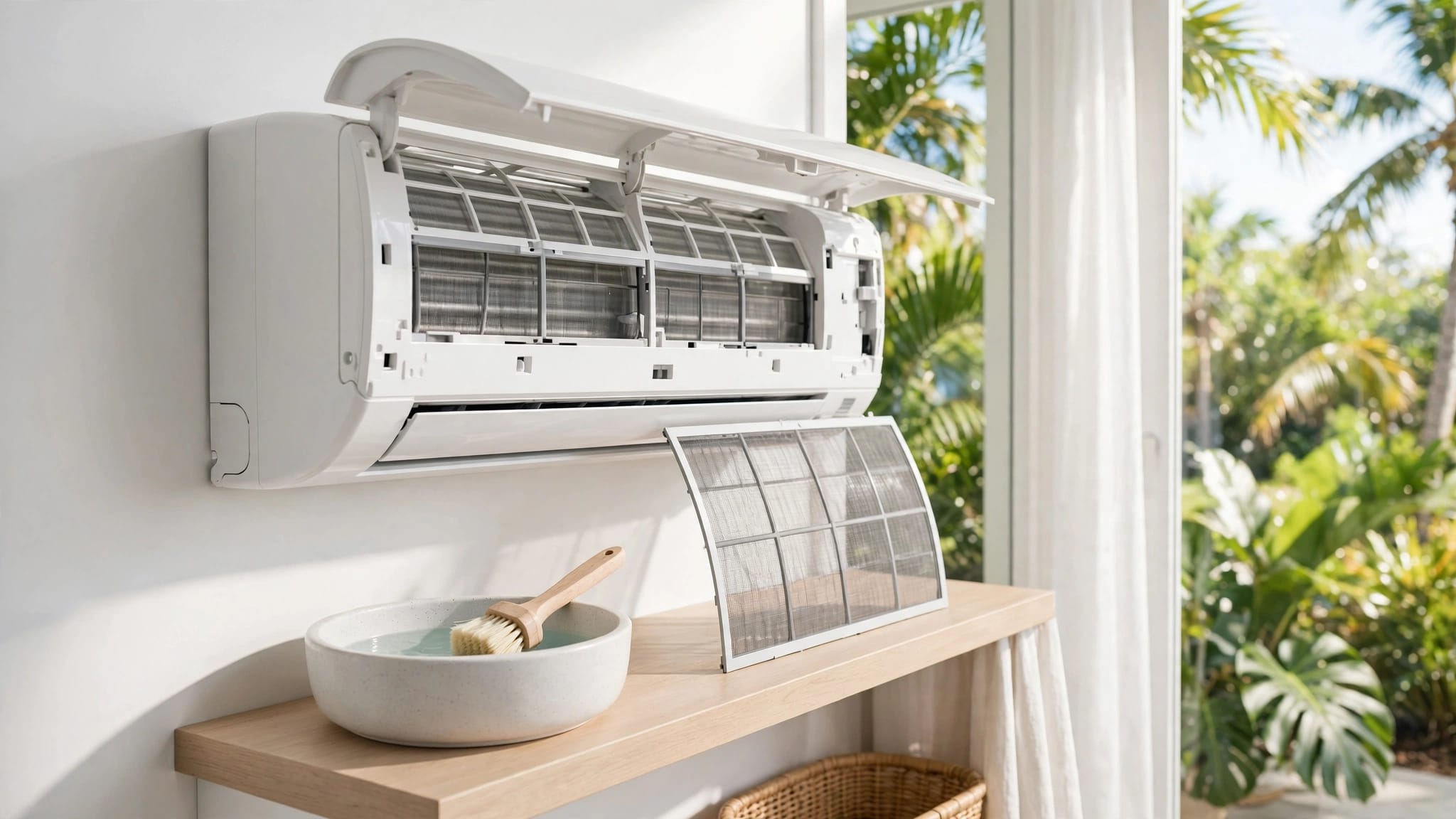
- Dirty air filter or weak airflow : Restricted airflow can stretch cooling time and make the system seem stuck. If this keeps happening, routine HVAC maintenance can help catch the issue early.
- Stuck relay or control board problem : The fan relay can stick closed, which keeps power going to the blower after the cooling call ends.
- Thermostat wiring issue : Loose or crossed low-voltage wiring can keep signaling the fan to run.
A clogged filter or dirty coil can also keep the system working longer than it should. When the AC struggles to move air, the cycle feels endless, and the fan can seem like the problem when airflow is the real issue.
If you hear the fan running but the air feels warm, the compressor may have stopped while the blower keeps moving air. That often points to a control or thermostat setting, not a major cooling failure.
Safe Checks You Can Do Before Calling for Help
Start with the thermostat. Set the fan to Auto , not On or Circulate , then give the system a few minutes. If the fan stops, you found the cause.
Next, look at the current mode. A thermostat left in fan-only mode can fool you into thinking the AC is still working. That can happen after cleaning, a battery change, or someone else adjusting the settings.
Then check the filter. A dirty filter can make the system work harder, run longer, and lose cooling performance. If the filter looks packed with dust, replace it before you do anything else.
A quick reset can also help. Turn the thermostat off, wait a minute, then switch it back to cool and set the temperature a few degrees below room temp. If the fan was stuck because of a temporary control glitch, the reset may clear it.
Use this short checklist:
- Set the fan to Auto.
- Confirm the thermostat is in Cool mode.
- Replace a dirty filter.
- Review any recent setting changes.
- Check whether the outdoor unit is still running.
That last step matters. If the outdoor condenser is off but the indoor blower keeps going, the issue is usually inside the air handler or at the thermostat. If both units keep running, the system may still be calling for cooling, or a contactor could be stuck.
If you want a deeper check after the simple fixes, professional HVAC repair and inspection is the next step.
When the Problem Points to a Bigger AC Issue
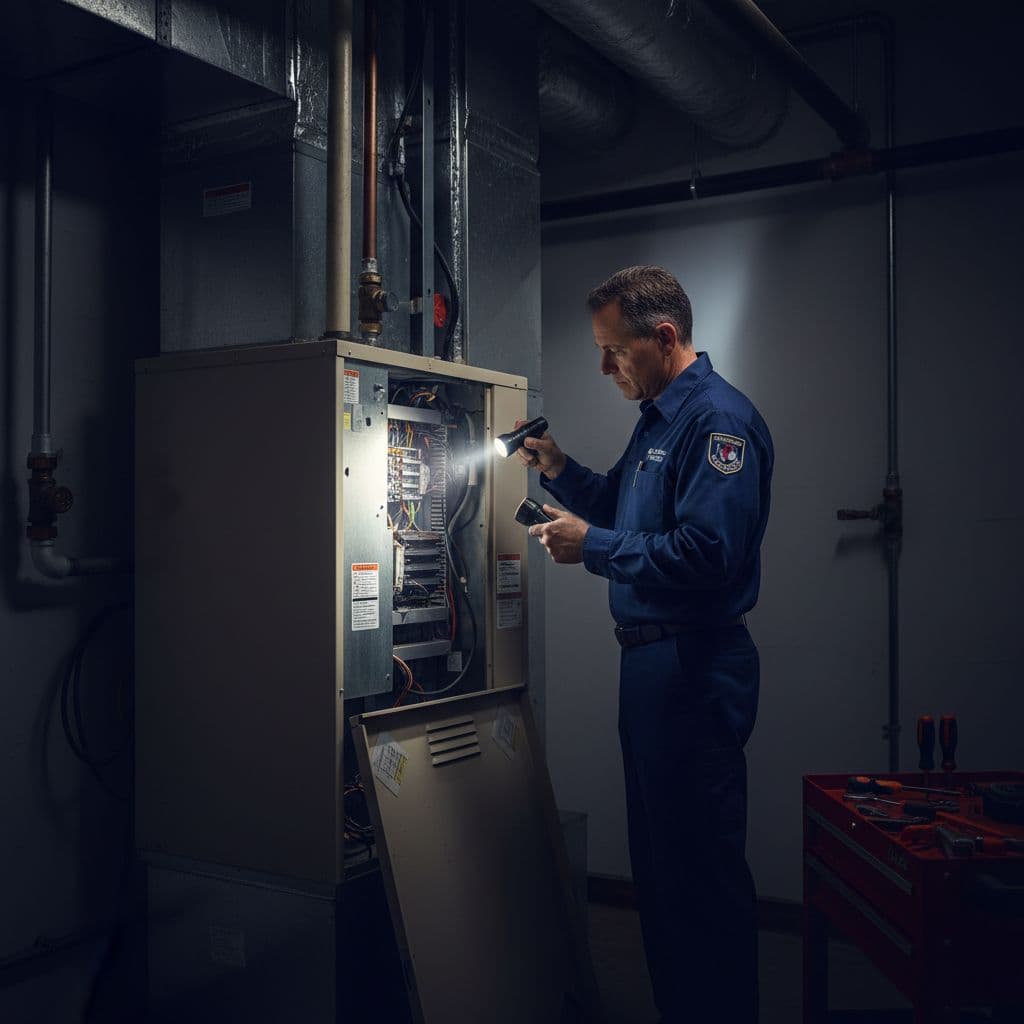
A fan that ignores thermostat settings can point to a stuck relay, a bad control board, or damaged low-voltage wiring. Those parts are small, but they control the whole sequence. When one fails, the blower can keep running long after the cooling cycle should end.
You should pay closer attention if you notice any of these signs:
- The fan runs even when the thermostat is off.
- The system clicks on and off in odd patterns.
- The air feels humid even when the house is cool.
- The breaker trips more than once.
- You smell hot plastic or electrical heat.
Those signs can mean the system needs repair, not a setting change. They can also raise your energy use, since a fan that runs too long pulls power without helping comfort.
In Southwest Florida, extra fan runtime can also work against humidity control. The blower can re-evaporate moisture on the coil if it runs at the wrong time. That leaves rooms feeling cool but sticky.
If the fan problem keeps coming back after you check the thermostat and filter, it's time to get help. You can Schedule an Estimate with a HVAC technician from Valor Heating & Cooling and get the system looked at before the issue gets worse.
Conclusion
A short fan run after cooling can be normal. The indoor blower may stay on briefly to finish the cycle, while the outdoor condenser fan should usually stop with the compressor.
If the fan keeps running for too long, start with the thermostat setting, recent changes, and the air filter. Those simple checks solve a lot of calls. When the fan ignores settings, affects comfort, or drives up the electric bill, the problem usually points to a relay, control board, wiring issue, or thermostat fault.
If the system still won't behave after those checks, professional AC repair is the right move.
Recent Posts