Why Your Fort Myers Electric Bill Jumps in Summer

Valor HVAC • May 27, 2026

Share this article

A Fort Myers electric bill can climb fast once summer heat settles in. Your AC runs longer, works harder, and fights sticky indoor air all day.

That jump can feel sudden because the weather changes before your habits do. The good news is that most of the cost drivers are easy to spot, and a few smart changes can help.

Start with the biggest reason your cooling bill rises, the weather outside.

Fort Myers heat makes your AC run longer

Summer in Southwest Florida is not a mild warm-up. It stays hot well into the evening, so your system has less time to recover between cooling cycles.

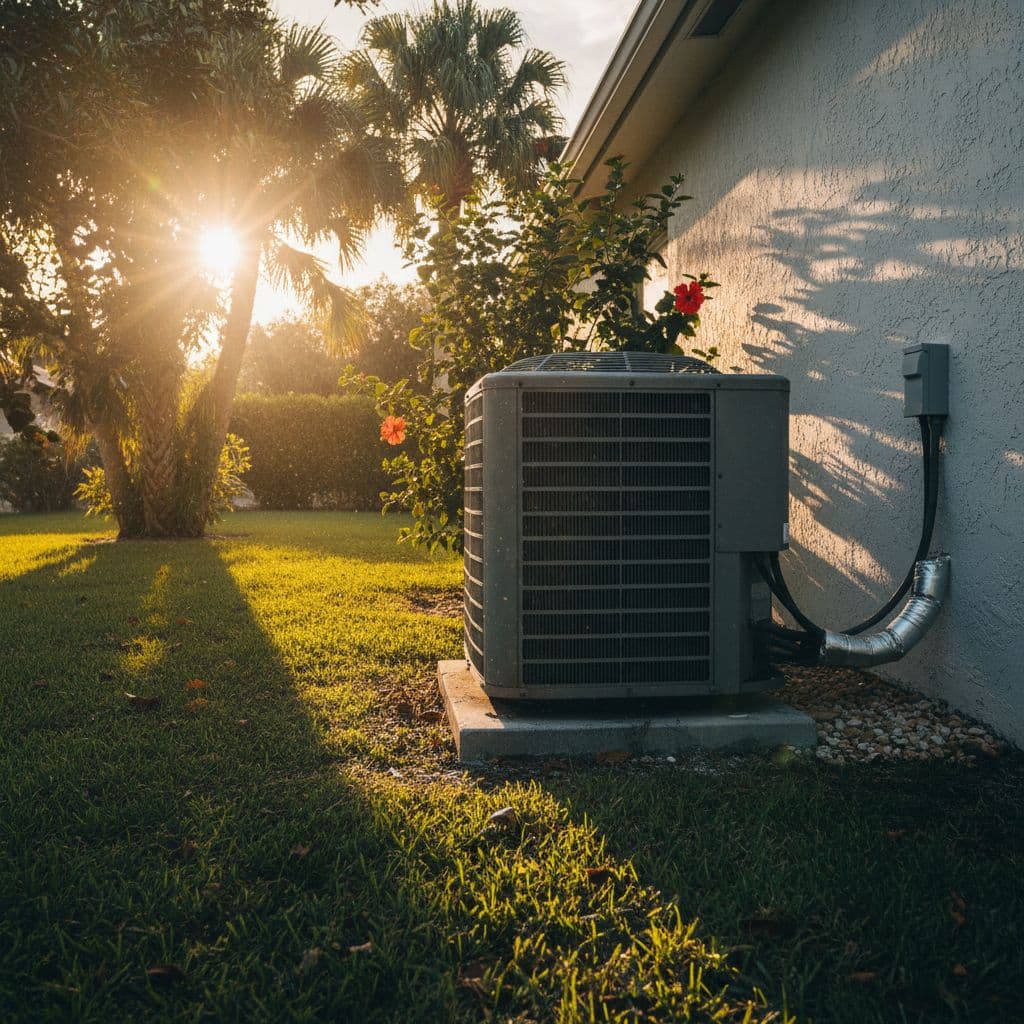
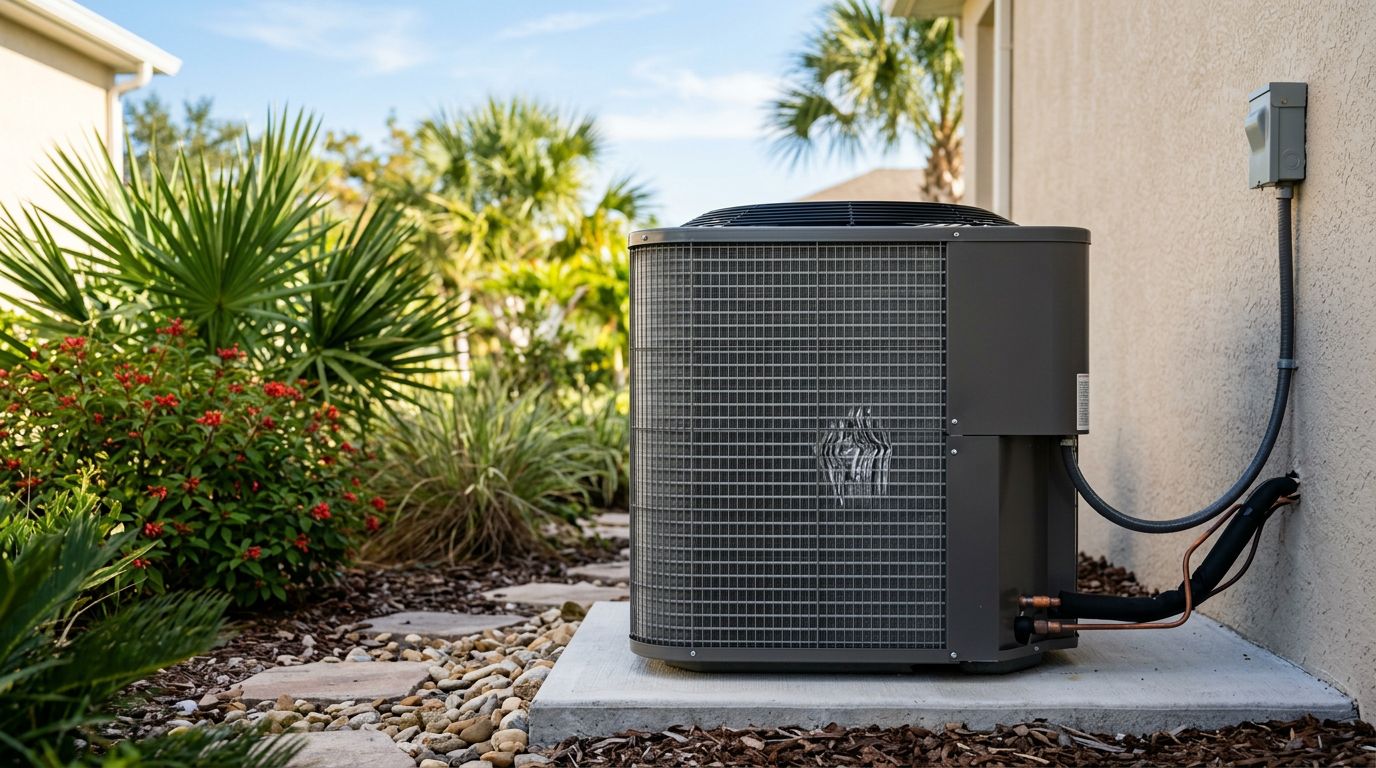
That matters because your AC does not cool a home once and rest. It keeps pulling heat out again and again while the outdoor unit dumps that heat outside.

In Fort Myers, the house itself also keeps feeding the problem. Sun on the roof, hot attic spaces, and west-facing windows all push more heat indoors. As a result, the system has to work through a bigger load before the indoor temperature drops.

If your home feels fine early in the morning but warms up by midafternoon, that is a clue. The AC is fighting the day all day.

Even a small thermostat change can affect runtime. A two-degree difference may not sound like much, but it can mean a longer run cycle during the hottest part of the day.

Homes in Cape Coral, Lehigh Acres, Estero, and Bonita Springs deal with the same pattern. The stronger the sun, the longer the cooling system stays on.

Humidity adds work your thermostat cannot see

Heat is only half the story. Fort Myers summers bring heavy humidity, and that moisture makes your home feel warmer than the thermostat says.

Your AC removes moisture as it cools. That takes time and energy. When humidity stays high, the system keeps running longer so the air feels comfortable, not just cool.

A room can read 74 degrees and still feel sticky. That usually means the system is losing the fight against moisture, or it is not moving enough air through the home.

A cool house that still feels sticky often means the AC is fighting moisture, not just heat.

Short cycling can make this worse. If the unit turns on and off too fast, it may cool the air before it has time to dry it. The result is a home that feels clammy, so you lower the thermostat again, and the bill rises again.

Airflow matters here too. Closed vents, dirty coils, or a fan setting that runs nonstop can all work against the system. A clogged path makes the AC stay on longer, and longer runtime means more power use.

That is why summer bills can jump even when the thermostat number does not change much. The system is doing more hidden work than most homeowners see.

Simple ways to lower cooling costs

Small changes add up when the AC runs most of the day. Some fixes are easy. Others take a little planning, but they can pay off quickly during a long Florida summer.

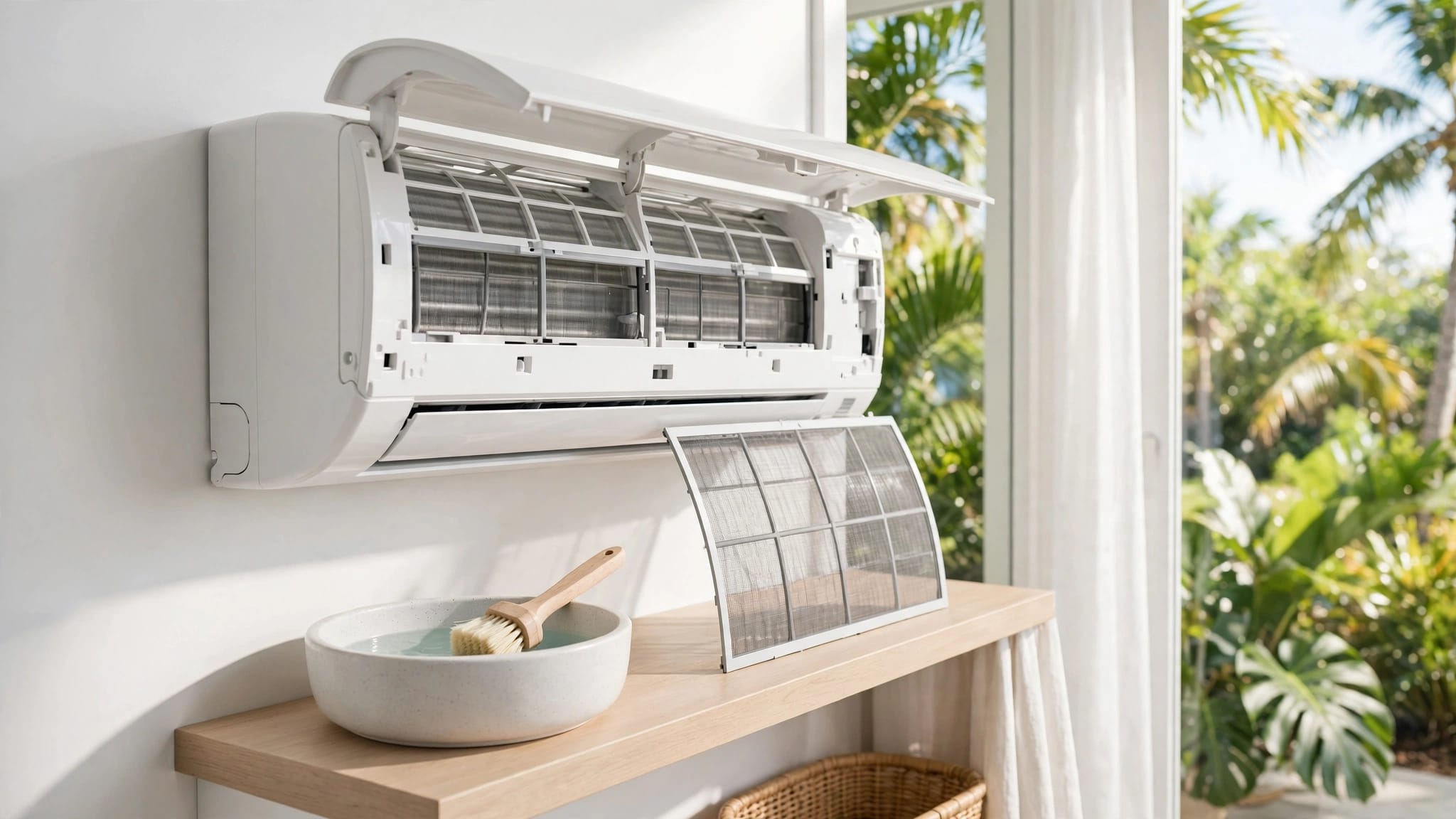
Regular care from comprehensive HVAC maintenance and repair services can keep the system cleaner, tighter, and more efficient. The details matter, especially when the heat hangs around for months.

Here are the fixes that make the biggest difference:

  • Raise the thermostat a little when you are away. Even two degrees can reduce runtime without making the home feel uncomfortable when you return.
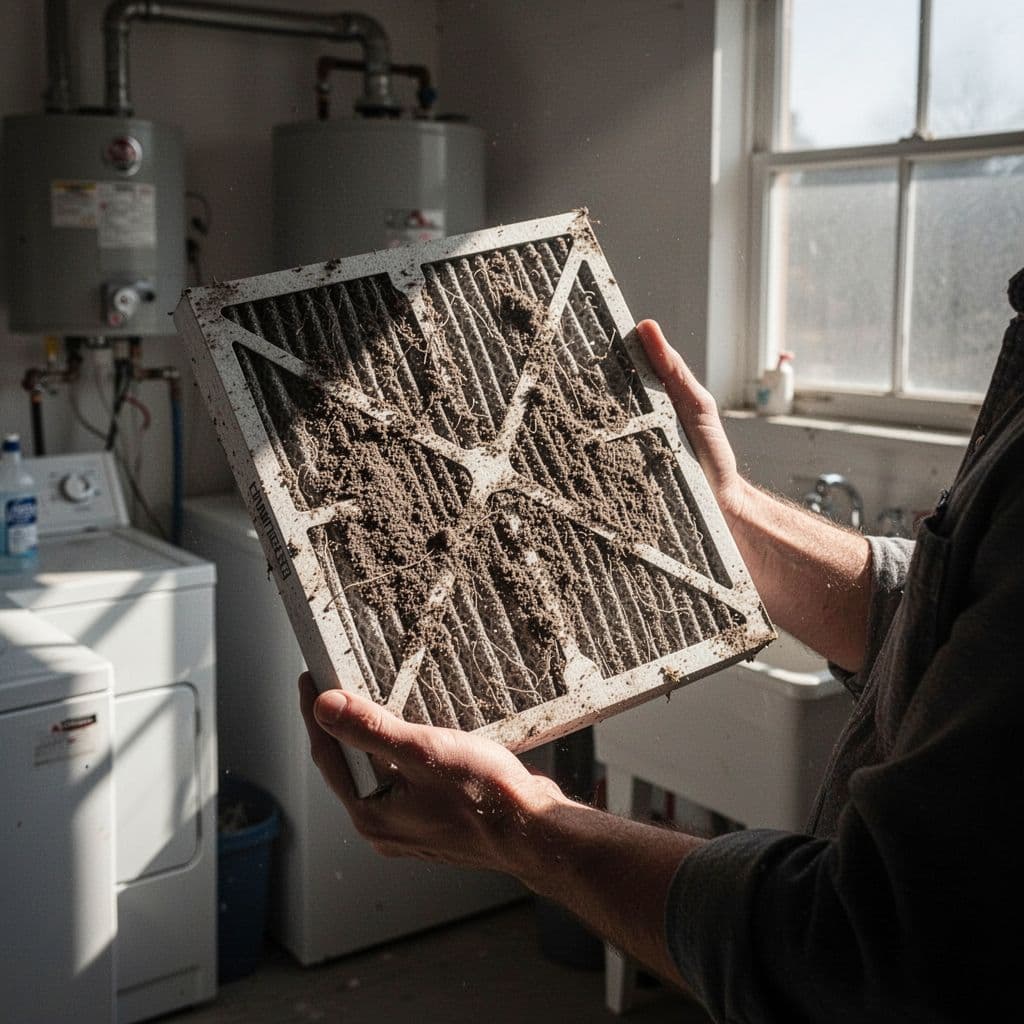
  • Replace the air filter on schedule. A dirty filter slows airflow, strains the blower, and makes the whole system work harder.
  • Seal duct leaks, especially in the attic. If cooled air escapes before it reaches the rooms, you pay to cool space you never use.
  • Improve insulation where heat enters fastest. Attics, older wall areas, and attic hatches often let summer heat pour in.
  • Reduce solar heat on windows. Blinds, shades, and exterior screens can block a lot of afternoon heat before it reaches the glass.
  • Schedule routine HVAC maintenance. A clean coil, clear drain line, and checked electrical parts help the unit run with less waste.

These steps do not make August feel like January. They do stop the system from wasting energy while it tries to keep up.

The filter is one of the easiest places to start. If it looks gray, packed with dust, or bent out of shape, replace it. That single fix can improve airflow enough to lower stress on the whole system.

When a higher bill points to an HVAC problem

Some summer bills rise because the weather is brutal. Others rise because the system is struggling.

If your AC runs longer than usual but the house still feels warm, something may be off. Weak airflow, uneven room temperatures, and odd sounds are common clues. So are short cycles, ice on the line, and a unit that starts but never seems to catch up.

Dirty coils can trap heat. Low refrigerant can make cooling sluggish. Leaky ducts can send cold air into the attic instead of the rooms. A worn blower motor or failing capacitor can also force the system to draw more power for less cooling.

Those issues often show up as comfort problems first and bill problems second. That is why it helps to act before the system quits on the hottest afternoon of the year.

A professional HVAC system inspection and troubleshooting can find the source before the problem grows. The sooner the issue is found, the more likely it is that the fix stays simple.

If the bill jumped and nothing in your routine changed, pay attention. The AC may be telling you it needs help.

Everyday habits that ease the load on your home

Your daily habits matter more in summer than they do in mild weather. Fort Myers homes pick up heat fast, so even small changes can lower the work your AC has to do.

Close blinds on sunny windows during the afternoon, especially on the west side of the house. That helps block solar heat before it turns the room into a hot box.

Use ceiling fans to help rooms feel cooler, but turn them off when you leave. Fans cool people, not rooms, so running them in empty spaces only adds to the electric use.

Keep exterior doors closed, and check that they seal well. Gaps around doors and windows let hot, damp air creep in all day.

Also, limit extra heat inside the home. Run the oven less during peak afternoon hours, and use bath and kitchen fans only when needed. They help with moisture, but they also pull conditioned air out of the house.

If your home still feels hard to cool after those changes, the system may need a closer look. That is where the rest of Valor's full range of HVAC services becomes useful, from maintenance to repairs and replacement when a system is past its best years.

Comfort gets easier when the house is helping the AC instead of fighting it.

A higher summer bill is not always normal

A Fort Myers electric bill that jumps in summer often has a clear cause. Heat, humidity, attic load, and longer AC runtime all push the number up.

Still, a sharp spike can point to a system that needs attention. Dirty filters, duct leaks, weak airflow, or worn parts can all hide behind the same symptom, a bill that keeps climbing.

If your bill rises and the home feels harder to cool, have the system checked before the next hot stretch. Schedule an Estimate and get the HVAC system inspected if the spike does not make sense.

Recent Posts

By Valor HVAC May 31, 2026
Why does 76 feel fine some days and muggy on others? In Fort Myers, the answer usually has more to do with humidity, sun, and airflow than with the number on the thermostat. The right thermostat settings Fort Myers homes need in summer are usually a range, not a single magic n...
By Valor HVAC May 30, 2026
Storms can knock an AC offline without destroying it. A lightning strike, power outage, or flooded yard can leave the system silent even when the rest of the house seems fine. The tricky part is that the problem may be simple, like a thermostat setting, or serious, like surge...
By Valor HVAC May 29, 2026
If your AC fan stays on after the house reaches the set temperature, that isn't always a problem. A short post-cycle run can help clear extra cool air from the coil and smooth out the room temperature. But if the AC fan keeps running for a long time, or never seems to stop, so...
By Valor HVAC May 28, 2026
Fort Myers storms can turn a healthy AC system into a repair bill fast. Wind, flying debris, salt spray, and floodwater all hit the outdoor condenser first. A few simple steps before hurricane season can lower the risk. The goal is to keep the unit clear, keep the power safe,...
By Valor HVAC May 26, 2026
Low airflow can make a Fort Myers home feel sticky even when the AC is running nonstop. The thermostat may say the house is cooling, but weak air from the vents tells a different story. In Southwest Florida, that problem shows up fast. Heat, humidity, dust, and seasonal debris...
By Valor HVAC May 25, 2026
A blank thermostat can turn a normal day into a frustrating one fast. One minute the house feels fine, then the screen goes dark or the buttons stop working. Most of the time, the cause is simple. Sometimes the problem starts at the thermostat, and sometimes it comes from the...
By Valor HVAC May 24, 2026
A musty AC smell can show up fast in Fort Myers homes, especially after a rainy stretch. In a humid climate, your system moves a lot of moisture, and that moisture can leave behind a stale odor if something is off. Sometimes the smell fades after the system runs for a bit. Oth...
By Valor HVAC May 23, 2026
Most air conditioners in Southwest Florida last about 10 to 15 years . With solid maintenance and a good installation, some systems make it to 15 to 20 years, but coastal air, heavy use, and skipped service can shorten that window fast. If your unit is already near the 10-year...
By Valor HVAC May 22, 2026
A rattling AC noise can start as a small annoyance, then turn into a bigger repair if you ignore it. Buzzing is just as important, because it often points to a loose part or an electrical issue. In Southwest Florida, air conditioners work hard for months at a time. Heat, humid...
By Valor HVAC May 21, 2026
One bedroom stays sticky while the rest of the house feels fine. In Fort Myers, that usually has a clear cause, and it often shows up in the same few rooms. Strong sun, attic heat, humidity, and weak airflow can all turn a comfortable house into one with hot rooms in Fort Myer...
Show More