How Long Does an AC System Last in Southwest Florida?
Most air conditioners in Southwest Florida last about 10 to 15 years . With solid maintenance and a good installation, some systems make it to 15 to 20 years, but coastal air, heavy use, and skipped service can shorten that window fast.
If your unit is already near the 10-year mark, the real question is not just how old it is. It is how hard it has worked, how well it was installed, and how often it has been maintained. Those details shape the AC lifespan Southwest Florida homeowners can expect more than the calendar does.
What a typical AC lifespan looks like in Southwest Florida
In a cooler climate, an air conditioner may enjoy long breaks. That does not happen here. In Southwest Florida, the system works through long summers, sticky spring days, and plenty of warm nights.
Here is a simple way to think about typical lifespan ranges:
| Home and system condition | Common lifespan range |
|---|---|
| Inland home with steady maintenance | 12 to 18 years |
| Average Southwest Florida home | 10 to 15 years |
| Coastal home, heavy use, or weak maintenance | 8 to 12 years |
The table gives a general guide, not a hard rule. A well-cared-for system can last past 15 years, while a neglected one can fail much earlier.
Age also changes the way you should look at repairs. A 7-year-old unit with one fix may still have plenty of life left. A 14-year-old unit that needs another expensive repair deserves a harder look.
Why Southwest Florida wears AC systems down faster
Southwest Florida is rough on outdoor equipment. The heat alone is tough, but the bigger problem is how often the system runs. Many homes here depend on air conditioning almost every day of the year.
That constant run time puts stress on parts that would rest more often in other states. Motors, contactors, capacitors, and compressors all take more wear when the system rarely gets a break.
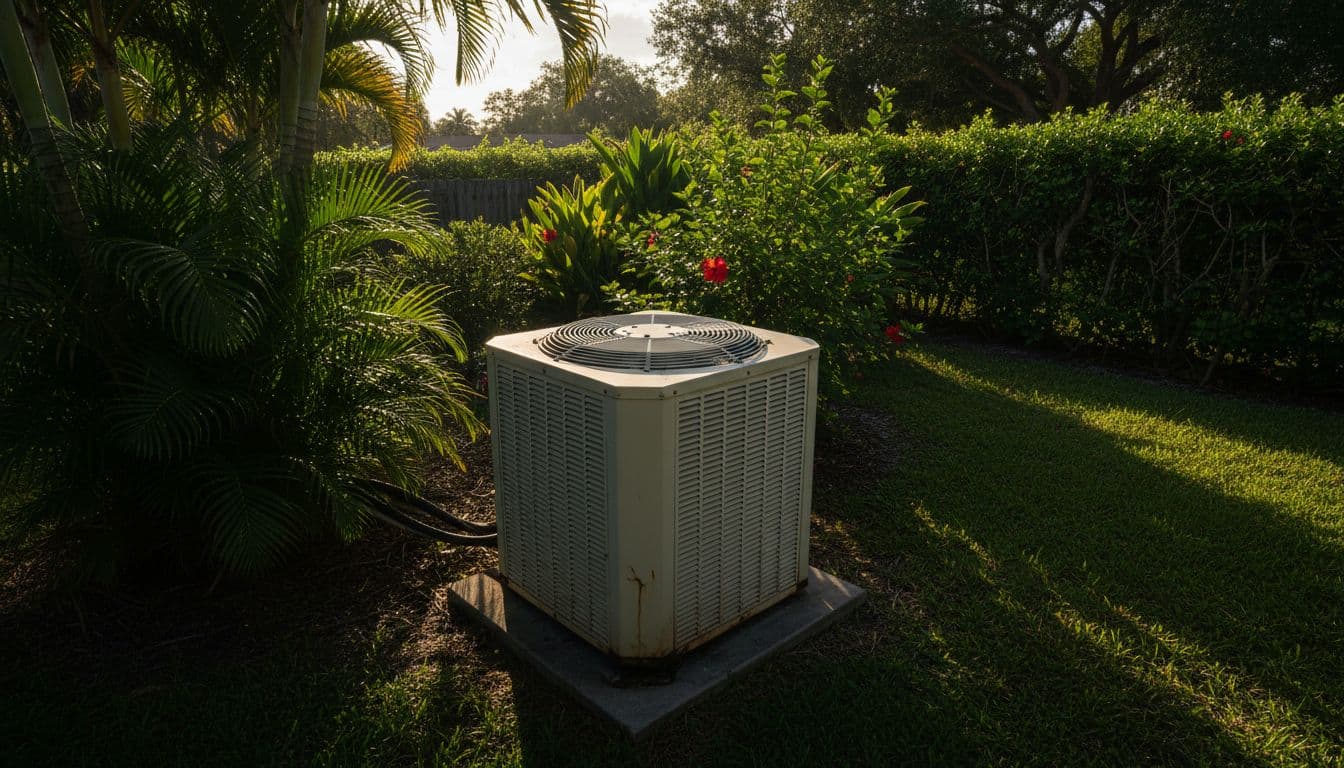
Humidity is another big factor. Your AC does more than cool the air. It also pulls moisture out of the house. That extra job adds strain, especially when the system is undersized or dirty.
Coastal homes face salt air too. Salt can corrode coils, screws, electrical parts, and the cabinet around the outdoor unit. Once corrosion starts, it often keeps spreading unless it gets caught early.
Storms and debris add more stress. Heavy rain, wind-blown dirt, palm fronds, and yard clippings can block airflow around the condenser. When the outdoor unit cannot breathe well, the whole system works harder.
In short, heat, humidity, salt, and year-round use make the local environment harder on equipment than many homeowners expect.
Maintenance that adds years to an AC system
Good maintenance will not stop an AC from aging, but it can slow the process down. It can also prevent small issues from turning into major repairs.
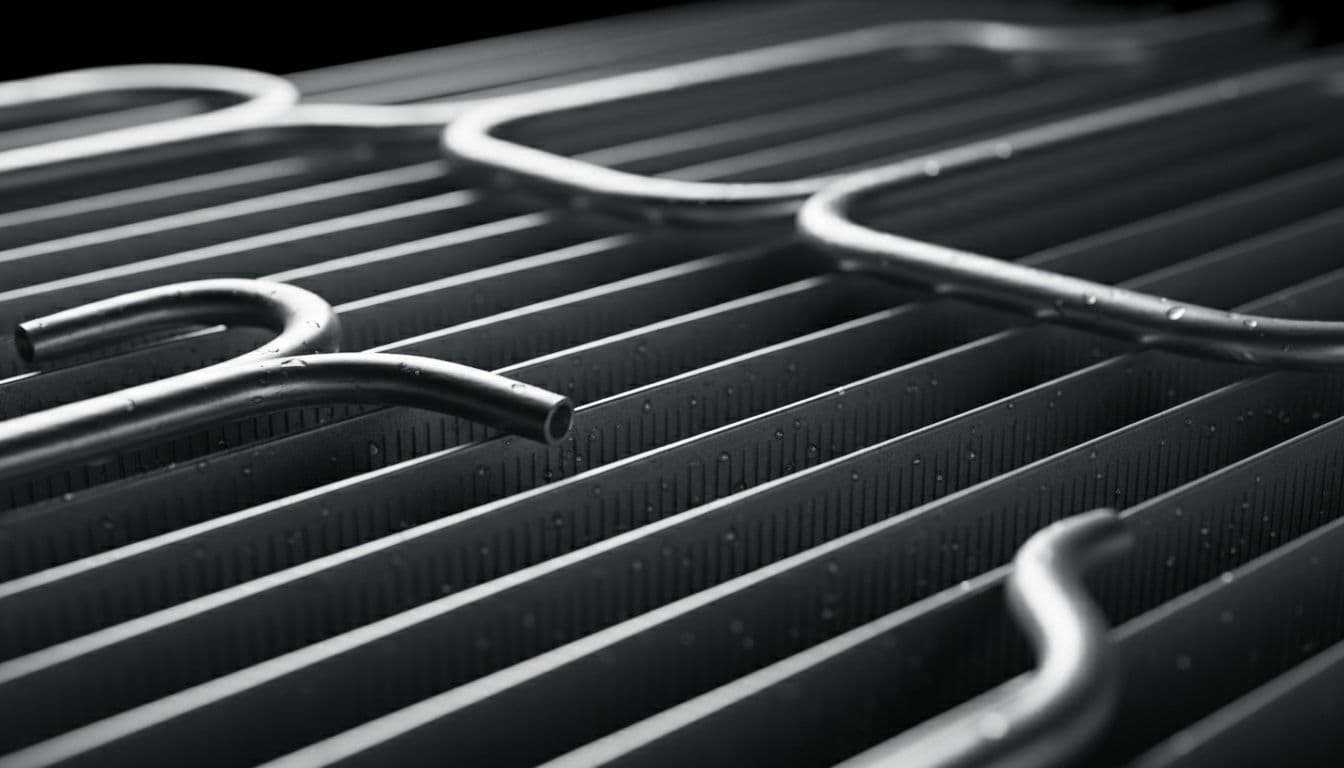
A clean coil helps the system release heat. When the coil is packed with dirt, the compressor has to work harder and the system runs longer. That extra run time raises wear and power use at the same time.
The simplest habits make the biggest difference:
- Change the air filter on time. A clogged filter cuts airflow and can freeze the coil. Many homes need a new filter every 30 to 60 days.
- Keep the outdoor unit clear. Leaves, weeds, mulch, and grass clippings should not crowd the condenser.
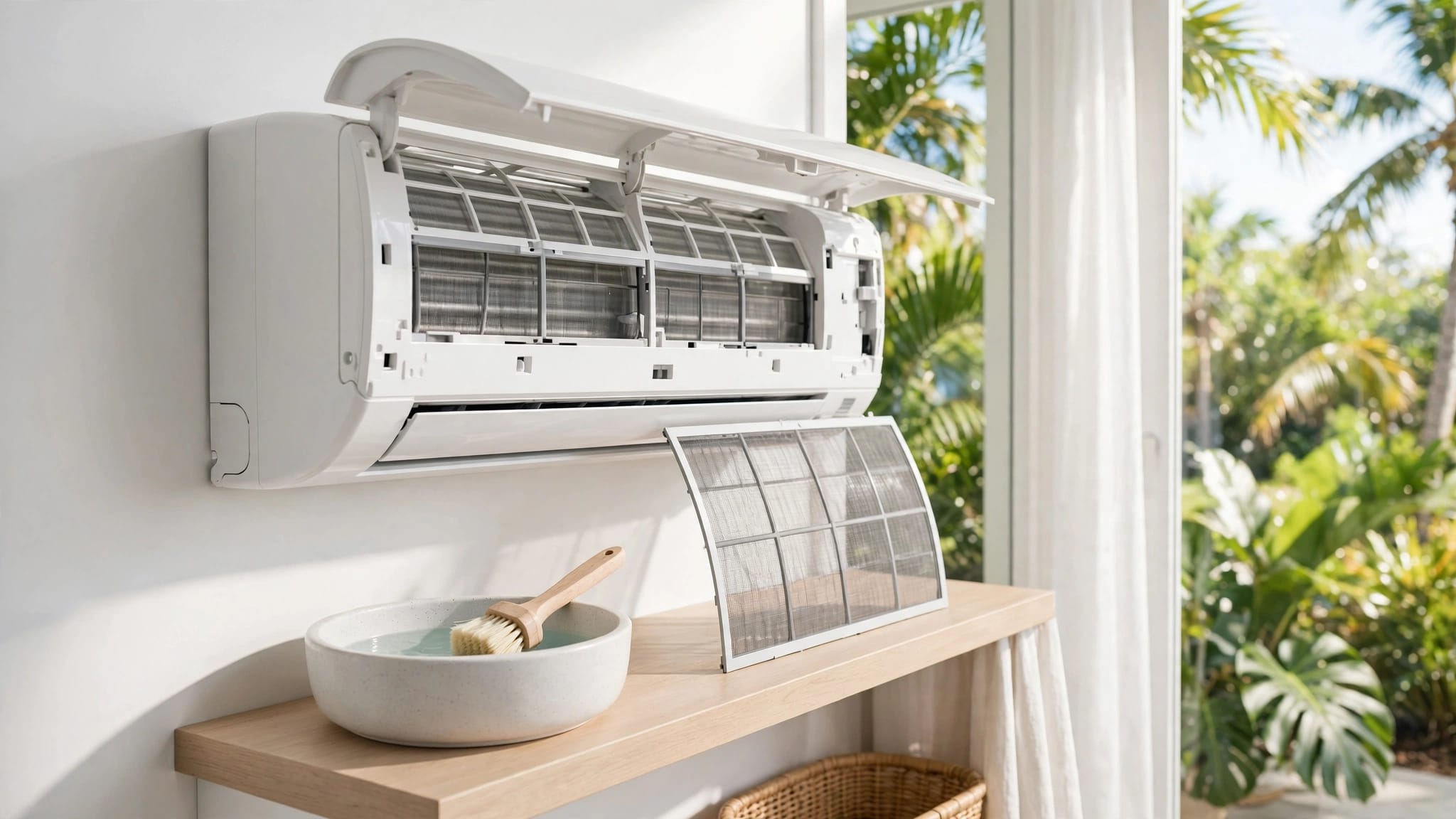
- Clean the coils. Dirty indoor or outdoor coils reduce cooling and add stress to the system.
- Check the drain line. A clogged condensate drain can cause leaks, shutdowns, and water damage.
- Schedule regular tune-ups. A yearly inspection can catch weak parts before they fail on a hot day.
Refrigerant problems deserve attention too. Low refrigerant is usually a sign of a leak, not a simple top-off issue. When the charge drops, cooling gets weaker, the system runs longer, and the compressor can suffer.
A small maintenance problem is cheaper than a major repair. In Southwest Florida, waiting often costs more than the fix itself.
If you want a clearer picture of your system's condition, a professional air conditioning system inspection can spot hidden wear before it turns into a breakdown.
Why installation quality matters so much
A great AC unit can still have a short life if the install is sloppy. The equipment is only part of the story. Airflow, sizing, duct design, drain setup, and refrigerant charge all affect how long the system lasts.
A system that is too large often cools the house too fast and shuts off before it removes enough humidity. That leaves the home clammy, and it causes more starts and stops. A system that is too small runs too long and wears itself out trying to keep up.
Poor ductwork can cause the same kind of trouble. Leaky ducts, bad returns, or blocked vents make the equipment work harder for the same result. Over time, that extra load shortens life.
Refrigerant charge matters too. If the system is undercharged or overcharged, parts can run outside the range they were built for. That affects both comfort and lifespan.
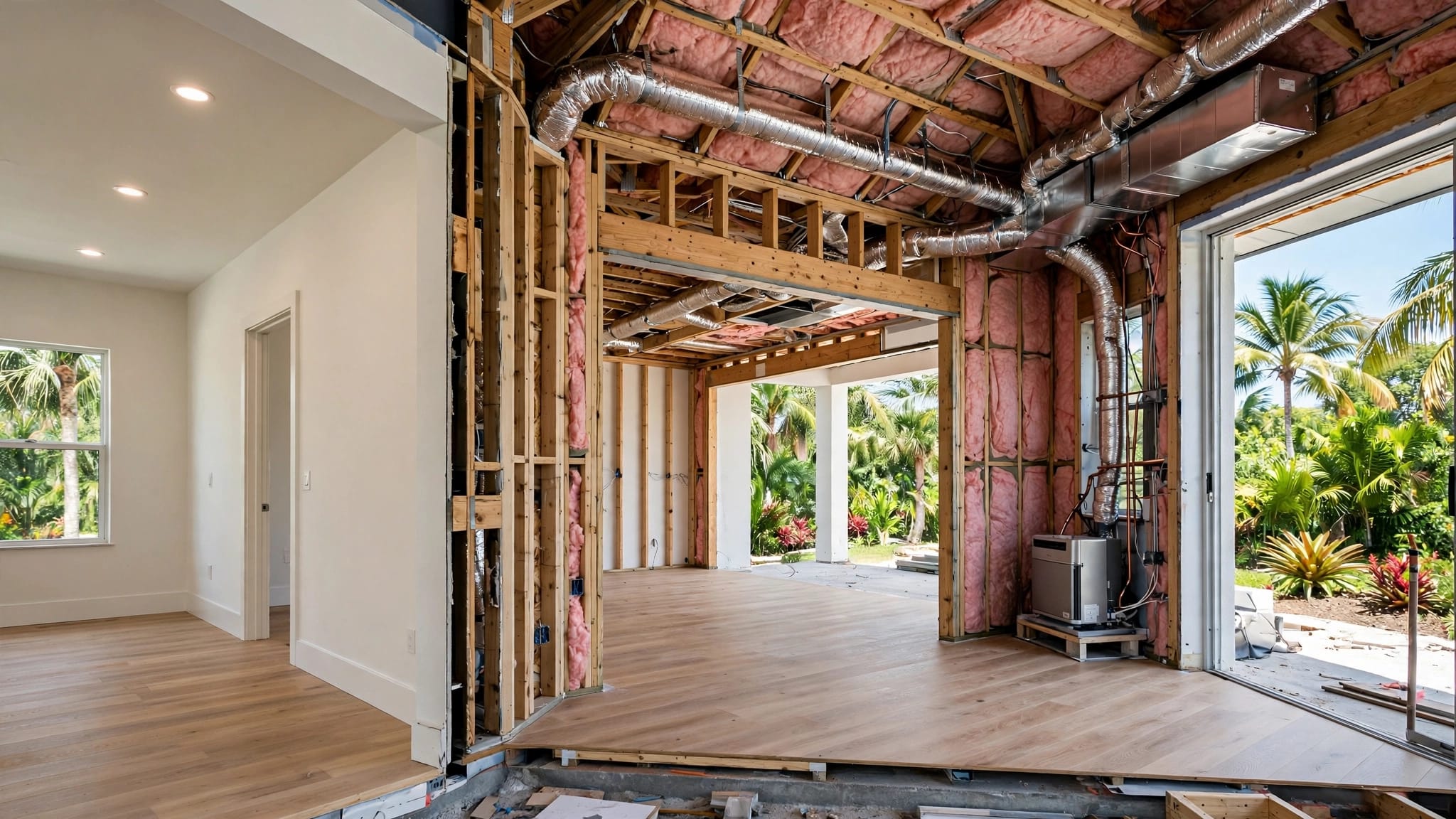
A proper install also includes the details most homeowners never see. The unit needs the right pad, the right line set, the right drain slope, and enough space around the outdoor cabinet. Those small choices matter for long-term performance.
If you are replacing an older system, professional HVAC installation in Fort Myers can make the difference between a unit that ages well and one that struggles from day one.
When repair stops making financial sense
Every AC system reaches a point where repair costs start to pile up. The best time to replace is not always the first time something breaks, but it also should not be after the third expensive repair in two years.
A good rule is to look at age, repair size, and repair frequency together. If the unit is already 12 to 15 years old and the next fix is a major one, replacement usually deserves serious attention.
Common warning signs include:
- The system needs frequent service calls.
- The compressor, evaporator coil, or blower motor needs major work.
- The home still feels uneven or humid after repairs.
- Energy bills keep climbing even when usage stays the same.
- The unit uses older refrigerant and has recurring leaks.
If you are dealing with repeated repairs, a professional opinion can save money. A professional air conditioning system inspection can help you compare the cost of another fix against the value of a new system.
If the repair is large and the unit is already old, replacement often costs less over time than another round of patchwork.
Replacement makes even more sense when the system has a failed compressor, a failing coil, or repeated refrigerant loss. Those are expensive problems, and they often point to a system near the end of its useful life.
If you are unsure which path makes sense, Schedule an Estimate and compare repair and replacement numbers before the next hot spell hits.
Conclusion
Most Southwest Florida homeowners can expect about 10 to 15 years from a residential AC system, with better results when the unit is maintained well and installed correctly. Coastal air, humidity, and year-round use all shorten that timeline, so age is only part of the story.
Filters, coils, refrigerant levels, and regular tune-ups all help a system last longer. Just as important, a good installation gives the equipment a fair chance to do its job without unnecessary strain.
When repairs start getting larger and more frequent, the smartest choice is often replacement. A worn-out system can keep running for a while, but comfort, efficiency, and repair costs usually tell the truth long before it stops working completely.
Recent Posts