
What Rattling or Buzzing Sounds From Your AC Mean

Valor HVAC • May 22, 2026

Share this article

A rattling AC noise can start as a small annoyance, then turn into a bigger repair if you ignore it. Buzzing is just as important, because it often points to a loose part or an electrical issue.

In Southwest Florida, air conditioners work hard for months at a time. Heat, humidity, storms, and yard debris all put extra strain on the system. If your unit sounds different than usual, it's giving you a clue, and that clue matters.

Why Your AC Starts Rattling or Buzzing

Every air conditioner makes some noise. Fans spin, motors start, and metal parts expand and contract with heat. A soft hum is normal.

A new rattling or buzzing sound is different. It usually means something shifted, loosened, wore down, or started to fail. The sound may come and go at first, which makes it easy to ignore. That's a mistake.

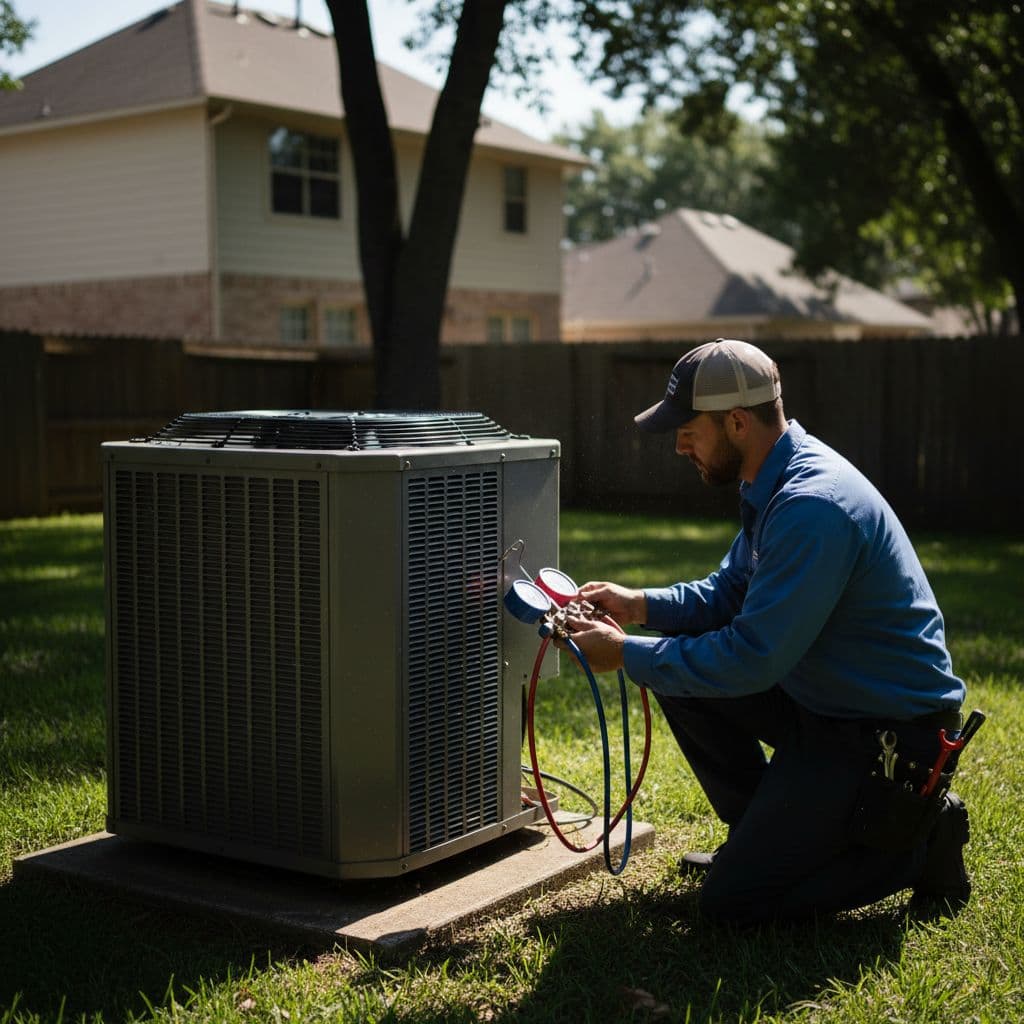
Outdoor units are especially exposed in Fort Myers and across Lee County. Leaves, twigs, palm debris, and even small stones can get inside the cabinet. Meanwhile, salt air and steady use can loosen hardware and wear out electrical parts faster than many homeowners expect.

The key is to notice the change. A quiet system that suddenly sounds like a coffee can full of screws deserves attention.

Common Causes Hidden in the Outdoor Unit

The simplest problems are often the loudest. A loose access panel can buzz against the cabinet. A screw that backed out can rattle when the fan kicks on. Small debris can tap the fan blades or housing and create a steady noise.

A damaged fan blade can also make a rough rattling sound. If the blade is bent, it may strike nearby parts each time it spins. That sound can get louder fast, especially when the unit starts up.

Buzzing often points in a different direction. It can come from the contactor, capacitor, transformer, or wiring inside the electrical compartment. Those parts help the system start and run. When one of them struggles, the sound may be sharp, steady, or repetitive.

Motor trouble can sound like buzzing too. A failing blower motor or condenser fan motor may hum, buzz, or struggle before it quits. Compressor trouble is more serious. It often starts with a low hum or buzz, then turns into hard starting, loud clanking, or poor cooling.

If the sound gets louder each day, treat it as a warning, not background noise.

What the Sound Pattern Can Tell You

The sound itself does not give a full diagnosis. Still, it can help narrow down the problem.

Sound pattern Common meaning How urgent it is
Short rattle at start-up Loose panel, fastener, or small debris Moderate
Steady buzz while running Electrical part, motor, or contact issue High
Metallic clatter from outdoors Fan blade or loose part hitting the housing High
Buzz plus weak cooling Motor, compressor, or capacitor trouble Very high
Loud buzzing with breaker trips Electrical fault Shut it off now

The takeaway is simple. A small rattle may start with loose hardware, but a steady buzz usually points to a deeper issue. When the noise comes with weak airflow or rising indoor temperatures, the system is asking for help.

When to Shut It Off Right Away

Some AC noises are safe to watch for a short time. Others need fast action.

Turn the system off if you notice any of these signs:

  • Burning or electrical smell
  • Loud, persistent buzzing
  • Repeated breaker trips
  • Cooling that drops off fast
  • Smoke, sparks, or a hot control panel

Do not keep resetting the breaker if it trips more than once. That can make the damage worse and create a safety risk. If you smell something hot or electrical, shut the thermostat off, then cut power to the unit if you can do it safely.

A technician can use fast HVAC repair and inspection to find the cause before it spreads to other parts. If the noise keeps returning, Schedule an Estimate and get the unit checked before the problem gets bigger.

How a Technician Tracks Down the Cause

A good repair visit starts with listening. The timing of the noise matters. A buzz at start-up can point to a capacitor or contactor. A rattle that lasts during the whole cooling cycle may point to a loose panel, debris, or fan trouble.

After that, the technician checks the cabinet, fan blades, motor, wiring, and electrical parts. They also look for loose mounts and corrosion. In coastal parts of Southwest Florida, vibration and moisture can wear down hardware faster than expected.

If the problem is mechanical, the fix may be simple. A loose screw, bent blade, or damaged panel can often be corrected quickly. If the problem is electrical, the tech should test the part before replacing it. That keeps the repair focused and avoids guesswork.

Routine care helps here too. Regular professional HVAC maintenance services give a technician a chance to catch loose parts, dirty components, and worn electrical connections before they turn into a noisy breakdown.

Simple Habits That Help Prevent Repeat Noise

A few small habits can keep your AC quieter for longer. They also help the system run better in the Florida heat.

  • Keep leaves, mulch, and branches away from the outdoor unit.
  • Replace clogged air filters on schedule.
  • Check the cabinet after storms for visible debris or loose panels.
  • Trim back plants so the unit has room to breathe.
  • Book a tune-up before peak cooling season.

A clean unit still needs space and airflow. When grass clippings or palm debris pile up around the cabinet, the fan has to work harder. That extra strain can bring back rattling and buzzing.

Salt air adds another layer of wear near the coast. Screws can loosen, and connectors can corrode sooner than they would inland. A seasonal inspection catches a lot of those issues early.

FAQ

Is a rattling AC always a big problem?

No. A loose panel or a piece of debris can cause a simple rattle. Still, a new sound that gets worse should not be ignored.

Can a buzzing AC mean an electrical issue?

Yes. Buzzing often points to a contactor, capacitor, motor, or wiring problem. That is why loud or repeated buzzing deserves quick attention.

Why does my AC buzz only when it starts?

Startup buzzing often means a part is struggling to get the system moving. A capacitor or motor is a common suspect. If the buzz lasts longer or gets louder, shut the unit off and call a pro.

Should I keep running the AC if it still cools?

Only if the noise is light, brief, and not getting worse. If the cooling drops, the breaker trips, or the sound turns harsh, stop running it.

Conclusion

A rattling or buzzing AC can mean something minor, like a loose panel or debris in the cabinet. It can also point to a failing motor, compressor trouble, or an electrical problem.

The safest rule is simple. If you hear loud persistent buzzing , smell burning, or notice repeated breaker trips, shut the system off and call an HVAC professional. Your AC should cool the house without sounding like it's fighting itself.

Recent Posts

By Valor HVAC May 30, 2026
Storms can knock an AC offline without destroying it. A lightning strike, power outage, or flooded yard can leave the system silent even when the rest of the house seems fine. The tricky part is that the problem may be simple, like a thermostat setting, or serious, like surge...
By Valor HVAC May 29, 2026
If your AC fan stays on after the house reaches the set temperature, that isn't always a problem. A short post-cycle run can help clear extra cool air from the coil and smooth out the room temperature. But if the AC fan keeps running for a long time, or never seems to stop, so...
By Valor HVAC May 28, 2026
Fort Myers storms can turn a healthy AC system into a repair bill fast. Wind, flying debris, salt spray, and floodwater all hit the outdoor condenser first. A few simple steps before hurricane season can lower the risk. The goal is to keep the unit clear, keep the power safe,...
By Valor HVAC May 27, 2026
A Fort Myers electric bill can climb fast once summer heat settles in. Your AC runs longer, works harder, and fights sticky indoor air all day. That jump can feel sudden because the weather changes before your habits do. The good news is that most of the cost drivers are easy...
By Valor HVAC May 26, 2026
Low airflow can make a Fort Myers home feel sticky even when the AC is running nonstop. The thermostat may say the house is cooling, but weak air from the vents tells a different story. In Southwest Florida, that problem shows up fast. Heat, humidity, dust, and seasonal debris...
By Valor HVAC May 25, 2026
A blank thermostat can turn a normal day into a frustrating one fast. One minute the house feels fine, then the screen goes dark or the buttons stop working. Most of the time, the cause is simple. Sometimes the problem starts at the thermostat, and sometimes it comes from the...
By Valor HVAC May 24, 2026
A musty AC smell can show up fast in Fort Myers homes, especially after a rainy stretch. In a humid climate, your system moves a lot of moisture, and that moisture can leave behind a stale odor if something is off. Sometimes the smell fades after the system runs for a bit. Oth...
By Valor HVAC May 23, 2026
Most air conditioners in Southwest Florida last about 10 to 15 years . With solid maintenance and a good installation, some systems make it to 15 to 20 years, but coastal air, heavy use, and skipped service can shorten that window fast. If your unit is already near the 10-year...
By Valor HVAC May 21, 2026
One bedroom stays sticky while the rest of the house feels fine. In Fort Myers, that usually has a clear cause, and it often shows up in the same few rooms. Strong sun, attic heat, humidity, and weak airflow can all turn a comfortable house into one with hot rooms in Fort Myer...
By Valor HVAC May 20, 2026
An AC that sweats a little is normal. An AC leaking water onto the floor, dripping through the ceiling, or shutting off over and over is not. In Fort Myers, that problem shows up more often than many homeowners expect. Hot afternoons, high humidity, and long cooling cycles put...
Show More