
Why Your AC Trips the Breaker in Summer
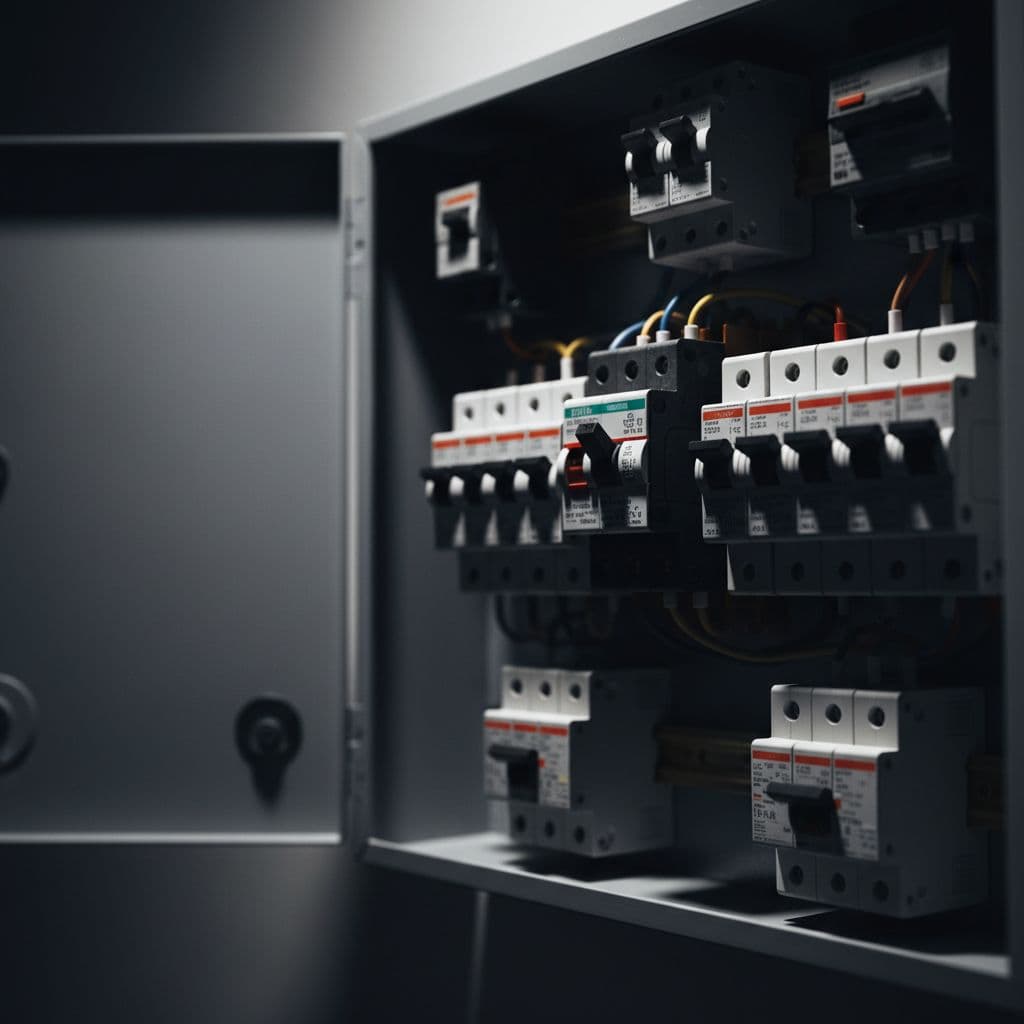
When your AC trips the breaker on a hot afternoon, it usually means the system is under more stress than it should be. That breaker is a safety feature , not an annoyance. It shuts the power off before heat, wiring, or a motor problem gets worse.
In Southwest Florida, summer puts every cooling system to the test. Long run times, high humidity, and heavy demand can expose small issues fast. The good news is that some causes are simple, and a few safe checks can help you narrow them down before you reset anything.
Why the breaker trips in the first place
A breaker trips when a circuit pulls more current than it can safely handle. That can happen for a brief startup surge, but it can also happen when the AC is working too hard.
Your system may be trying to cool a hot house for hours at a time. As the load rises, so does the heat inside the equipment and the wiring. If something adds extra strain, the breaker steps in and cuts power.
A one-time trip can happen after a long, brutal cooling cycle. Repeated trips, however, point to a problem that needs attention. That is especially true when the AC is running almost nonstop in July or August.
Common AC problems that trigger breaker trips
Dirty filters, clogged coils, and weak airflow
Airflow problems are one of the most common reasons an AC trips the breaker. A dirty air filter can choke the system, so the indoor unit has to work harder to move air. Clogged condenser coils outside do the same thing by trapping heat where it should be released.
Restricted airflow also comes from closed vents, blocked return grilles, or furniture pushed too close to them. When air cannot move freely, parts of the system can get too cold and the evaporator coil may freeze. A frozen coil sounds like a cooling problem, but it can also lead to electrical strain once the unit tries to restart.
Failing capacitors, compressor trouble, and loose connections
Some problems are inside the equipment itself. A failing capacitor can make the fan motor or compressor struggle at startup. That startup issue can draw too much power and trip the breaker right away.
Compressor problems are more serious. The compressor is the part that does the heavy lifting, and when it starts to fail, it can pull more current than normal. Loose electrical connections can add heat too. A weak connection creates resistance, and resistance makes parts run hot.
Aging equipment or a circuit that is too small
Older systems often need more care because wear builds up over time. Motors get tired, contacts wear out, and the whole unit may draw more current than it used to. Sometimes the problem is the circuit itself.
An overloaded or mismatched circuit can trip even when the AC is the main load. That can happen if the system shares power with other equipment, or if the breaker was never sized correctly for the unit. In that case, the AC may be fine for a while, then trip the breaker when summer heat pushes it harder than usual.
What you can safely check before you reset the breaker
Before you touch the breaker, turn the thermostat to "off." Then give the system a few minutes to stop running. That step keeps the AC from trying to restart while the issue is still there.
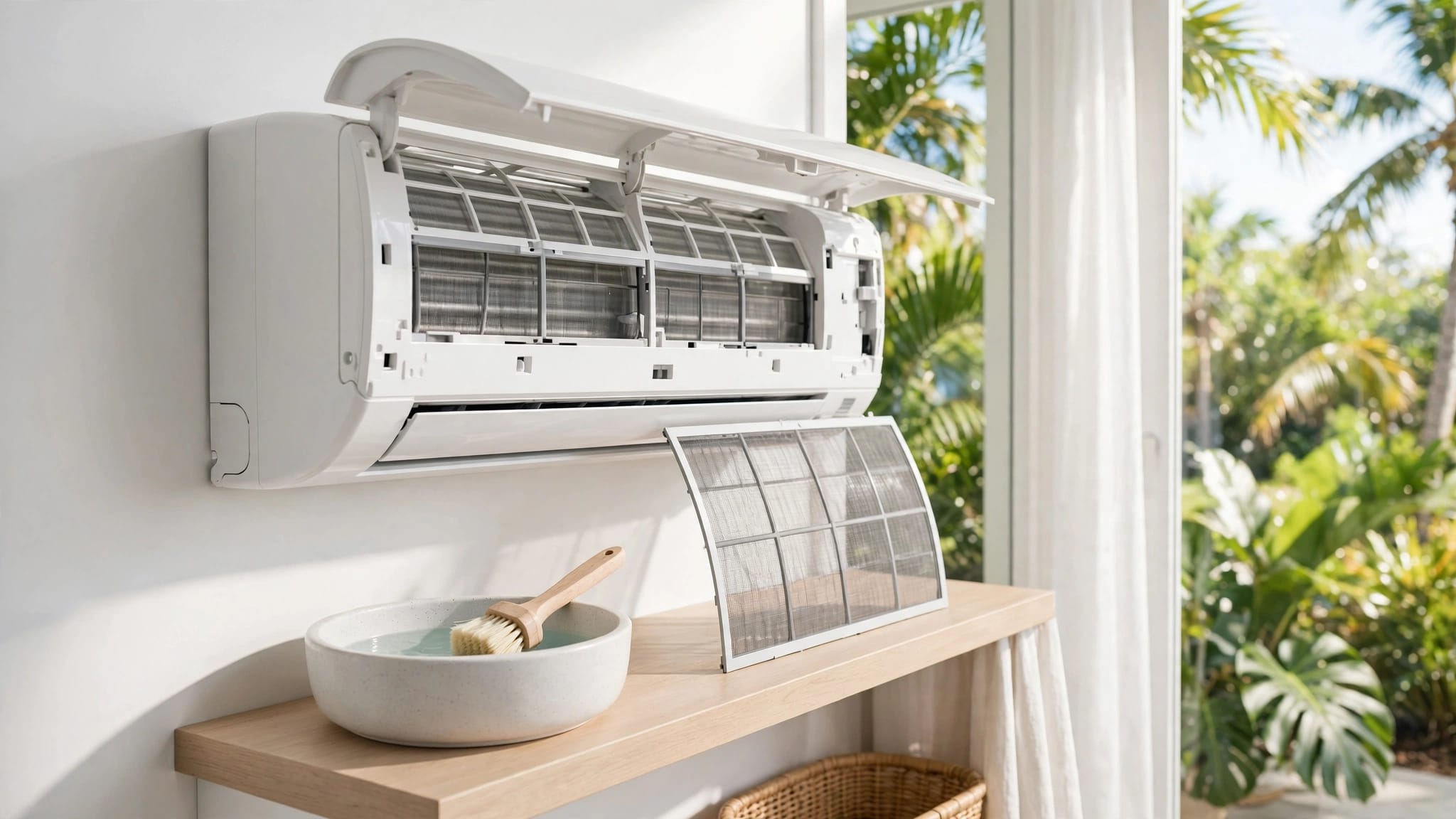
Next, check the air filter. If it looks dirty, replace it. A clogged filter is easy to miss, but it can make the system work harder than necessary.
After that, look at the return vents and supply vents inside the home. Make sure they are open and not blocked by rugs, curtains, or furniture. Outside, clear leaves, grass clippings, and debris away from the condenser unit so air can move around it.
If you see ice on the indoor line or on the outdoor unit, leave the system off and let it thaw fully. Do not keep resetting the breaker while ice is present. The problem may come right back.
Finally, if the breaker is accessible and you know which one controls the AC, you can reset it once. Do not remove the panel cover or reach inside the electrical box. Do not open any HVAC compartments or try to test parts yourself.
A breaker that trips is doing its job. It is warning you before heat or damage gets worse.
If the system comes back on and stays on, keep an eye on it. If it trips again, stop there and move to the next step.
When repeated trips mean you need professional service
A breaker that trips more than once is a red flag. The problem may be electrical, mechanical, or both. It may also be getting worse each time the system tries to run.
Call for help if the breaker trips as soon as the AC starts, if warm air keeps coming from the vents, or if you hear buzzing, grinding, or humming. A burning smell, scorch marks, or a hot breaker are urgent signs too. So is a unit that keeps tripping on the hottest part of the day.
That is the point where a professional HVAC repair and inspection makes sense. A technician can check the capacitor, compressor, wiring, coil condition, and breaker load without guesswork. If the problem turns into a no-cool situation after hours, 24/7 emergency HVAC assistance is the safer route.
If you want the issue looked at before it turns into a bigger repair, Schedule an Estimate.
Why this happens so often in Southwest Florida summers
Summer in Fort Myers and across Lee County puts AC systems under heavy demand. The heat runs for hours, the humidity stays high, and the equipment rarely gets much of a break. That extra run time raises wear on filters, motors, coils, and electrical parts.
Salt air and yard debris can make the outdoor unit work even harder. A coil that was a little dirty in spring can become a major airflow problem by midsummer. That is why a system that seemed fine in April may start tripping the breaker once the hottest stretch of the year arrives.
Regular maintenance helps, but the main thing homeowners can do is pay attention to changes. Weak airflow, longer run times, and repeated breaker trips usually show up before a complete failure.
Conclusion
If your AC trips the breaker in summer, treat it as a warning sign. The breaker is protecting your home, and the cause is often tied to airflow trouble, worn parts, or an electrical load that is too high.
Start with the safe checks, then stop if the problem returns. In heavy Southwest Florida heat, repeated breaker trips usually mean the system needs a closer look from a pro before a small issue becomes a bigger one.
Recent Posts