

Why Your AC Runs Constantly in Fort Myers Heat
In Fort Myers, an AC that runs for long stretches is not unusual. The heat hangs around, the humidity pushes the load higher, and your home keeps soaking up sun well into the evening.
Still, AC running constantly can move from normal to a warning sign. If your house feels sticky, cools unevenly, or never reaches the set temperature, the system may be telling you something. The key is knowing when long cycles are expected and when they point to trouble.
Why nonstop cooling is common in Fort Myers
Florida heat is hard on cooling systems. On a bright afternoon, your AC is fighting outdoor heat, indoor moisture, attic warmth, and sun hitting the walls and windows.
That load gets heavier in Fort Myers because the cooling season lasts so long. Your system does not get a real break for much of the year, so it spends more time working and less time recovering.
Your AC also has two jobs at once. It lowers the temperature, and it pulls moisture from the air. Humidity makes the second job harder, which means the first job takes longer too.
A long cycle is often normal when the temperature outside is high and the air feels heavy. In that situation, the system may run a lot, but it should still bring the house to the setting you chose.
A good rule is simple. If the home feels comfortable and the thermostat can hold steady, long runtime alone is not a red flag. If the house keeps falling behind, the problem is bigger than the weather.
Normal long cycles or a real problem?
The length of a cooling cycle matters less than the result. A Fort Myers home can need a long run time on a 95-degree day and still be fine.
Here is a quick way to tell the difference.
| What you notice | Usually normal in peak heat | Worth a closer look |
|---|---|---|
| AC runs a long time in the afternoon | Yes, especially with direct sun and high humidity | Only if the house never cools down |
| Indoor air feels cool and steady | Yes | No immediate concern |
| Weak airflow from vents | No | Possible filter, blower, or duct issue |
| Ice on the unit or sticky indoor air | No | Possible refrigerant or airflow problem |
Long run times in July can be normal. Long run times with weak airflow, humidity, or ice are not.
You should pay attention when the system runs all day and still misses the target. Rising bills, uneven rooms, and a house that feels damp are signs that the unit is struggling, not just working hard.
Easy checks you can do without tools
Start with the simple things. They take a few minutes, and they often explain a lot.
Check the thermostat first. Make sure it is set to cool, the fan is on auto, and the temperature is not set unrealistically low. If the thermostat sits near a sunny window, a lamp, or a hot kitchen, it can get false readings and call for more cooling than the house needs.
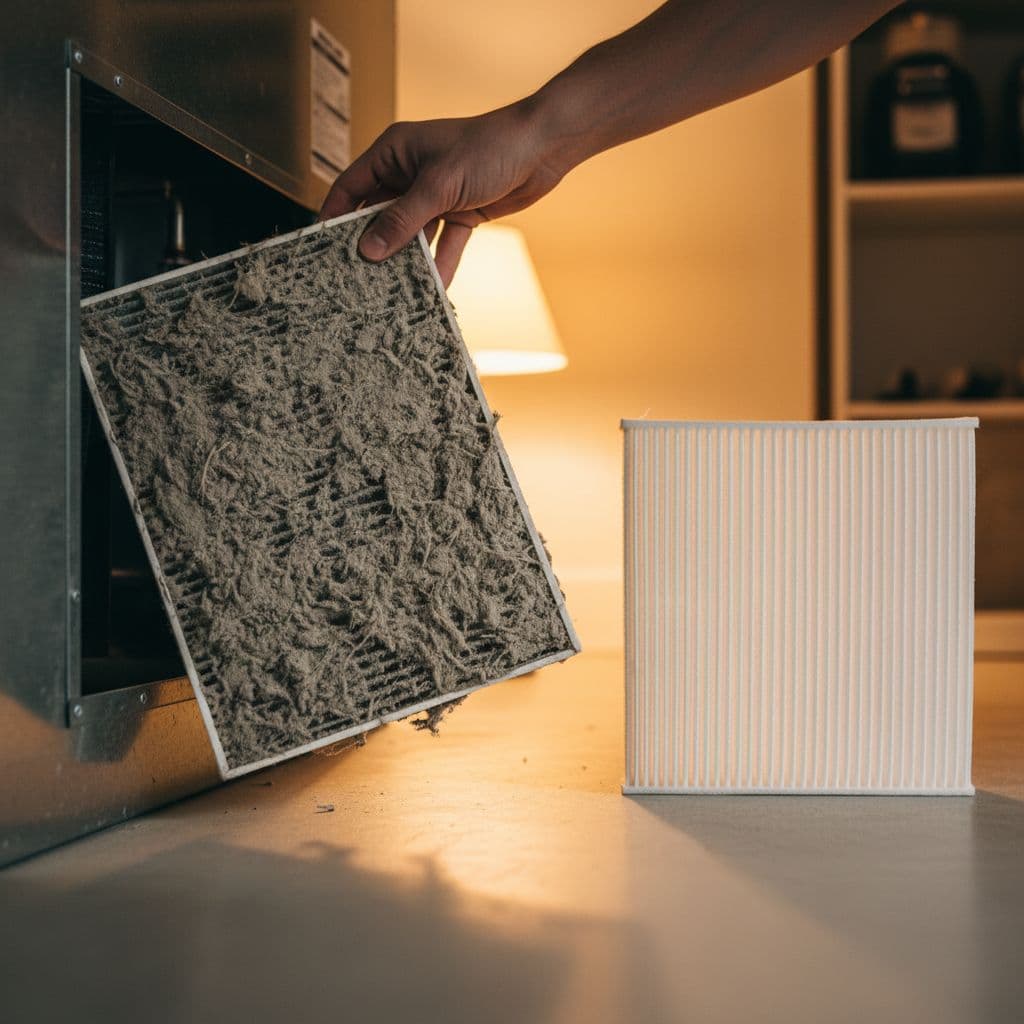
Next, look at the air filter. A dirty filter is one of the fastest ways to choke airflow. When air cannot move freely, the system works harder and may still cool poorly. If the filter looks gray, packed with dust, or bent out of shape, replace it.
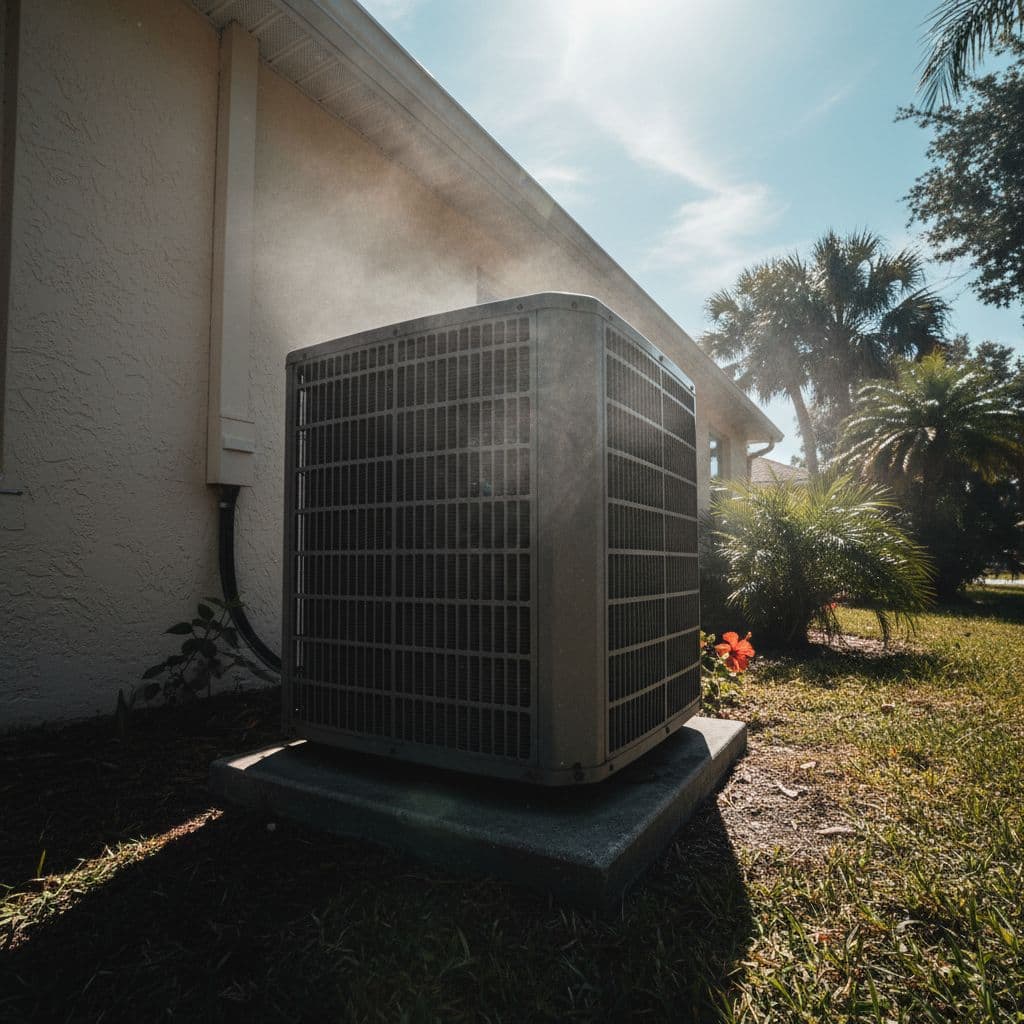
Then check the vents inside your home. Closed or blocked supply vents can make some rooms warm while others feel fine. Also look at the outdoor unit. It needs clear space around it so it can release heat. Leaves, grass clippings, and patio clutter can hurt performance.
If your filter clogs fast or your system needs a deeper clean, routine HVAC tune-up services can help keep dirt and wear from piling up. That matters a lot in Southwest Florida, where systems run hard for months at a time.
Problems that usually need a technician
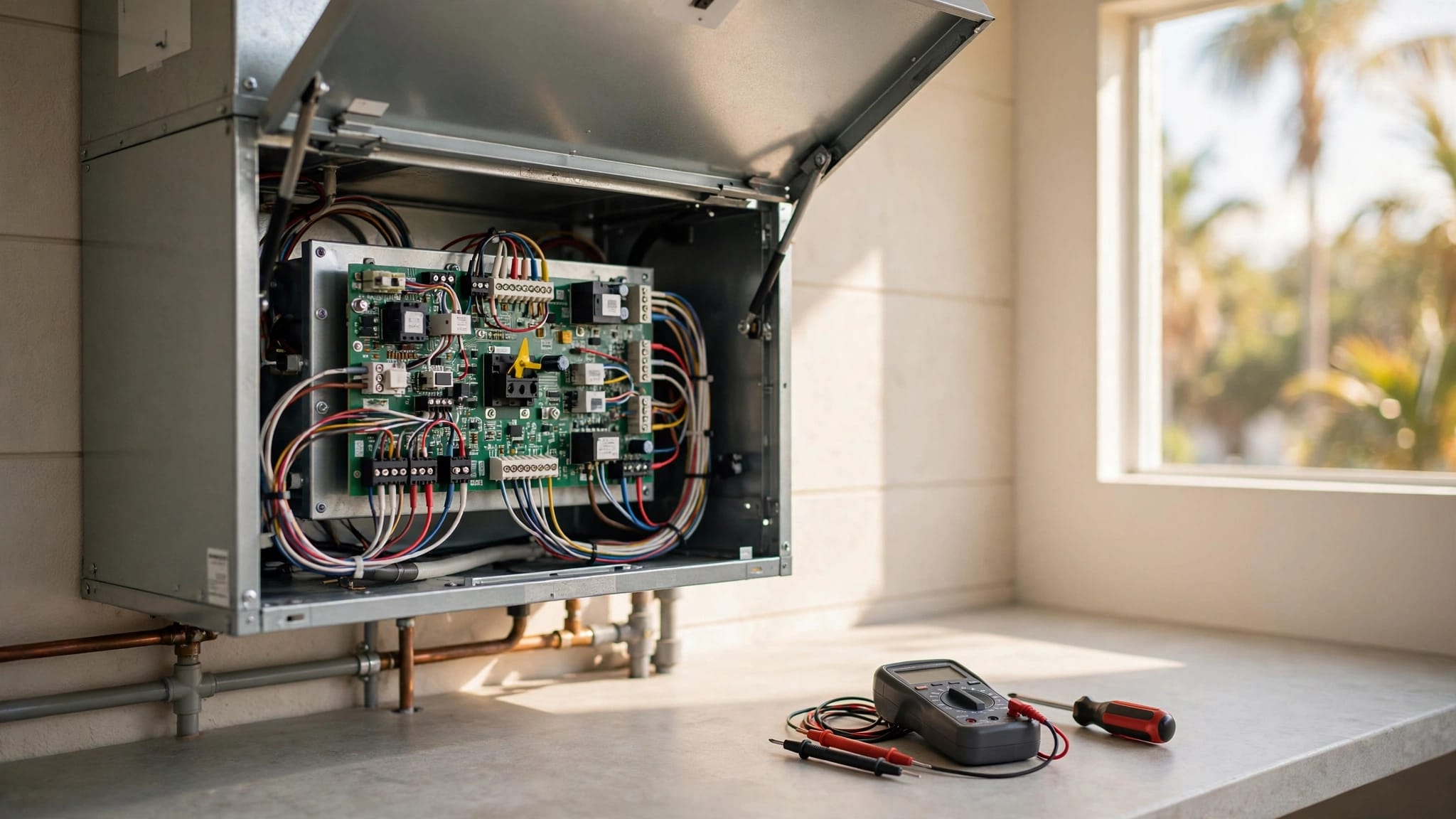
Some issues are not safe or useful to handle on your own. Refrigerant leaks, electrical problems, airflow faults, and mechanical failures need proper tools and training.
Low refrigerant can make the coil freeze. A weak capacitor can keep the compressor or fan from starting the way it should. A failing blower motor can leave you with weak airflow even when the thermostat keeps calling for cooling. Duct leaks can also waste cool air before it ever reaches the rooms you use most.
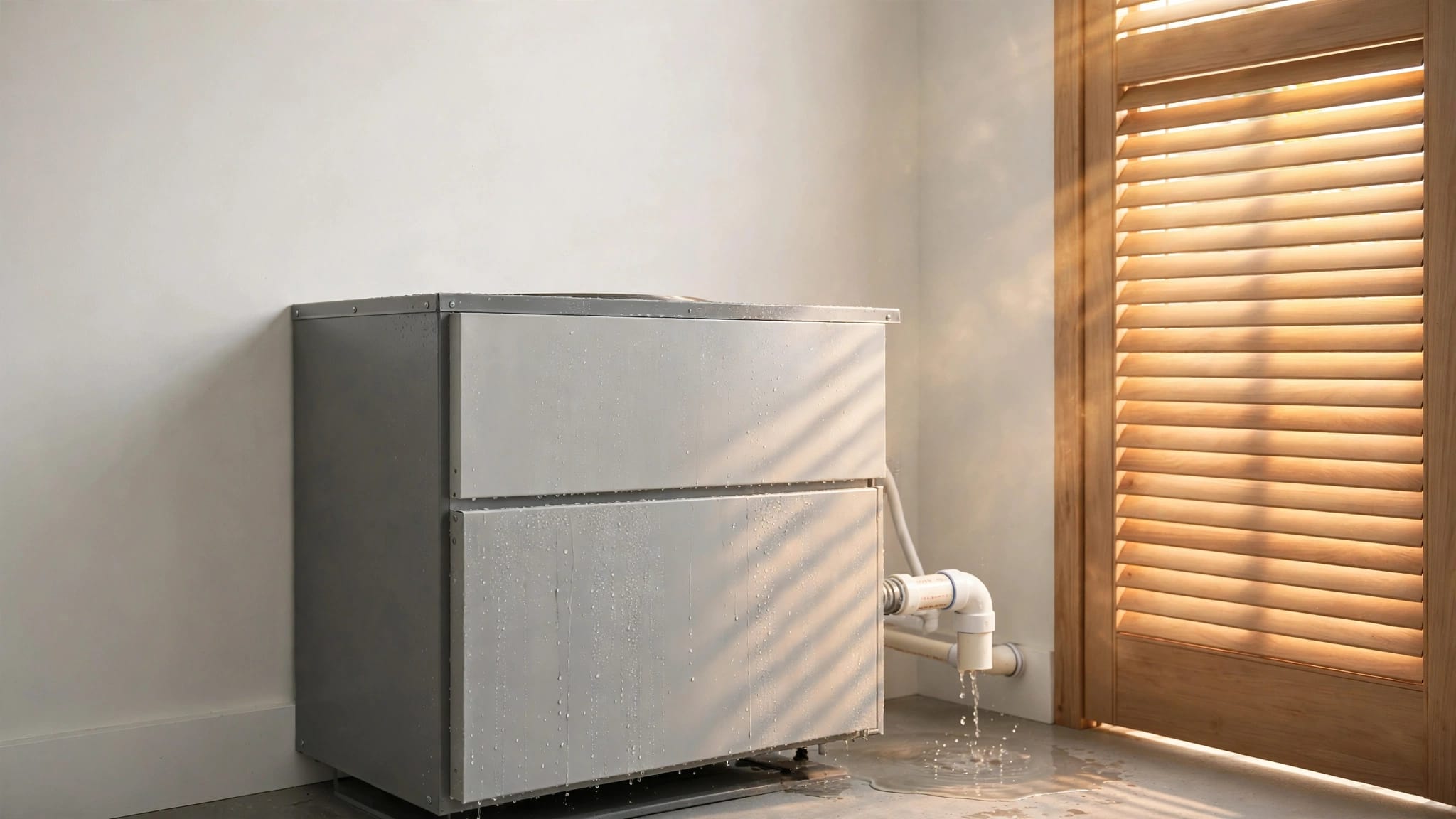
Ice on the unit is a clear warning sign. Shut the system off and let it thaw. Then have it checked. Running it longer will not fix the cause.
The same goes for new buzzing, grinding, or clicking sounds. So does a breaker that keeps tripping. Those are not signs of a hot day. They point to a part that needs attention.
When the system keeps running but still never reaches the set temperature, professional AC repair and diagnostic checks are the right next step. If you want a technician to look at airflow, cooling performance, or electrical parts, Schedule an Estimate before the problem gets worse.
How to help your system keep up in peak season
A few smart habits can lower the load on your AC and make long run times less stressful.
- Keep the thermostat steady instead of making big jumps up and down.
- Close blinds or curtains during the hottest part of the day, especially on west-facing windows.
- Use ceiling fans so the room feels cooler without forcing the thermostat much lower.
- Replace filters on time during summer, because heavy use fills them faster.
- Keep doors closed in rooms you are not using, so cool air stays where it matters.
Those steps help, but they do not replace maintenance. In Fort Myers, your system works through a long cooling season, so small problems build up fast. Dust, weak parts, and blocked airflow can turn a normal long cycle into a costly one.
If your home still feels warm after these basic fixes, the issue may be tied to insulation, duct leakage, or an aging system that no longer has enough capacity. That is when a proper inspection matters more than guesswork.
Conclusion
A Fort Myers AC can run for long stretches and still be doing its job. High heat, strong sun, and heavy humidity create a tough workload, so longer cycles are part of life here.
The warning signs are different. Weak airflow, uneven cooling, rising bills, ice on the unit, excess indoor humidity, or a system that never reaches the set temperature all point to trouble.
When the house gets cool and stays dry, the runtime is probably normal. When the unit keeps humming and the home never catches up, the problem is speaking for itself.
Recent Posts